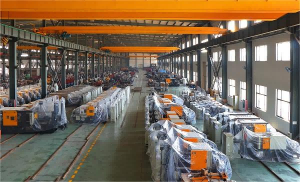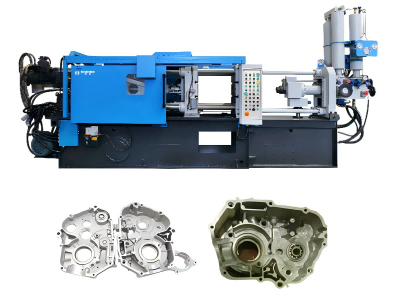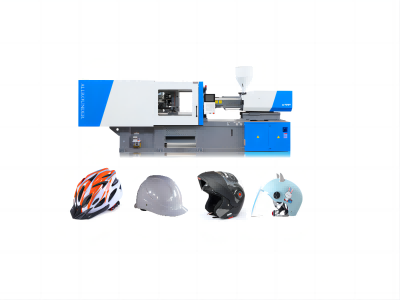
Door handle zinc die casting is a die casting equipment used to make zinc door handles, which process molten metal through molds.
Zinc alloy door handles are produced using a zinc die casting machine.
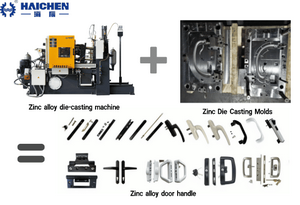
Before utilizing the zinc pressure die casting machine to process zinc alloy raw materials, it is necessary to prepare different shapes of die casting molds according to the various styles and customization needs of the zinc handles. Then, the machine injects the molten zinc alloy raw material into these customized molds to produce the final zinc door handle products.
Door Handle Introduction of Door handle zinc die casting
History of Zinc Door Handles
Zinc alloy door handles have a relatively short history compared to other metals such as brass or iron.
Door handles first appeared in Europe in the 18th century, and they were initially carefully crafted works of art using materials such as brass, bronze, and porcelain.
As the 19th century progressed in manufacturing technology, including die-cast zinc, the popularity and design variety of door handles increased significantly. Zinc door handles in particular were popular during this period because they were affordable and could be produced in intricate designs and patterns.
Zinc door handles remained in use throughout the 20th century. While new materials such as aluminum and stainless steel have entered the market, zinc handles are still used because of their durability, versatility, and aesthetics.
Raw materials for door handle zinc die casting
Door handles are predominantly crafted from various metals, such as copper, zinc, brass, and steel, and occasionally supplemented with materials like wood or porcelain. The careful selection of materials plays a vital role in the manufacturing process, as it profoundly influences both the functionality and aesthetic appeal of the final product.
Among the commonly employed materials for door handles are brass, stainless steel, aluminum, iron, bronze, and zinc alloys. The choice of material hinges upon several factors, including the intended purpose of the door handle, the desired visual presentation, and the allotted budget for the project.
Usage of zinc alloy door handles
Door handles, including zinc alloys, are used in a wide range of scenarios. Zinc alloy door handles are ideal in a variety of usage scenarios due to their cost-effectiveness, design flexibility, and durability.
Residential: For front doors, bedroom doors, bathroom doors, and cabinets in homes. Zinc handles are the first choice due to their corrosion resistance and aesthetics.
Commercial buildings: In commercial spaces such as offices, shopping malls, and hotels. Zinc handles not only provide durability but also add a sense of modernity.
Educational institutions: For classroom doors, libraries, and other places in schools. The durability and easy maintenance of zinc handles make them an ideal choice.
Medical institutions: In places such as hospitals and clinics. The antibacterial and hygienic properties of zinc alloy door handles are particularly important.
Catering industry: Restaurants, bars, cafes, and other places, zinc alloy door handles are not only durable, but also provide a variety of surface treatment options to suit different decorative styles.
Types of Zinc Alloy Door Handles
Zinc door handles can be designed into various types according to different designs, functions and installation requirements. The following are several common types of zinc alloy door handles.
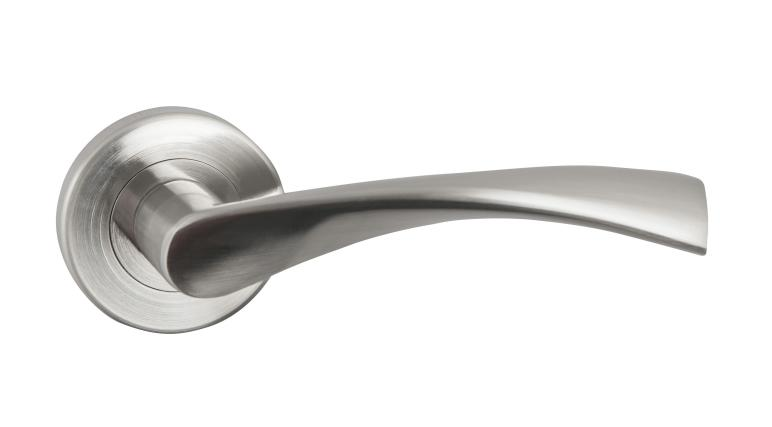
Lever Handles: Lever handles are a popular choice for both residential and commercial settings. They feature a lever-shaped design that allows for easy operation by simply pushing down or pulling up the lever. Lever handles can have a variety of designs, ranging from sleek and modern to more ornate and traditional styles.
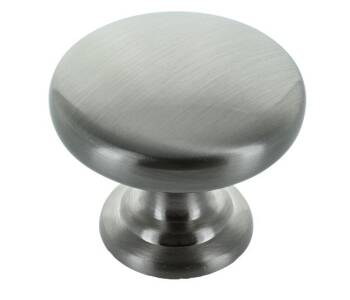
Knob Handles: Knob handles are another common type of zinc door handles. They feature a round or spherical shape, providing a comfortable grip for opening and closing doors. Knob handles come in various sizes and designs to suit different aesthetic preferences.
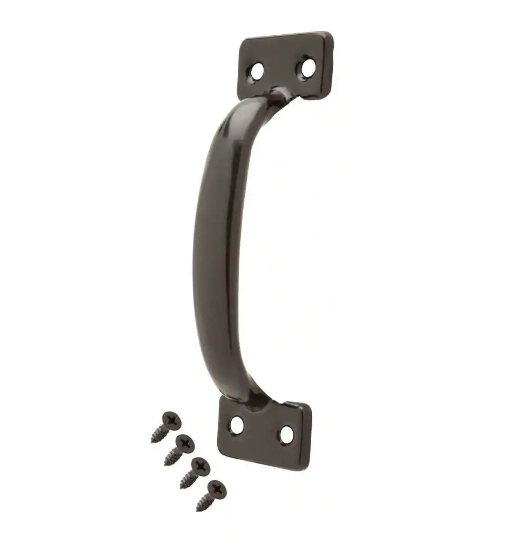
Pull Handles: Pull handles, also known as bar handles or handlebars, are typically used on larger doors or as decorative elements on cabinets and drawers. They consist of a straight or curved bar that is mounted on the door surface, allowing for easy grasping and pulling.
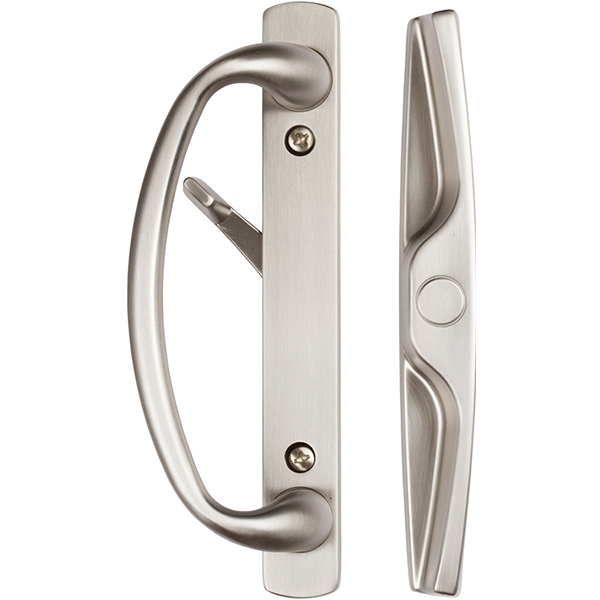
Mortise Handles: Mortise handles are designed for use with mortise locks, which require a specific type of handle mechanism for proper operation. These handles often have a more traditional or vintage design and are commonly used in residential settings.
Door handle size and shape for door zinc handle die casting
Door handle dimensions play a vital role in the manufacturing process of zinc door handles, as they significantly affect the overall appearance and functionality of the door. It is imperative to ensure that the size and shape of the handle are appropriate for the specific door and intended use. For example, large and heavy doors may require a larger or more substantial handle to provide adequate leverage and support. Conversely, smaller or more streamlined handles are often better suited for smaller doors or doors with complex designs.
In addition to considering the overall size and shape of the handle, pay attention to the size of the handle components, such as levers or knobs. These components should be appropriately sized to fit comfortably in the user’s hand and ensure ease of use. By carefully selecting the appropriate handle size and shape. Manufacturers can create zinc door handles that not only enhance aesthetics but also provide optimal functionality.
In summary, door handle dimensions are an important aspect in the manufacturing process of zinc door handles. They directly affect the appearance and functionality of the handle. By carefully considering and selecting the appropriate size and shape. We can produce zinc door handles that are both aesthetically pleasing and functional.
Why choose zinc alloy as raw material to produce door handles
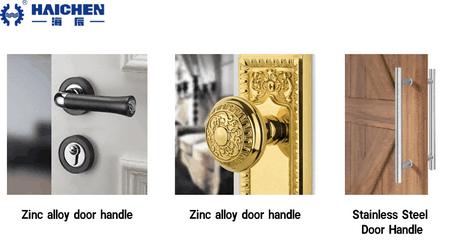
Zinc alloy door handles, stainless steel door handles and pure copper door handles are all common types of door handles made of metal. The following article discusses the advantages and disadvantages of each type of metal door handle by analyzing its scope of use and production process
Scope of application
Zinc alloy door handles: Zinc alloy door handles are widely used and are often used in residential and commercial environments. They are suitable for a variety of door types, including interior and exterior doors, cabinets and drawers.
Brass door handles: Brass door handles are often used on the doors of villas or high-end hotels, especially traditional or classical style homes, with complex shapes and classical atmosphere. They can also be used in commercial environments that require a more formal or elegant appearance.
Stainless steel door handles: Stainless steel door handles have a wide range of applications, including residential, commercial and industrial environments. They are particularly suitable for areas with high traffic and environments that require durability and corrosion resistance.
Production process
Zinc alloy door handles: Zinc alloy handles are made of zinc combined with other metals and are a durable and affordable material. The production process usually involves die casting or injection molding, where molten zinc alloy is poured into a mold to form the desired handle shape. The surface can be electroplated, painted, polished, etc.
Brass door handles: Brass handles are made of copper-zinc alloy. The copper material is shaped into the desired handle design through techniques such as casting, forging, or machining. Later, it can also undergo finishing processes such as polishing, copper plating, and coating to enhance the visual appeal of brass door handles and prevent copper from tarnishing.
Stainless steel door handles: Stainless steel handles are made of alloys of iron, chromium, and other elements. They are processed by various techniques such as casting, forging, or machining. Later, they can be polished, brushed, or coated to achieve different surface textures and appearances.
Advantages of producing door handle zinc
Cost: Compared with brass or stainless steel door handles, zinc alloy door handles are cheaper to produce, making them a cost-effective choice in many applications.
Many design options: zinc handles are made by zinc pressure die casting machines because their production process is made. Therefore, they can be cast into a variety of shapes and design handles, and manufacturers have the flexibility to match different decorative styles and preferences.
Maintenance: Zinc alloy has inherent corrosion resistance, which makes zinc alloy door handles durable and have a long service life. Therefore, zinc alloy door handles are easier to maintain, and they do not require regular cleaning or polishing to maintain their appearance.
Lightweight: zinc handles are relatively light and easier to carry and install.
Production steps of zinc alloy door handles
Design and mold preparation:
In order to start the production of zinc alloy door handles, a detailed design is required. Consider the size, shape, and function of the zinc alloy door handle according to your own use scenario and purpose. Then find a mold manufacturer to customize the mold, and the mold should fully match the design of the desired zinc alloy door handle.
Melting and preparation of zinc alloy:
Zinc and other metals and non-metals (called billets) are heated to 800°F in a gas furnace to soften the metal. The billets are then placed in specially designed molds that match the shape of the zinc alloy door handle to be manufactured.
Casting by Zinc die casting machine:
After the zinc alloy is melted, it is injected into the zinc die casting machine. The press applies high pressure to press the heated billet into the mold cavity, where the billet is formed into the shape of the door handle. After that, the door handle will be ejected from the zinc die casting machine and cooled.
Trimming and finishing:
The surface of zinc alloy door handles can be made cleaner and smoother by trimming to remove excess material or burrs on the zinc alloy door handles. Separate electroplating, painting, polishing and other processes can be used.
Metal plating:
This is to apply a thin layer of metal to the zinc alloy door handle. This process has a variety of uses, including creating various sheens, and shades and improving corrosion resistance. Electroplating utilizes a variety of metals such as nickel, chromium, and copper to achieve the desired plating effect. During the electroplating process of zinc alloy door handles, The zinc alloy door handles are carefully immersed in a plating tank. This plating tank contains a solution of metal ions as well as specific chemicals that facilitate the electroplating process. By utilizing an electric current, the metal ions are deposited on the surface of the substrate, ensuring a uniform and consistent coating. After the electrodeposition stage is complete. The zinc alloy door handles undergo post-treatment to eliminate any remaining contaminants and residues in the plating tank.
Assembly and packaging:
When all the parts are ready, workers will manually assemble the zinc alloy door handles. Finally, workers will package the completed door locks and box them for shipment.
Machines used for zinc alloy door handles
Hot chamber die casting machine
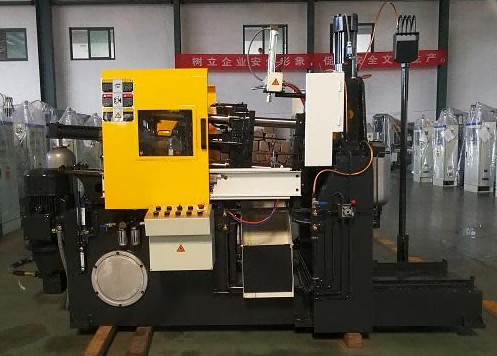
What machine is used to produce zinc alloy door handles? Hot chamber die casting machine. Depending on the size of the door handle, we usually use a door handle making machine ranging from 50 tons to 180 tons.
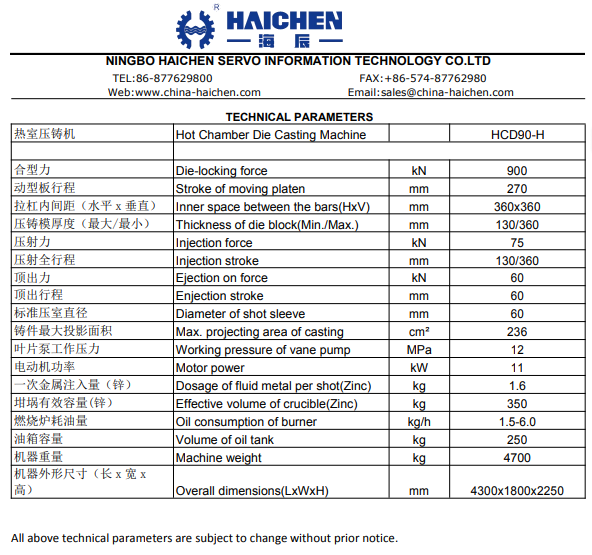
The technical data of the 90-ton zinc alloy door handle hot chamber die casting machine are as follows:
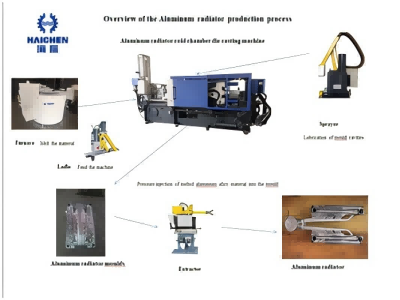
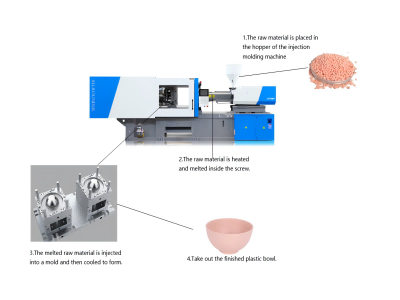
The zinc pressure die casting machine can be divided into two main parts: the machine itself and the mold. The production process involves several steps to manufacture zinc pipe fittings. First, the machine melts the raw material, which is a zinc block. After melting, the machine injects the molten zinc into the mold and closes it to form the desired pipe-fitting shape. Finally, the mold is opened and the finished product is taken out to complete the production process.
In a hot chamber die casting machine. The injection mechanism includes a barrel immersed in a crucible containing molten alloy. The barrel uses the molten alloy maintained at a constant temperature to perform vertical injection movement.
Hot chamber die casting machines have the advantages of simple production process, high efficiency, low metal consumption, and stable process. They are often used to produce zinc and magnesium alloy die castings with less corrosion to chamber parts. They are very suitable for the production of zinc handles. At the same time, hot chamber die casting machines save cycle time because there is no additional pouring operation. Compared with cold chamber die casting machines, they have higher productivity.
Zinc Die Casting Mould Design &Manufacturing
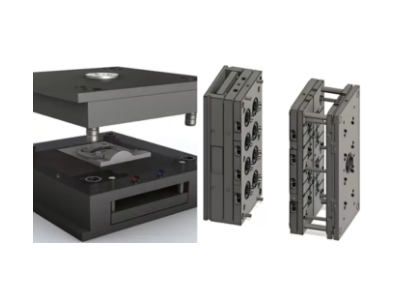
The die casting mold for zinc alloy door handles consists of two main components. The fixed die (also known as the stationary die) and the moving die (ejector). The fixed die is securely mounted on a fixed plate in the die casting machine, while the ejector die is fixed on a movable fixed plate. Once production is complete, manual intervention is required to remove the zinc alloy door handle from the mold.
Zinc door handles often have complex designs that include intricate shapes, curves, and details. For complex door handles, even if the same raw material is used in different sizes and styles, it may require more than just a separate mold to produce them.
This requires the manufacturer to have sophisticated processing equipment and professional mold making staff, but also excellent zinc alloy door handle mold design.
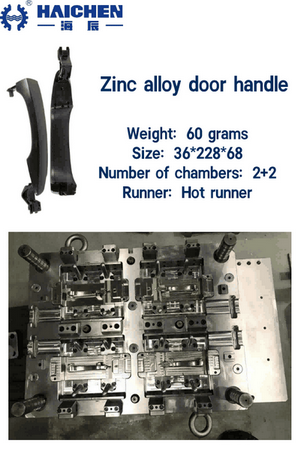
Example of zinc alloy door handle production
Product Material: Zinc Alloy
Weight: 60 grams
Size: 36X228X68
Optional machine: HCD-90H
Auxiliary machine for Door handle zinc die casting
In addition to the above main equipment and items, the production of zinc alloy door handles also uses a variety of auxiliary machines and tools that help improve process efficiency and results. Here are some commonly used auxiliary machines and tools:
Hot chamber pick-up and spraying machine: This machine plays a vital role after the zinc die casting is completed. It uses an automated robot to open the mold and remove the parts. The fire automatically sprays the release agent and removes the moisture on the mold surface. The advantage is that it improves work efficiency and also improves the working environment.
Furnace: The furnace is used to melt the zinc alloy and then transfer it to the hot chamber die casting machine. The furnace provides a controllable and efficient heating environment for the molten alloy. There are different types of furnaces to choose from, including diesel, natural gas, and electric furnaces to meet specific requirements.
Polishing machine: The polishing machine uses high-speed spraying of fine abrasive particles to clean the surface of the zinc alloy door handle. This process can effectively remove residual impurities, scale, or oxides, preparing the handle for subsequent finishing or electroplating processes.
In addition to the above auxiliary machines, other equipment such as a mold temperature control machine and automatic conveyor belt can also be added to further improve production efficiency and improve the overall quality of the manufactured door handles.
Price of zinc alloy diecasting machine
Technical advantages of zinc alloy diecasting machine
Zinc alloy diecasting machine has the characteristics of high efficiency, high precision, and high stability, and can quickly produce hardware products such as zinc alloy door handles with smooth surfaces and complex structures.
Factors affecting the price of zinc alloy diecasting machine
The price of zinc alloy door handle die-casting machine is affected by many factors.
For example, high-tonnage machines are suitable for producing large or complex metal products. They are usually more expensive. The price may be around $50,000.
Small hardware products such as zinc alloy door handles are cheaper. Because they use low-tonnage zinc die-casting machines. The price may be around $20,000.
In addition, advanced technical configurations, such as automation and intelligent control systems. Can also improve production efficiency and product quality, but will increase costs.
Finally, bulk purchases and considerations of long-term operating costs. Such as energy consumption and maintenance, are also important factors affecting the price of zinc alloy die-casting machines.
Understanding these factors can help manufacturers make wise investment decisions. Choose the zinc alloy die-casting machine that best suits their production needs and budget.
Advantages of Haichen hot chamber die casting machine
With over two decades of expertise in crafting “HAICHEN” brand diecasting machines, we harness cutting-edge technology and a dedicated team of engineers focused on continuous technical enhancements. This commitment ensures that our customers receive superior-quality machines. Our machines are designed for ease of operation, professional aesthetics, and guaranteed precision and reliability.
This die-casting machine is adept at handling low-melting-point non-ferrous metals such as zinc (Zn) and lead (Pb). Making it a versatile choice for a range of industries including automotive parts, precision instruments, everyday hardware, and household appliances.
Key Features Include for Door handle zinc die casting :
Our hot diecasting machines incorporate hydraulic components that leverage advanced European and American technology for enhanced performance.
The injection system features a dual-stage pressure and speed control mechanism, with the piston accumulator facilitating high-speed injection. This sophisticated system ensures a stable injection rate, with an air injection speed capability of up to 4 meters per second.
The furnace is equipped with digital temperature control, allowing for precise regulation of the alloy material’s temperature. This prevents temperature extremes and enhances the quality of the die-cast zinc door handles.
The nozzle and gooseneck hotkey are crafted from high-temperature, heat-treated steel, ensuring a long service life.
An optimized five-point double-link mechanism design for enhanced stability and performance.
Integration of an imported high-end industrial computer-screen display for measurement and control, offering intuitive operation and precise monitoring.
Haichen Offers:
Haichen can supply a die-casting machine for a zinc alloy door handle tailored to your production needs. Enabling the creation of a variety of zinc alloy door handles through mold changes.
Our zinc alloy door handles are highly cost-effective. Beyond the die-casting machines, Haichen also provides custom configurations for various auxiliary machines, enhancing the automation capabilities of your production line.
Door handle zinc die casting
Haichen-China zinc pressure die casting machine manufacturer
Haichen is a zinc pressure die casting machine manufacturer, with rich experience and mature zinc alloy door handle cases. Haichen zinc pressure die casting machine will supply all over the world, such as Europe, Brazil, Australia, Indonesia, Russia, Kenya, and so on.
Our Haichen zin pressure die casting machine can provide pre-sale and after-sale technical support for the zinc alloy door handle factory. Including how to cast door handles, and the working principle of the casting machine.
Zinc pressure die-casting machines have helped many factories succeed through efficient production.
Our company warmly invites customers from home and abroad to negotiate business. We look forward to sincerely cooperating with you to realize a win-win situation. We promise to do our best to provide you with high-quality and efficient service.