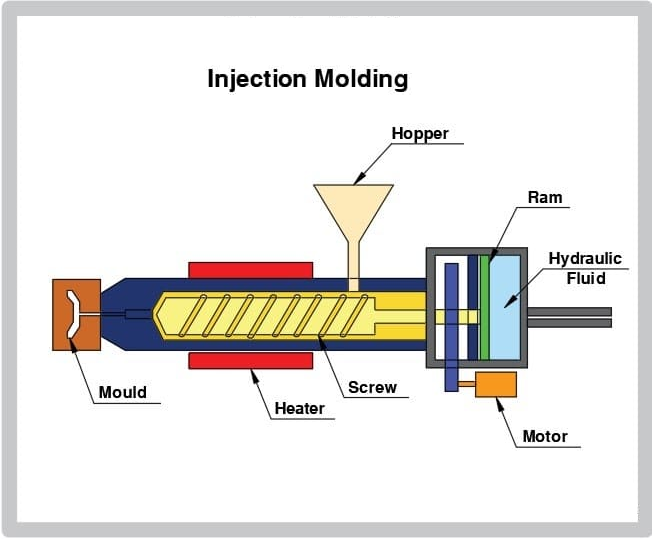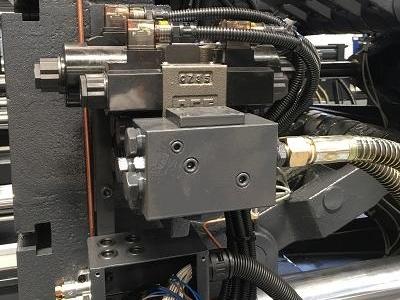
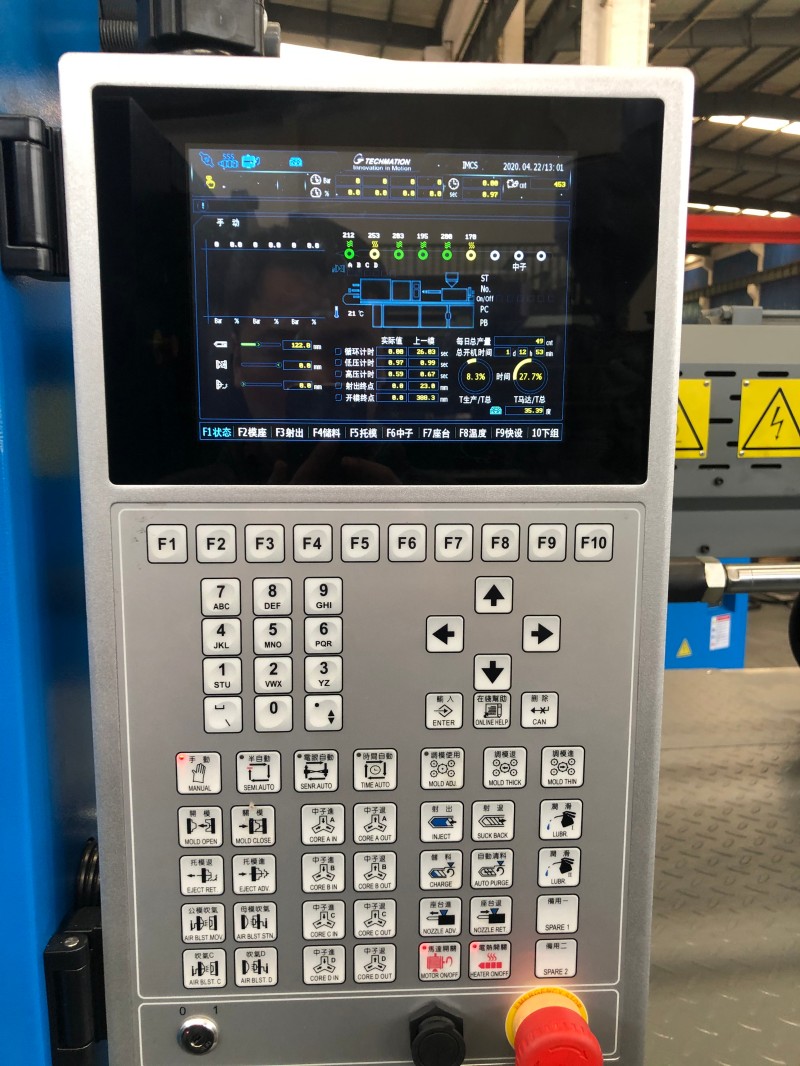
The heart of the PLC control system is the motherboard. It undertakes processing and execution of different control tasks meant for achieving efficient as well as stable operations from the machine. Generally, it houses several functional modules that may include central processing unit (CPU), input and output interface (I/O), power management module, communication module among others. These work harmoniously towards realizing accurate regulation over both injection unit and clamping unit.
As the heart of the control center, its importance goes without saying. It is the brain of the whole injection molding machine.All mechanical actions as well as pressure transmission need to be calculated by it.
The motherboard of an injection molding machine is a central “brain” that governs all operations of a machine together with precision and efficiency. Its importance cannot be minimized since it has a direct bearing on performance, product quality.
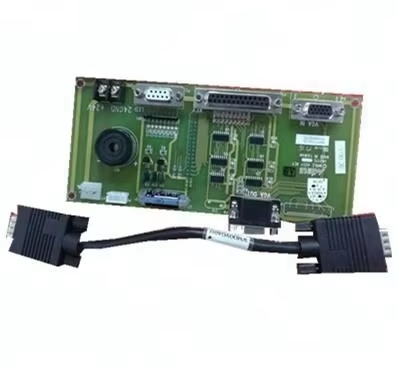
Details of the structure and function of the injection moulding machine motherboard
- Core Functions of the Motherboard
- Key Advantages of a Robust Motherboard
- Critical Components Managed by the Motherboard
- Consequences of Motherboard Failure
- Features of Modern Motherboards
- Industry Applications
- Maintenance Best Practices
Core Functions of the Motherboard
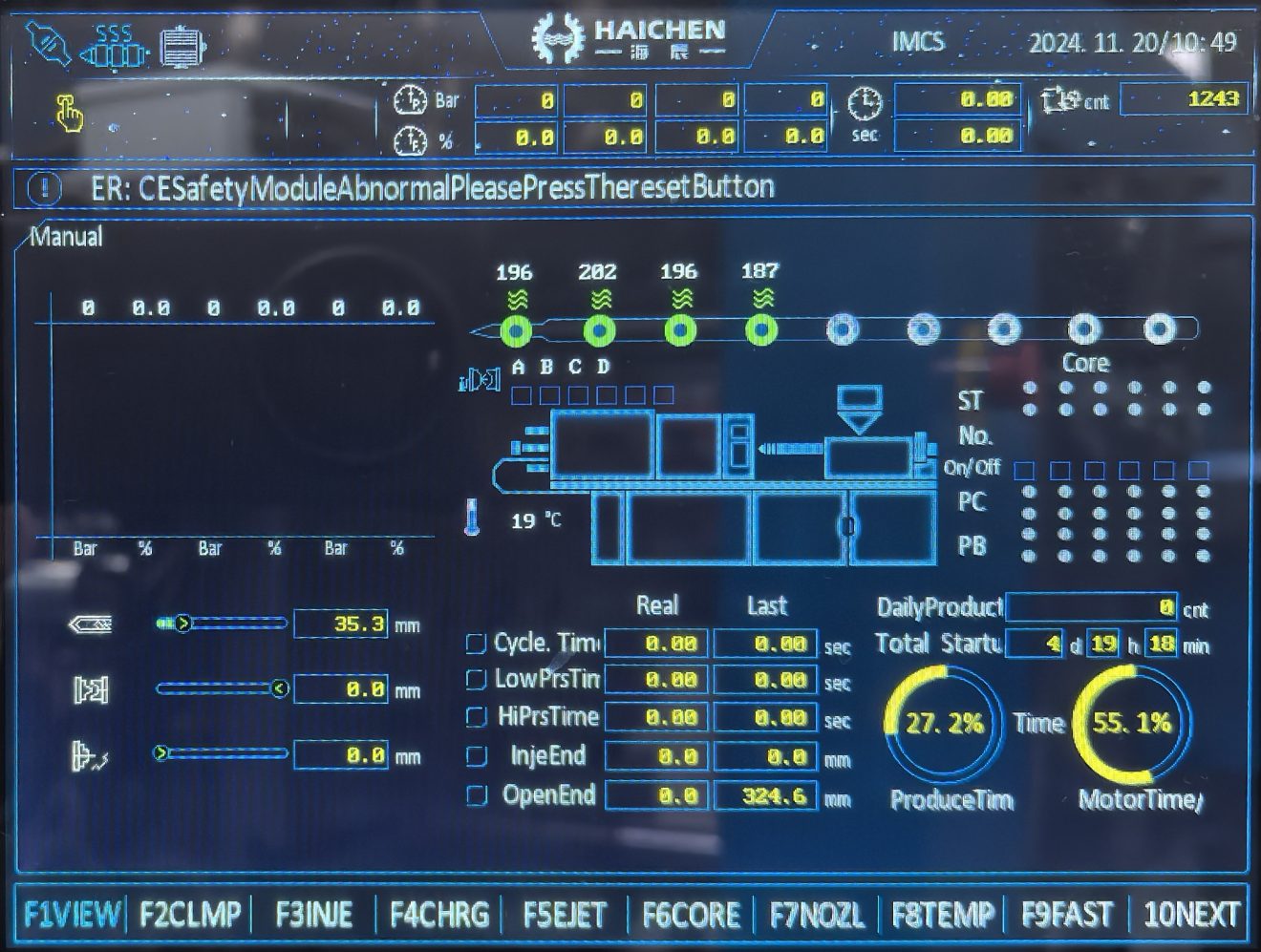
- Process Control:
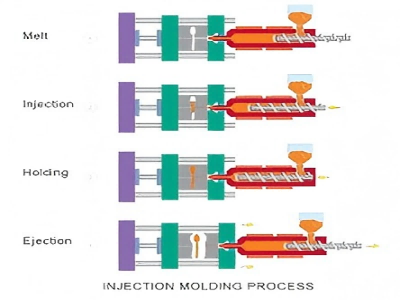
- Manages all machine operations, including clamping, injection, cooling, and ejection cycles.
- Coordinates hydraulic/pneumatic systems, heaters, and servo motors.
- Parameter Regulation:
- Precisely controls temperature, pressure, injection speed, and cooling time to ensure consistent part quality.
- Data Processing:
- Collects real-time data from sensors (e.g., thermocouples, pressure transducers) and adjusts operations dynamically.
- Safety Protocols:
- Implements safety interlocks (e.g., mold protection, emergency stops) to prevent accidents or equipment damage.
Key Advantages of a Robust Motherboard
Precision and Consistency
- Ensures repeatable cycles by maintaining tight tolerances (±0.005 inches) for critical parameters.
- Reduces defects like sink marks, flash, or short shots caused by process variability.
Automation and Efficiency
- Enables full automation of the injection molding process, reducing reliance on manual intervention.
- Optimizes energy use (e.g., servo motor control) to lower operational costs.
Real-Time Monitoring and Diagnostics
- Provides live feedback on machine performance (e.g., pressure spikes, temperature deviations).
- Facilitates predictive maintenance by logging error codes and wear patterns.
Flexibility and Adaptability
- Supports programmable recipes for different molds/materials, enabling quick changeovers.
- Upgradable firmware allows integration with new technologies (e.g., IoT, Industry 4.0 systems).
Integration with External Systems
- Connects to SCADA, MES, or ERP systems for centralized production monitoring and data analytics.
- Enables remote troubleshooting and software updates.
Critical Components Managed by the Motherboard
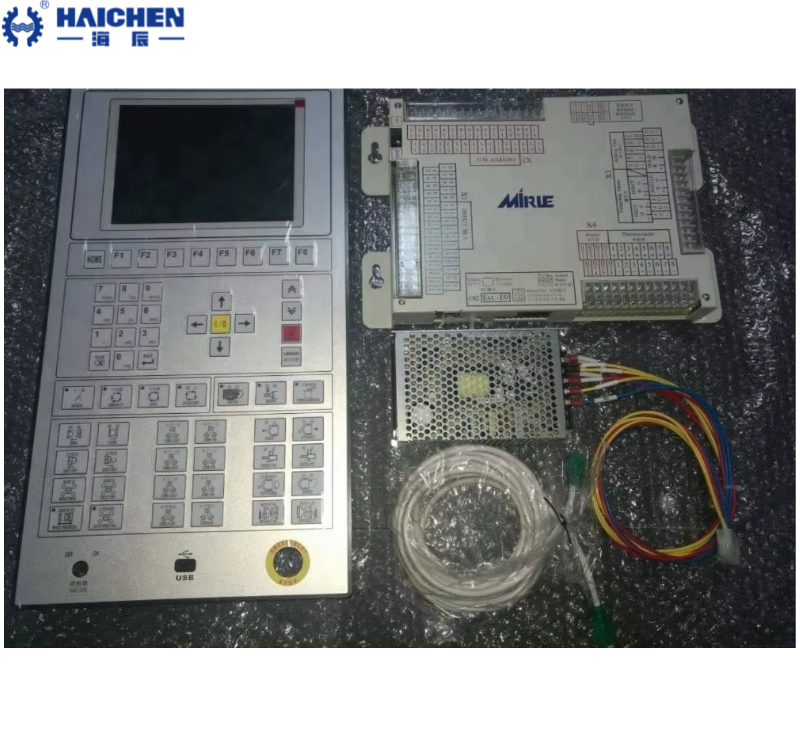
| Component | Role |
|---|---|
| Heaters | Controls barrel and nozzle temperatures to prevent material degradation. |
| Hydraulic System | Regulates clamping force and injection pressure. |
| Servo Motors | Manages screw rotation, back pressure, and ejector movements. |
| Sensors | Monitors mold position, melt temperature, and pressure. |
Consequences of Motherboard Failure
- Production Halts: A faulty motherboard can shut down the entire machine, leading to costly downtime.
- Quality Issues: Inaccurate parameter control results in defective parts and material waste.
- Safety Risks: Malfunctioning safety protocols may endanger operators or damage molds.
Features of Modern Motherboards
- Redundant Systems: Backup circuits to prevent total failure during power surges.
- User-Friendly Interfaces: Touchscreen HMIs (Human-Machine Interfaces) for intuitive operation.
- Cybersecurity: Protects against unauthorized access in networked environments.
Industry Applications
- Automotive: Ensures precision for high-strength components (e.g., connectors, dashboards).
- Medical: Maintains sterile conditions and tight tolerances for implants or syringes.
- Consumer Goods: Achieves consistent aesthetics for products like phone cases or packaging.
Maintenance Best Practices
- Regular Firmware Updates: Ensure compatibility with new molds or materials.
- Environmental Protection: Shield the motherboard from dust, humidity, and temperature extremes.
- Surge Protection: Use voltage stabilizers to prevent electrical damage.
The injection molding machine motherboard is the cornerstone of modern manufacturing, enabling precision, automation, and connectivity. Investing in a high-quality, upgradable motherboard ensures:
- Higher productivity through minimized downtime.
- Superior part quality with consistent cycles.
- Future-proofing for evolving Industry 4.0 demands.
For manufacturers, prioritizing motherboard reliability and compatibility with advanced control systems is essential for maintaining competitive efficiency and product standards.
What is motherboard of plastic injection molding machine?
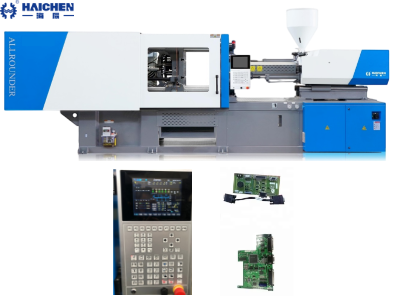
The motherboard of a plastic injection molding machine is the core component of its electrical control system, responsible for coordinating operational parameters, signal processing, and synchronization between machine components. Here’s a detailed breakdown:
- Functions of the Motherboard
- Structure and Integration with Components
- Technical Requirements
- Practical Application Examples
Functions of the Motherboard
- Control Hub: The motherboard processes commands from the operator panel (e.g., temperature, pressure, speed adjustments) and sends control signals to subsystems like the hydraulic system, heaters, and drive units.
- Critical Signal Management: For example, it ensures proper backpressure control in the injection cylinder. A faulty motherboard may disrupt backpressure signals, destabilizing the plasticizing process.
Structure and Integration with Components
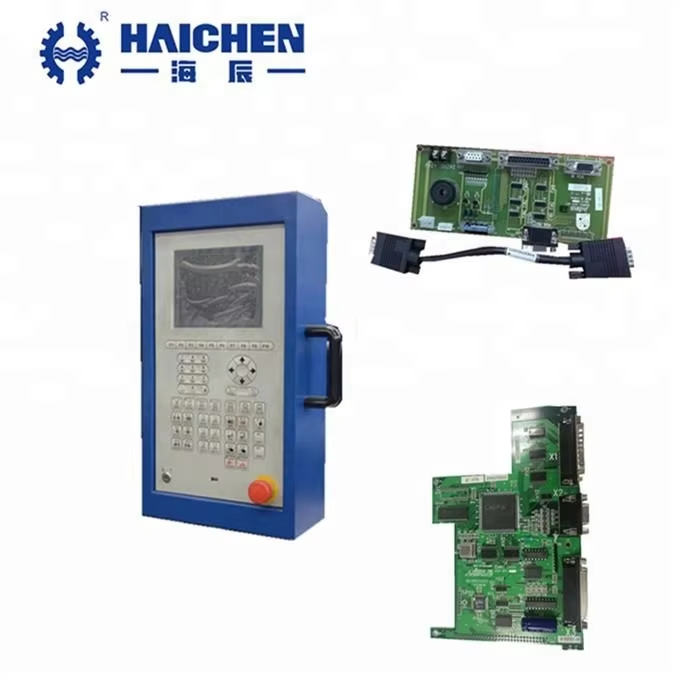
- Electrical Control: Integrated into the machine’s electrical system, the motherboard connects to sensors, solenoid valves, hydraulic pumps, and monitors parameters like mold closure, injection pressure, and cooling time.
- Operator Panel Interface: Commands input via the control panel (e.g., adjusting screw rotation or mold opening/closing speeds) are decoded and executed by the motherboard.
- Fault Diagnostics: Detects anomalies (e.g., hydraulic oil temperature exceeding safety limits) and triggers alarms or shutdowns.
Technical Requirements
Per standards like JB/T 7267, the motherboard must:
- Support multiple operating modes (manual, semi-automatic, full automatic).
- Ensure smooth motion control of mechanical components even at 25% of the hydraulic system’s rated pressure, preventing jamming or sudden impacts.
Practical Application Examples
- Auxiliary Functions: Controls auxiliary systems like air-blow valves through wiring and signal management.
Haichen plastic injection molding machine motherboard
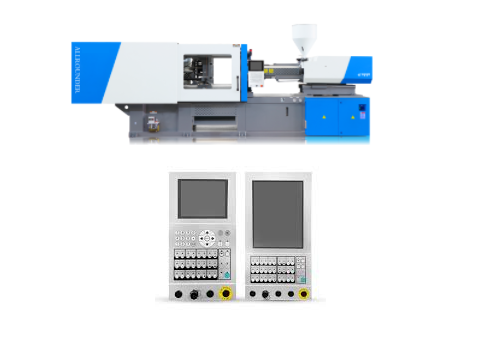
The motherboard acts as the “brain” of the injection molding machine, akin to a computer motherboard. It integrates sensor data, executes commands, and synchronizes mechanical, hydraulic, and electrical subsystems to ensure precision, efficiency, and operational safety.
Contact Haichen to get more information about injection molding machine motherboards in the Mexican market.