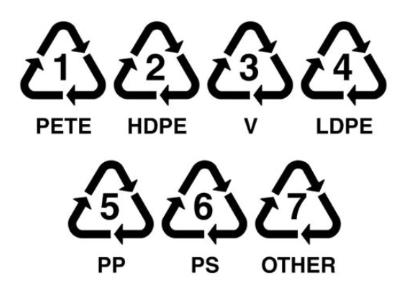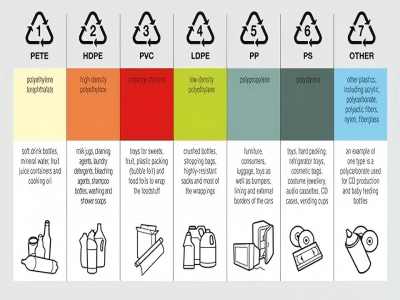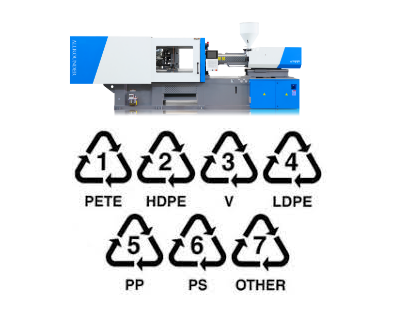
The numbers on plastic bottles represent resin identification codes (1-7) ,typically found within a triangular recycling symbol, indicate the type of plastic used, helping consumers and recycling facilities sort and process materials more effectively.
The numbers you see on plastic bottles are part of the Resin Identification Code (RIC) system, which helps identify the type of plastic used in the product.
From 1 to 7, these codes are vital to recycling as well as to environmental conservation.
Both manufacturers and consumers need to understand the importance of these codes to foster responsible manufacturing, recycling, and production.
Here, we shall discuss the significance of these numbers in relation to plastic manufacturing and recycling, paying special attention to the meanings they entail.
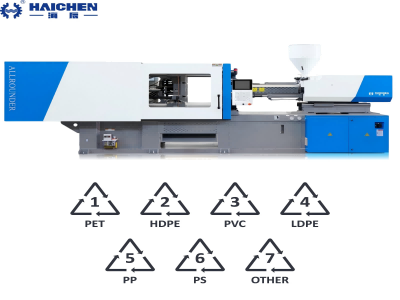
Understanding the Plastic Identification Codes (1–7)
- PET -1
- HDPE -2
- PVC -3
- LDPE -4
- PP -5
- PS-6
- OTHER -7
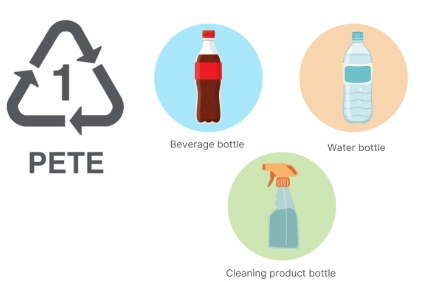
PET (Polyethylene Terephthalate)-1
- Common Uses: Prefabricated food container and drink packaging.
- Safety: Considered safe until the container is reused or exposed to over 70°C. 70°C and above, PET can release harmful chemicals such as DEHP.
- Recycling: PET is one of the high recyclables and can be made into clothes fibers and new bottles.
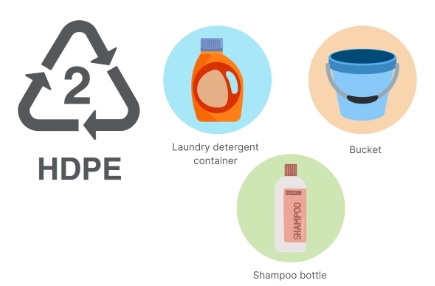
HDPE (High-Density Polyethylene)-2
Common Uses: Milk, detergent, and shampoo bottles.
Safety: More durable than PET, but can be a breeding ground for bacteria if reused without thorough cleaning.
Recycling: Used for making plastic lumber, pipes, or recycling bins.
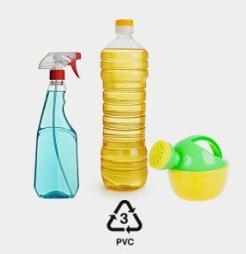
PVC (Polyvinyl Chloride)-3
Common Uses: food packaging, pipes and vinyl floors.
Safety: contains phthalates and is toxic if heated. Phthalates are also toxic and should not be used for food.
Recycling: due to their toxic additives, they are seldom recycled.
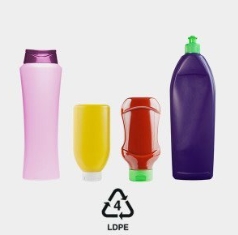
LDPE (Low-Density Polyethylene)-4
Common Uses: Grocery bags and cling wraps.
Safety: Generally safe but not microwave-safe, melts above 110°C.
Recycling: Used for making compost bins and shipping envelopes.
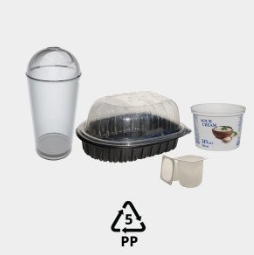
PP (Polypropylene)-5
Common Uses: Preserved food containers, yogurt containers, and bottle caps.
Safety: the most reliable for hot liquids and microwaving, safe up to 167°C.
Recycling: Used to make auto parts and storage bins.
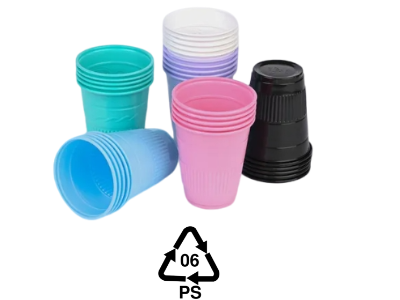
PS (Polystyrene)-6
Common Uses: Disposable cups, takeout containers, packing peanuts.
Safety: Can leach styrene, a possible carcinogen, when heated57.
Recycling: Difficult to recycle; often ends up in landfills.
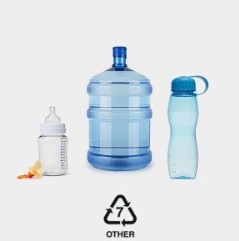
OTHER (Including PC, PLA, and Bioplastics)-7
Common Uses: Baby bottles, reusable water bottles, medical devices.
Safety: Some (like PLA) are biodegradable, while others (like PC) may contain BPA810.
Recycling: Varies by material—check local recycling guidelines.
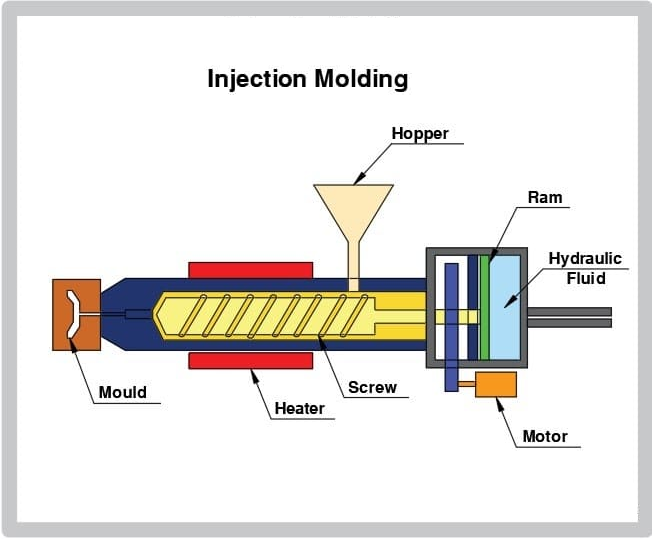
Why Does This Matter to Injection Molding Manufacturers?
Choosing Materials and Optimizing Procedures
- Differences in Flowability: To improve the flow of PET, high pressure must be utilized, while HDPE flows easily and needs overflow control.
- Thermal Stability: PVC and PET have strict temperatures that must be maintained to avoid decomposing.
- Controlling Shrinkage: Both PP and HDPE require high pressure during cooling in order to maintain the shape.
Main Considerations in Mold Construction
- Gate Specifications: PVC requires a large nozzle ≥ 6mm, while PET can use hot runner molds.
- Vents: PVC mold vent holes should be ≤0.03mm and PP needs less bubble formation and thus, stronger bubble burst prevention.
Compliance and Safety
- FDA Standards: No. 5 PP and No. 1 PET have FDA requirements for food contact compliance.
- Banned Materials: Do not use food containers made of PVC (No. 3) and PC (No. 7).
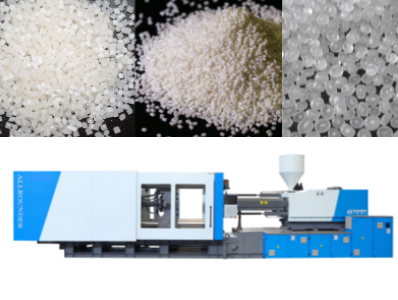
Why Proper Plastic Manufacturing Matters
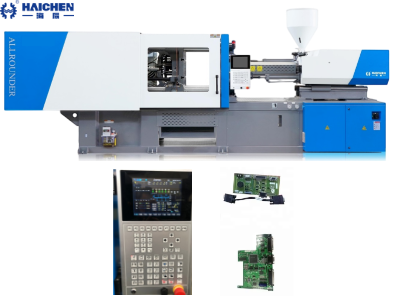
Personnel in charge of quality and safety of the products is on HAICHEN injection molding machines, leaders in the industry. Their focus is strict adherence to product safety and precision. For food grade PP and PET, our servo injection molding machines optimize production while reducing waste. This is especially important for high hygiene sectors like bottled water and packaging.
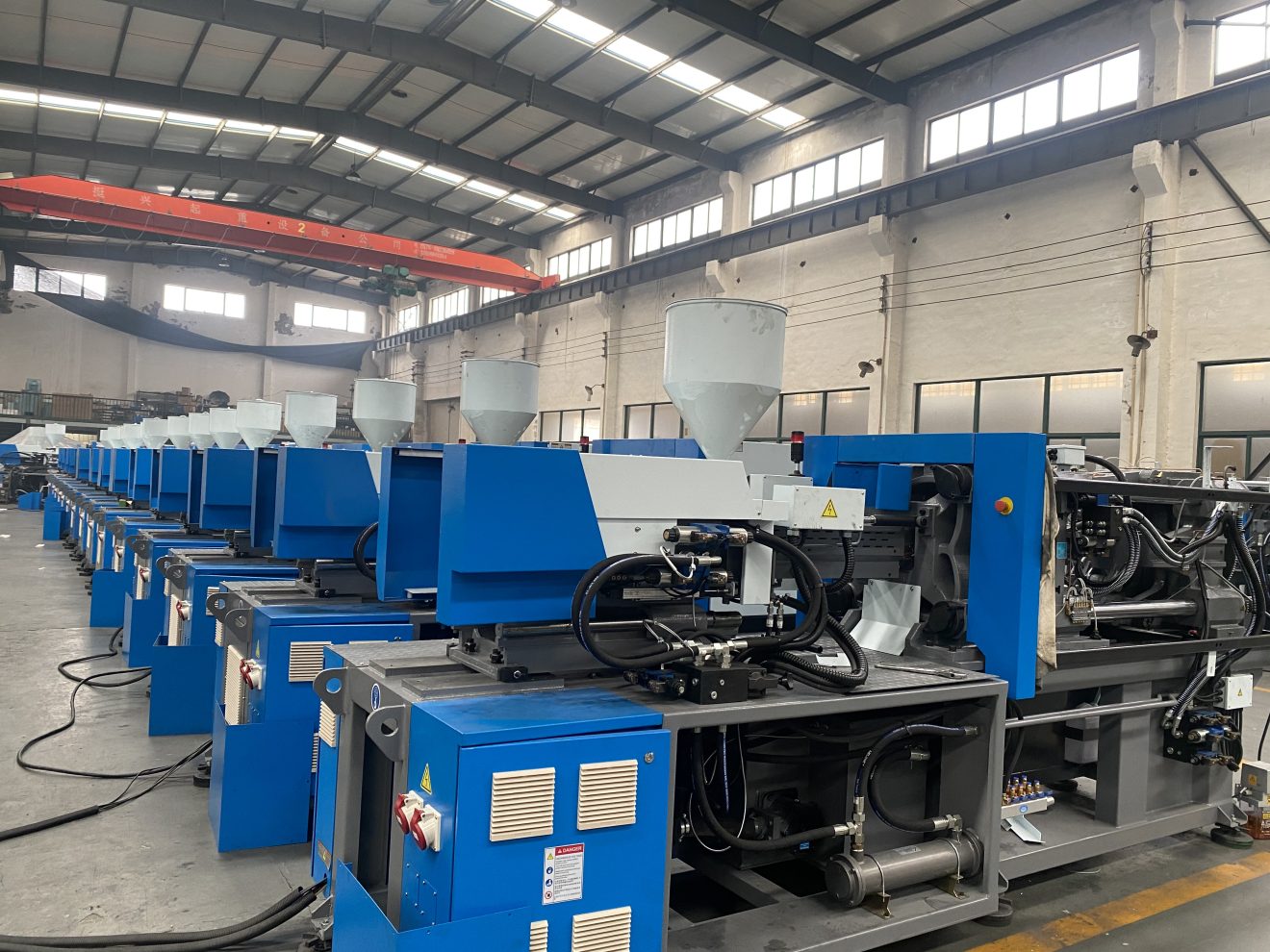
Expanding into Thailand’s Growing Market
There is an increasing need for high quality plastic products in Thailand, especially in food and consumer goods packaging36. HAICHEN helps Thai manufacturers to produce high quality plastic containers with our energy-saving HCK series machines. These containers can be safely and durably patented to internationally accepted standards. Our technology for manufacturing PET preforms or PP food containers guarantees compliance with safety regulations, helping brands avoid harmful plastics such as PVC and PS.
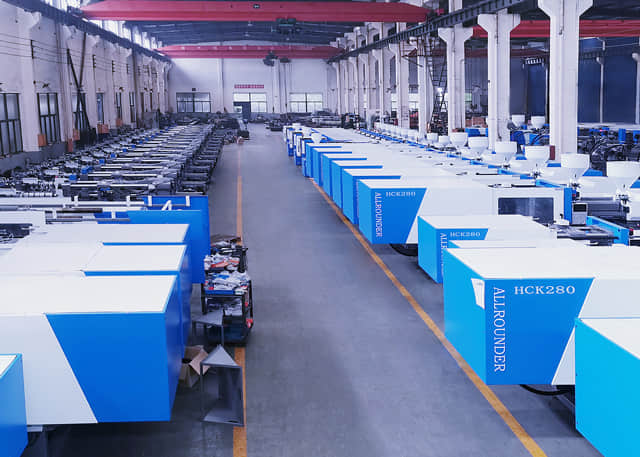
Knowing the numbers in plastic bottles indicates the levels of safety and recyclability of the material. Consumers are provided with enough information to make the right choices while manufacturers are compelled to responsible production. HAICHEN melds sustainable practices with state-of-the-art injection mold technology to provide high-quality plastic products in Thailand and other markets that need advanced safety standards for their packaging.