Plastic bottle No guide distinguishes different plastic materials types, identify and classfity plastic products, etc.
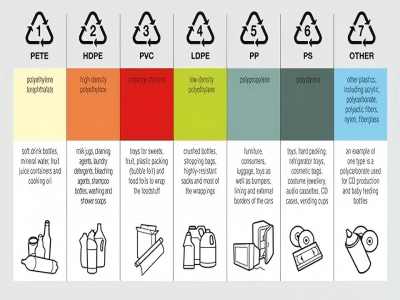
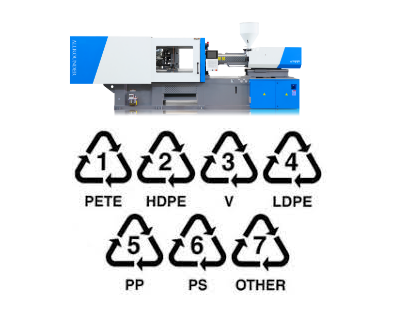
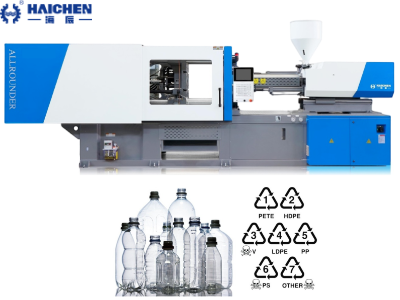
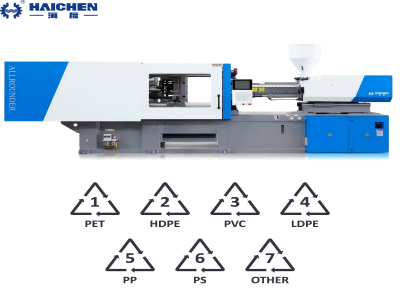
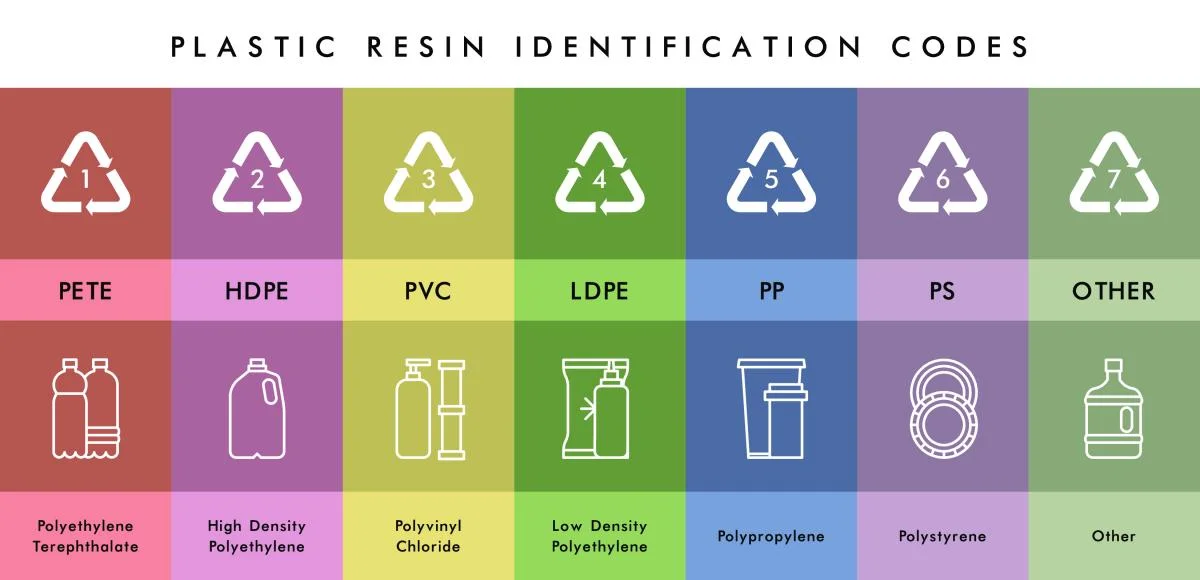
The number at the bottom of a plastic bottle is called the Resin Identification Code, developed by the American Plastics Industry Association (SPI) in 1988 to identify and distinguish different types of plastic materials. These numbers range from 1 to 7, each representing a specific type of polymer.
The digital identifier at the bottom of plastic bottles (usually a triangle with embedded numbers) is an important tool used to distinguish different types of plastic materials and help consumers identify and classify plastic products. These numbers range from 1 to 7, corresponding to different types of plastics and their uses.
The following are common plastic bottle numbers and their meanings:
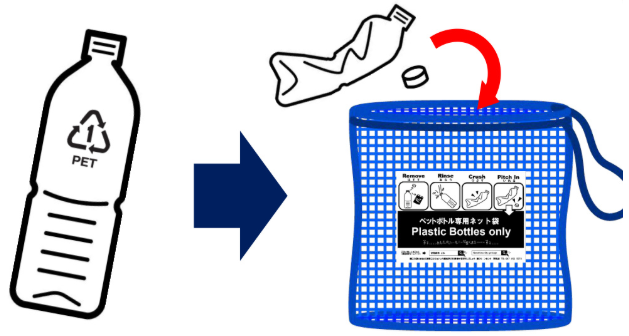
PET (polyethylene terephthalate) Number: 1
PET commonly uses in mineral plastic water bottles and carbonated beverage bottles, with limited heat resistance, may deform and release harmful substances at high temperatures.
Common uses: mineral water bottles, carbonated beverage bottles, juice bottles, etc. This material has poor heat resistance and is prone to deformation and release harmful substances when the temperature exceeds 70 ℃. Therefore, it is not recommended for storing high-temperature liquids or long-term repeated use.
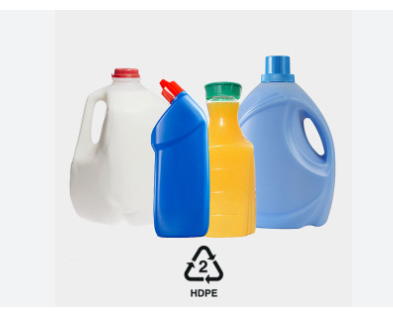
HDPE (high-density polyethylene) Number: 2
Common uses: milk buckets, detergent bottles, large water buckets, etc. This material has strong corrosion resistance and is suitable for storing cleaning supplies and food packaging.
HDPE commonly uses in cleaning product containers and food packaging, with high temperature resistance up to 110 ℃, suitable for holding hot drinks.
PVC (polyvinyl chloride)Number: 3
Common uses: conduit, wire and cable sheath, toys, etc. PVC materials may contain harmful chemicals, so caution should exercise when using them.
PVC uses for raincoats, plastic boxes, etc. But its plasticizers and unpolymerized vinyl chloride may be harmful to the human body. And it should avoid for heating use.
LDPE (Low Density Polyethylene) Number: 4
Common uses: food packaging bags, plastic films, garbage bags, etc. This material is soft and durable, but not suitable for contact with grease or high temperatures.
LDPE usually uses for cling film and food packaging bags, with poor heat resistance.
PP (polypropylene) Number: 5
Common uses: microwave oven specific container, yogurt cup, plastic lid, etc. PP material has good heat resistance and is suitable for microwave heating, but it is not suitable for long-term storage of oily foods.
PP uses in microwave oven containers commonly. It with good heat resistance and suitable for heating use.
PS (polystyrene) Number: 6
Common uses: foam plastic, disposable tableware, transparent discs, etc. This material is fragile and may release harmful substances at high temperatures. So it doesn’t recommended for holding hot drinks.
PS uses in bowl shaped instant noodle boxes commonly, which with poor heat resistance.
PC (polycarbonate) Number: 7
Common uses: Various composite materials, such as PC (polycarbonate), etc. This type of material usually uses for baby bottles, eyeglass lenses, etc., But it should pay caution to its safety
commonly found in water bottles and cups, but may release BPA and pose potential health risks.
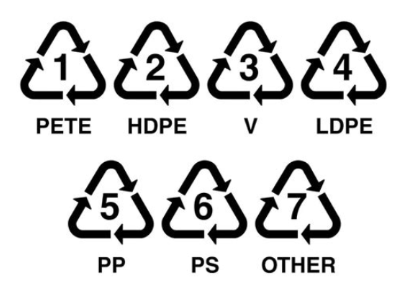
It should note that although these digital labels can help consumers identify the type of plastic. But they do not represent the safety or quality of the product. For example, although PET material commonly uses in mineral water bottles. And its heat resistance and safety are limited. So it doesn’t recommend to use it repeatedly for a long time.