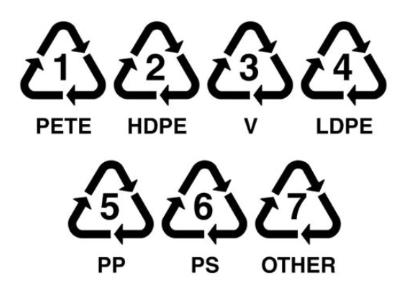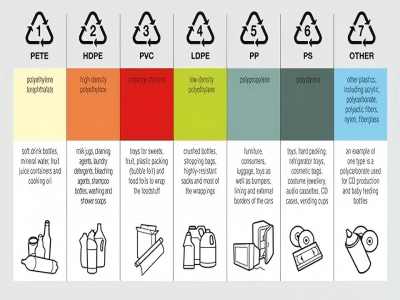
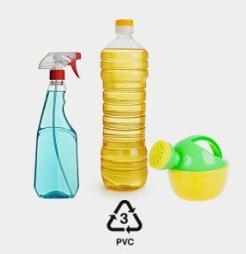
The information number on the bottom of the plastic bottle includes the Resin Identification Code (RIC), which is generally enclosed in a signal of a triangle, with the figures 1 to 7 portraying the different plastic materials.That way, the user can be aware about its kind and recycle the bottle in a proper way.
Identification of these numbers does not concern recycling only; it also guarantees the safe reuse of the material. For example, a PET bottle labeled with a ‘1’ means that the bottle cannot be used to bear hot water since it may leach toxic substances. Essentially, just 1 and 2 are usually recyclable and need to be cleaned.
Even though the intention behind establishing resin identification codes was for recycling to be easy, the actual situation regarding recycling changes and local directives need to be referred to.
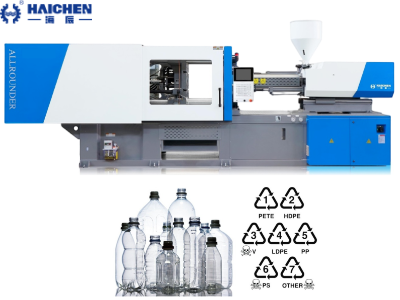
Haichen take this as an example#2 HDPE number on the bottom of plastic bottle
To identify the #2 HDPE (High-Density Polyethylene) symbol on a plastic bottle, follow these steps:
- Flip the Bottle Over: Check the bottom for the recycling symbol. Manufacturers often emboss or print it there, though some containers show it on the side.
- Look for a Triangular Symbol with the Number 2:
- Find the ♻ (chasing arrows) triangle.
- Confirm the number 2 sits inside the triangle. This marks HDPE under the Resin Identification Code (RIC).
- Check for “HDPE” Text: Many HDPE products (e.g., shampoo bottles, detergent containers) add the letters HDPE near the triangle, but not all do.
- Note the Material’s Features:
- HDPE plastics often feel thick and sturdy (e.g., milk jugs).
- They’re usually opaque or semi-translucent, not fully clear.
- They resist chemicals and tolerate heat up to 110°C (230°F), making them common for food storage and cleaning products.
- Avoid Mix-Ups with Other Codes:
- #1 (PET): Clear, thin bottles (water/soda).
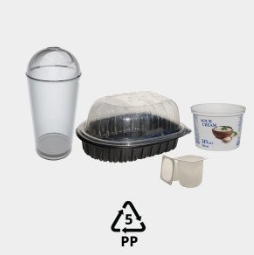
- #5 (PP): Heat-safe tubs (yogurt, microwave dishes).
- #3 (PVC), #6 (PS), #7 (Other): Less recyclable or risky plastics.
- Follow Industry Standards: The SPI (Society of the Plastics Industry) requires clear ♻2 labeling for HDPE, often with “HDPE” text.
Key Tips:
- If the bottle lacks a symbol, avoid reusing it for food or hot liquids.
- Recycling rules vary, but ♻2 universally identifies HDPE. Check local guidelines for disposal.
What do the numbers on the bottom of plastic bottles mean?
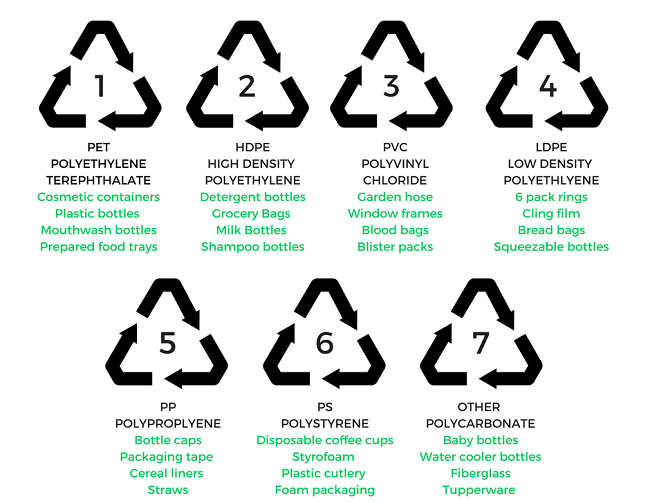
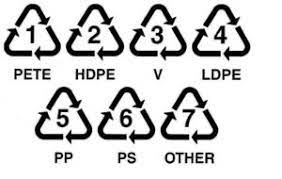
The number on the bottom of the plastic bottle (typically 1–7) are part of an international plastic resin identification coding system. These codes help identify the type of plastic used, guide proper usage, and facilitate recycling. Here’s a breakdown of each number and its significance:
- #1 – PET/PETE
- #2 – HDPE
- #3 – PVC
- #4 – LDPE
- #5 – PP
- #6 – PS
- #7 – OTHER
#1 – PET/PETE
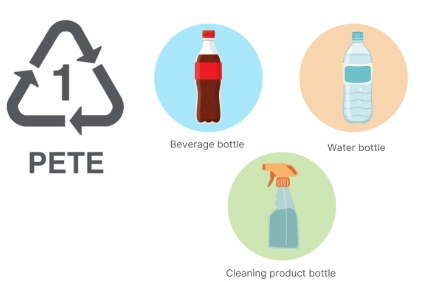
- Material: Polyethylene Terephthalate (PET).
- Common Uses: Single-use water bottles, soda bottles, and food packaging.
- Safety Notes: Poor heat resistance (≤70°C/158°F). High temperatures may cause it to deform or release harmful substances (e.g., phthalates). Not recommended for reuse or hot liquids. Discard after single use.
#2 – HDPE
- Material: High-Density Polyethylene (HDPE).
- Common Uses: Milk jugs, detergent bottles, shampoo containers, and some food packaging.
- Safety Notes: Heat-resistant up to 110°C (230°F). Safe for reuse if cleaned thoroughly to avoid bacterial growth.
#3 – PVC
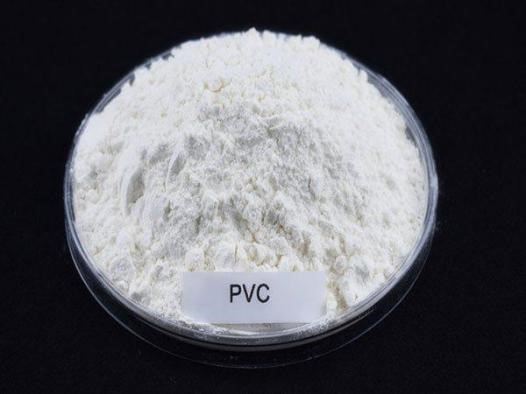
- Material: Polyvinyl Chloride (PVC).
- Common Uses: Plumbing pipes, cling films, toys, and non-food packaging.
- Safety Notes: Contains plasticizers and unbound vinyl chloride, which may release carcinogens when heated. Avoid food contact or heating.
#4 – LDPE
- Material: Low-Density Polyethylene (LDPE).
- Common Uses: Grocery bags, squeeze bottles, and food wraps.
- Safety Notes: Low heat resistance. Remove LDPE wraps before microwaving food to avoid chemical leaching.
#5 – PP
- Material: Polypropylene (PP).
- Common Uses: Microwave-safe containers, yogurt tubs, reusable food storage, and baby bottles.
- Safety Notes: Heat-resistant up to 130°C (266°F). Considered one of the safest plastics for food and drink.
#6 – PS
- Material: Polystyrene (PS).
- Common Uses: Disposable foam cups, takeout containers, and packing materials.
- Safety Notes: Releases styrene (a possible carcinogen) when heated or in contact with oily foods. Never microwave.
#7 – OTHER
- Material: Includes polycarbonate (PC), ABS, and mixed plastics.
- Common Uses: Baby bottles, reusable water bottles, and electronics.
- Safety Notes: Some #7 plastics (e.g., PC) may contain Bisphenol A (BPA), an endocrine disruptor. Avoid heating or prolonged use.
Key Takeaways:
- Recycling: These codes help recycling facilities sort plastics efficiently. Always check local recycling guidelines.
- Safety:
- Prioritize containers labeled #5 (PP) or #2 (HDPE) for food storage.
- Avoid heating plastics labeled #1, #3, #6, and some #7.
- Replace old or scratched plastic containers to minimize chemical leaching.
- Regulations: In China, the National Standard for Plastic Packaging Recycling Labels (GB 4806.7-2016) regulates safety and labeling requirements.
What number on bottom of plastic is safe?
✅ Safe Plastic Numbers (Food Contact, Lower Risk)
- #1 (PET/PETE)
- Used in water bottles, beverage bottles, etc. Poor heat resistance (max 70°C/158°F). Recommended for single use; avoid refilling with hot liquids.
- #2 (HDPE)
- Found in food packaging, detergent bottles, etc. Heat-resistant (up to 110°C/230°F) but hard to clean thoroughly. Not ideal for reuse.
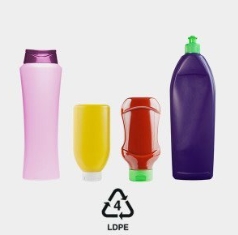
- #4 (LDPE)
- Used in cling wraps, soft packaging. Poor oil resistance. Avoid contact with heat or oily foods.
- #5 (PP)
- Safest option, suitable for microwave-safe containers, straws, etc. Heat-resistant (130°C/266°F) and reusable.
⚠️ Use with Caution
- #7 (Other)
- Includes various materials like PC (may contain BPA) and Tritan (BPA-free). Avoid heating PC plastics and check labels for specific materials.
❌ Avoid These Numbers
- #3 (PVC)
- Releases phthalates and vinyl chloride, especially when heated or in contact with fats. Not food-safe.
- #6 (PS)
- Used in disposable cutlery, foam containers. Can release styrene (a potential carcinogen) when heated. Avoid hot foods or microwaving.
📌 Key Notes
- Numbers ≠ Safety Levels: The number indicates material type, not safety. For example, some #7 plastics (e.g., Tritan) may be safer than lower-numbered types.
- Usage Conditions Matter:
- Avoid heating non-microwave-safe plastics (e.g., don’t pour boiling water into #1 PET bottles).
- Don’t reuse single-use plastics (e.g., #1 beverage bottles).
- For Children: Choose #5 (PP) or BPA-free #7 plastics (e.g., Tritan); avoid PC plastics.
🌱 Eco-Friendly Tips
- Reduce single-use plastics; opt for glass, stainless steel, or silicone.
- Recycle properly (check local rules for #1-7 plastics).
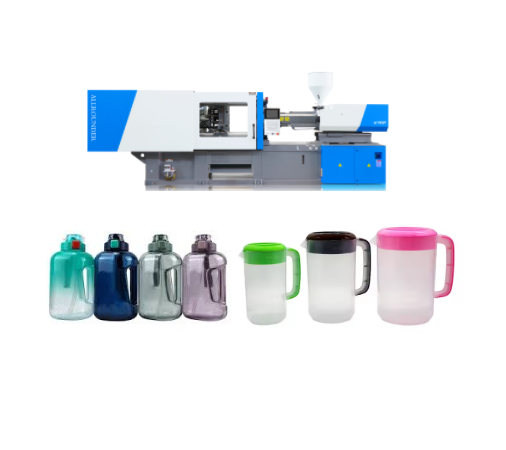
Haichen injection molding machine summarizes many years of practical experience for you, number on the bottom of the plastic bottle prioritize #1, 2, 4, 5 plastics for daily use, follow temperature limits, avoid #3 and #6, and verify #7 plastics’ specific materials.