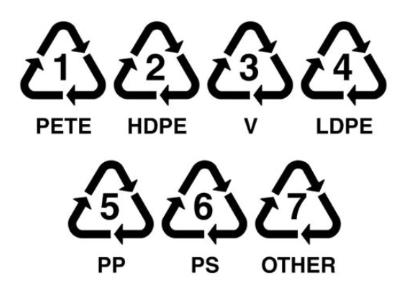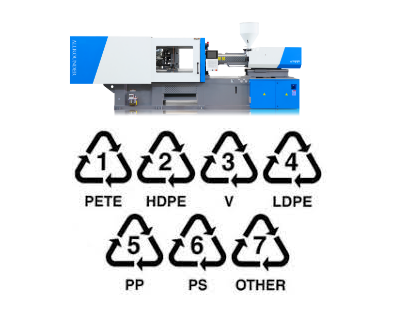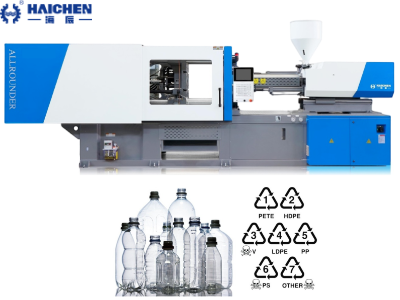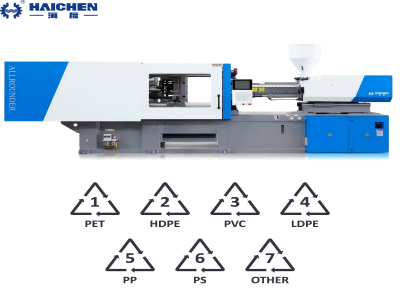
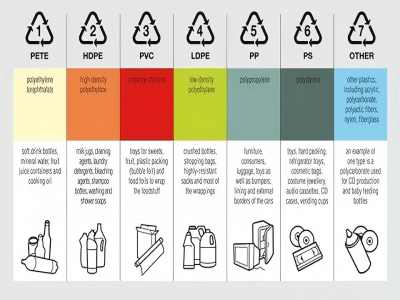
Number 1, 2, 4 , 5 is the safe number on bottle of plastic bottle. The numbers on the bottom of plastic bottles are usually used to identify the type of material they are made of, these numbers range from 1 to 7 and represent the different types of plastic and their safety.
The numbers you see on the bottom of plastic bottles are part of the Resin Identification Code (RIC) system. These numbers (ranging from 1 to 7) help identify the type of plastic used to make the container. Here’s a breakdown of what each number means and their general safety considerations:
The Number on bottom of plastic bottle
Number 1:
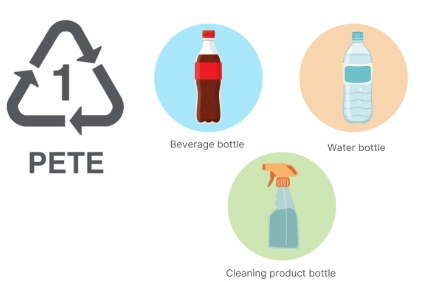
PET (polyethylene terephthalate), which is commonly used for mineral water bottles, carbonated beverage bottles, and so on. This material is suitable for cold or warm drinks, but not for high-temperature liquids or repeated use, as it may release harmful substances
The material is suitable for cold or warm drinks, but not for high-temperature liquids or repeated use, as it may release harmful substances.
Number 2:
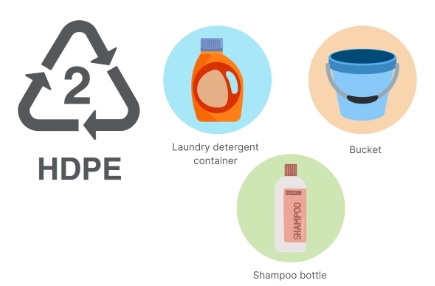
HDPE (High Density Polyethylene), commonly used for milk bottles, detergent bottles, and so on. This material is heat resistant and suitable for repeated use, but is not recommended for storing oils or detergents.
Number 3:
PVC (polyvinyl chloride), commonly found in plastic film and tubing. This material can release harmful substances at high temperatures and is therefore not recommended for food packaging.
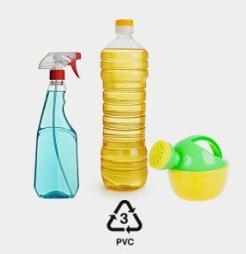
Number 4:
LDPE (Low Density Polyethylene), commonly used in food packaging bags and cling film. This material is safe and reusable.
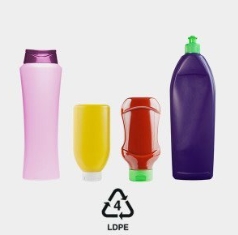
Number 5:
PP (polypropylene), commonly used in microwave containers and milk bottles. This material is heat-resistant and non-toxic, making it suitable for reuse.
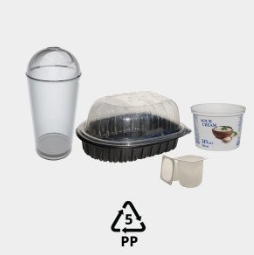
Number 6 of numbers on the bottom:
PS (polystyrene), commonly used in disposable tableware and toys.
Number 7 of numbers on the bottom:
Other types of plastics, usually containing a mixture of polymers. This material is less recyclable and may pose health risks.
What number on bottom of plastic bottle is safe
Safest numbers on the bottom of bottle for Food & Drink:
#1 – PET (Polyethylene Terephthalate)
Used for most water & soda bottles.
Safe for single-use only (not recommended for reuse or heating).
#2 – HDPE (High-Density Polyethylene)
Used for milk jugs, detergent bottles, and some reusable containers.
Safe, stable, and recyclable.
#4 – LDPE (Low-Density Polyethylene)
Used for some squeeze bottles and plastic bags.
Generally safe but less commonly used for bottles.
#5 – PP (Polypropylene)
Used for yogurt cups, medicine bottles, and reusable food containers.
Heat-resistant and safe for food & drink.
Which Number numbers on the bottom of Plastic Bottles Are Safe to Drinking Water From?
When it comes to water bottles, both single-use and reusable options are made from different types of plastics, prioritizing user health and functionality. Let’s delve into the specific materials involved.
Disposable Water Bottles: #1 PET (Polyethylene Terephthalate)
Polyethylene Terephthalate (PET), categorized as #1 plastic. Among the numbers of plastic, this reigns supreme for disposable water bottles. This preference stems from several key advantages:
- Superior chemical resistance: PET boasts a remarkable ability to resist chemical interactions with its contents. This translates to a lower risk of harmful chemicals leaching into your beverage compared to some alternative plastics.
- Designed for single-use: PET bottles are specifically engineered for a single lifespan. While refilling them occasionally might not pose a significant issue, extended reuse or exposure to extreme heat (like leaving them in a hot car) can potentially increase the risk of leaching.
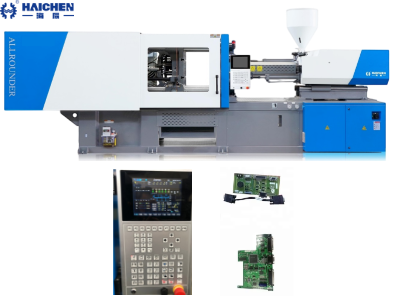
Plastic bottle injection molding machine supplier: Haichen Machinery
As an injection molding machine factory with rich experience and mature PET preform cases, Haichen’s preform machines have been exported to many countries. We have bottle preform injection molding machines from 170T to 600T specialized in making bottle preforms.
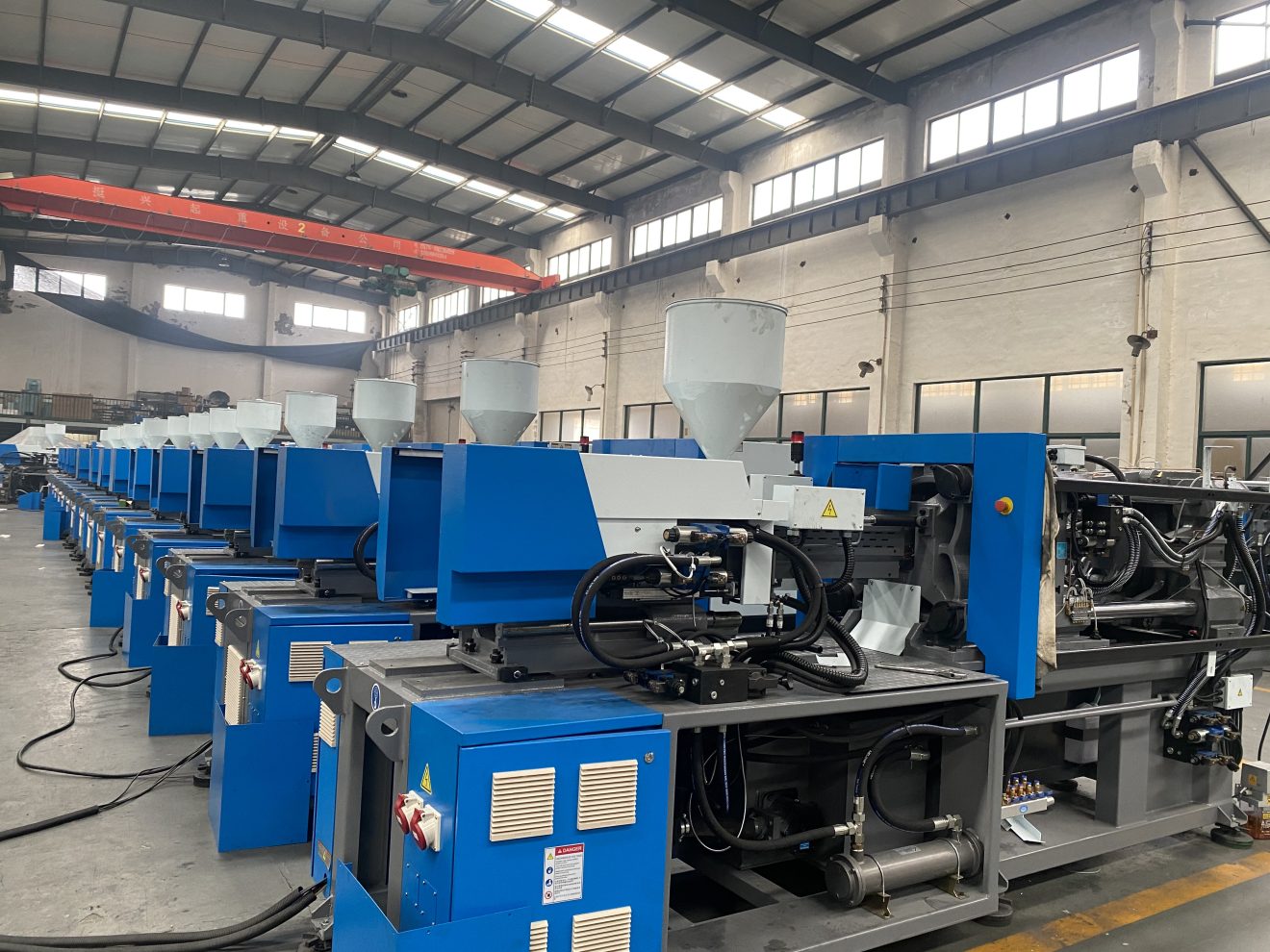
We can provide you with professional advice and solutions, including the selection of pet bottle machines and precise customization of molds. Our PET injection molding machines have helped many factories achieve success through efficient production.
If there is any demand for our pet machines, welcome to consult us.