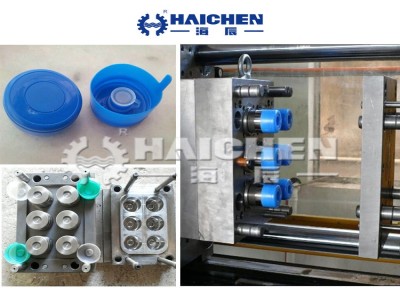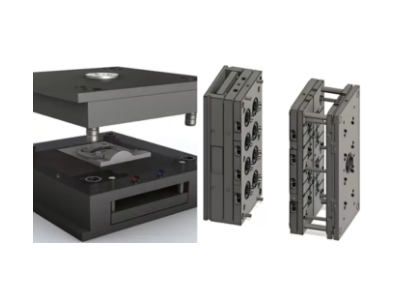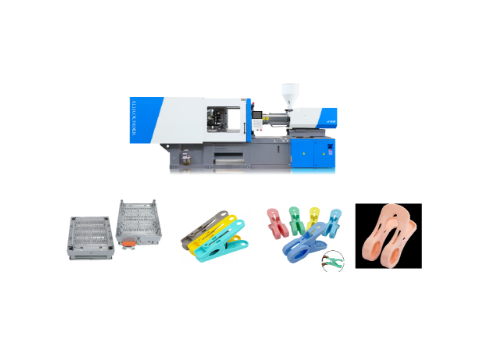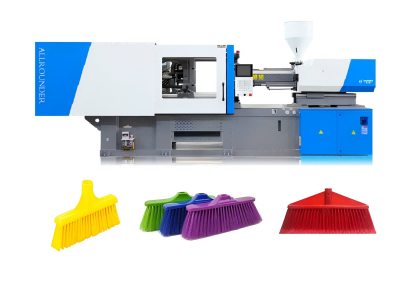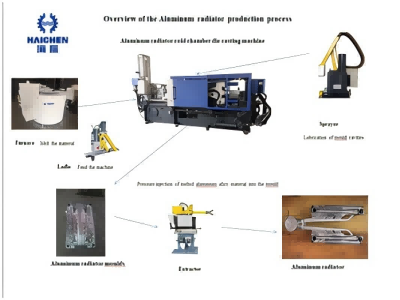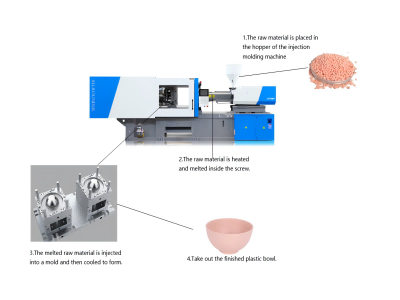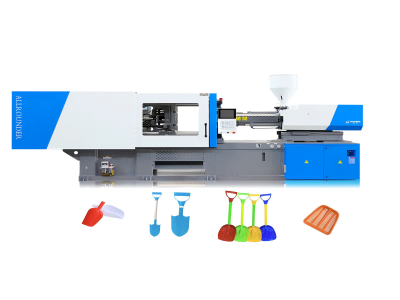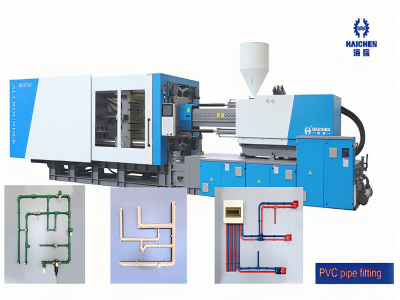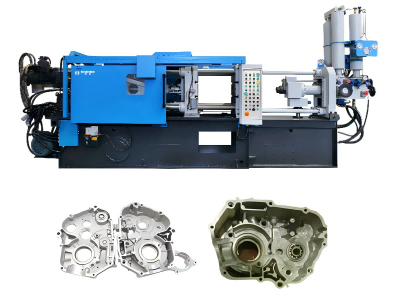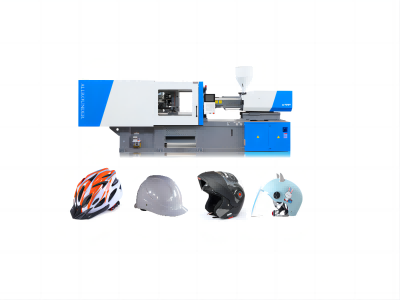
Plastic cap making machine is injection molding machine, a kind of mechanical equipment that processes plastic raw materials into bottle caps.
Its main function is to transform plastic particles into bottle caps that meet specific sizes and shapes through steps such as heating, molding and cooling.
Plastic caps types
- Screw Cap
- Snap Cap
- Welded Cap
- Flip-top Cap
- Push-Pull Cap
- Dropper Cap
- Spray Cap
- Press Top Cap
- Slide-on Cap
- Tamper-Evident Cap
- Hexagonal Cap
- Pull Ring Cap
- Diesel Fuel Nozzle Cap
- Anti-Rotation Cap
- Free-Rotation Cap
- Plastic Healing Cap
- Transfer Cap
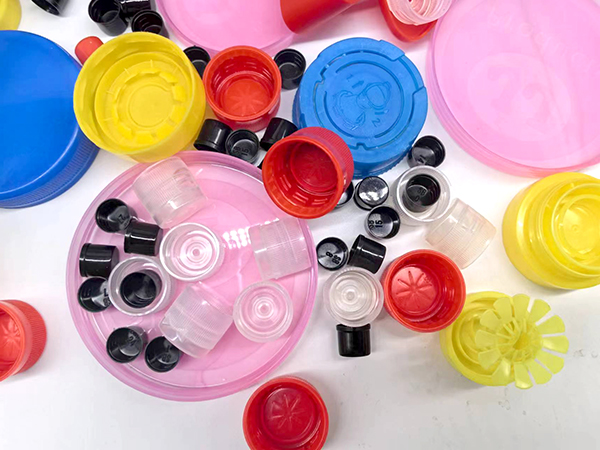
Screw Cap
It is rotatably connected to the container through a threaded structure.
When tightened, the contact between the threads can generate a large axial force to achieve the self-locking function.
This type of lid is suitable for occasions that require high-precision positioning, such as beverages, medicines and personal care products, etc.
Snap Cap
Fixed on the container through a claw-shaped structure, it is designed based on the high toughness of plastic.
During installation, the claw-shaped part will temporarily deform and then quickly return to its original shape under the elastic effect of the material, closely adhering to the container opening.
This efficient connection method is particularly popular in large-scale industrial production.
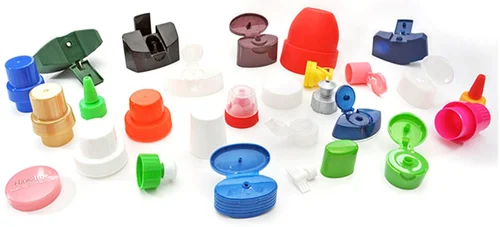
Welded Cap
By hot-melt method, the bottle mouth is directly welded to the flexible packaging.
Its structure includes welding ribs, etc.
In fact, it is a derivative of a threaded cap and a quick-release cap, only separating the liquid outlet of the container and assembling it on the cap.
Welded caps are a new type of cap after plastic flexible packaging and are widely used in the daily chemical, medical and food industries.
Flip-top Cap
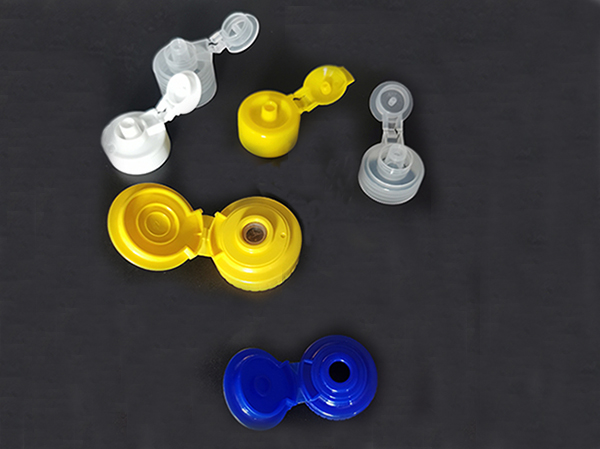
To begin with, a flip-top cap incorporates a foldable upper cover plate that connects to the main body via an integrated hinge structure.
When fastened onto the lid, this cover plate actively secures the container in a fully sealed state, effectively preventing leakage.
Conversely, opening the cover plate immediately reveals the liquid outlet.
Thereby transitioning the container into an operational open state for dispensing contents.
Furthermore, modern designs typically integrate elastic drive mechanisms within the hinge.
These components actively generate retention force to maintain the cover’s stable position after deployment.
Push-Pull Cap
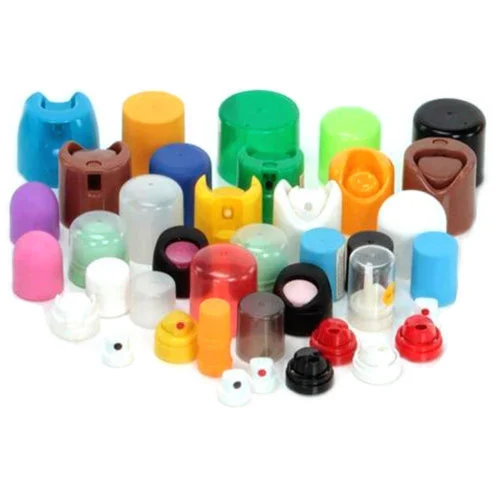
Manufacturers design this cap for simple yet multi-functional liquid distribution.
Specifically, people frequently use it in containers holding various products.
Including not only beverages and condiments but also cleaning agents along with personal care items.
Dropper Cap
This type of cap is usually used in situations where precise control of the liquid flow rate is required.
Such as medicine bottles or perfume bottles.
Spray Cap
This type of cap is designed for spraying or spraying liquids and is typically used in cosmetics or cleaning agents.
Press Top Cap
This type of cap is fixed on the container by pressing.
It has a simple design and is suitable for occasions that require rapid sealing.
Slide-on Cap
Sliding fixes this cap securely onto the container.
Consequently, its simple design makes it ideal for scenarios requiring rapid sealing.
Such as emergency operations or quick assembly lines.
Tamper-Evident Cap
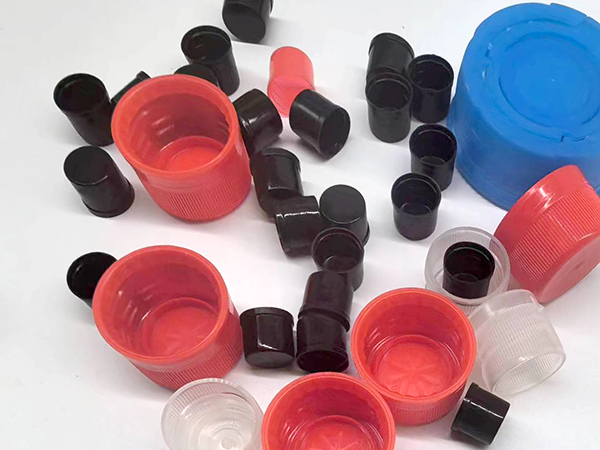
This cap actively prevents unauthorized tampering, typically via a specialized structure or material composition.
Hexagonal Cap
Engineers design this cap with a hexagonal shape, thus making it ideal for situations demanding high stability and strength.
Pull Ring Cap
For example, this cap features a pull ring with this ring securing it to the container, it is thus especially suitable for quick-opening occasions.
Diesel Fuel Nozzle Cap
This type of cap is designed for diesel fuel injectors and is typically used in industrial equipment.
Anti-Rotation Cap
This cap prevents its own rotation; consequently, engineers primarily serve it in applications requiring a fixed position.
Free-Rotation Cap
This type of cap design allows the cap to rotate freely and is suitable for applications that require flexible installation.
Plastic Healing Cap
This type of cap is designed to repair or seal pipe joints and is typically used in industrial equipment.
Transfer Cap
This type of cap is designed for transferring liquids or gases and is typically used in laboratories or industrial equipment.
Plastic materials acceptable by the Plastic Cap Making Machine
- polyethylene (PE)
- polypropylene (PP)
PE bottle caps
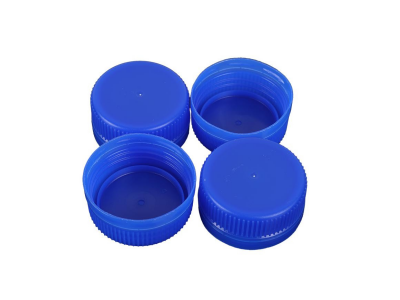
Commonly used for water and beverage bottles.
PE materials include high-pressure low-density polyethylene (LDPE) and high-density polyethylene (HDPE).
Linear low-density polyethylene (LLDPE) is typically used for mineral water bottle caps.
PP bottle caps
Suitable for packaging that requires heat resistance or chemical resistance.
PP material is mostly used for gaskets and caps of gas beverage bottles, featuring heat resistance and non-deformation.
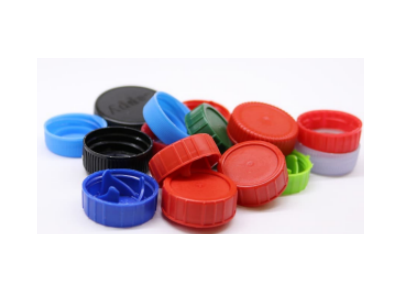
Plastic cap making machine——injection molding machine
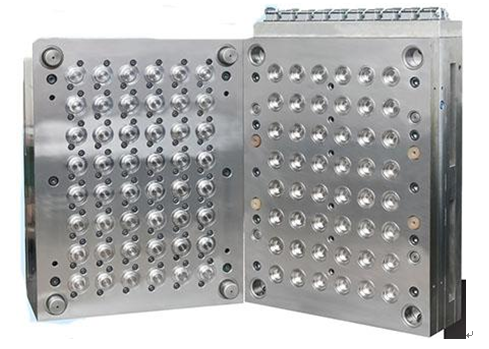
It is mainly produced using bottle cap injection molding machines.
Different bottle cap sizes and output need to be configured by different types of machines for production.
Some are standard beverage bottles with small POC28 diameters, and there are also many special wide-mouth bottle cap theatres with varying diameter requirements.
You will need to choose a different cap injection molding machine for Plastic Bottle Caps production.
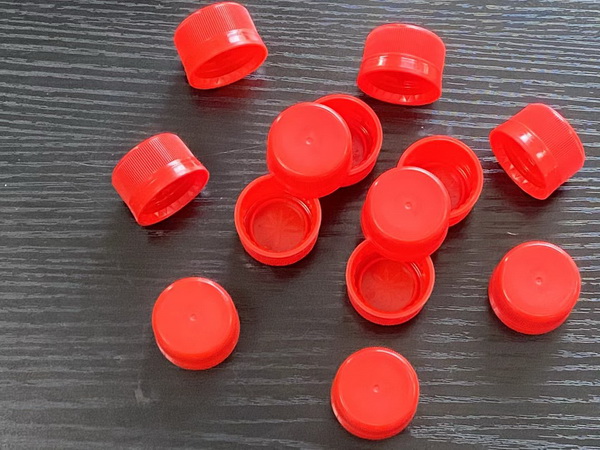
How to choose plastic cap making machine
Output
To begin with, the customer needs to specify the target production output of plastic bottle caps.
Based on this data, engineers will then calculate the optimal number of mold cavities.
Furthermore, they will determine the appropriate tonnage for the injection molding machine.
Automation and Control
Advanced automated and controlled machines offer higher efficiency and consistent output.
Bottle cap type
Ensure that the machine can handle your specific range of containers and bottle cap types.
Mold compatibility
Ensure that the machine can use the required molds for your specific lid design.
Machine size
Consider the physical size of the machine and its compatibility with the workspace.
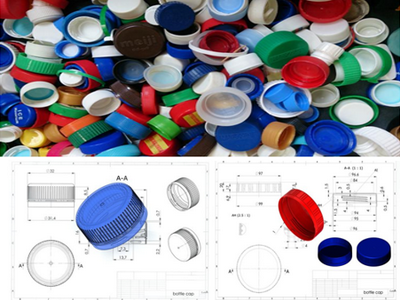
Injection molding process for plastic bottle caps
Material selection: Choose thermoplastic resins such as PP (polypropylene) or HDPE (high-density polyethylene) to ensure durability and flexibility.
Melting and injection: Plastic is melted under high pressure and injected into a custom-designed mold.
Cooling and solidification: The mold cools the plastic to form the shape of the bottle cap.
Ejection and finishing: The bottle caps are pushed out and undergo post-treatment, such as deburring and quality inspection.
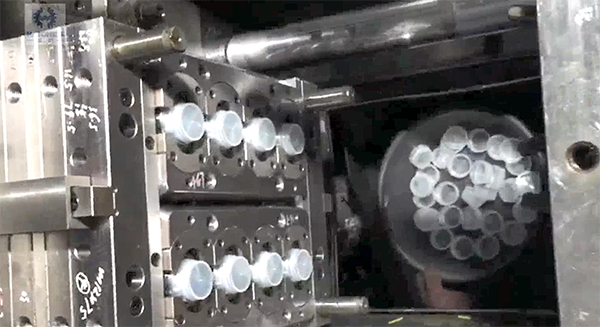
The advantages of injection molding in the manufacturing of plastic bottle caps
High-speed production: Suitable for large-scale production.
Consistent quality: Ensure uniform shape, size and durability.
Material efficiency: Minimize waste by choosing recycled plastics.
Design flexibility: Supports complex cap designs, including embossed logos and textured finishes.
Haichen plastic cap making machine
Haichen has rich experience in bottle cap injection molding production.
Thus, our fully automatic, excellent, and precise plastic bottle cap making machines efficiently fulfill your large-volume product output needs, as we are committed to providing them.
With our plastic bottle cap making machine production line.
We are able to provide a one-stop solution for the specific design of the front end of the cap product and the cutting of the anti-theft ring at the back end.