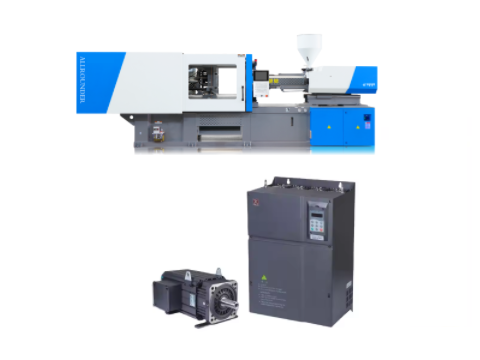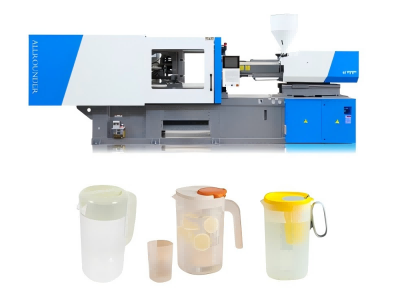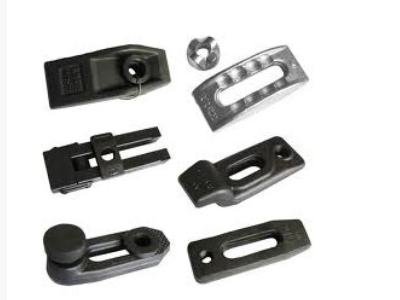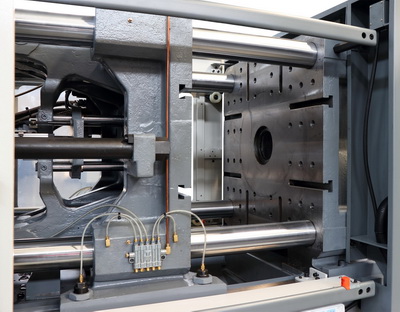
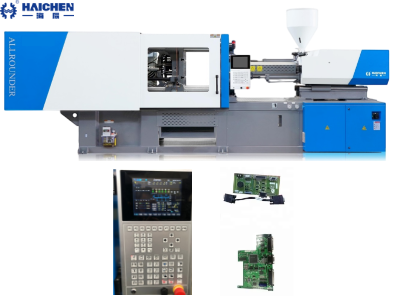
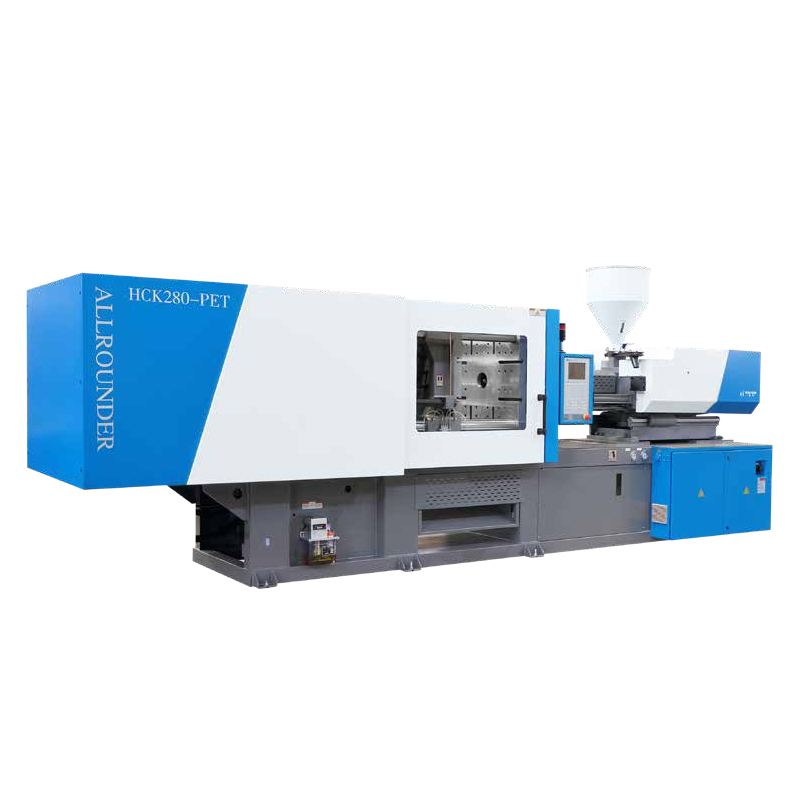
Injection molding PLC is integral in modern injection molding processes, offering significant benefits that enhance efficiency, quality, and adaptability.Haichen’s servo injection molding machine is equipped with a high-performance, programmable, multi-axis servo controller with PLC functions.
The development of traditional production machinery has gone through the stages of manual control and electric control.
These processes have gradually freed the machine from the influence of human power.
The current application of PLC technology has brought mechanized production, especially injection molding production, into a new stage. We can easily control the operation of the injection molding machine through the automatic logic adjustment of various parameters, so that the products produced maintain highly consistent quality specifications.
The use of this technology gives injection molding machinery an unparalleled advantage.
Let us analyze and explain it to you in detail below.
Key advantages of PLC injection molding technology
Below are the key advantages:
- Precision and Consistency
- Flexibility and Adaptability
- Automation and Reduced Human Error
- Real-Time Monitoring and Diagnostics
- Energy Efficiency
- Integration with Broader Systems
- Safety Enhancements
- Repeatability for Mass Production
- Data Logging and Traceability
- Robustness in Harsh Environments
Precision and Consistency
- PLCs ensure precise control over critical parameters such as temperature, pressure, injection speed, and cooling time. This precision leads to uniform product quality, essential for high-volume manufacturing where even minor deviations can result in defects.
Flexibility and Adaptability
- PLCs can be easily reprogrammed to accommodate different molds, materials, or product specifications. This flexibility minimizes downtime during production changes, allowing manufacturers to switch between product lines swiftly.
Automation and Reduced Human Error
- By automating the entire injection molding cycle (clamping, injection, cooling, ejection), PLCs reduce reliance on manual intervention, thereby lowering the risk of human error and enhancing operational efficiency.
Real-Time Monitoring and Diagnostics
- PLCs provide real-time data on machine performance, enabling operators to monitor processes and quickly identify issues like pressure drops or temperature fluctuations. Advanced diagnostics facilitate predictive maintenance, reducing unplanned downtime.
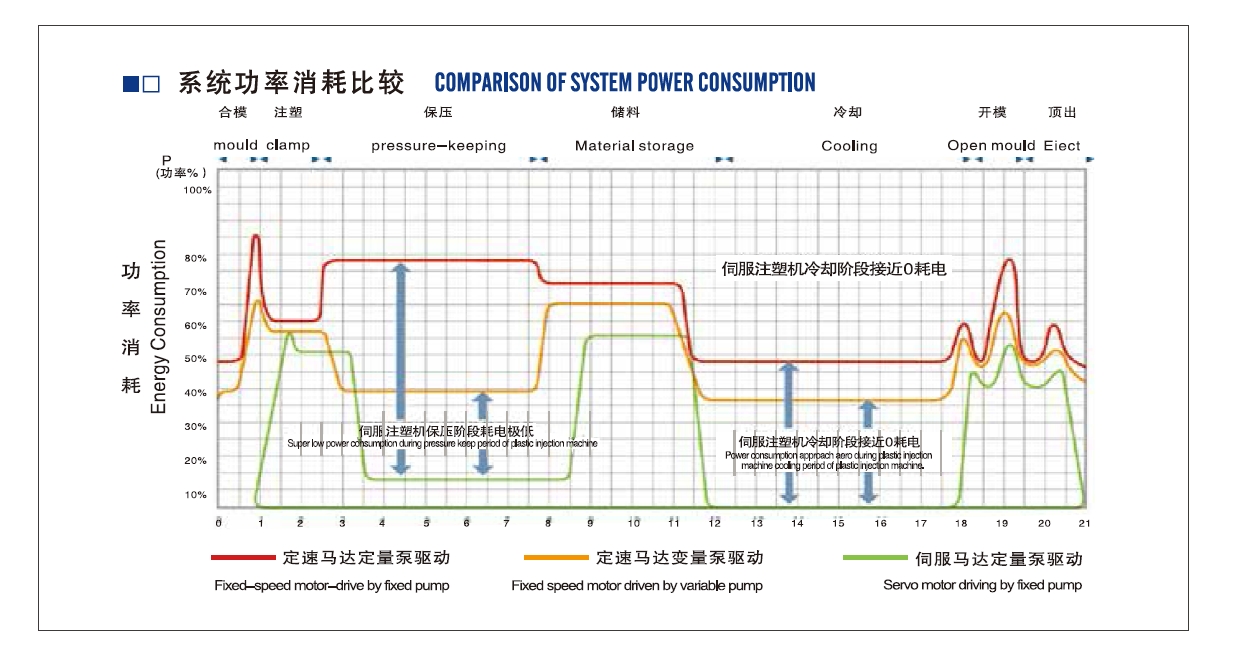
- Optimized control of machine operations (e.g., adjusting hydraulic pressure or heater usage) reduces energy consumption, aligning with sustainability goals and lowering operational costs.
Integration with Broader Systems
- PLCs seamlessly interface with SCADA, MES, and ERP systems, enabling centralized production management. This integration supports data-driven decision-making for inventory control, scheduling, and quality assurance.
Safety Enhancements
- Built-in safety protocols and interlocks (e.g., emergency stops, door sensors) protect operators and equipment, ensuring compliance with industrial safety standards.
Repeatability for Mass Production
- PLCs execute identical cycles repeatedly, ensuring consistent output even over thousands of cycles. This repeatability is critical for industries requiring strict dimensional tolerances, such as automotive or medical devices.
Data Logging and Traceability
- PLCs log process data (cycle times, defects, maintenance history), aiding in quality control audits and regulatory compliance. Historical data can also refine processes and predict equipment failures.
Robustness in Harsh Environments
- Designed to withstand industrial conditions (dust, vibrations, temperature extremes), PLCs ensure reliable performance in demanding manufacturing settings.

Example Applications
- Temperature Control: Maintaining exact melt temperatures for materials like ABS or polycarbonate.
- Cycle Synchronization: Coordinating ejector pins and mold movements to prevent jams.
- Complex Sequences: Managing multi-stage processes, such as overmolding or gas-assisted injection.
What are the 4 main components of an injection molding PLC?
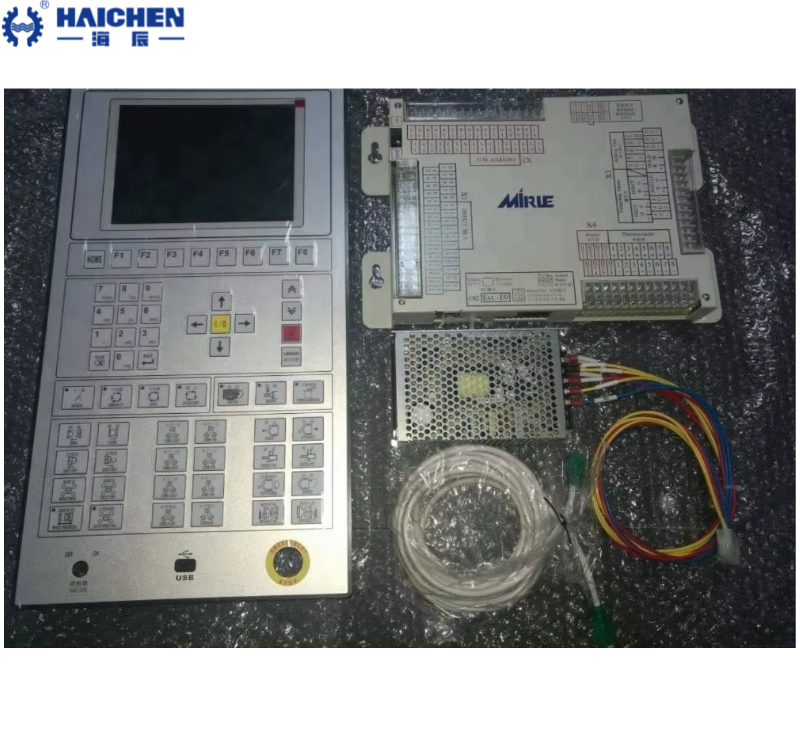
The Programmable Logic Controller (PLC) in an injection molding machine consists of four core components that orchestrate precise control over the molding process:
- Central Processing Unit (CPU)
- Input/Output (I/O) Modules
- Power Supply Module
- Programming/HMI Interface
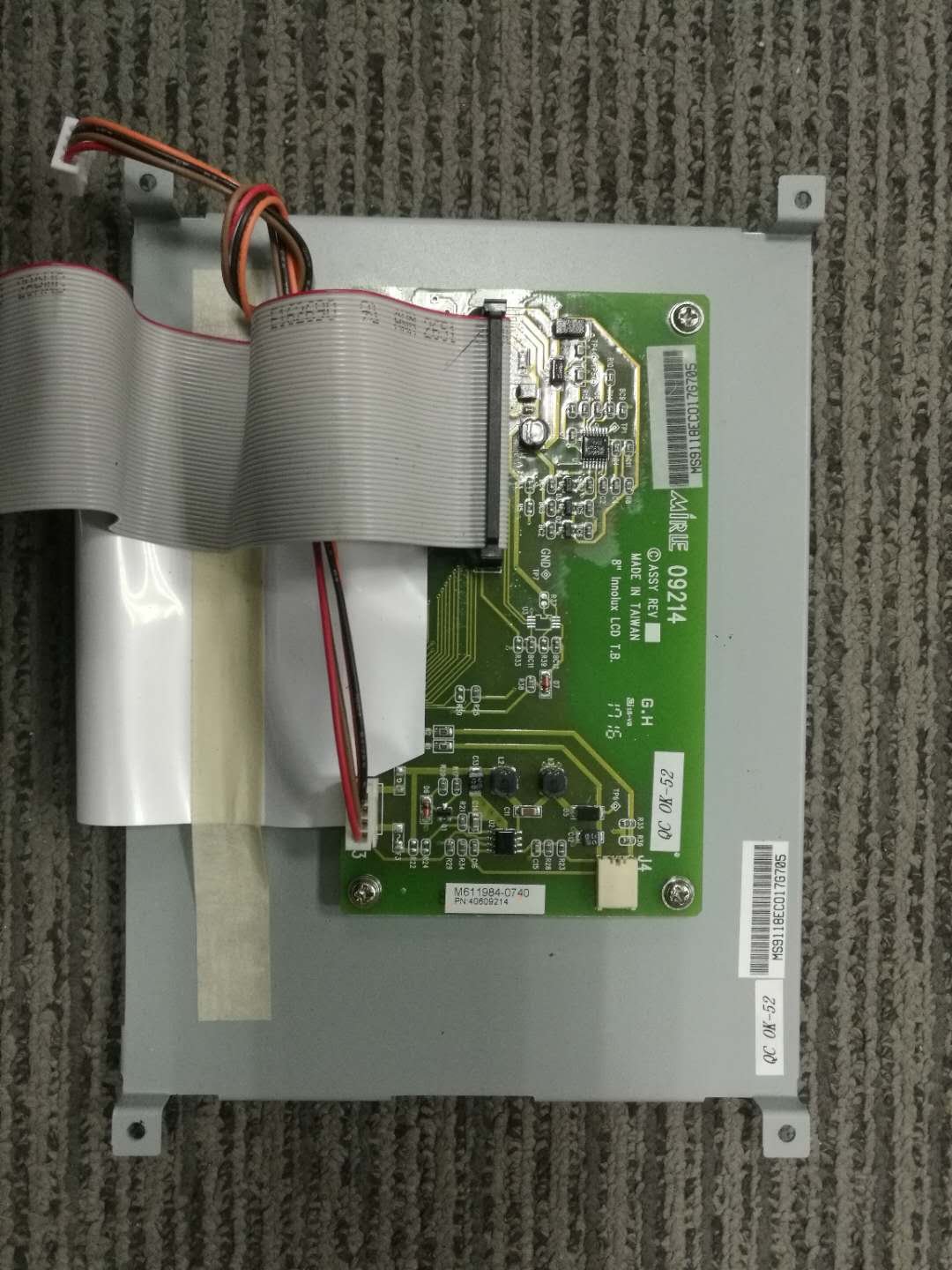
Central Processing Unit (CPU)
- The CPU acts as the PLC’s “brain,” executing logic operations, processing input signals (e.g., from limit switches or pressure sensors), and coordinating outputs (e.g., activating hydraulic valves). For example, a Siemens S7-200 CPU 226 might manage sequential actions like mold clamping, injection, and cooling by processing input data and triggering output commands.
Input/Output (I/O) Modules
- Input Modules: Receive signals from sensors (e.g., temperature probes, position sensors) and user interfaces (e.g., start buttons, mode selectors).
- Output Modules: Drive actuators such as solenoid valves, heaters, and hydraulic pumps. In a typical setup, 17 digital inputs (e.g., emergency stop signals) and 10 digital outputs (e.g., controlling electromagnetic coils) interface with the PLC.
Power Supply Module
- Provides stable voltage to the CPU, I/O modules, and peripheral devices (e.g., servo motors, heating circuits). This ensures reliable operation of critical systems like barrel heating and hydraulic power units.
Programming/HMI Interface
- Programming Tools: Software (e.g., Siemens STEP 7) allows engineers to design logic using ladder diagrams or function block diagrams for tasks like pressure profiling or cycle timing.
- Human-Machine Interface (HMI): Touchscreens or control panels enable operators to set parameters (e.g., injection speed, hold pressure) and monitor real-time data (e.g., barrel temperature, cycle count).
These components work synergistically to automate processes such as mold cycling, material plastication, and ejection. Advanced PLCs also integrate closed-loop control for parameters like melt pressure and adaptive algorithms to optimize energy efficiency. For instance, a sequence-controlled injection phase might involve pressure feedback from transducers to adjust screw position dynamically.
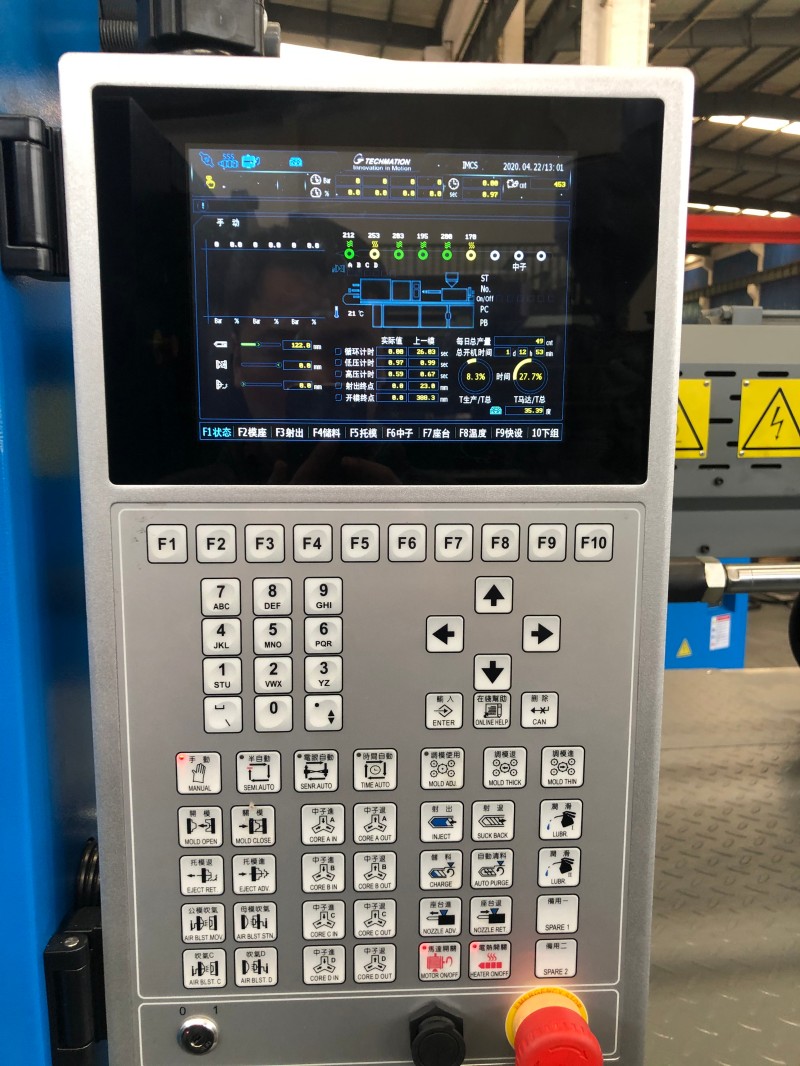
Ultra-high quality PLC for Haichen injection molding machines
The exceptional quality of Haichen injection molding machines’ PLCs (Programmable Logic Controllers) stems from their intelligent control, high-precision operation, and seamless integration with advanced hardware. Here’s a detailed breakdown:
- Intelligence and User-Friendly Operation
- High Precision and Multi-Stage Control
- Integration with Premium Hardware
- Brand-Specific Configurations
- Reliability and After-Sales Support
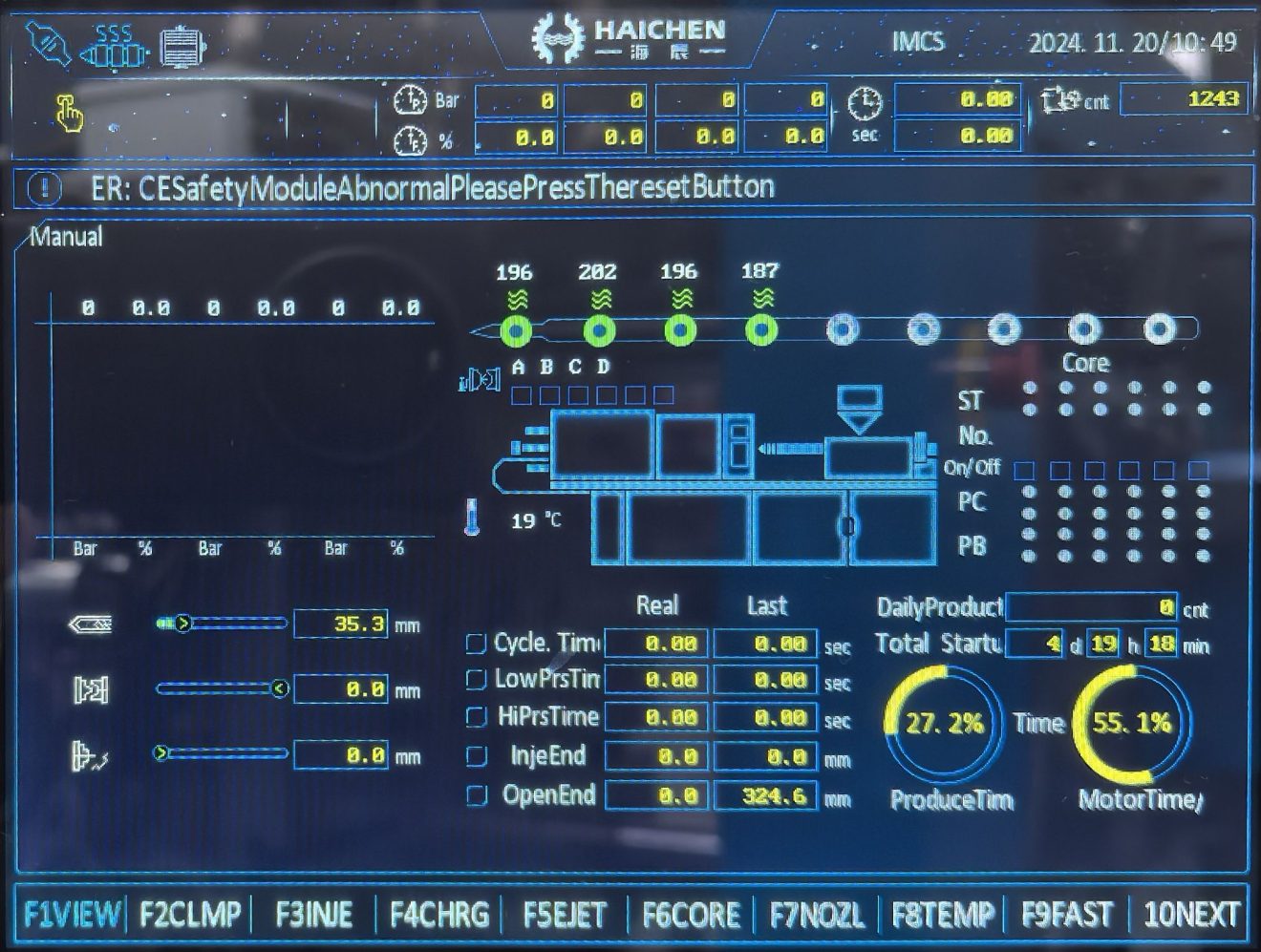
Intelligence and User-Friendly Operation
- Haichen’s next-gen PLCs feature smart computing capabilities, enabling multi-stage control of pressure, speed, and positioning. Operators can adjust parameters and monitor processes via large color LCD screens.
- The interface supports 100 mold data presets, real-time alarms, I/O diagnostics, and PID closed-loop control for barrel temperature (with minimal deviation), ensuring consistent material plasticization.
High Precision and Multi-Stage Control
- Integration with servo systems enables dual closed-loop control (pressure and flow), improving repeat accuracy by ~2%. Examples include position/time-switchable pressure holding and computer-controlled multi-stage backpressure/pre-plasticizing speeds to minimize material waste.
- Real-time visualization of mold movements, injection curves, and component statuses allows quick adjustments for optimal production quality.
Integration with Premium Hardware
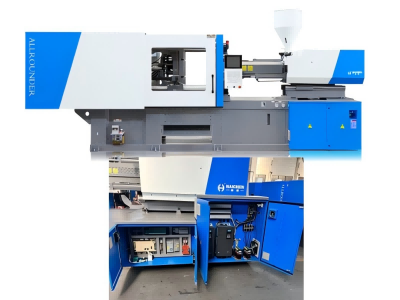
- Haichen uses globally renowned components like Schneider electrical systems, Gefran position sensors, and HNC/Yuken hydraulic valves. These synergize with the PLC to enhance reliability.
- In servo-driven models, PLCs reduce energy consumption by 15–70% and boost efficiency by 10–50% by replacing traditional hydraulics with servo motors.
Brand-Specific Configurations
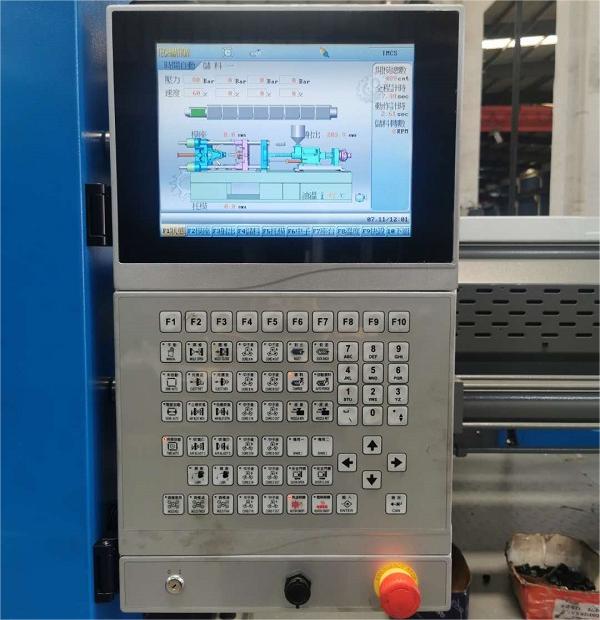
- Some models (e.g., the E-series) employ EST-branded controllers (likely customized for Haichen), while cold-chamber die-casting machines use Siemens PLCs, reflecting a shared emphasis on advanced control logic.
- Modular design supports multi-language interfaces (e.g., Chinese/English), robotic integration, and remote monitoring for global scalability.
Reliability and After-Sales Support
- Haichen offers a 12-month warranty on PLCs, with rapid technical support (remote guidance or on-site service). The fully enclosed electrical cabinet design minimizes interference and extends component lifespan.
Haichen’s PLCs stand out for their smart automation, precision engineering, synergy with premium hardware, and robust support. While configurations may vary (e.g., EST vs. Siemens), all models prioritize energy efficiency, repeatability, and adaptability to diverse industrial needs, solidifying Haichen’s reputation in high-performance injection molding.
By the end
PLCs transform injection molding into a highly efficient, scalable, and safe process. While initial setup costs and programming complexity exist, the long-term gains in productivity, quality, and adaptability make PLCs indispensable in modern manufacturing.