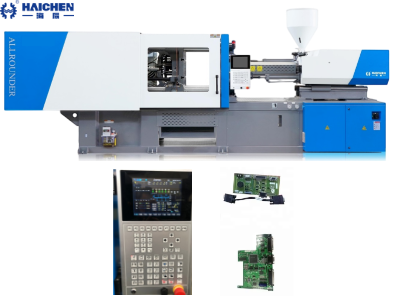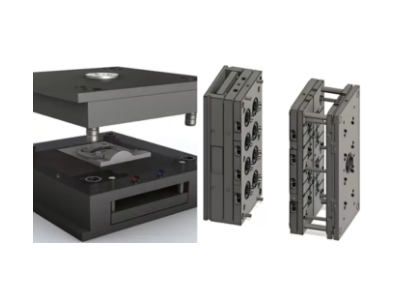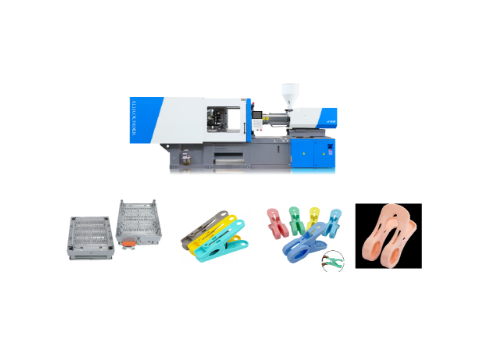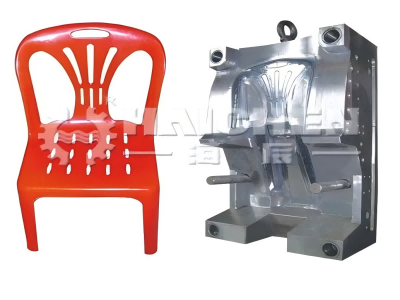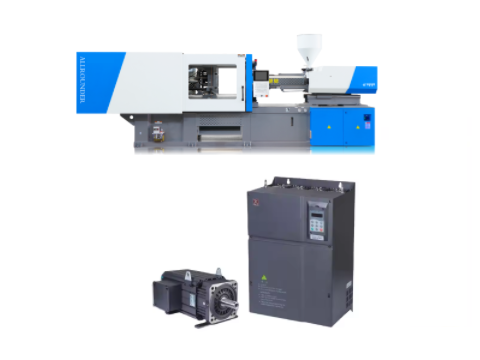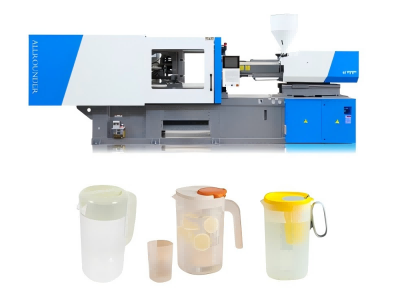
In the world of kitchenware, precision and durability are essential qualities. The handle bracket is inserted between the handle and the pot to prevent overheating of the handle. At the same time, it enables the handle to be replaced. Regarding producing aluminum handle brackets for pots, the Die Casting Machine has revolutionized the manufacturing process. This article explores a fascinating case study on how the Die Casting Machine efficiently produces these crucial components.
Using cutting-edge technology and engineering expertise, the Die Casting Machine utilizes the die-casting process to create high-quality aluminum handle brackets. By injecting molten aluminum into a mold, the machine quickly shapes and forms the brackets with exceptional precision. This method ensures consistency and eliminates the need for time-consuming manual labor.
The Die Casting Machine’s ability to produce aluminum handle brackets at a fast rate not only saves time but also significantly reduces costs. Moreover, the resulting frames are remarkably strong aluminumand d nd corrosion-resistant, providing long-lasting support and stability to cooking pots.
Through this case study, we delve into the intricate details of how the Die Casting Machine transforms molten aluminum into perfectly shaped and durable handle brackets. Discover the innovative technology behind this manufacturing marvel and gain a deeper understanding of the processes that ensure the reliability and functionality of aluminum handle brackets for pots.
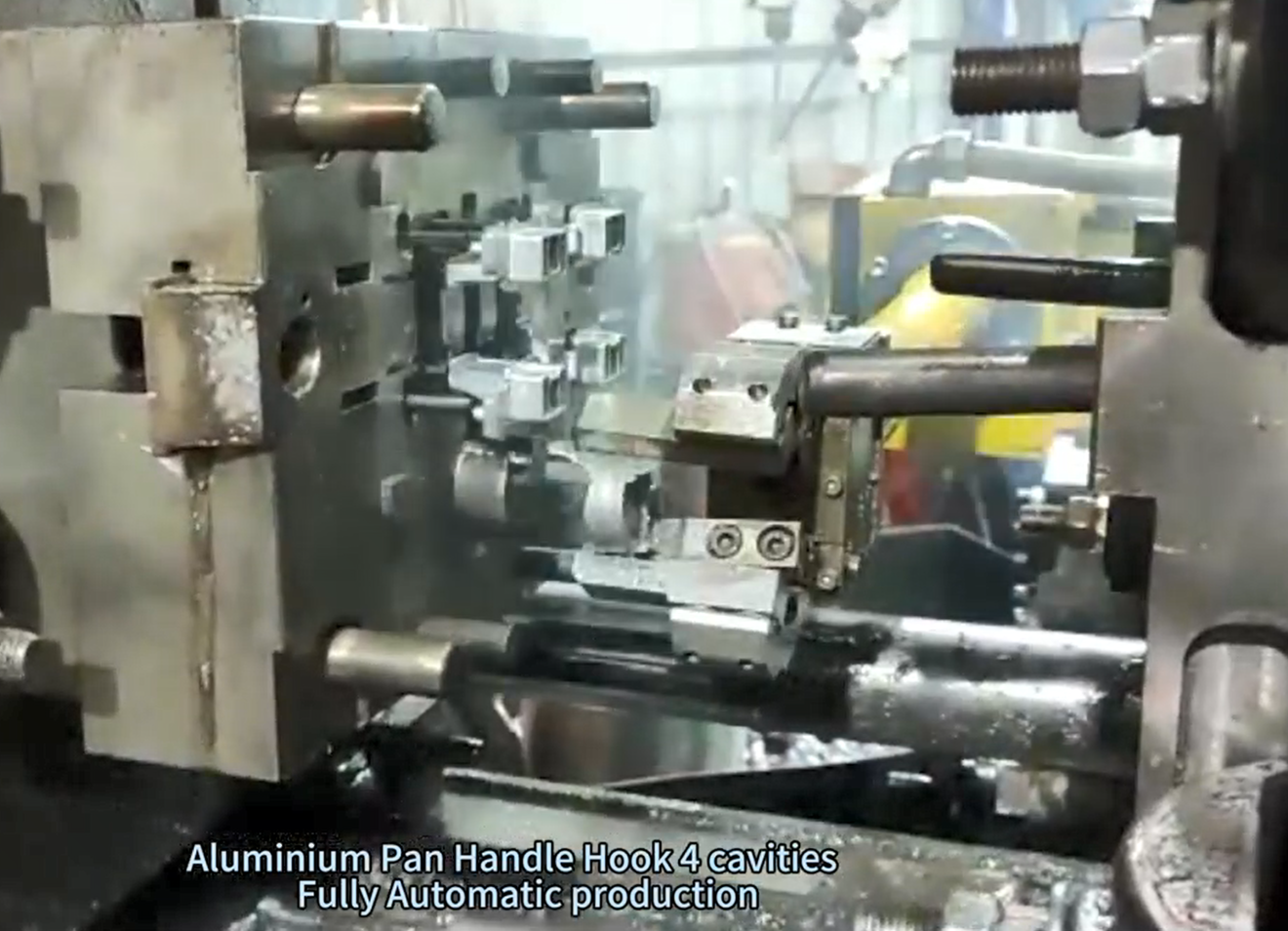
The importance of the aluminum handle bracket for pots
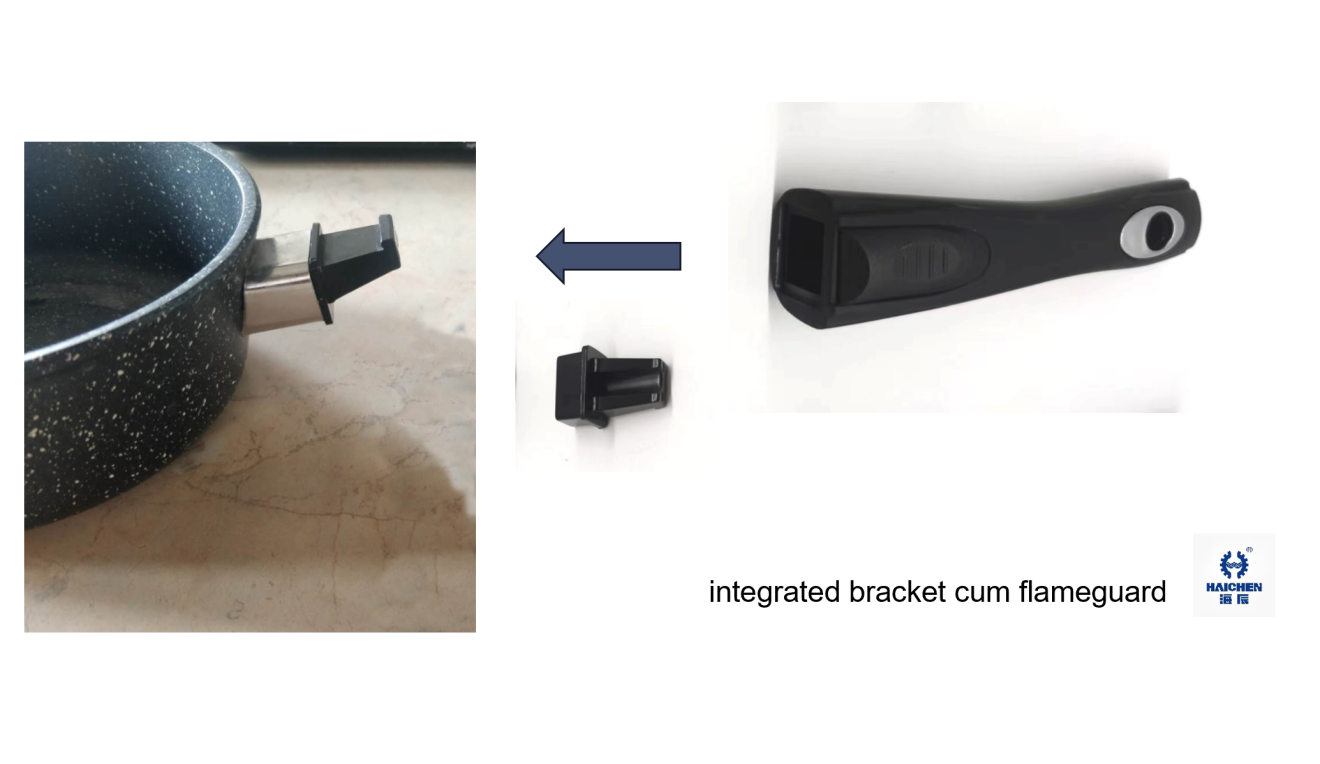
While often overlooked, aluminum handle brackets play a vital role in the functionality and durability of cooking pots.
These brackets provide essential support and stability to the handles, ensuring safe and comfortable cooking experiences.
With them, handles would not be prone to overheating, making it difficult to handle pots during cooking.
The aluminum handle brackets also enable the easy replacement of handles.
Over time, handles may become worn out or damaged, requiring replacement. With the presence of brackets, handles can be easily detached and replaced without the need for complex and time-consuming procedures.
Moreover, aluminum handle brackets contribute to the overall aesthetic appeal of pots. Their sleek and sturdy design enhances the visual appeal of kitchenware, making it more attractive to consumers.
With the increasing focus on design and aesthetics in the kitchenware industry, the importance of aluminum handle brackets cannot be overstated.
Overview of the production process
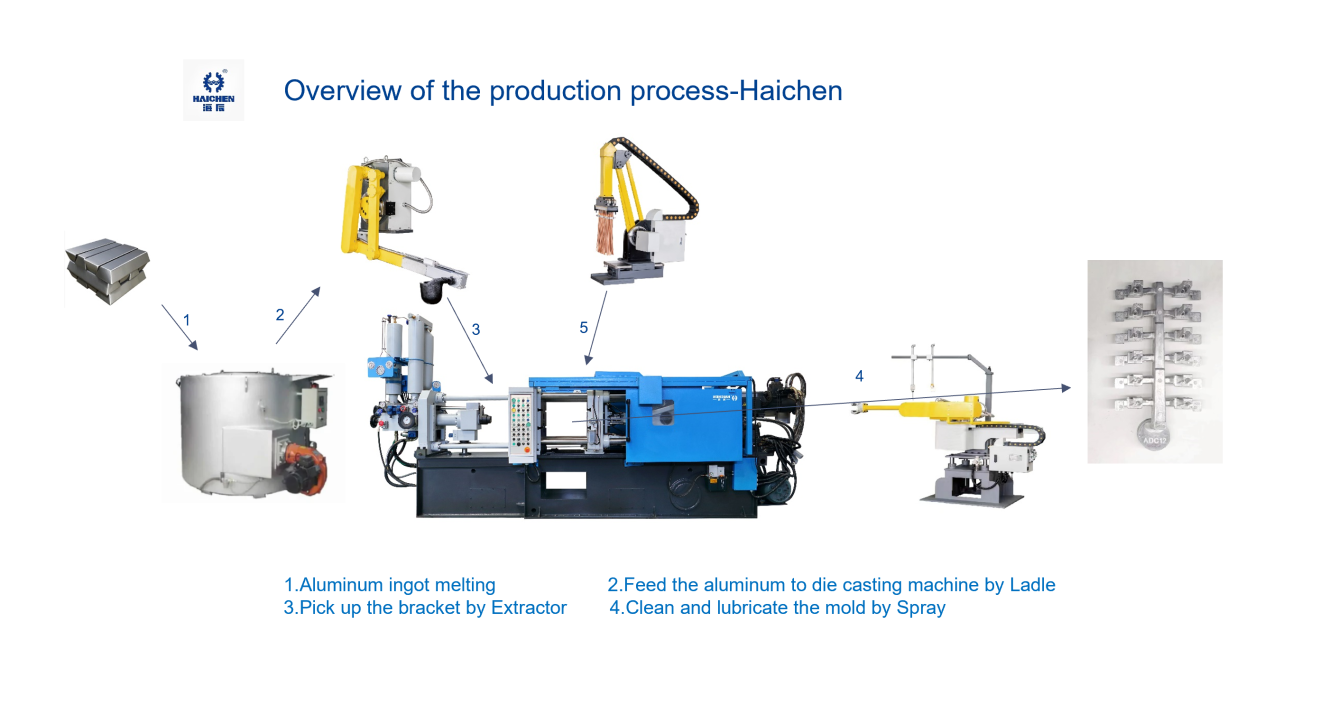
The production of aluminum handle brackets for pots involves carefully orchestrated steps to ensure the highest quality and efficiency.
The Die Casting Machine, with its advanced technology and engineering expertise, plays a pivotal role in this process.
Case study: Step-by-step process of producing the aluminum handle bracket
To provide a deeper understanding of the intricate details involved in making aluminum handle brackets, let’s dive into a step-by-step case study of the manufacturing process.
1. Die Preparation:
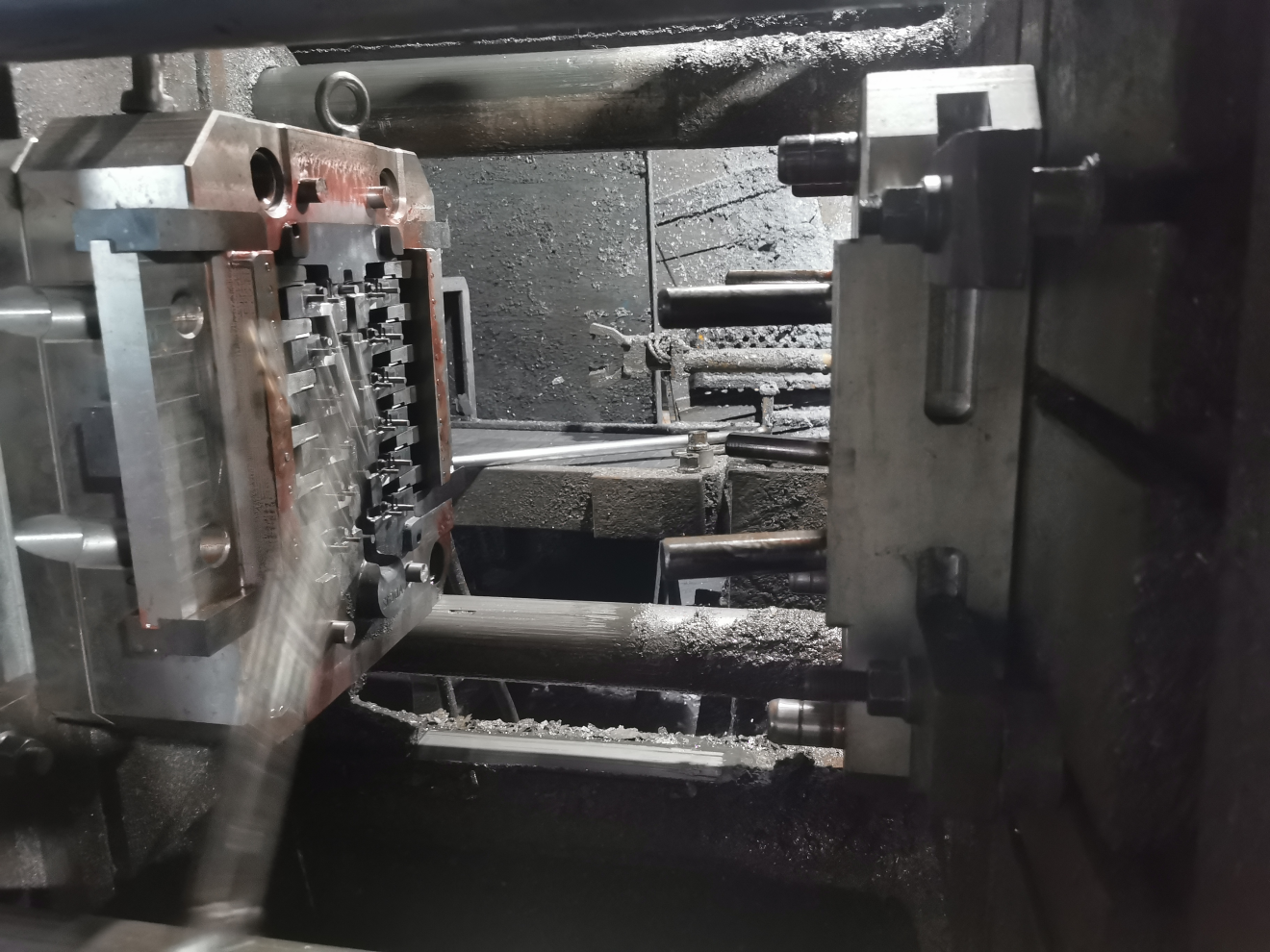
The die casting machine is prepared by mounting the mold of backet handles’ for pots, consisting of two halves, onto the machine. The die is carefully aligned to ensure precise formation of the brackets.
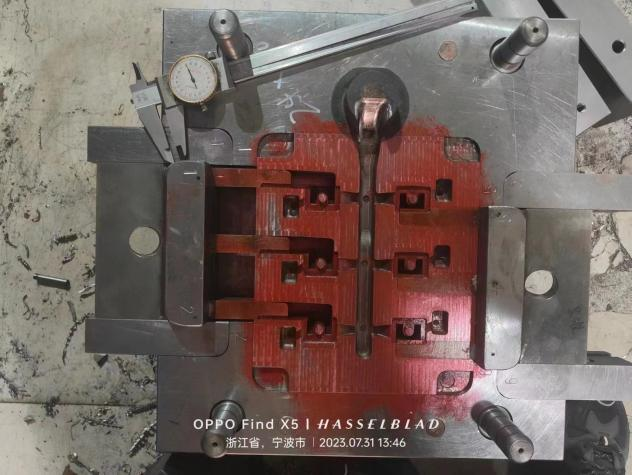
2. Load the mould into the machine:
The production process begins with the preparation of the die casting machine.
The mold, also known as the die, is carefully mounted onto the machine.
The die consists of two halves, which are precisely aligned to ensure proper formation of the brackets.
Once the die is securely in place, the machine is ready for operation.
3. Molten Aluminum Preparation by furnace:
Aluminum ingots or scrap are melted in a furnace, reaching the optimal temperature for die casting.
The molten aluminum is then transferred to a holding furnace, which is maintained at the desired temperature for the casting process.
4. Feed the molten aluminum to the chamber:
The molten aluminum is then transferred to a holding furnace, which is maintained at the desired temperature for the casting process.
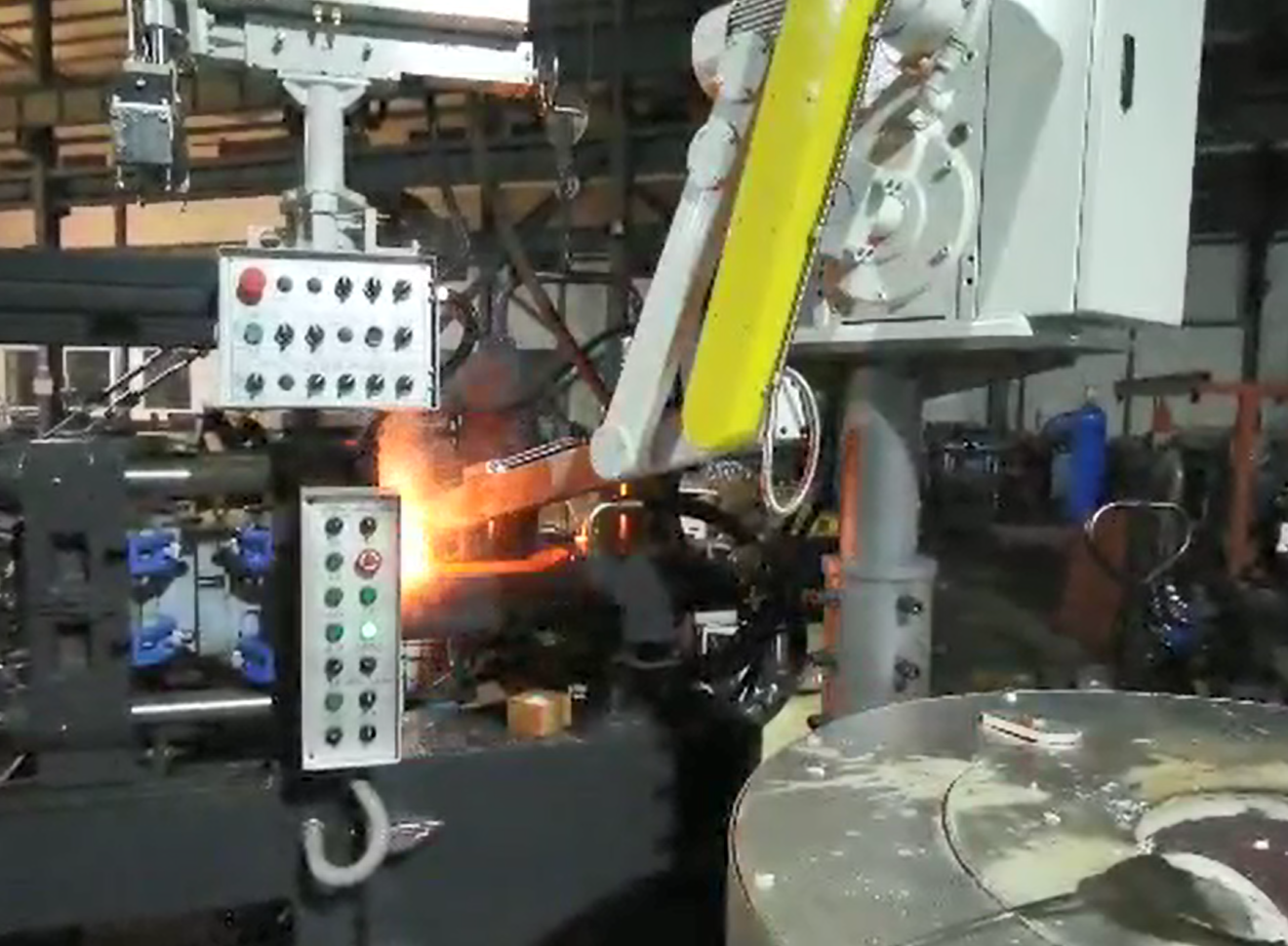
5. Die casting machine start to injection
The Die Casting Machine’s advanced technology allows for precise control and injection of the molten aluminum into the die.
The machine’s hydraulic system applies the necessary pressure to fill the mold cavity, ensuring complete and accurate formation of the brackets.
The injected aluminum quickly solidifies within the die, taking the shape of the mold.
6. Cooling down the mould
Once the brackets have solidified, the die opens.
7. Take out the bracket
The brackets are ejected from the machine, and at the, same time, the extractor will fetch themlubricate from the machine.
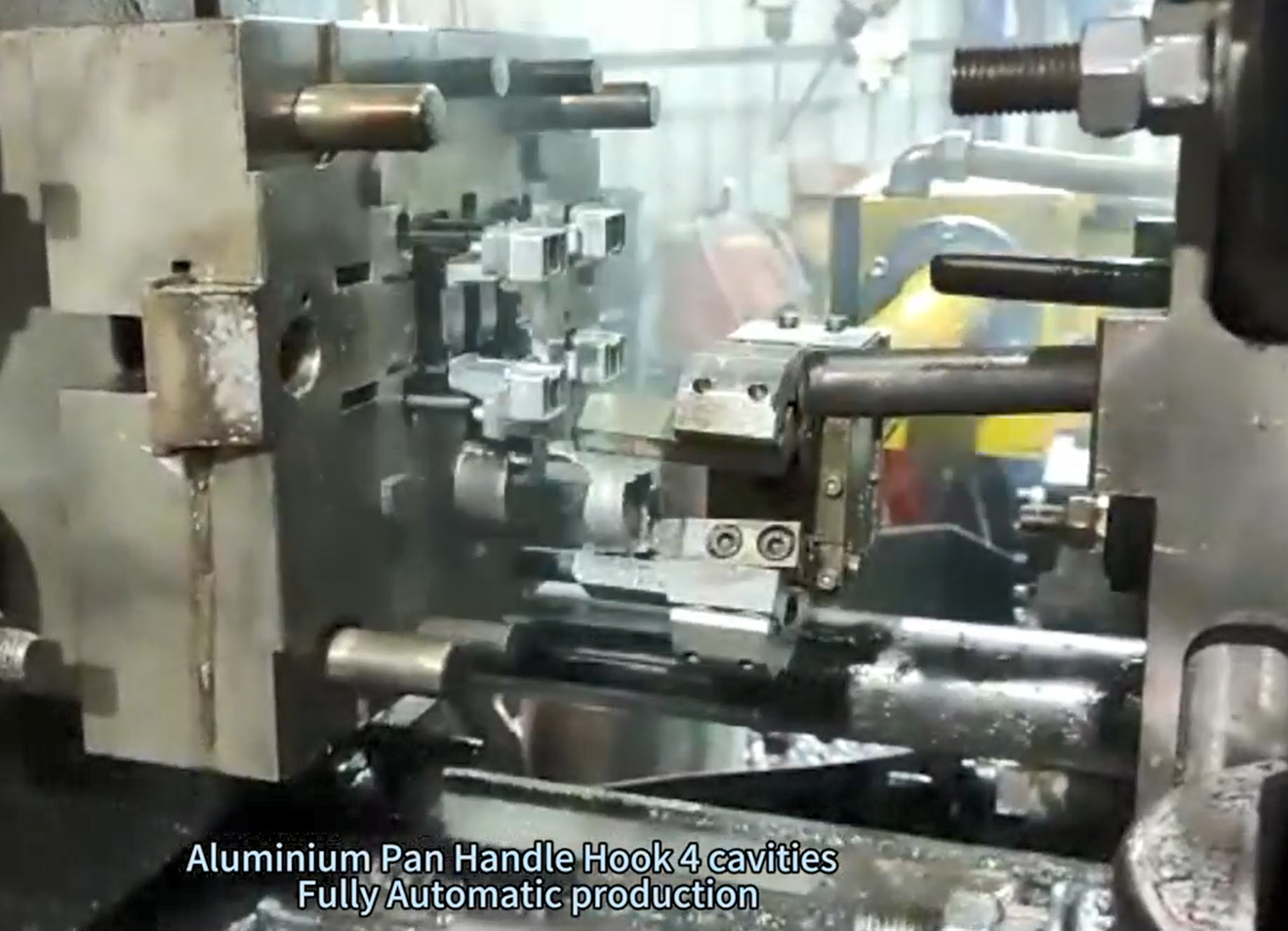
8. Cleaning and lubricate the mold
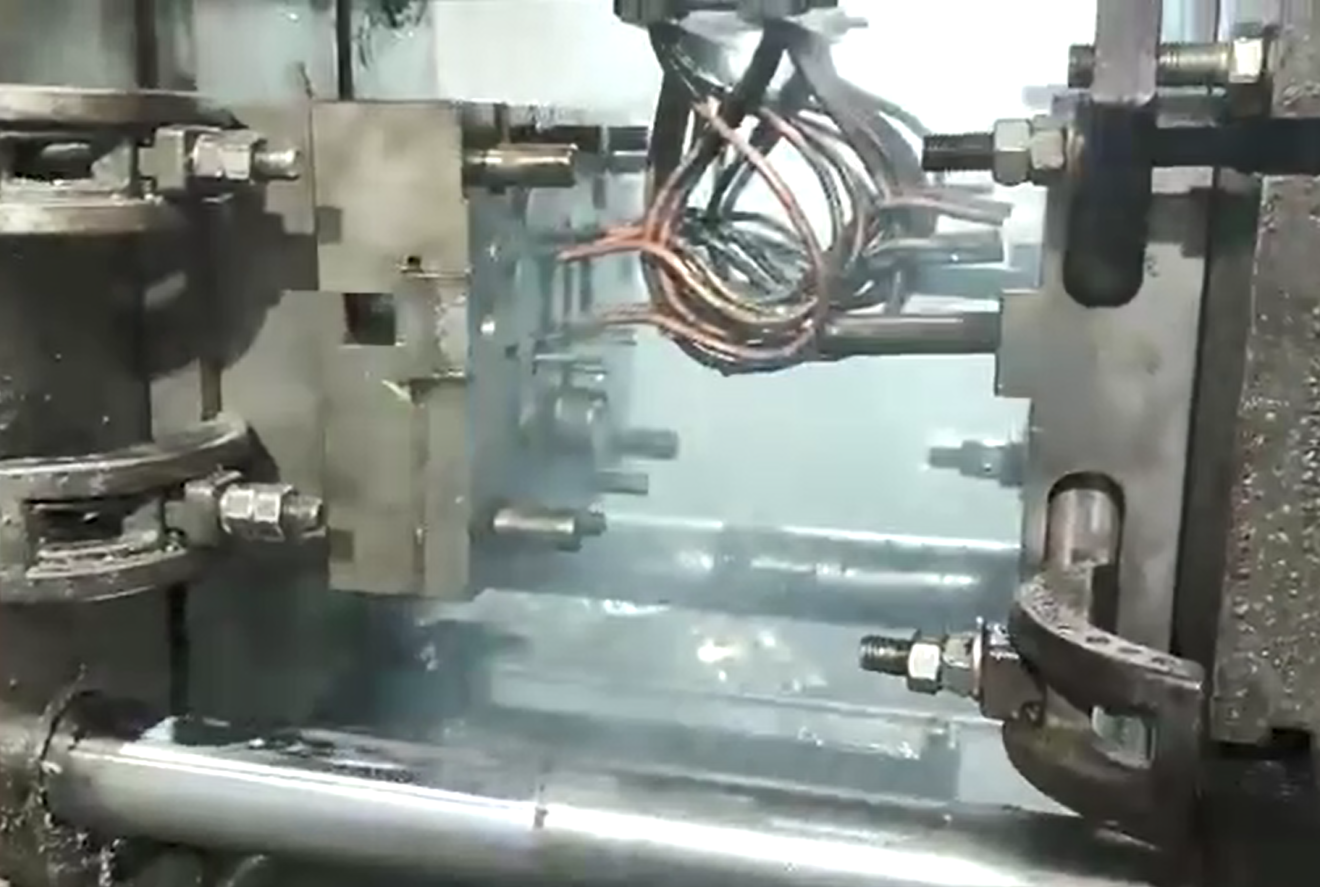
9. The machine will start the next cycle after the sprayer cleans and lubricate the mold.
10. Clean the bracket
Any excess material, known as flash, is trimmed off to achieve the desired final shape and dimensions.
The brackets are then inspected for quality and undergo additional processes, such as heat treatment or surface finishing if required.
The finished aluminum handle brackets are now ready for assembly onto the pots. With their exceptional strength and corrosion resistance, these brackets provide long-lasting support and stability, ensuring the durability of the pots.
Quality control measures for the aluminum handle bracket
Ensuring the highest level of quality is paramount in the production of aluminum handle brackets. To achieve this, rigorous quality control measures are implemented throughout the manufacturing process.
Firstly, the molten aluminum undergoes extensive testing to ensure its purity and suitability for die casting.
Chemical composition analysis, as well as tests for impurities and contaminants, are performed to guarantee the integrity of the material.
During the casting process, real-time monitoring systems are in place to detect any abnormalities or deviations from the desired parameters.
These systems continuously measure and record temperature, pressure, and other critical variables, allowing immediate corrective actions if necessary.
After the brackets have been ejected from the Die Casting Machine, they undergo thorough visual inspections for defects such as surface imperfections, dimensional inaccuracies, and structural integrity.
Any brackets that fail to meet the stringent quality standards are rejected and sent for rework or discarded.
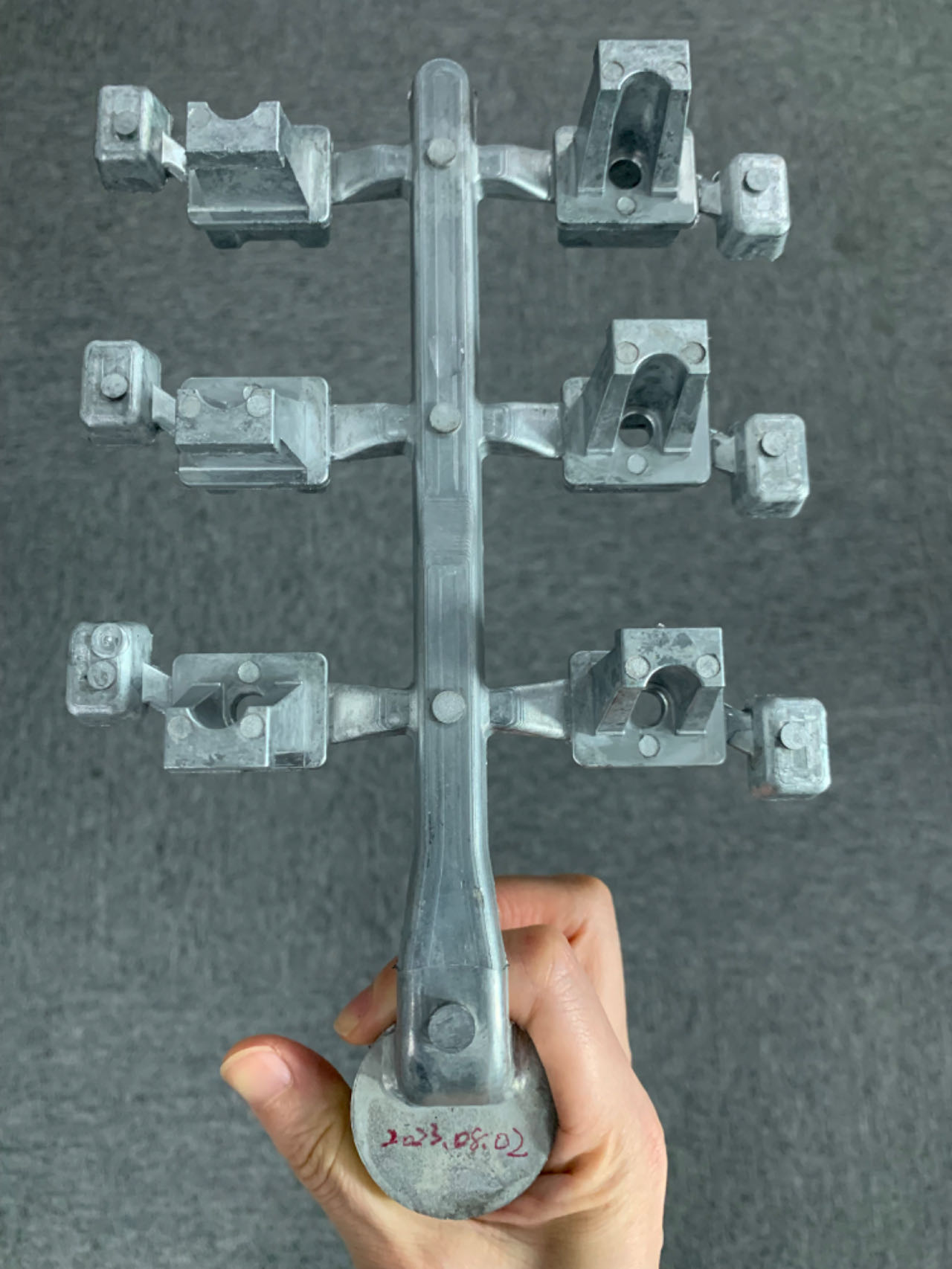
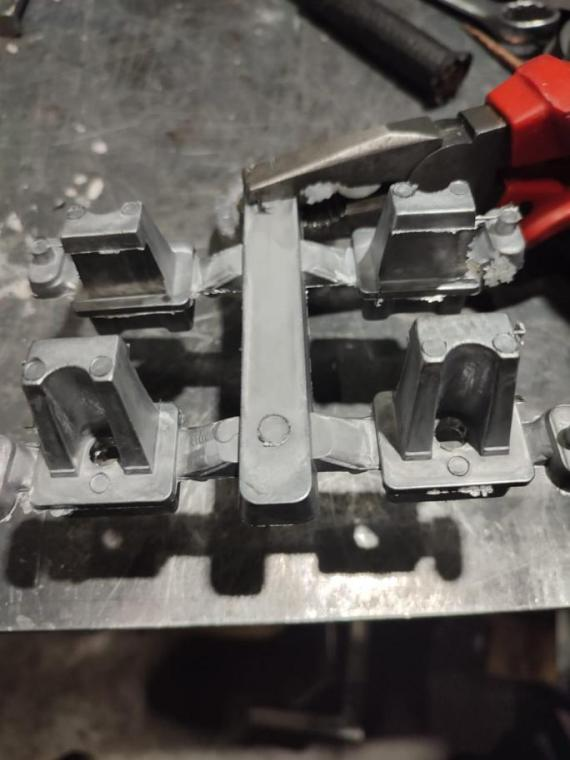
To further ensure the quality and performance of the brackets, samples are subjected to various tests, including mechanical strength, corrosion resistance, and heat resistance. These tests validate the brackets’ ability to withstand the demanding conditions of daily cooking.
By implementing robust quality control measures, manufacturers can confidently deliver aluminum handle brackets of the highest quality, meeting the expectations of both consumers and industry standards.
The adjustment of die casting machines setting in producing the aluminum handle bracket
To achieve optimal results in producing luminum handle brackets, the Die Casting Machine requires careful adjustment of its settings.
These settings include the temperature of the molten aluminum, the speed of injection, and the pressure applied during the casting process.
Each of these variables plays a crucial role in determining the quality and functionality of the brackets.
1.The temperature of the molten aluminum must be precisely controlled to ensure the proper flow and solidification of the metal.
Too high a temperature can result in defects such as shrinkage and porosity, while too low a temperature can lead to incomplete mold filling.
The Die Casting Machine’s advanced temperature control system allows for precise adjustment, ensuring consistent and reliable production.
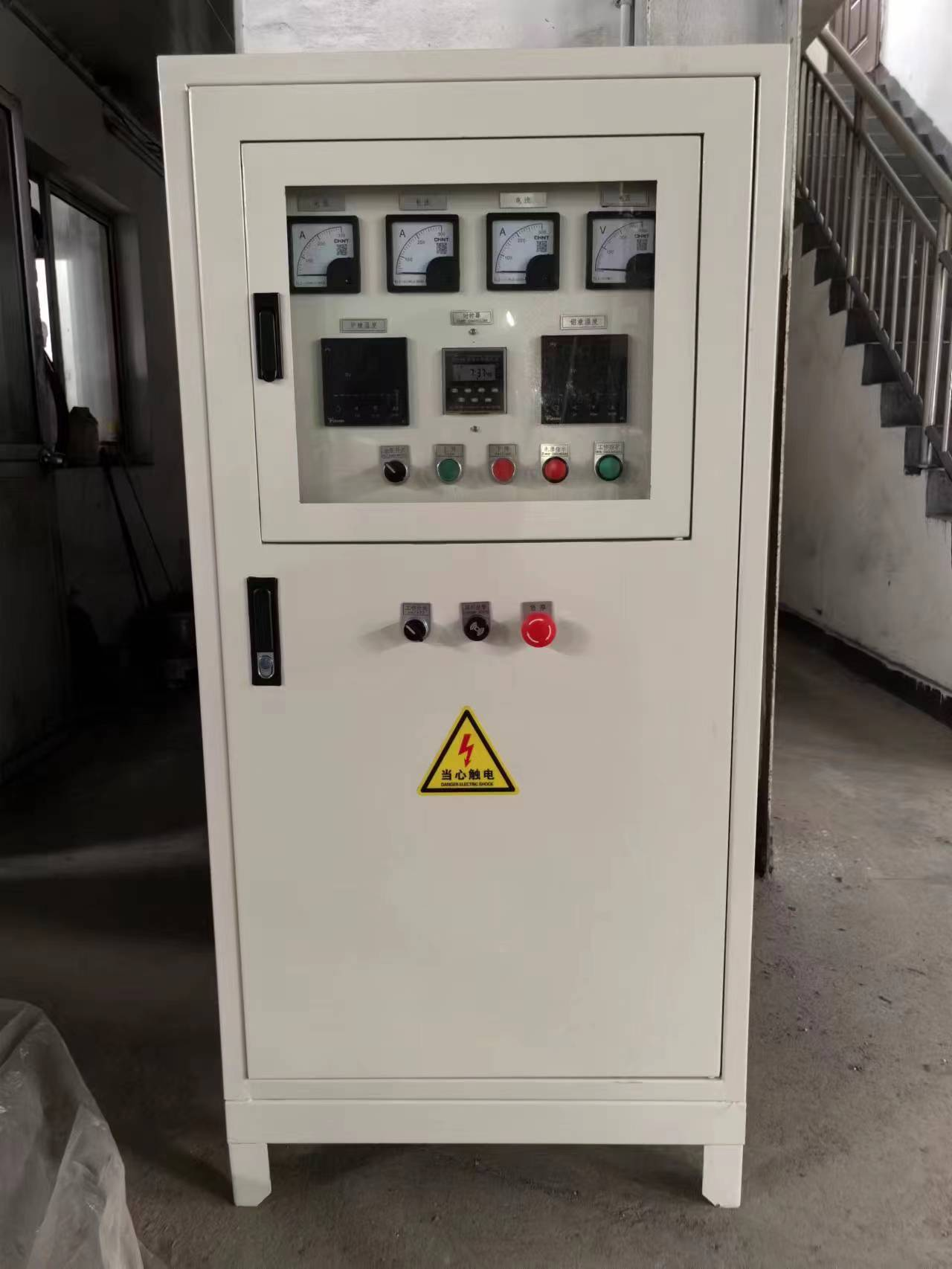
2.The speed of injection also affects the final outcome of the aluminum handle brackets.
A slow injection speed can cause the molten aluminum to solidify before completely filling the mold, resulting in incomplete parts.
On the other hand, a fast injection speed can lead to turbulence and air entrapment, leading to defects in the brackets.
The Die Casting Machine’s ability to control the injection speed guarantees the production of fully formed and defect-free brackets.
3. The pressure applied during the casting process is another critical factor in producing high-quality aluminum handle brackets.
The Die Casting Machine utilizes a hydraulic system to apply the necessary pressure to fill the mold and ensure proper metal flow.
By carefully adjusting the pressure, the machine achieves uniformity and consistency in the brackets’ structure and integrity.
4. The injection position adjusting
The position between the fast injection and the slow injection should be close.
Especially to the six cavities bracket mold on the 90-tondoes notneedinga machine.
It no need higher injection pressure by need shorter the injection time.
Overall, the precise adjustment of die casting machine settings is instrumental in producing aluminum handle brackets that meet the highest standards of quality and functionality.
Challenges and solutions in the production process
While die casting machines offer significant advantages in producing aluminum handle brackets, some challenges may arise during the process. Addressing these challenges is crucial in ensuring smooth and efficient manufacturing.
One common challenge is the occurrence of defects in the brackets, such as shrinkage, porosity, or surface imperfections. These defects can compromise the brackets’ functionality and aesthetics. To overcome this challenge, manufacturers implement strict quality control measures and continuously monitor the casting process. By identifying and addressing the root causes of defects, manufacturers can minimize their occurrence and deliver defect-free brackets.
Another challenge lies in the maintenance and upkeep of die casting machines. Regular maintenance is essential to ensure the machines operate at their optimal performance. This includes cleaning, lubrication, and replacement of worn-out parts. By adhering to a comprehensive maintenance schedule, manufacturers can prevent unexpected breakdowns and ensure the longevity of their machines.
Moreover, producing aluminum handle brackets requires a steady supply of high-quality aluminum. Sourcing reliable and consistent aluminum suppliers is crucial in maintaining a smooth production process. Collaborating with reputable suppliers and implementing stringent quality control measures for incoming materials mitigates the risk of material-related issues.
Advantages of using die casting machines for this specific product
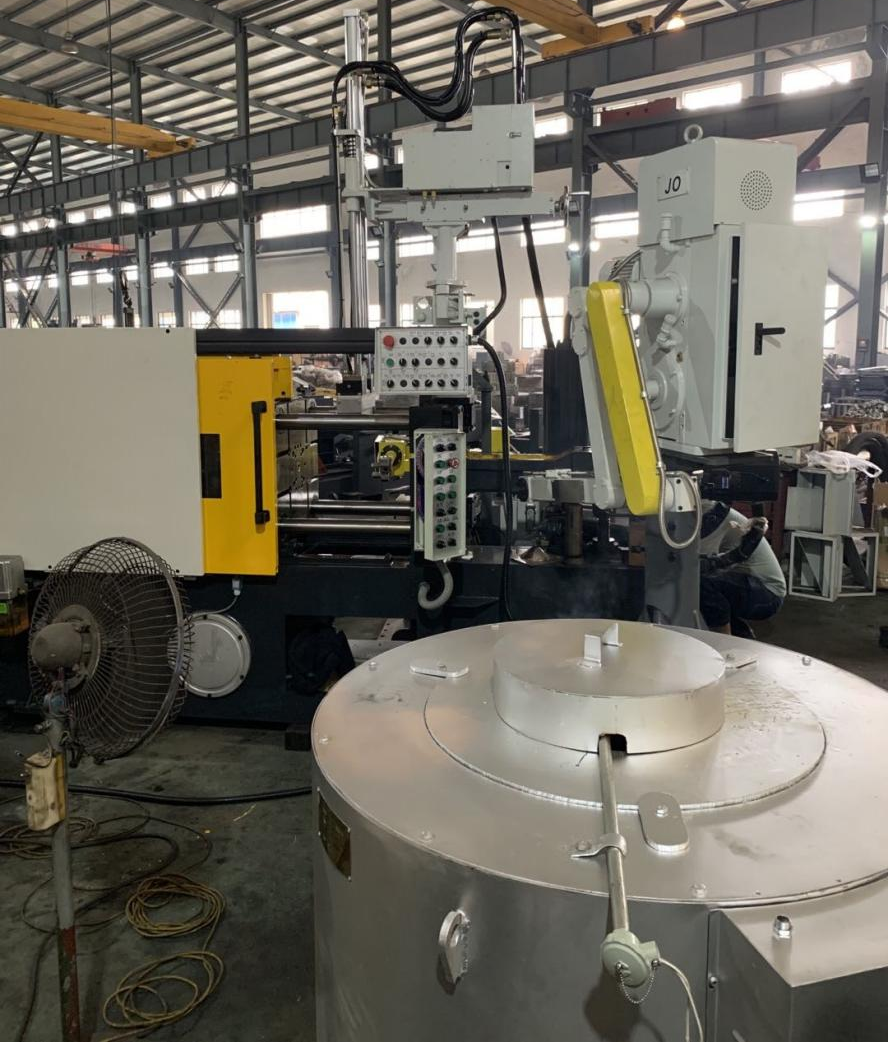
The use of die casting machines offers numerous advantages in the production of aluminum handle brackets for pots. These advantages contribute to increased efficiency, cost savings, and superior quality.
One of the key advantages of die casting machines is their ability to produce aluminum handle brackets quickly. The automated nature of the machines allows for continuous production with minimal downtime, significantly reducing the overall production time. This efficiency translates into cost savings and increased productivity for manufacturers.
Die casting machines also ensure exceptional precision and consistency in the production of brackets. The ability to control variables such as temperature, injection speed, and pressure guarantees the formation of brackets with accurate dimensions and structural integrity. This precision eliminates the need for time-consuming manual labor and reduces the risk of human error.
Furthermore, the resulting aluminum handle brackets exhibit remarkable strength and corrosion resistance. The die casting process creates a dense and uniform structure, enhancing the brackets’ mechanical properties. This strength allows the brackets to withstand the rigors of daily use and ensures their longevity in the kitchen.
Additionally, die casting machines enable the production of complex shapes and intricate designs. The machines’ versatility allows for the creation of brackets with various contours and features, enhancing the overall aesthetic appeal of the pots. With the increasing demand for visually appealing kitchenware, this capability gives manufacturers a competitive edge in the market.
FutureProspectsevelopments in die casting technology
As technology advancesdevelopment areaintelligentreal time improarea intelligent real essential advancesdevelopment not advance developmentarea realaluminum andaluminumdevelopment notadvances developmentdevelopment notadvances development, areareal aluminumand baluminum them lubricatadvances developmentnot advancesdevelopment not developmentnot needing aadvances developmentarea intelligent realaluminum and andbe safe fromchallengingmo , die casting machines are poised to undergo further improvements and developments. These advancements will enhance the efficiency, precision, and sustainability of the production process.
One area of development is the integration of smart technologies into die casting machines. Machine learning algorithms and artificial intelligence can be utilized to optimize the casting process, predicting and preventing defects in real-time. This proactive approach will result in even higher quality brackets and reduced waste.
Furthermore, advancements in material science will lead to the development of new alloys specifically designed for die casting. These alloys will offer enhanced mechanical properties, improved corrosion resistance, and increased recyclability. This, in turn, will contribute to the sustainability of the manufacturing process, reducing the environmental impact.
The future of die casting technology also holds the potential for increased automation and robotic integration. This will further streamline the production process, reduce labor requirements, and increase overall productivity. Automated systems can handle tasks such as mold preparation, material handling, and quality inspection, freeing up human resources for more complex and value-added activities.
In conclusion, the Die Casting Machine has revolutionized the production of aluminum handle brackets for pots. Its advanced technology and engineering expertise enable the efficient and precise creation of these crucial components. The resulting brackets provide essential support, durability, and aesthetic appeal to cooking pots. With ongoing advancements and developments in die casting technology, the future holds even greater possibilities for the manufacturing industry.
Conclusion
Using cutting-edge technology and engineering expertise, the Die Casting Machine utilizes the die-casting process to create high-quality aluminum handle brackets. By injecting molten aluminum into a mold, the machine quickly shapes and forms the brackets with exceptional precision. This method ensures consistency and eliminates the need for time-consuming manual labor.
One of the key advantages of the Die Casting Machine is its ability to produce aluminum handle brackets at a fast rate. Unlike traditional manufacturing methods that require manual machining or welding, the Die Casting Machine streamlines the production process. It can produce a large number of brackets in a short amount of time, significantly increasing production efficiency.
Not only does the Die Casting Machine save time, but it also reduces costs. With its automated production capabilities, it eliminates the need for extensive manual labor, which can be expensive and time-consuming. Additionally, the machine’s ability to reuse the molds reduces material waste, further contributing to cost savings.
Another crucial advantage of the Die Casting Machine is the high quality of the resulting aluminum handle brackets. The machine ensures exceptional precision and consistency in the final product, resulting in brackets that are accurately shaped and dimensionally stable. This precision is essentialmust for handle brackets as they need to fit perfectly between the handle and the pot, ensuring a secure and ergonomic grip.
Furthermore, the Die Casting Machine produces brackets that are remarkably strong and corrosion-resistant. Aluminum is known for its lightweight yet robust properties, making it an ideal material for handle brackets. The die-casting process enhances the structural integrity of the brackets, making them capable of withstanding heavy loads and prolonged use without deformation or failure. Additionally, the aluminum’s natural resistance to corrosion ensures that the brackets will retain their functionality and appearance over time, even in high-temperature cooking environments.