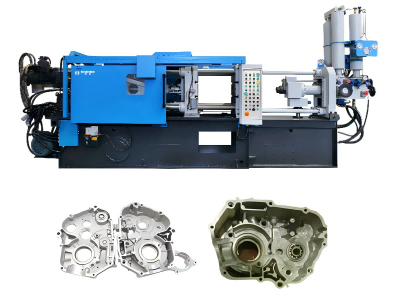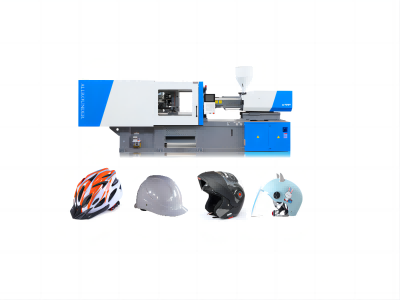
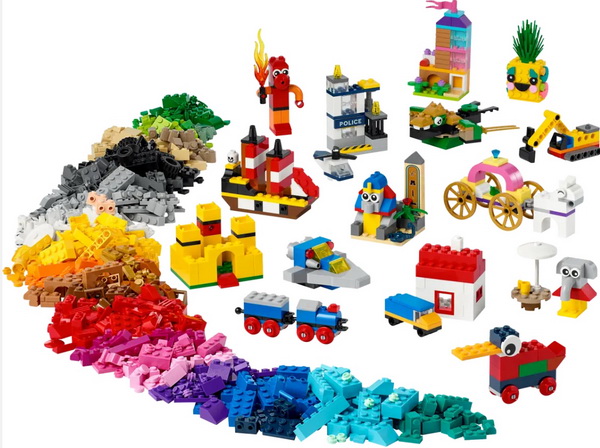
LEGO blocks are beautifully designed and varied, with many different colors. Unlike other building block toys, LEGO has a wide audience, not only children’s favorites, but also attracts many adult players. LEGO molding machine is the main machine to produce such beatufitul toy.
LEGO consists of colorful plastic blocks, gears, mini figures, and a variety of other parts that make up a variety of objects, including vehicles, buildings, and working robots. In this article, we will explore the history of LEGOs and talk in detail about how the LEGO plastic injection molding machines and molds LEGOs.
LEGO manufacturing process
- process of making LEGOs
- how to use LEGO making machine injection molding LEGO blocks
The process of making LEGOs
The manufacturing process of LEGO blocks involves several steps. Including the use of LEGO molding machine. briefly introduce the process of manufacturing LEGO blocks.
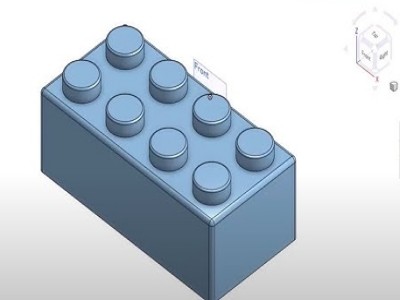
Design drawings:
Use CAD software or hand-draw the drawings of LEGO blocks. This will allow the subsequent use of precision machining technology to manufacture molds.
Raw material preparation:
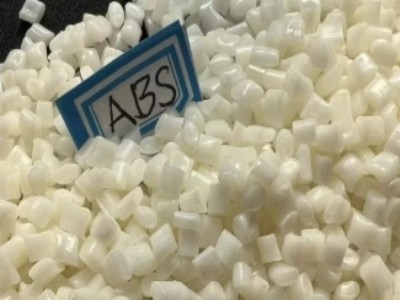
LEGO blocks are usually made from ABS (Acrylonitrile Butadiene Styrene) plastic pellets, which are dried to remove water to ensure the best material quality during the LEGO making machine molding process.
Designing the mold:
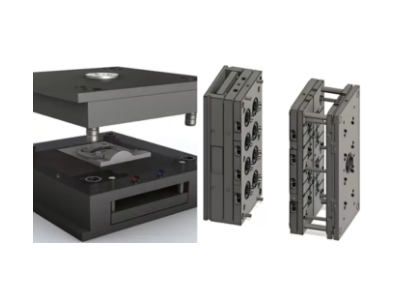
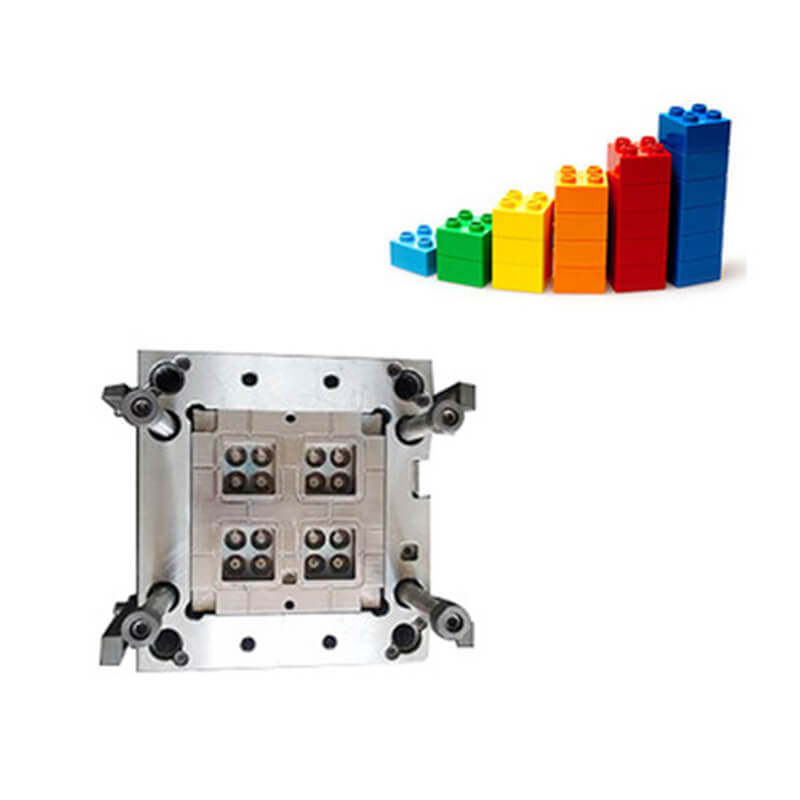
The completed LEGO drawing is sent to the mold factory, and then the mold is manufactured using precision machining technology to ensure the accuracy and durability of the mold.
Injection molding:
Use LEGO molding machine to inject and mold the LEGO blocks.
Finishing and Packaging: Trimming the excess plastic burrs or sprue from the LEGO blocks to achieve a smooth and consistent finish. The LEGOs are then packaged and distributed to retailers and consumers around the world.
How to injection mold LEGO with LEGO making machine
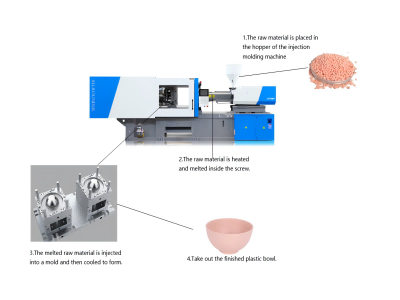
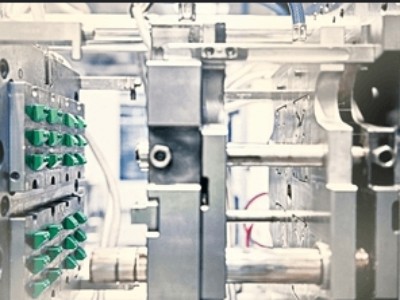
Injection molding is the process of producing plastic products by injecting molten plastic into preformed metal molds. The molten plastic is injected and cooled at a set temperature and pressure. Once it hardens and conforms to the shape of the mold, it is discharged as a molded part.
Heating and Melting: The LEGO toy making machine is started, which includes a heating element and a screw or plunger system. the LEGO making machine heats the plastic pellets to approximately 450 °F , which melts them into a molten state.
Injection: Once the plastic is melted, the injection process begins. the LEGO molding machine’s screw or plunger system pushes the molten plastic into the LEGO mold cavity under high pressure. In order to form the desired shape of the LEGO block.
Cooling: After the molten plastic fills the mold cavity, a chiller cools the plastic to solidify into the shape of the LEGO blocks. The cooling time may vary depending on the size and complexity of the LEGO blocks.
Ejection: Once the plastic is sufficiently cooled and solidified, the LEGOs can be ejected from the mold. LEGO molding machine’s ejection system releases the LEGOs from the mold.
Parts Assembly and Packaging: Assemble all the LEGO blocks to create the complete LEGO set. For fast and accurate packaging of LEGO sets, auxiliary machines and equipment such as conveyor belts can be used.
Lego injection moulding machine
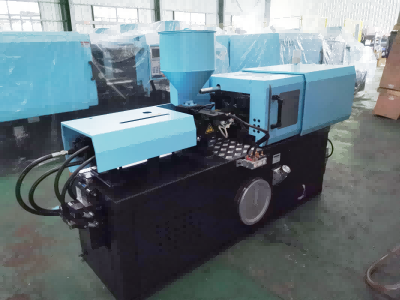
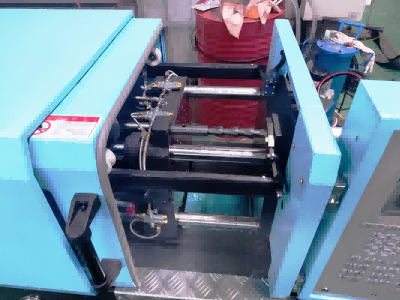
Normally, Lego injection moulding machine is an common plastic injection molding machine. And need an Lego mold to load on the injection moulding machine, work together.
About the mould, usually with many cavities, like 24 cavities, 36 cavities, 72 cavities… The more cavities on the mould the more lego blocks will be produced in one cycle injection.
The injection molding, is similar with other plastic parts: Melting, injection , cooling, ejection, charging…
About the color of lego, we will need an color mixer before the lego injection moulding. Just change the mixer, we will get the colorful lego.
What to pay attention to in Lego injection molding?
The production process of LEGO bricks involves complex injection molding techniques to ensure their high quality and precision.
The parameter setting of LEGO injection molding machine
Firstly, the raw material used by LEGO is ABS plastic pellets. It need to undergo vacuum drying treatment before entering production.
- The temperature setting
- The injection pressure setting
What is the temperature setting for Lego injection molding machine ?
Lego melted at a temperature of 232 degrees.
During the production process, these particles are pushed into the injection molding machine through pipelines. Then melted at a temperature of 232 degrees Celsius. And subjected to a pressure of 25 to 150 tons to inject the melted ABS into the mold.
How to set the injection pressure of Lego injection molding ?
LEGO require a pressure of 25 to 150 tons during the injection molding process
The injection pressure of LEGO varies at different stages of production. According to evidence, the ABS particles used by LEGO require a pressure of 25 to 150 tons during the injection molding process. However, in another piece of evidence, it is mentioned that LEGO’s plastic pellets undergo basic molding under high temperature and pressure, with a specific pressure of 120 tons. These pieces of information indicate that LEGO may adjust injection molding pressure to meet different production needs in different situations.
The LEGO injection mold precision
The precision of LEGO’s molds is very high, with an error of only 0.002mm
The lego mold precision, which makes the produced building block parts very flat and free of burrs. In addition, LEGO also uses overmolding and dual molding techniques to manufacture multi colored building blocks and complex parts. Secondary injection molding refers to the process of molding a portion of a brick onto another brick to form a single element with two or more colors.
The quality control of LEGO injection molding
In order to ensure product quality, LEGO’s building block particles will be sent to the quality control room. In this room for sampling testing after injection molding to ensure that the size and grip meet the standards.
Every hour, LEGO’s Danish factory can produce over 3 million building blocks, while its factory in Jiaxing, China provides over 80% of its products for the Asian region.
In short, LEGO’s injection molding process not only relies on high-quality raw materials and precise mold design, but also requires strict quality control and advanced manufacturing technology to ensure the excellent quality and consistency of its building block products.
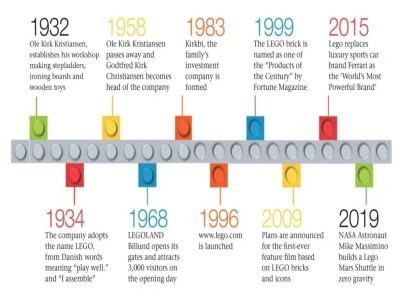
History of LEGO
Founded in Denmark in 1932 by Ole Kirk Christiansen, LEGO has a long history in plastic toys. The name “LEGO” is an abbreviation of two Danish words, “leg godt”, meaning “play well”.
Originally producing wooden toys, in the late 1940s LEGO became the first Danish manufacturer to own a LEGO molding machine and began replacing the wooden toys he was making with plastic toys. The ABS plastic used in LEGO building blocks enhances their durability and versatility. Over the years, LEGO’s commitment to high-quality plastic manufacturing has inspired innovation and allowed children to fully utilize their creativity to build countless imaginative creations. Today, LEGO continues to invest in state-of-the-art LEGO plastic injection molding machines, precision molds and research into new materials, and is a well-known brand in the toy industry, loved by generations of children around the world.
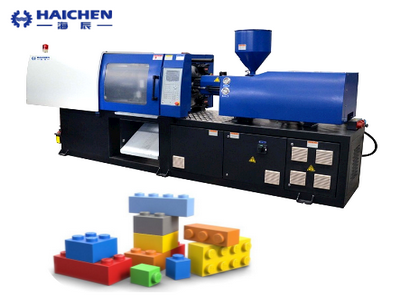
Advantages of Haichen LEGO molding machine
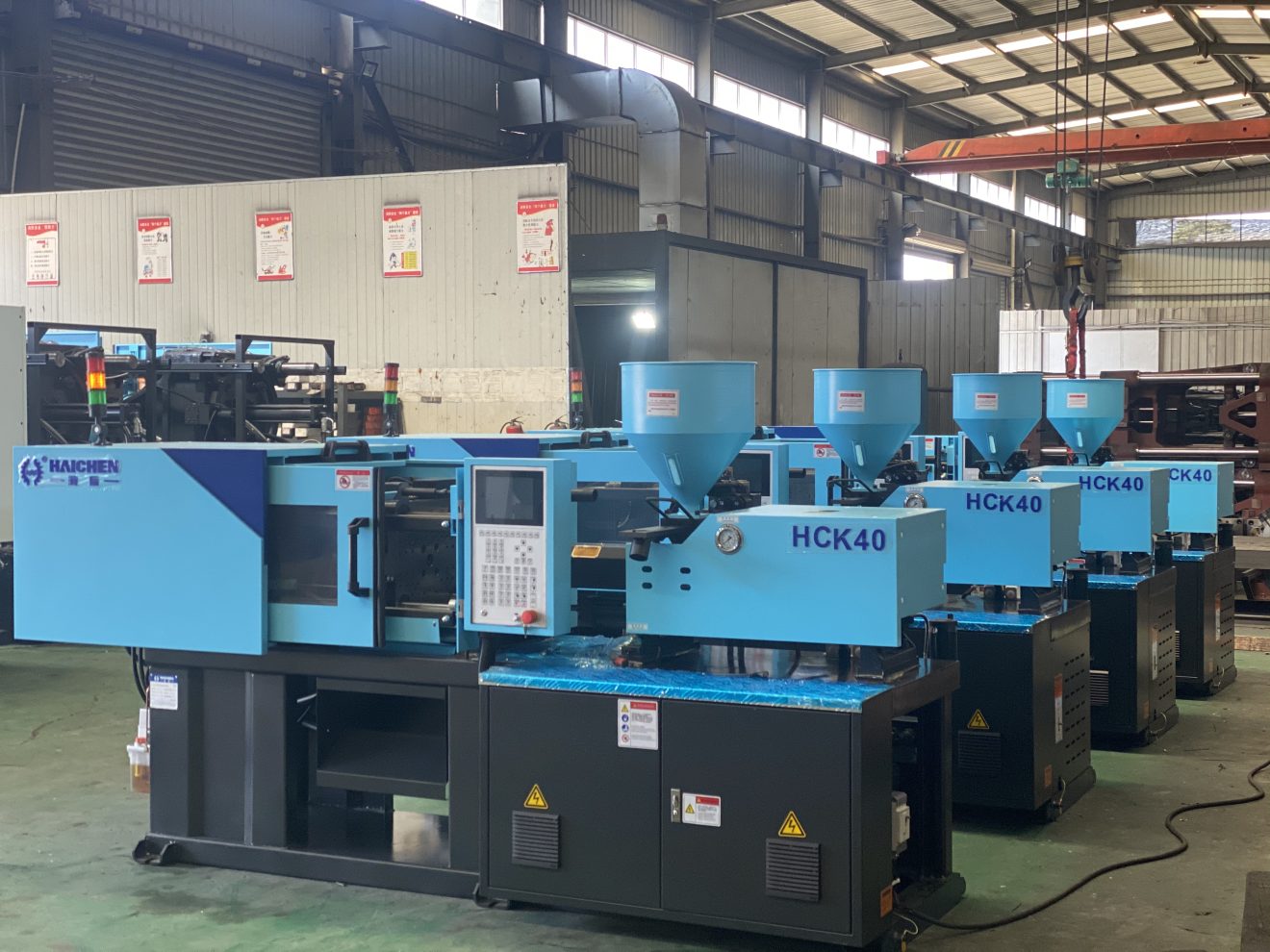
Haichen’s plastic injection molding machine is specially designed to meet the needs of toy manufacturing. It uses hydraulic pumps and servo motors for operation to ensure efficient and precise performance.
Clamping device: We use computer simulation to design the clamping unit of the LEGO molding machine, optimizing its motion and dynamic characteristics holistically. This design incorporates computer-parameterized diagonal rows of five support points with a double crank web structure template.
Injection device: the injection device of LEGO molding machine adopts double cylinders and double guide rails, different screws are available for customers to choose, which can meet the molding requirements of ABS and other plastic materials required for the manufacture of LEGO blocks. Adopt high performance low speed torque direct drive hydraulic motor.
Hydraulic system: the hydraulic unit of LEGO plastic toy making machine adopts the world famous brand oil pump and control valve, which has more excellent pressure-bearing performance, and effectively ensures the precision, reliability, stability, durability and low-noise environmental protection characteristics of the machine.
How much does Lego injection molding cost?
The cost of making a LEGO set is influenced by various factors, such as design complexity, material quality, licensing fees, labor costs, packaging, and logistics.
Factors that influence the cost of making LEGO sets
Let’s explore the complexity of LEGO manufacturing costs in more detail and why are LEGO molds so expensive?
Design complexity
The complexity of LEGO toy designs can significantly affect production costs. Elaborate toys with intricate details, moving parts, and special elements require more resources and advanced manufacturing techniques, which increases overall costs.
Materials and quality
LEGO’s commitment to quality includes using high-grade ABS plastic to make its bricks, ensuring durability and precision. The cost of sourcing high-quality materials increases production costs, but helps extend the life and play value of LEGO sets.
Licensing and intellectual property
Collaborations with popular franchises such as Star Wars, Marvel, or Harry Potter require licensing fees, which affects production costs. These collaborations enhance the appeal of LEGO sets, but they come at a premium.
How much does it cost to make a LEGO mold?
The cost of making a LEGO mold can vary greatly depending on a variety of factors including complexity, size, material, and design requirements.
Why are LEGO molds so expensive?
The complexity of LEGO mold production is reflected in its extremely high precision requirements, detailed cavity design, and strict standards for materials and workmanship.
These factors together require the use of advanced technology and professional craftsmen to ensure that each LEGO brick fits perfectly with other bricks, making mold manufacturing a technology-intensive and costly process.
Cost Ranges for Lego Mold Making
1.Prototyping Phase
The initial prototyping phase of a Lego mold can cost anywhere from a few thousand dollars to tens of thousands of dollars, depending on the complexity of the design and the number of iterations required for improvement.
2.Tooling and Production
The tooling and production costs for a single Lego mold can range from a few thousand dollars to tens of thousands of dollars. High-quality molds designed for mass production are usually more expensive.
The Value of LEGO
Today, we produce around 75 billion LEGO blocks worldwide each year, offering over 3,700 variants of the original plastic blocks. In the LEGO ecosystem, parts represent the smallest unit of production, and we maintain a highly standardized overall production process, which gives us a clear cost advantage and allows us to sustain a gross margin of around 70% for many years. In addition, the reusability of these LEGO parts minimizes the pressure on inventories and improves operational efficiency. By utilizing the flexible assembly of these parts, LEGO has been able to differentiate and diversify its products. The future of LEGO is expected to bring more creativity and possibilities.
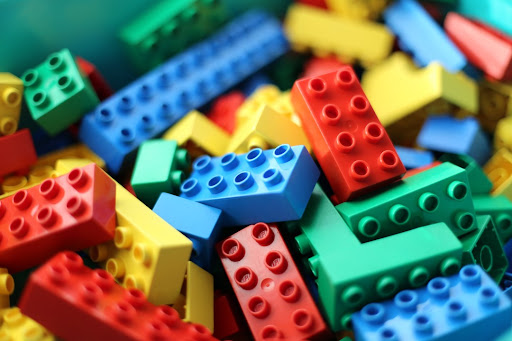
The LEGO molding machine is capable of mass-producing complex plastic LEGO parts, which provides great flexibility while ensuring efficiency in meeting market demands. We use the LEGO molding machine for injection molding to reduce production costs and increase productivity.
Upgrading to Energy-Efficient LEGO Molding Machines
Modern LEGO injection molding demands more than precision—sustainability is now essential. Haichen’s advanced LEGO injection molding machines reduce energy consumption by 35% using servo-electric systems, critical for producing billions of bricks annually. Our LEGO molding machines feature:
- Quick-change mold interfaces: Cut downtime to under 18 minutes when switching between LEGO injection molds (e.g., 2×4 bricks to specialty elements)
- Real-time pressure monitoring: Ensures defect-free output for high-volume LEGO molding orders
- Modular designs: Compatible with diverse LEGO moulding machine configurations
These innovations address key challenges in how LEGOs are distributed globally—efficiency and consistency at scale.
Why Choose Haichen for LEGO Production?
As a leader in injection molding machine LEGO solutions, Haichen delivers:
- Custom LEGO injection molds for complex geometries
- Energy-saving LEGO molding machines for sustainable manufacturing
- End-to-end support from prototyping to mass production
Whether optimizing LEGO injection molding for classic bricks or new designs, our machines ensure precision while reducing operational costs.