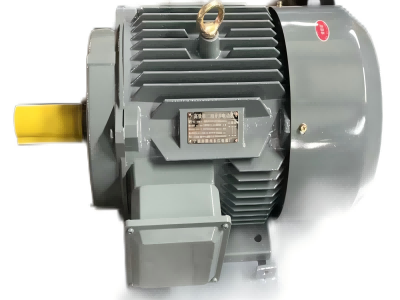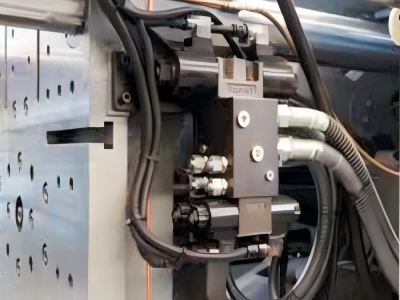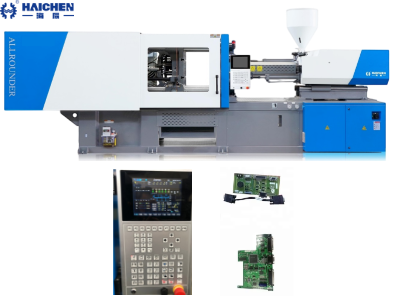
4 Types of servo motors for injection molding machine are Permanent magnet synchronous servo motor,Asynchronous servo motor,Direct drive servo motor,Hydraulic servo system with variable displacement pumps.
According to their energy source and method of operation. Each type offers unique advantages to suit specific production needs.
- Permanent magnet synchronous servo motor (PMSM)
- Asynchronous servo motor (ASM)
- Direct drive servo motor (Torque Motor)
- Hydraulic servo system (Electro-Hydraulic Servo)
Let’s take a closer look at the different types and see how they can improve the efficiency of your injection molding process.
Motor Selection Guide
| Demand dimensions | Preferred motor type | Core parameter reference |
| Micro high-precision parts | Direct drive servo | Repeat positioning accuracy ≤±0.01mm |
| High-speed thin-wall molding | Permanent magnet synchronous servo Speed | response ≤5ms, torque pulsation <2% |
| Low-cost heavy-load production | Asynchronous servo | Continuous overload capacity ≥200% |
| Ultra-large structural parts | Hydraulic servo System | pressure ≥250bar |
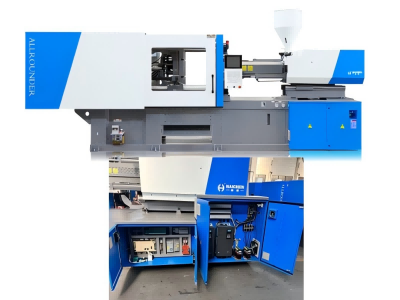
Permanent Magnet Synchronous Servo Motor (PMSM)
Working Principle
The rotor is embedded with NdFeB permanent magnets, and the stator is energized to generate a rotating magnetic field, driving the rotor to rotate synchronously (no slip loss).
Core Advantages
- High torque density: 50% smaller than asynchronous motors at the same power, suitable for compact machines;
- Stable low-speed control: Torque fluctuation is less than ±1% at 0.1rpm, avoiding uneven melting;
- Excellent energy efficiency: Haichen HTD series has an actual energy consumption of 0.4kWh/kg (ABS products), reaching IE5 energy efficiency.
Application Scenarios
Micro gears (mold weight <0.1g), medical catheters and other ±0.02mm tolerance products; Optical-grade PMMA lens molding (constant temperature melting glue is required to prevent ripple defects).
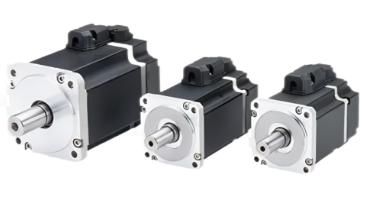
Asynchronous servo motor (ASM)
Working principle
The stator magnetic field induces the rotor copper bar to generate current, generating asynchronous torque to drive the load.
Core advantages
- Strong overload resistance: instant 300% overload without stalling, suitable for glass fiber reinforced materials (such as PA66+GF30);
- Easy maintenance: no permanent magnets, resistant to 140℃ high temperature environment (such as near the barrel);
- Cost advantage: 20%~30% lower price than permanent magnet motor.
Application scenarios
Thick-walled parts such as automobile door panels (cycle>60s), logistics pallets, etc.; Long-term melting of materials containing abrasive fillers (carbon fiber, metal powder).
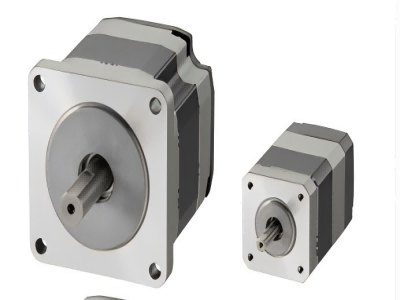
Direct-drive servo motor
Working principle
The motor rotor is directly connected to the screw to eliminate the gear/belt transmission gap.
Core advantages
- Zero backlash transmission: injection position control accuracy reaches ±0.005mm (equivalent to 1/15 of a hair);
- Fast dynamic response: It only takes 15ms to accelerate from 0 to 300mm/s, suitable for multi-stage variable speed injection;
- Maintenance-free design: no lubrication requirements, in line with GMP pharmaceutical standards.
Application scenarios
Micron-level parts such as mobile phone SIM card slots and heart stents; Liquid silicone (LSR) precision measurement (fluctuation <0.3%).
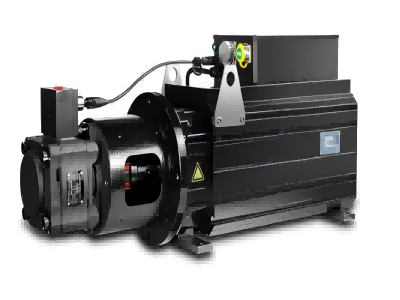
Hydraulic servo system
Working principle
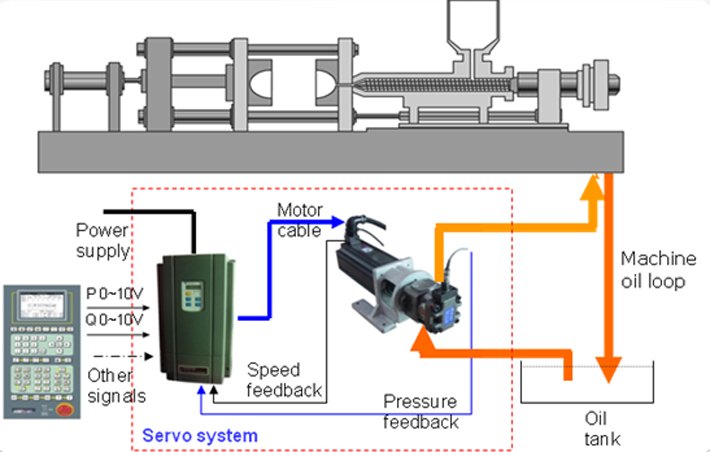
The servo motor drives the quantitative pump, and the output flow is controlled by the pressure sensor in a closed loop.
Core advantages
- Strong compatibility: can directly replace the variable pump system of the traditional hydraulic press;
- Ultra-high pressure output: clamping force>8000 tons (such as large ship float);
- Significant noise reduction: operating noise <70dB (traditional hydraulic press>85dB).
Application scenarios
Massive injection molding of building formwork (product weight>50kg), wind turbine blade skeleton, etc.; Energy-saving transformation of hydraulic press (investment payback period <1.5 years).