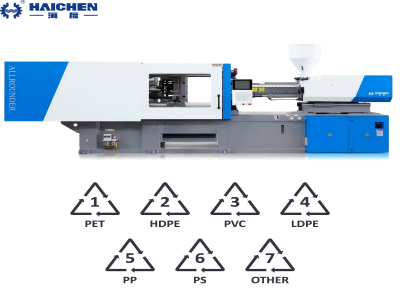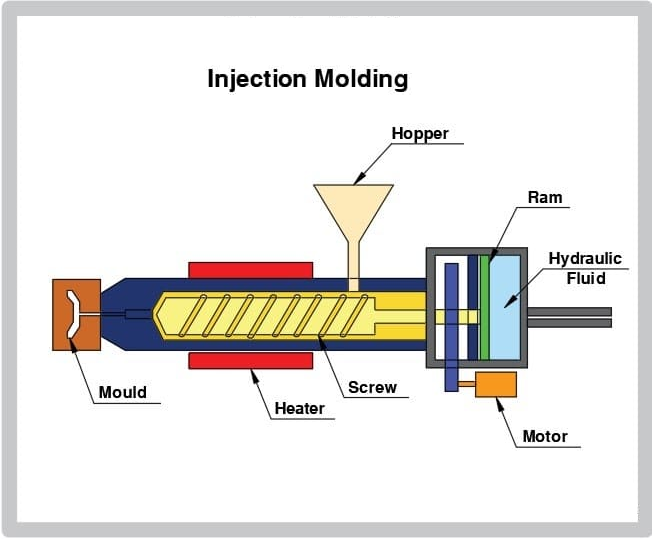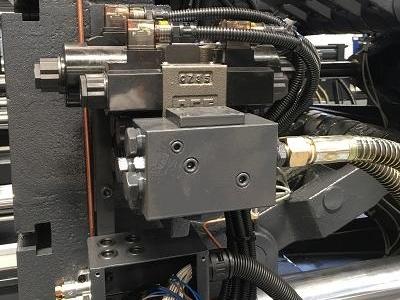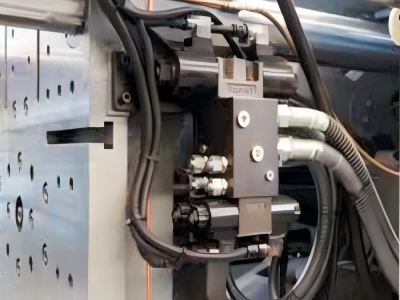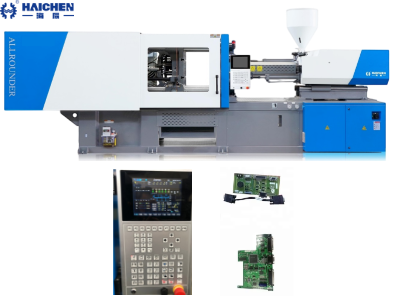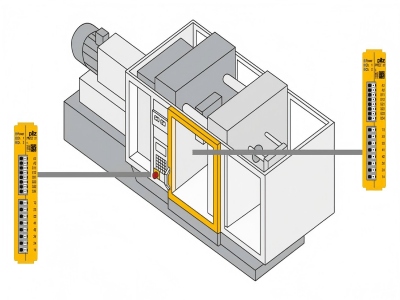
Essential Electrical Safety Components on injection molding includes electrical safety equipment, grounding and insulation resistance, electrical connections and wiring,etc.
The electrical safety components of the injection molding machine include limit switches, emergency stop buttons, grounding protection devices, safety PLCs, protective devices, sensors, etc. These components can effectively ensure the safe operation of the equipment and the life safety of the operators through reasonable wiring, correct operation and regular maintenance.
An injection molding machine electrical safety components are the critical part. Ensuring the normal operation of the equipment and the safety of operators. The following are the importance and related requirements of electrical safety components of injection molding machines.
Electrical safety in injection molding machine relies on high-quality components (motors, controllers), strict wiring specifications (grounding, isolation, protection), regular testing, and standardized operations (power isolation, protective equipment). Ignoring any link may lead to short circuits, fires, or mechanical failures. Therefore, it is necessary to combine technical standards and on-site management to form a systematic safety protection system.
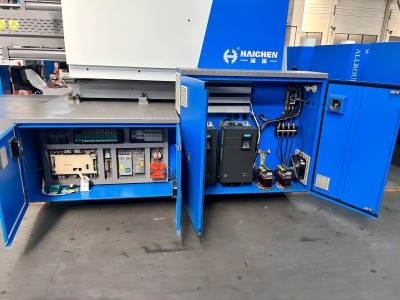
Electrical safety equipment
Injection molding machines usually equipped with a variety of electrical safety equipment. It includes limit switches, emergency stop buttons, grounding protection devices, etc.
The purpose of these devices is to prevent accidental startup, avoid the risk of electric shock. Moreover, to ensure that the machine can stop quickly in an emergency.
For example, limit switches use to ensure that the machine can only be started when the mold is closed. While emergency stop buttons immediately stop all movement in the event of danger.
Core Protection Devices (Active Safety System)
Emergency Stop Button
- Function: Immediately shuts off power to the equipment and terminates all operations.
- Necessity: The first line of defense against sudden dangers (Table).
Safety Gates & Interlocks
- Physical barrier design automatically locks during operation to prevent contact with molds or moving parts.
- A mechanical/hydraulic/electrical triple interlock system ensures safe operation.
Safety Sensors
Detects personnel approaching hazardous areas (such as the mold area) and automatically shuts down the machine.
Critical Electrical Components (Passive Safety)
Overload and Short-Circuit Protection Devices
- Includes fuses, circuit breakers, and other devices to prevent fires caused by circuit overloads or short circuits.
- Safety-critical components that meet UL standards.
Grounding System
- The equipment ground terminal must connect to a ground wire to prevent electric shock.
- Unconnected grounding may result in electric shock.
Temperature Controllers and Heating Elements
- Precisely control temperature to prevent overheating, with built-in over-temperature protection.
- Failure can cause overheating and material ejection or fire.
Power Supply Units
Stability directly impacts safe equipment operation and must protect against voltage fluctuations.
Operational Safety Standards (Human Risk Prevention and Control)
Power-off Operation Requirements
- Main power must disconnect before entering the mold area.
- The oil pump motor must shut down during maintenance.
Prohibit tampering with safety devices
Prohibit operation if any safety device (such as a sensor or interlock) is damaged or modified.
Perform regular electrical system inspections.
Check for problems such as aging wiring and loose connectors to prevent malfunctions.
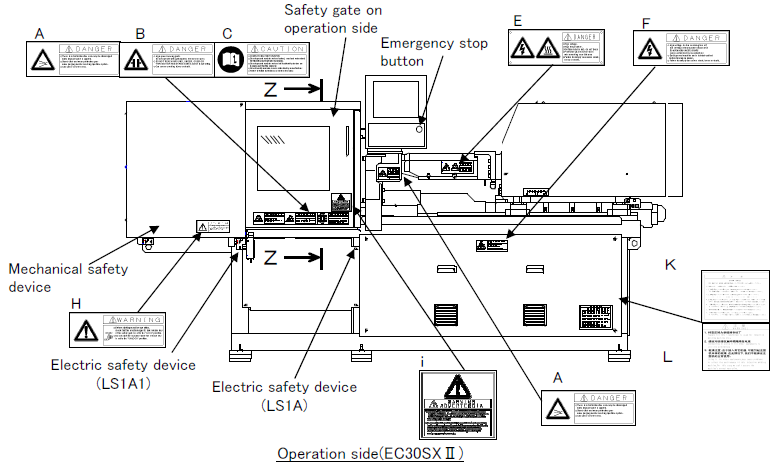
Grounding and insulation resistance
The electrical system of the injection molding machine must meet grounding requirements to prevent electric shock accidents caused by leakage. For example, according to the DIN EN 60204-1 standard, the insulation resistance test must ensure that the insulation resistance of the power connector is not less than 1MΩ.In addition, grounding protection devices (such as grounding rods and grounding wires) are also an important part of electrical safety.
Core Safety Protection Mechanisms of grounding
Grounding provides a low-impedance path for fault currents, preventing electric shock and equipment damage. Metal equipment casings (such as injection molding machines and molds) must be reliably grounded to ensure that any leakage current is safely conducted to the ground.
Special Requirements for Injection Molding Machines: Injection molding machines must be grounded first; failure to do so may cause electric shock or equipment failure.
Grounding Resistance Standards
- Generally, the requirement is ≤4–5Ω. The requirements for electric vehicle-related equipment are even stricter (≤0.1Ω).
- Regular Testing Required: Use specialized instruments to measure grounding resistance and ensure low values.
Specific Implementation Specifications
- Use copper or copper-plated steel grounding rods.
- Connections must be treated with corrosion protection.
- Injection molding machine hydraulic systems, temperature controllers, and other auxiliary equipment must all be independently grounded.
- When handling high-temperature components (such as nozzles), wear insulating gloves and disconnect the power cord.
Insulation resistance provides safety
- Insulation provides dual protection.
- Insulation material encases conductors to prevent accidental contact.
- Regular insulation resistance testing can detect aging or damage early.
Testing and maintenance requirements
- Insulation resistance testing is required after equipment installation.
- High-temperature components such as injection molding machine cables and heating coils require special inspection to prevent insulation melt damage.
- Damaged wires must be replaced immediately.
Special safety regulations for injection molding machine
Strict equipment operation regulations
- Maintain safety doors in the mold area. Disconnect the main power supply during maintenance and display warning signs.
- Electrical injection molding machines must be equipped with short-circuit protection.
- Thick cotton gloves must be worn during high-temperature production (>120°C).
Regular maintenance and inspection
- Inspect grounding points for corrosion and looseness monthly, and conduct insulation resistance tests quarterly.
- Injection molding machine safety devices (such as emergency stop buttons) must be verified daily for functionality.
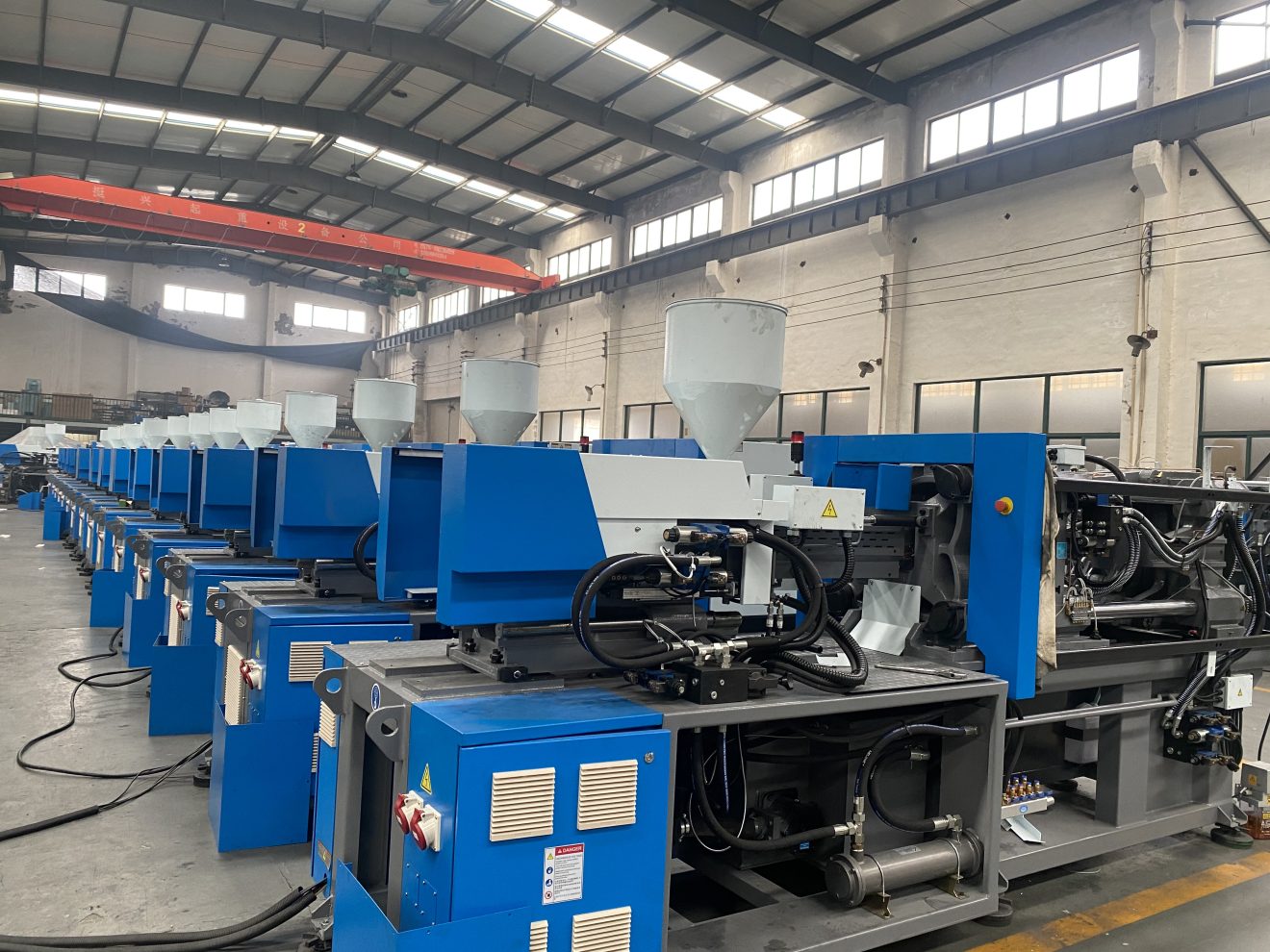
Electrical connections and wiring
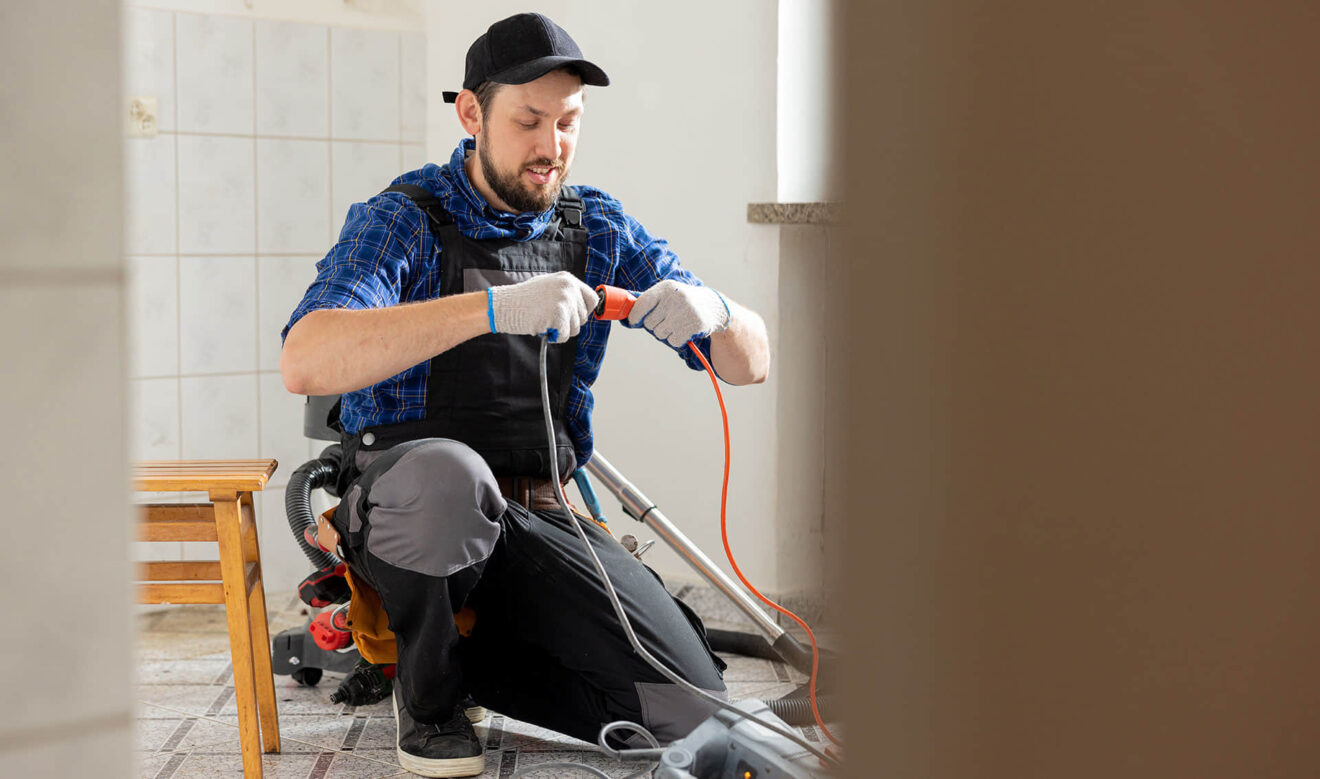
Proper electrical connections and wiring are key to avoiding electrical failures and potential hazards. For example, the cables must be properly connected to the motor. And ensure that the wiring of the power supply and control system meets the specifications. Incorrect wiring may cause equipment damage or cause safety accidents.
Connector and Wiring Specifications
Use power cables and connectors (such as terminal blocks and solder points) that meet specifications. Ensure good insulation and no loose connections. All wiring must be tested for shorts or breaks using a multimeter.
Grounding Protection
The equipment grounding terminal must be securely connected to the ground wire to prevent the risk of electrical leakage.
Isolated Layout of Power and Weak Currents
Power and weak current cables must be laid out separately to reduce interference and facilitate maintenance. The control box must be dustproof and waterproof to avoid operation with wet hands.
Protective Devices
Safety doors must be equipped with mechanical/electrical/hydraulic interlocks to automatically shut off the oil pump and power supply when the door is opened. Protective covers must not be removed without authorization.
Safety PLC and control system
Modern injection molding machines usually use safety programmable logic controllers (Safety PLC) to manage the safety functions of the machine. This system controls the power on and off by receiving input signals from safety devices, thereby improving safety.
PLC Safety Function Implementation and Standard Compliance
Safety PLCs are dedicated controllers that comply with international safety standards (such as IEC 61508 and EN 954-1).
They respond to input signals from safety devices (such as emergency stop buttons and safety door switches) and execute fail-safe actions such as power disconnection or energy isolation to prevent personal injury or equipment damage.
Duplication of safety circuits through software redundancy reduces potential points of failure associated with hardware redundancy, improving system reliability.
Self-diagnosis and fault monitoring
Safety PLCs feature extensive self-diagnostic capabilities, monitoring hardware status, program execution, and operating system anomalies in real time to ensure safety is not compromised in the event of a failure.
Safety Control System Advantages
- Risk Reduction: Fail-safe design (such as automatic pressure relief valves and dual-channel control) significantly reduces the risk of accidents such as explosions and mechanical extrusion.
- Flexibility and Compatibility: Supports modular expansion (such as distributed I/O) to accommodate injection molding machines of varying sizes, and enables secure network communication through protocols such as Ethernet/IP Safety.
- Easy Maintenance: Software programming (such as state transition diagrams) simplifies safety logic adjustments and reduces the complex maintenance associated with traditional relay circuits.
Protective devices and sensors
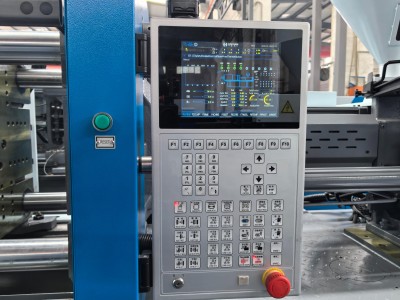
Injection molding machines are equipped with a variety of protective devices, such as mechanical limit switches, hydraulic safety valves, and electronic sensors. These devices can automatically stop the machine when the mold is open or an abnormality occurs, thereby protecting operators and equipment.
Emergency Stop Button
- Function: Allows immediate termination of all machine operations in an emergency to prevent personal injury or equipment damage.
- Importance: Must be installed within easy reach of the operator to ensure rapid response (e.g., abnormal movement, material leaks, etc.).
Safety Gates & Interlocks
- Function: Physical barriers that automatically lock while the equipment is operating, preventing personnel from entering hazardous areas (e.g., moving parts, high-pressure areas).
- Mechanism: Interlocks trigger a shutdown if the safety gate is opened.
Pressure Release Valves
Function: Automatically release excess pressure to prevent molten plastic from exploding or spraying due to pressure buildup.
Machine Guards
Purpose: Cover hazardous areas such as hot parts (e.g., heating cylinders) and moving screws to prevent contact burns or mechanical injuries.
Safety Monitoring Sensors
- Proximity Sensors: Detect when a person approaches a hazardous area and automatically shut down the machine to prevent injury.
- Light Curtains: Detect when a person approaches a hazardous area using an infrared beam, stopping the machine when the beam is blocked (e.g., a hand enters the hazardous area).
Temperature Sensors
- Function:
Monitors mold temperature (typically between 150–450°C) to prevent overheating that could lead to material degradation or equipment failure. - Detects cooling system anomalies (e.g., water blockage) to prevent accidents caused by insufficient heat dissipation.
- Technical Features: Uses K-type thermocouples for corrosion resistance and high accuracy, with direct contact with the melt surface for measurement.
Pressure Sensors
- Applications:
Real-time monitoring of injection cavity pressure to optimize the filling and holding processes and prevent overpressure explosions. - Predicting melt solidification time through pressure integration to control quality and reduce scrap.
- Multi-cavity mold monitoring: Deploy multiple sensors in a multi-cavity mold to ensure balanced filling of each cavity.
Mold Protection Sensors
- Electronic Eye: Detects residual foreign matter before the mold closes to prevent mold pressure damage.
- Position Sensor: Monitors mold opening and closing status to ensure the effectiveness of the safety door interlock system.
Haiche injection molding machine
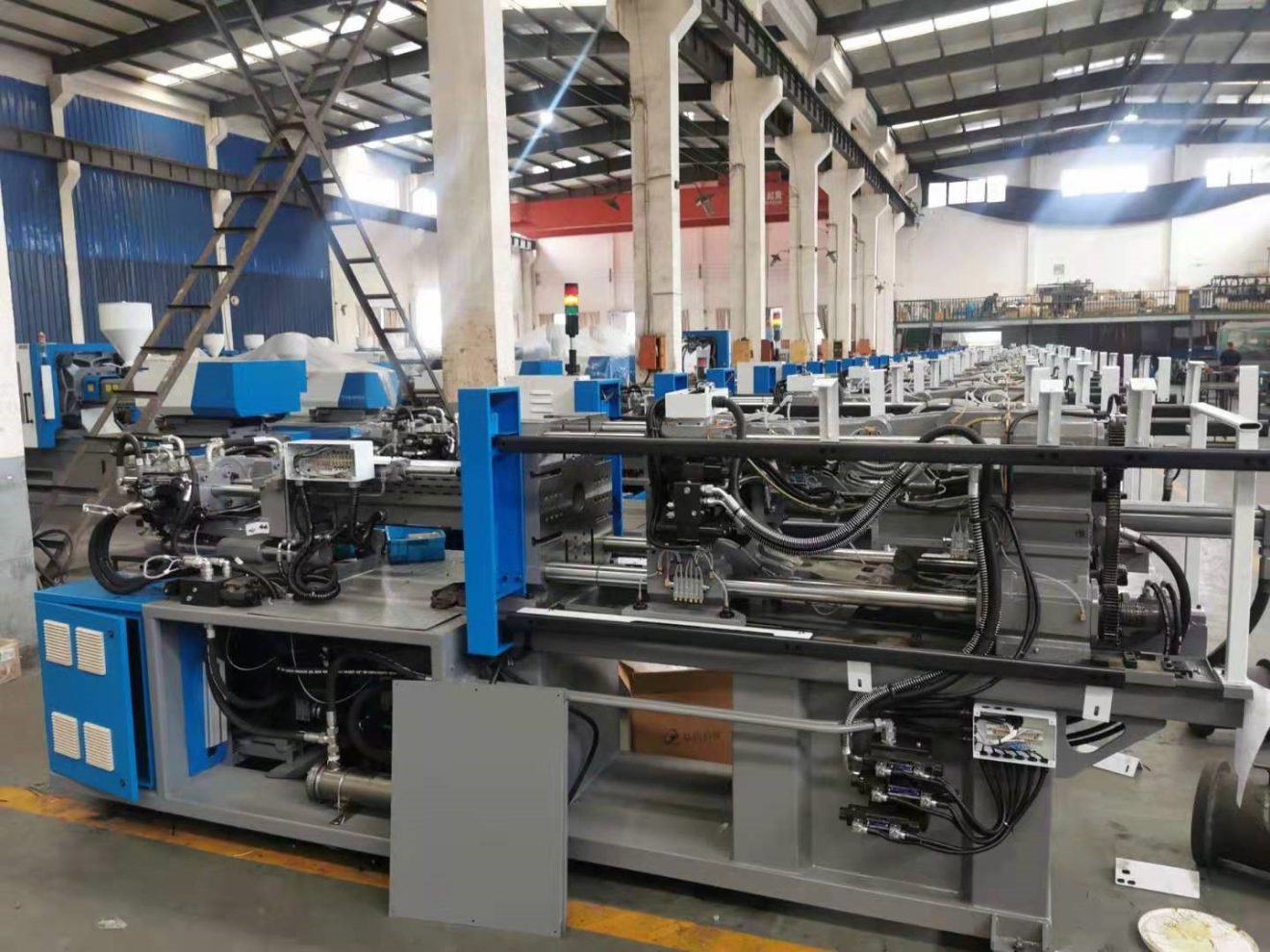
Haichen is one Chinese injection molding machine manufacturer in Ningbo. In addition, Haichen has more than ten years of rich experience in the production of plastic injection molding machines. All our servo energy saving injection molding machines quality are under CE safety standars certificate.
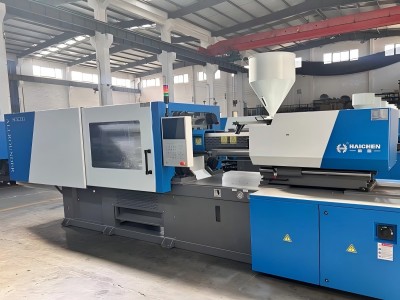
With more than 10years professional production experience, we supply stable hydraulic clamping cylinder structure and hydraulic clamping system.Thus it can ensuare production effeciency and product quality.
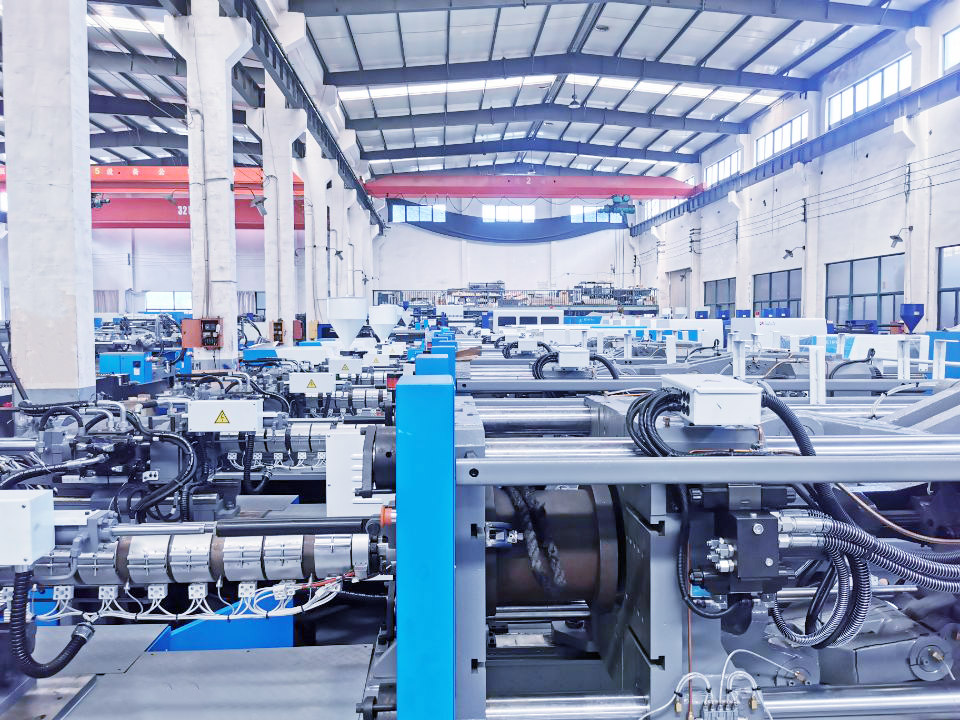
Haichen have rich experience of producing plastic products, with successfully cases for your reference. We can supply complete production line as per customer’s specific demand.
Consider the above. You can choose a suitable plastic injection molding machine and mold to ensure product’s quality and production efficiency.
Haichen will try our best to help our customers to develop a reasonable and efficient control of the cycle time of the injection moulding process according to the specific situation of each customer’s plastic products, including plastic raw materials, mould structure design, and other factors.
Welcome contact us!