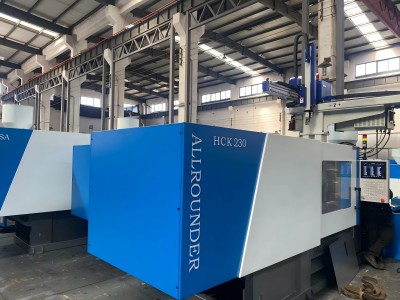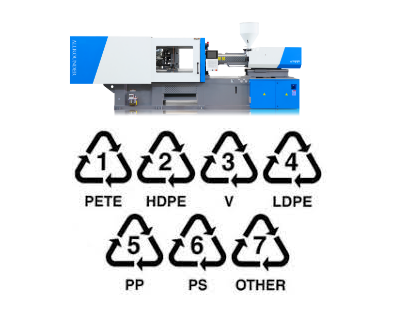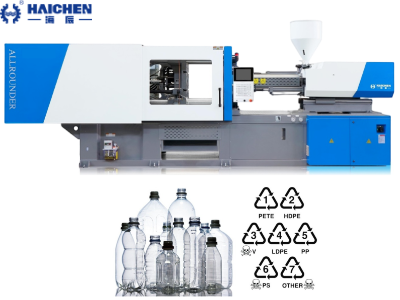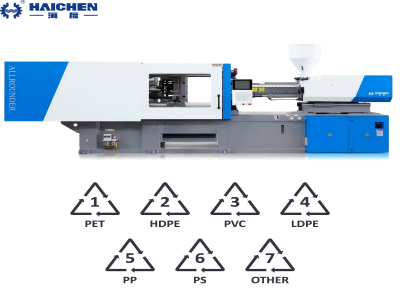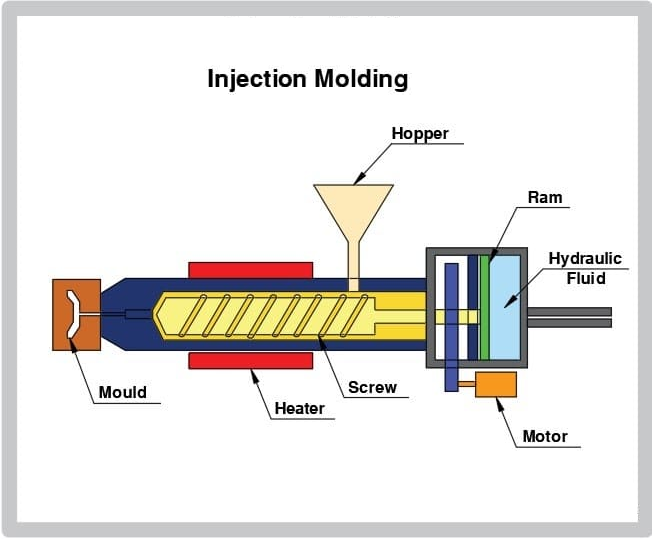
Injection moulding has excellent performance in efficiency, cost, precision, flexibility, material adaptability, environmental protection, etc. It has become a powerful technology for large-scale production of various industrial production with complex design requirements.
Injection moulding is one of the most widely used manufacturing processes globally, particularly for producing plastic parts.Its popularity stems from a combination of efficiency, precision, and versatility.
A core advantage of injection molding is its high production efficiency and short cycle time. Once the mold design is completed, injection molding can be highly automated and run continuously without human intervention.
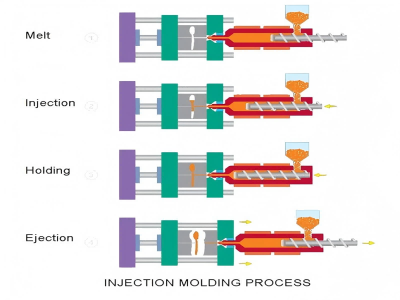
Advantages and characteristics of injection molding production
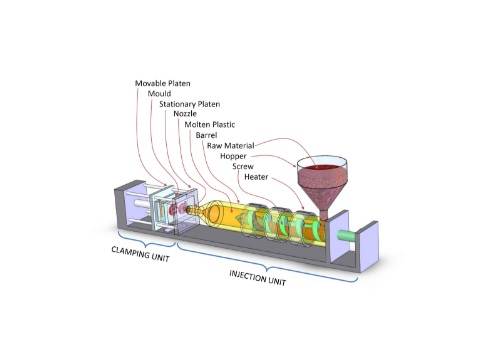
Below are the primary reasons why injection moulding is advantageous let’s check them out:
- High Efficiency and Scalability
- Precision and Consistency
- Material Versatility
- Cost-Effectiveness
- Superior Surface Finish
- Strength and Durability
- Wide Industry Applications
- Sustainability Benefits
High Efficiency and Scalability
- Mass Production: Once the mould is created, manufacturers can produce thousands to millions of identical parts rapidly (cycle times as low as 10–30 seconds).
- Automation: Fully automated systems reduce labor costs and ensure consistent output, ideal for high-volume orders.
Precision and Consistency
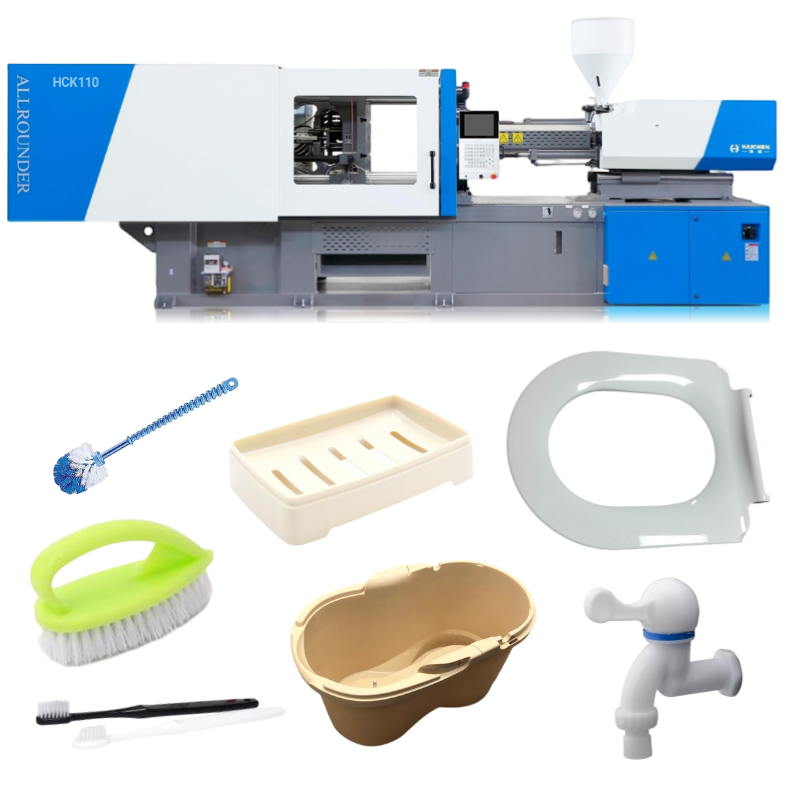
- Tight Tolerances: The process achieves high dimensional accuracy (±0.005 mm for critical features), ensuring uniformity across batches.
- Complex Geometries: Manufacturers can create intricate shapes, thin walls, and fine details (e.g., threads, logos, snap-fits) with minimal post-processing.
Material Versatility
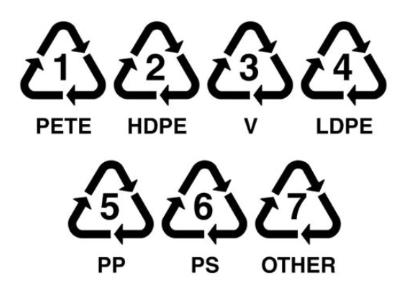
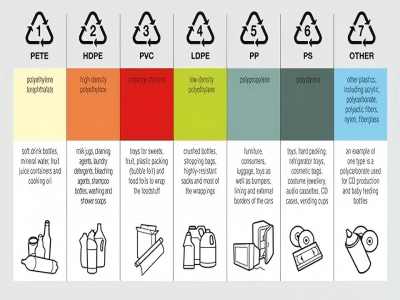
- Wide Range of Materials: The process works with thermoplastics (e.g., ABS, polypropylene, nylon), elastomers (TPU), and even bio-based or recycled plastics.
- Custom Properties: Additives like glass fibers, flame retardants, or UV stabilizers enhance strength, durability, or functionality.
Cost-Effectiveness
- Low Per-Unit Cost: High initial tooling costs are offset by low marginal costs for large production runs.
- Minimal Waste: Manufacturers often reground and reuse excess material (sprue, runners), reducing material waste.
Superior Surface Finish
- Smooth Surfaces: Parts emerge from the mould with high-quality finishes, reducing the need for polishing or painting.
- Custom Textures: Moulds can feature etched textures (e.g., matte, glossy, leather-like) for aesthetic or functional purposes.
Strength and Durability
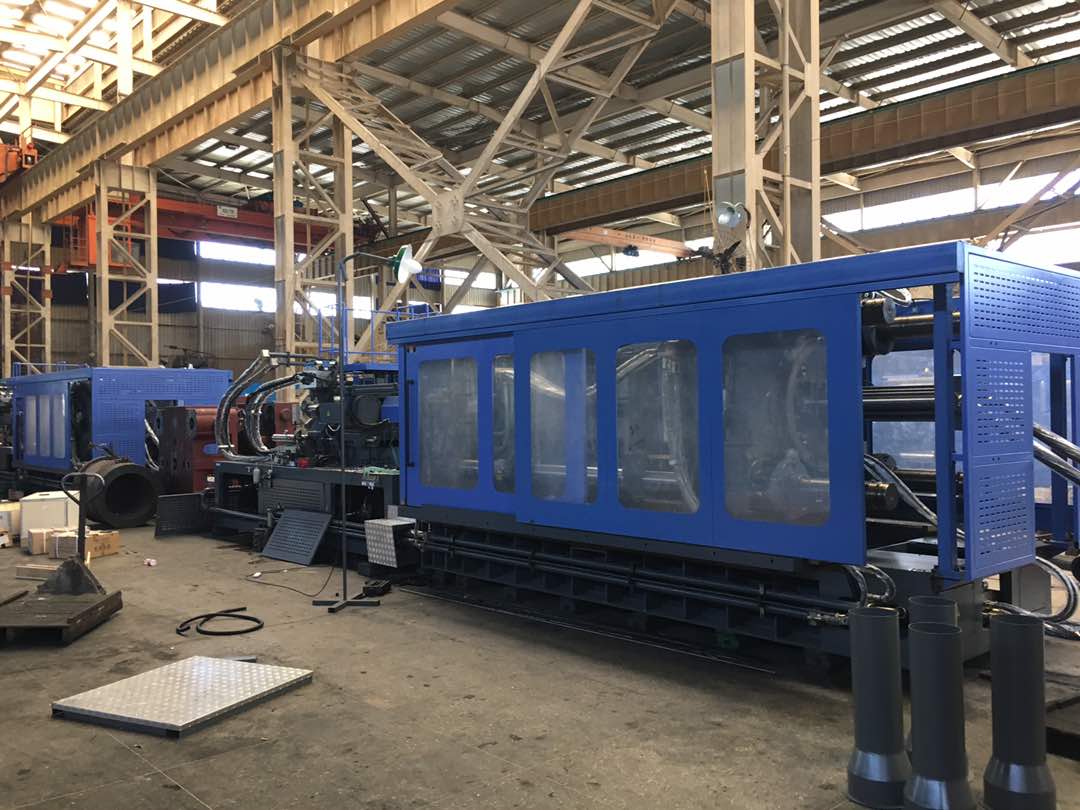
- Reinforced Parts: Fibers or fillers (e.g., carbon fiber, glass) improve mechanical properties.
- Uniform Structure: Unlike 3D printing, injection moulded parts have homogeneous material distribution, enhancing structural integrity.
Wide Industry Applications
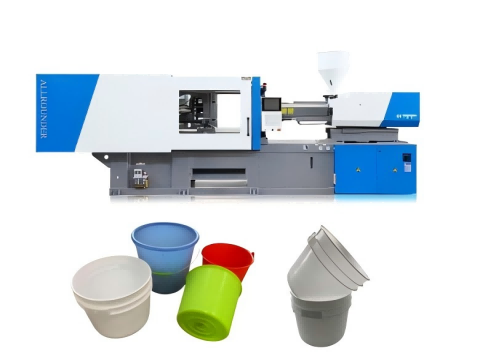
- Consumer Goods: Bottle caps, toys (e.g., LEGO bricks), and household items.
- Automotive: Dashboards, bumpers, and interior trim.
- Medical: Syringes, IV components, and surgical tools (with medical-grade resins).
- Electronics: Housings, connectors, and insulators.
Sustainability Benefits
- Recyclability: Many thermoplastics used in injection moulding are recyclable.
- Lightweighting: The process reduces material use and energy consumption in transportation (e.g., automotive parts).
Challenges and Considerations
- High Initial Costs: Mould design and fabrication require significant upfront investment.
- Design Constraints: Undercuts or overly complex geometries may require specialized tooling.
- Material Limitations: The process is not ideal for very high-temperature or corrosive environments without specialized resins.
Why is injection molding good for mass production?
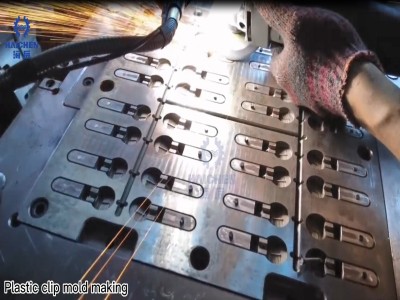
The reason why injection molding is suitable for large-scale production is mainly due to its advantages such as high efficiency, low cost, high consistency and design flexibility. The following is a specific analysis:
- High production efficiency and automation
- Extremely low unit cost
- High precision and consistency
- High adaptability to complex designs
- Material diversity and sustainability
- Economies of scale effect
High production efficiency and automation
The injection molding process is highly automated. Once the mold is installed, the machine can run continuously with almost no human intervention.
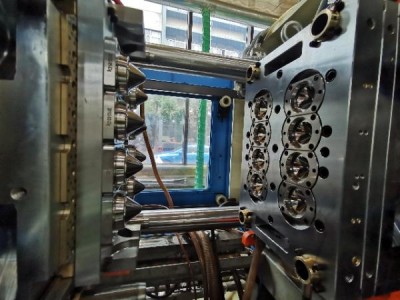
The single injection cycle is short (usually completed in a few minutes), and multi-cavity molds can produce multiple identical or different parts at the same time, significantly increasing production.
For example, when using stack molds or tandem molds, production efficiency can be further improved.
Extremely low unit cost
Although the initial cost of molds is high (especially steel molds), in large-scale production, this cost will be diluted to each part, making the unit cost extremely low.
For example, when producing millions of products, the mold cost has little effect on the price of each piece. In addition, automation reduces labor costs and high material utilization (waste can be recycled), further reducing costs.
High precision and consistency
The precision design of the mold and the high-pressure injection molding process ensure that the part size is highly consistent, which is suitable for products with strict tolerance requirements (such as electronic component housings and medical devices).
During the injection molding process, the molten material fills the mold under high pressure and forms a tightly structured part after cooling, which has excellent strength and durability.
High adaptability to complex designs
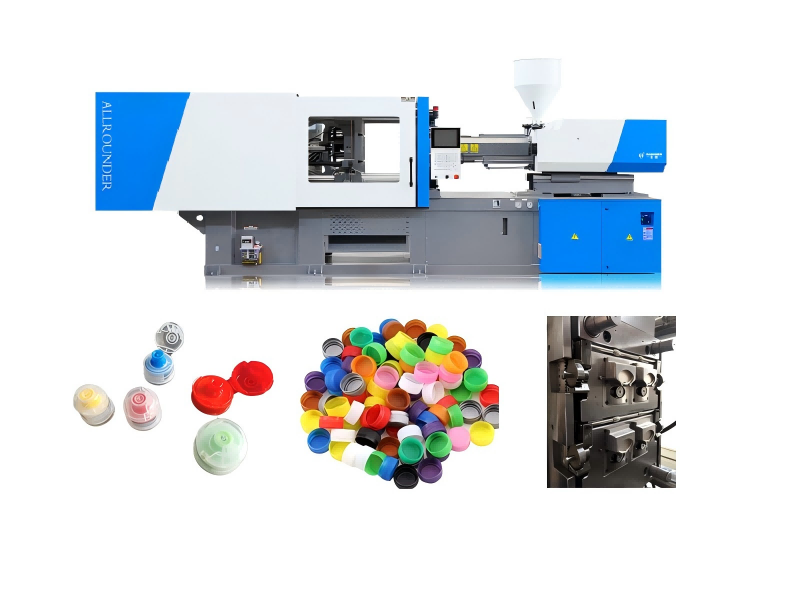
Injection molding can produce parts with complex shapes and fine details (such as threads, concave and convex textures), and even multi-material parts can be molded in one step through multi-color injection molding (2K/3K Molding), reducing secondary processing.
The mold design is flexible and supports rapid iteration, which is especially suitable for large-scale production that requires customization.
Material diversity and sustainability
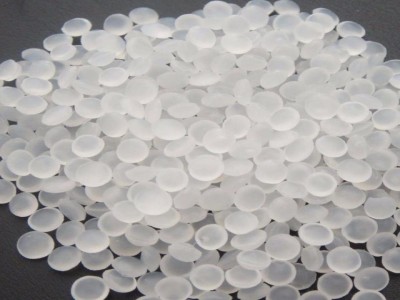
Supports a variety of thermoplastics (such as ABS, PC, nylon) and engineering plastics to meet different performance requirements (such as high temperature resistance and biocompatibility).
Waste materials (such as runner residues) can be recycled and reused, which is in line with the trend of sustainable manufacturing.
Economies of scale effect
As production increases, marginal costs continue to decline.
For example, when producing more than 100,000 pieces, the cost per piece may be only a few hundredths of that of prototyping.
This characteristic makes injection molding dominant in industries such as automobiles and consumer electronics that require large quantities of standard parts.
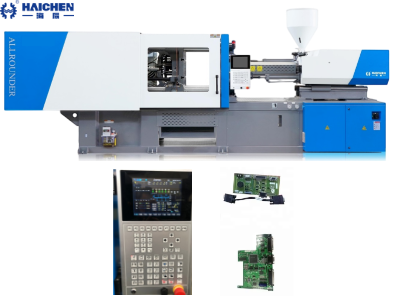
Haichen good injection molding machine
As an important injection molding machine manufacturer in China, Haichen injection molding machine has the following core advantages and technical features to meet diversified production needs:
- Product performance and technical advantages
- Product configuration and manufacturing capabilities
- Service and guarantee
Product performance and technical advantages
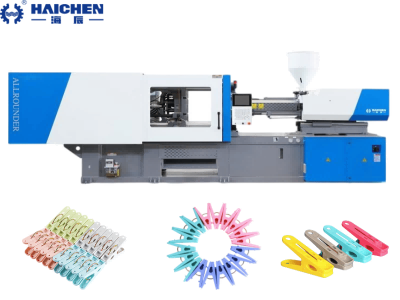
Wide applicability
Haichen injection molding machine covers multiple industry fields, including:
Pen manufacturing: supports high-precision production of pens, whiteboard pens, ballpoint pens, etc. to ensure quality and efficiency.
Thin-wall packaging: Fast and accurate injection molding is suitable for thin-walled products such as cosmetic packaging and medical supplies.
Chemical barrel production: equipped with safety relays to improve production efficiency and reduce costs while ensuring safety.
Daily necessities and medical supplies: such as pots, flower pots, oxygen tubes, blood collection tubes, etc., meet market demand through high-speed and high-efficiency characteristics.
High-precision and energy-saving technology
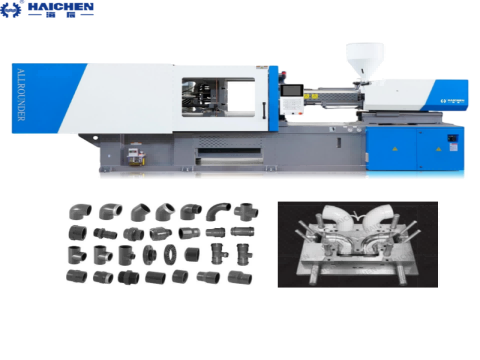
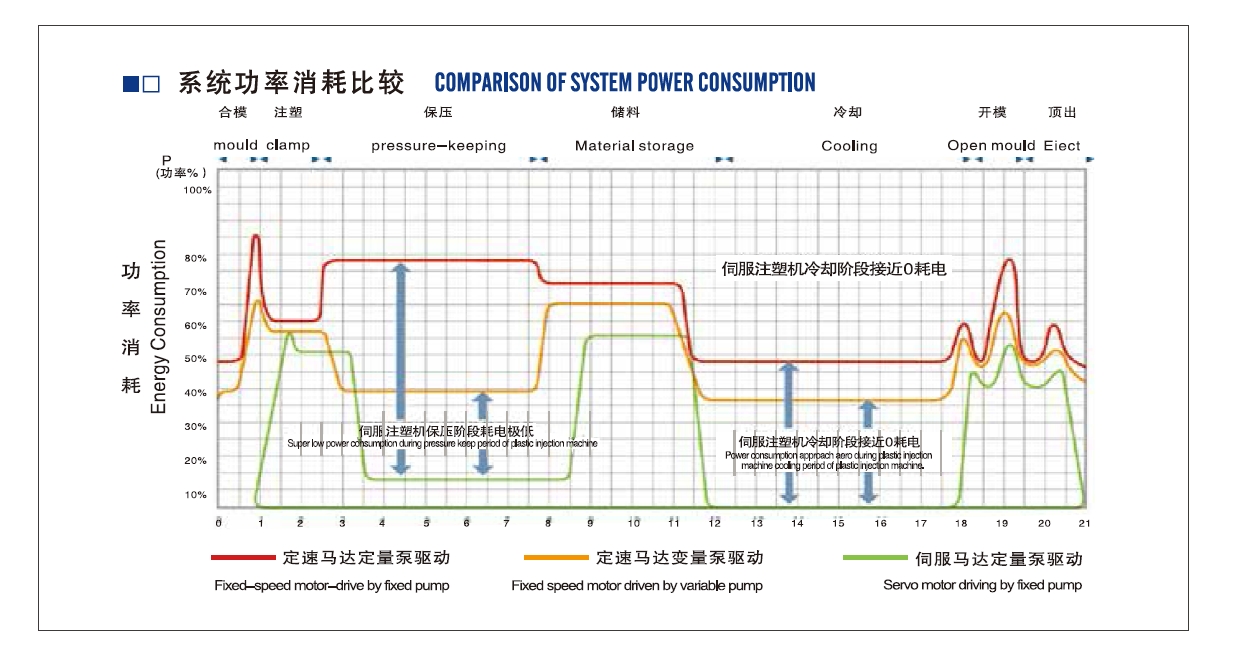
Servo energy-saving system: servo motor drive is used to achieve closed-loop control of pressure and flow, which saves 15-70% energy, improves efficiency by 10-50%, and improves accuracy by 2% compared with traditional hydraulic systems.
Multi-stage control: injection, pressure holding and other process sections support multi-level speed and pressure adjustment to ensure molding quality.
Diversified models and clamping force range
The clamping force covers 30 tons to 3000 tons, which can meet the production needs from small precision parts to large molds.
The mold is highly flexible: for example, the E series 150-ton model supports 160mm (minimum) to 450mm (maximum) mold height, which is suitable for products of different sizes.
Product configuration and manufacturing capabilities
Core components
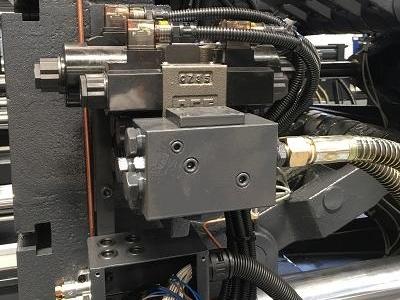
The hydraulic system uses international brand components such as German Rexroth pumps and Japanese Yuken valves to ensure stability and low noise.
The screw and barrel can be treated with bimetal or nitriding to meet special needs such as engineering plastics and fiber-reinforced materials.
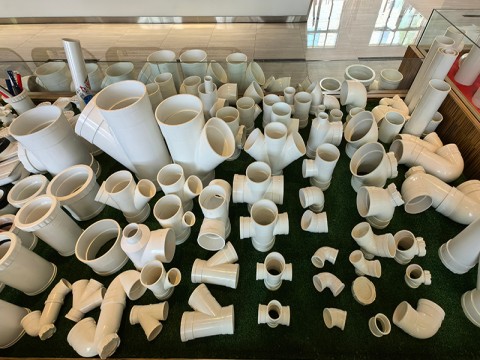
Intelligent control
Equipped with a dedicated controller (such as EST brand), it supports multi-language interface, mold parameter storage and real-time monitoring to improve the convenience of operation.
The Internet of Things function can be optionally equipped to achieve remote monitoring and production optimization.
Service and guarantee
Fast delivery and inventory support
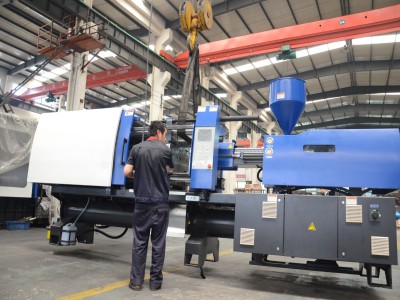
More than 100 inventory machines are always available to shorten the delivery cycle.
After-sales service and warranty
Provide 12-24 months warranty on parts (such as controllers, hydraulic pumps, etc.), and equipped with a professional maintenance team.
Damaged parts will be replaced free of charge during the warranty period, and engineers will be dispatched for on-site support when necessary.
Write by end
Injection moulding excels in producing high-quality, complex parts at scale with unmatched efficiency and consistency. Its adaptability to diverse materials, industries, and design requirements makes it indispensable for modern manufacturing. While initial costs and design limitations exist, advancements in mould technology (e.g., 3D-printed moulds for prototyping) and sustainable materials continue to expand its applications. For projects requiring precision, durability, and cost-effective mass production, injection moulding remains a top choice.