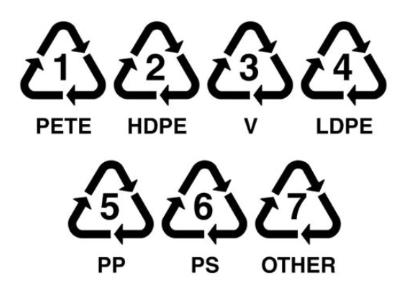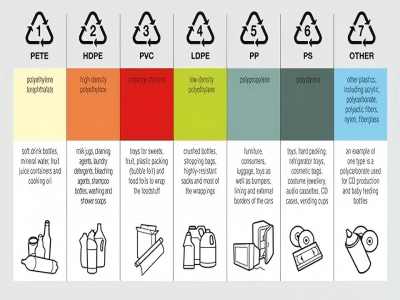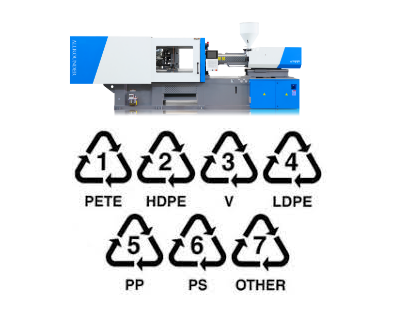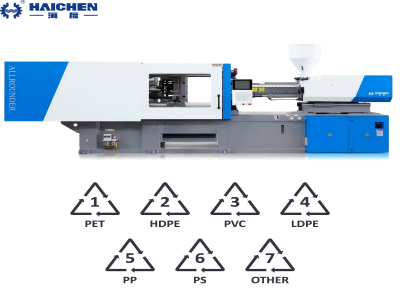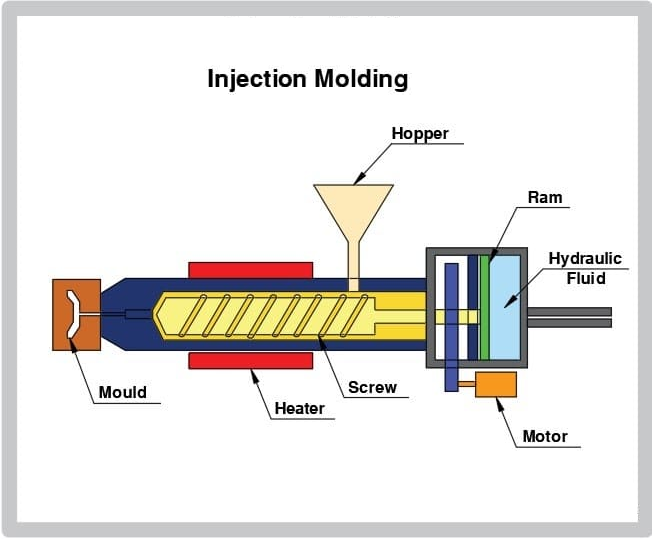
Materials used in injection molding include thermoplastics, engineering plastics, and bio-based options, chosen based on the application.
Injection molding is a widely used production process that can manufacture parts for everything from everyday household items to professional fields such as automobiles and aerospace.
The choice of materials directly affects the performance, use effect and production cost of the final product.
This article will analyze in detail the various materials commonly used in injection molding and their core characteristics.
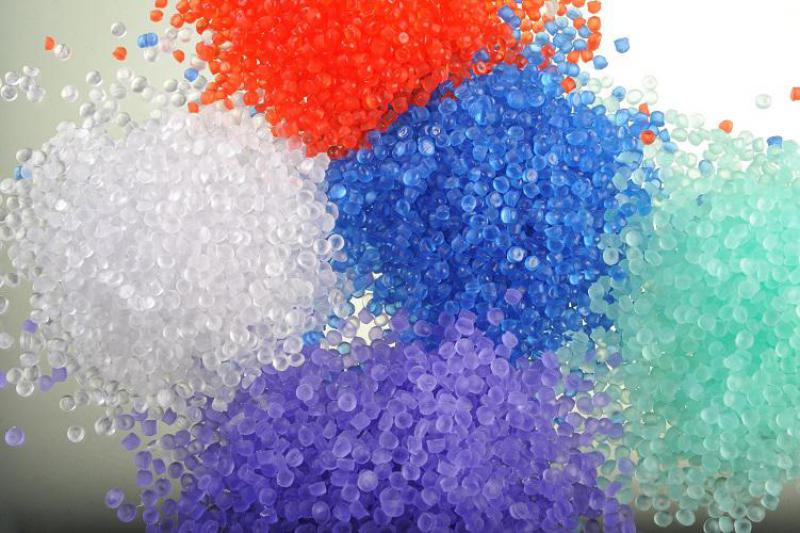
Common Materials used in injection molding
Thermoplastics
Thermoplastics are the preferred materials for injection molding because they soften when heated and solidify when cooled, making them a perfect fit for the injection molding process. Here are some common materials and their characteristics:
- Polyethylene (PE)
It is both flexible and durable, and has good resistance to chemical corrosion. Plastic shopping bags and large storage containers in daily life are made of this material. - Polypropylene (PP)
Its outstanding resistance to chemical corrosion combined with excellent mechanical properties makes it an ideal choice for automotive parts, food packaging boxes, and daily necessities (such as storage boxes). - Polystyrene (PS)
With its excellent adaptability, it is widely used in scenes such as disposable tableware, foam insulation boxes and transparent food boxes. - Polyvinyl chloride (PVC)
It has weather resistance and structural stability, and can be made into flexible products after adding plasticizers. It is commonly found in building water pipes, cable sheaths and medical equipment (such as infusion tubes).
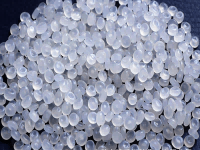
Thermosetting Plastics
Unlike thermoplastics, thermosets undergo irreversible chemical changes during the molding process and cannot be melted again after solidification. These materials are known for their high temperature resistance and high strength, and are widely used in areas with strict durability requirements:
- Epoxy resins: Due to their excellent electrical insulation properties, they are often used to manufacture electrical components (such as circuit board seals) and industrial adhesives.
- Phenolic resins: With their excellent heat resistance, they are suitable for electrical switchgear, automotive engine parts and kitchen utensil handles.
- Polyurethanes: They have both flexibility and impact resistance, and are mostly used in automotive seat fillings, building insulation foams and industrial seals.
Comparison of physical and chemical properties of key materials
| Material type | Mechanical strength | Temperature resistance (℃) | Transparency Chemical resistance |
| PP | Medium | ≤120 | Translucent Excellent |
| PC | High | ≥130 | Transparent Good |
| Phenolic resin | Very high | ≥200 | Opaque Excellent |
| TPE | Low | ≤90 | Variable Medium |
Engineering Plastics
Engineering plastics are a class of plastics with particularly good properties. They are strong, heat-resistant, and not easily corroded by chemicals. These advantages make them ideal for use in applications that require high forces, high temperatures, or contact with chemicals.
- Nylon (polyamide, PA): Nylon is very strong, particularly wear-resistant, and has a long service life. This feature makes it ideal for manufacturing gears, bearings, and various mechanical parts that need to move frequently or rub against each other.
- Acrylic (polymethyl methacrylate, PMMA): The biggest advantage of acrylic is its extremely high transparency, which is as clear as glass. Therefore, it is often used to make lenses, observation windows, and covers for various lamps.
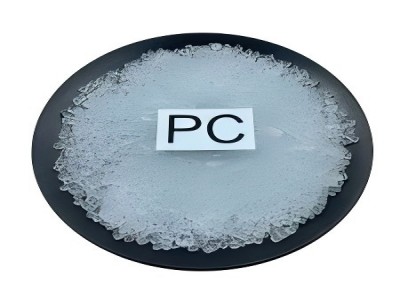
- Polycarbonate (PC): Polycarbonate has two outstanding advantages: one is that it is extremely impact-resistant and not easy to break; the other is that it is transparent. Therefore, it can be used in places that require high security protection (such as special protective windows), as well as in daily objects (such as CDs) and various transparent or impact-resistant parts in cars.
Bio-based and Biodegradable Plastics
With the improvement of environmental awareness, the application of bio-based plastics and degradable plastics has gradually increased. This type of material is made from renewable resources and can be gradually decomposed by natural action. It should be note that “bio-based” means that the raw materials come from biomass (such as plants or microorganisms), while “degradable” means that the material can decompose into harmless substances in a specific environment – the two are not necessarily relate.
Typical materials and their practical uses:
- Polylactic acid (PLA): Mainly extracted from corn starch, suitable for making disposable tableware, food packaging boxes, and 3D printing consumables. However, it should be noted that PLA degrades slowly in the natural environment and usually requires industrial composting conditions.
- Polyhydroxyalkanoates (PHA): Synthesized by microbial fermentation, it is often use in medical implants (such as surgical sutures) and high-end packaging materials due to its good biocompatibility. Compared with PLA, PHA can be degraded in a variety of environments such as soil and seawater.
Industry application cases: Material selection drives innovation
Automotive industry
- In the field of automobile manufacturing, polypropylene (PP) is widely use in the production of bumpers and interior parts due to its low cost and weather resistance, significantly reducing the manufacturing cost of the whole vehicle.
- Nylon 66 + glass fiber (PA66 + GF) has become an ideal choice for engine peripheral parts with its excellent mechanical strength and high temperature resistance, such as turbine intake manifolds and radiator end covers, which need to withstand operating temperatures above 200°C for a long time.
Electronic equipment
- In consumer electronics products, PC/ABS alloy takes into account both impact resistance and surface gloss, becoming the mainstream material for mobile phone shells, and its good processing performance supports complex curved surface molding.
- For precision parts such as micro connectors, the high dimensional stability and solder temperature resistance of liquid crystal polymer (LCP) (can withstand 260°C reflow process) ensure the assembly accuracy of micron-level parts.
Medical devices
- The transparent protective cover of surgical instruments is often made of PC material because it can withstand repeated high-temperature sterilization, allowing doctors to clearly see the inside of the instrument during operation;
- Orthopedic devices implanted in the human body are mostly made of PEEK material, which is not only compatible with human tissue, but also allows X-ray penetration, making it convenient to check the implantation position after surgery.
Environmentally friendly packaging
- Now many disposable tableware are made of PLA (polylactic acid). This material derived from corn starch can be naturally decompose by microorganisms after being buried in the soil, effectively reducing plastic pollution.
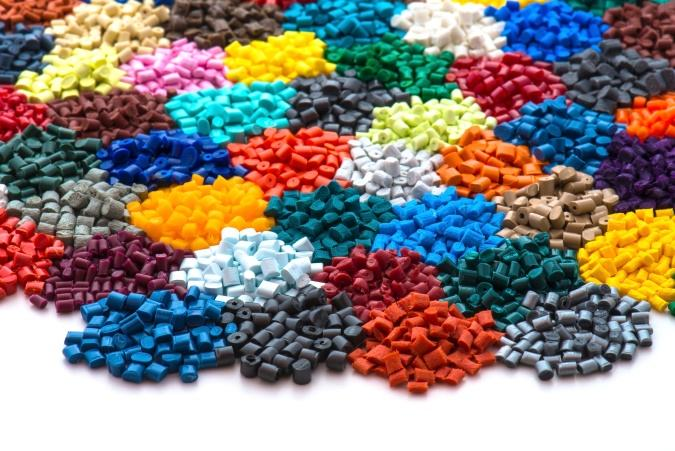
Key factors affecting material selection
When selecting materials, engineers need to weigh the following core factors:
Performance requirements
- Mechanical strength: Different parts have significantly different strength requirements. For example, gears usually require high-strength polyamide (PA), while engine parts rely on high-temperature resistant polyphenylene sulfide (PPS).
- Transparency: Optical parts need to prioritize transparency, so polycarbonate (PC) or polymethyl methacrylate (PMMA) become common choices.
Process adaptability
- Flowability: Materials with poor flowability (such as PC) require higher injection pressure, which directly affects production efficiency and cost.
- Shrinkage control: The shrinkage of polyethylene (PE) is as high as 1.5-4%. If it is not properly controlled, it will significantly reduce the dimensional accuracy of the part.
Cost and environmental balance
- Economical: The cost of general plastics (such as PP/PE) is much lower than that of engineering plastics (such as PEEK), which is critical for budget-sensitive projects.
- Sustainable trends: Recycled materials (such as rPET) and biodegradable plastics (such as PLA) are becoming industry hotspots, and they are more in line with environmental protection (ESG) requirements.
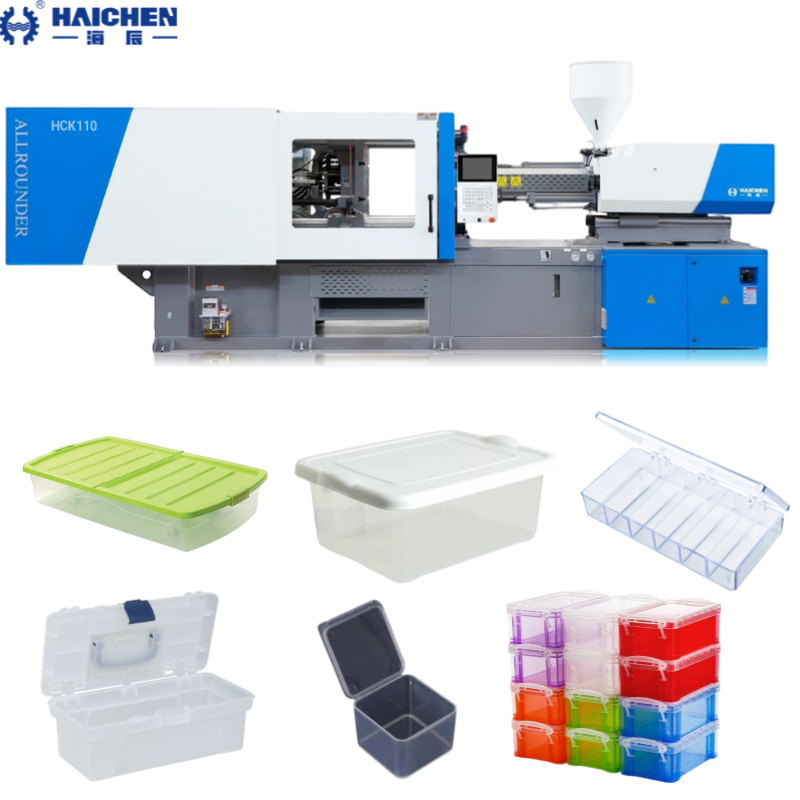
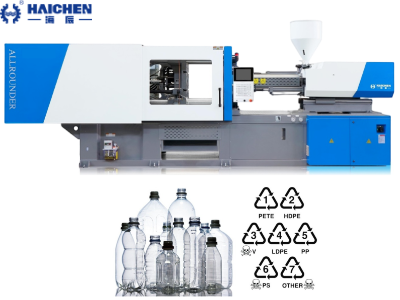
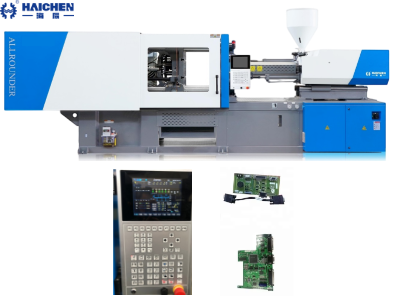
China Haichen Injection Molding Machine Manufacturer
HAICHEN is a top manufacturer in the injection molding machine field. Our machines help customers get the most out of their injection molding process. They handle lots of different materials reliably, making parts precisely and efficiently.
Here are some key things HAICHEN machines offer:
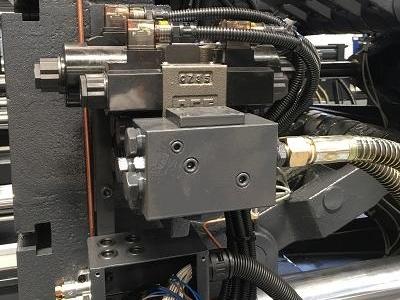
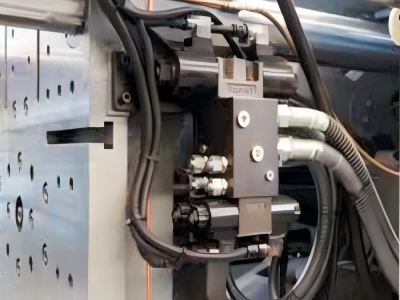
- Precise Control: Our machines have advanced systems that let you adjust temperature, pressure, and speed settings very precisely. This control is crucial for consistently making high-quality parts.
- Energy Savings: We build energy-saving technology into our machines. This helps lower your operating costs and reduces their impact on the environment.
- Automation Help: Features like robotic arms for handling parts and built-in quality checks are available. These boost your output and can cut down on labor costs.
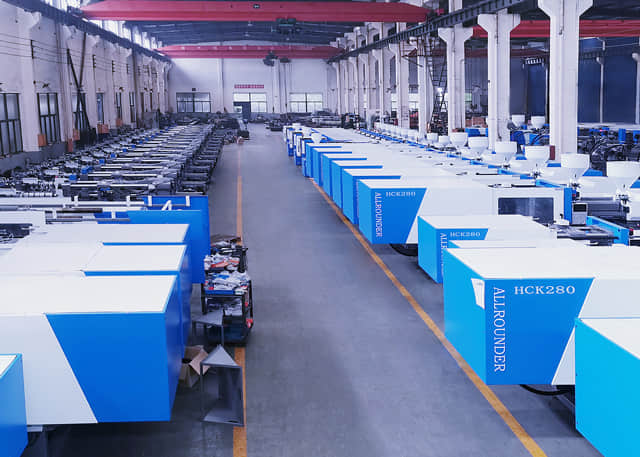
During the injection molding process, the choice of materials directly affects the characteristics and actual performance of the final product. Engineers need to select the appropriate type from thermoplastics (such as polypropylene commonly used in automotive parts), engineering plastics (such as ABS resin used in electronic housings), bio-based materials (suitable for environmentally friendly products) or thermosetting resins (used for high-temperature resistant parts) according to the specific use of the product (such as mechanical stress, contact with chemical solvents or high temperature environment). This diversity enables manufacturers to accurately match the needs of different scenarios. For example, medical equipment requires materials to be biocompatible, while sports equipment requires high impact resistance materials.