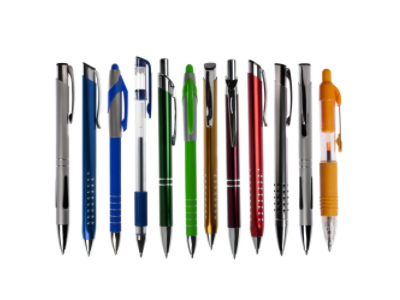
Ballpoint Pens Manufacturing combines multiple innovations in precision mechanics, materials science, and chemical technology.
It is one of the most widely used writing instruments in modern society.
Ballpoint pens are manufactured through a process that involves several key steps: ink formulation, component production.
Including the ball and socket mechanism, barrel, cap, assembly.
Automation plays a significant role, especially in large-scale production, with robotic arms assembling components and automated systems ensuring quality control.
Ballpoint Pens Manufacturing Process
The manufacturing process of ballpoint pen can be divided into six core links, each of which requires highly specialized technical support.
Design and R&D
According to market demand (such as student pens, business pens) to carry out appearance and function design.
Involving ergonomic holding, ink flow simulation and other special research.
For example, high-end ballpoint pens need to consider the engraving process of the metal barrel and the ratio of the center of gravity.
While the student pen focuses on non-slip design and low-cost optimization.
Material Preparation
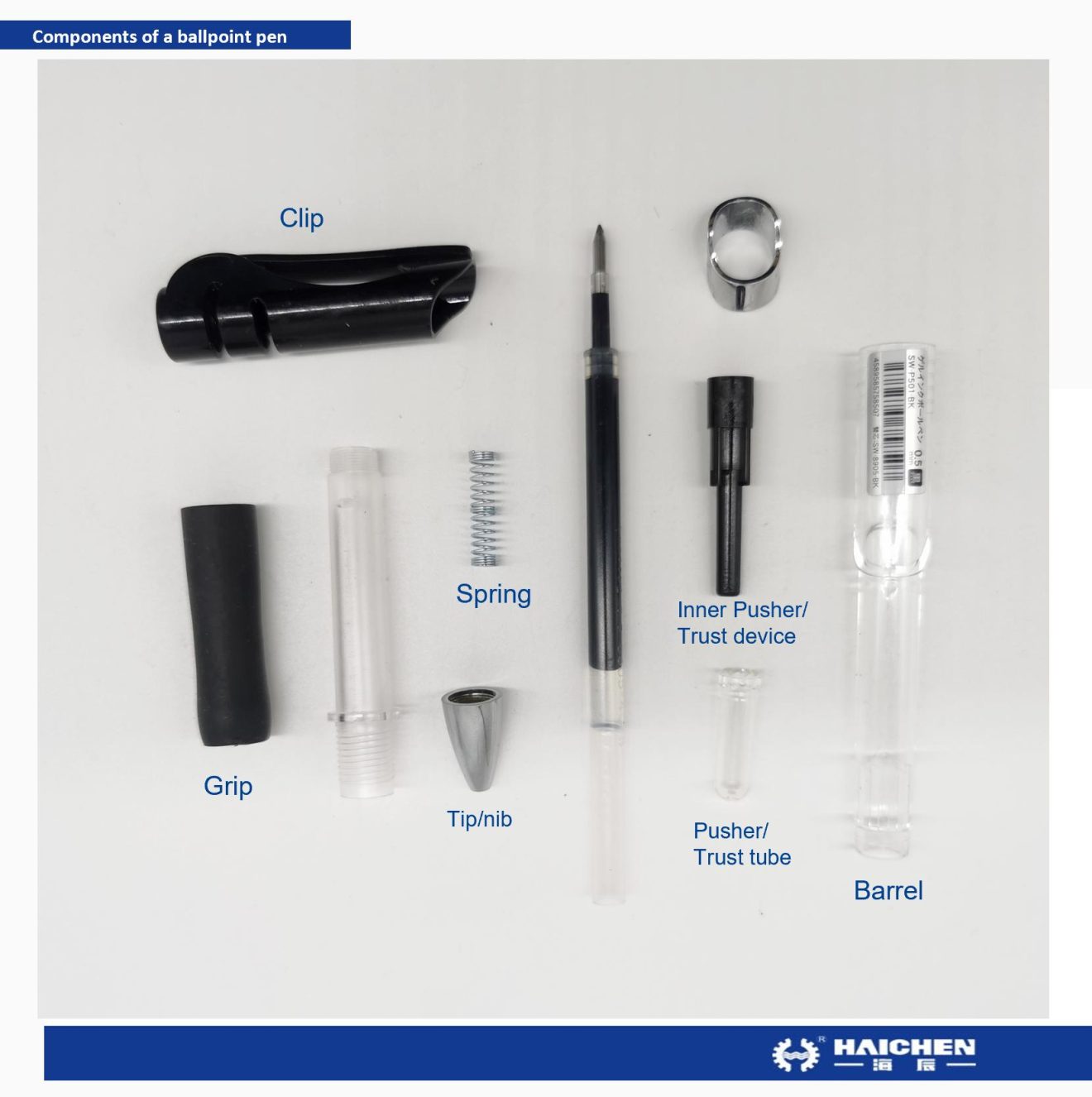
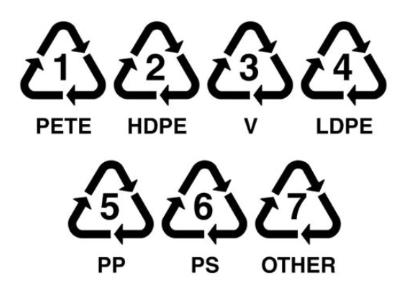
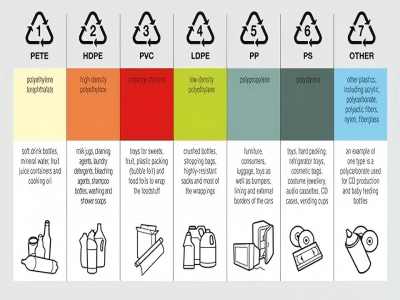
Plastic (ABS, PP, etc.) is used for injection molded pen barrels, metal (stainless steel, aluminum alloy) is used for high-end pen bodies.
And tungsten carbide is used for nib balls. Use eco-friendly materials.
Such as biodegradable PLA plastics, recycled paper tubes or wood-based materials in special scenarios.
Ballpoint Pens Core component manufacturing
Nib processing
A compressor forming and polishing machine processes tungsten carbide balls to a diameter of 1 mm, and controls the accuracy error at the micron level.
The machining process creates 5 ink grooves inside the nib tube to ensure the ink releases evenly.
Ink preparation
Oil-based inks require solvents, pigments, and viscosity modifiers in their formulation.
While water-based inks require the addition of anti-penetration agents to improve paper adaptability.
Assembly & Commissioning
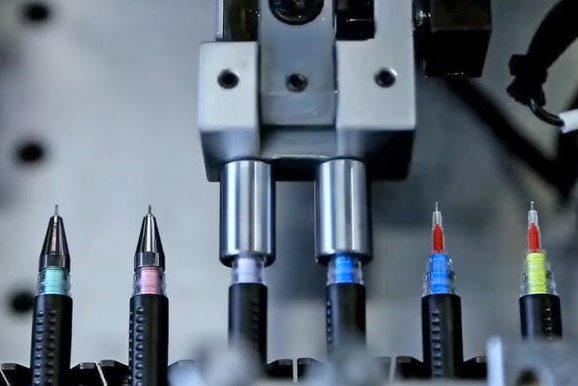
The refill (nib ink system) and barrel are assembled by automated equipment, and it is necessary to ensure that the seal is tight to prevent ink leakage.
In the debugging stage, it is necessary to test the fluency of writing and the consistency of ink output such as the lubricity tester developed by Chenguang Stationery.
Quality inspection
Traditional testing includes writing length test (writing distance of up to 3 km for a single refill) and drop test.
Innovative technology
Chenguang Stationery uses machine vision and deep learning technology to achieve full-process defect detection, and the accuracy rate is increased to 99.5%.
Packaging & Logistics
AI technology optimizes packaging design (e.g., reducing material waste) and supply chain management (e.g., inventory forecasting, transportation route planning).
Ballpoint Pens equipments and technology applications
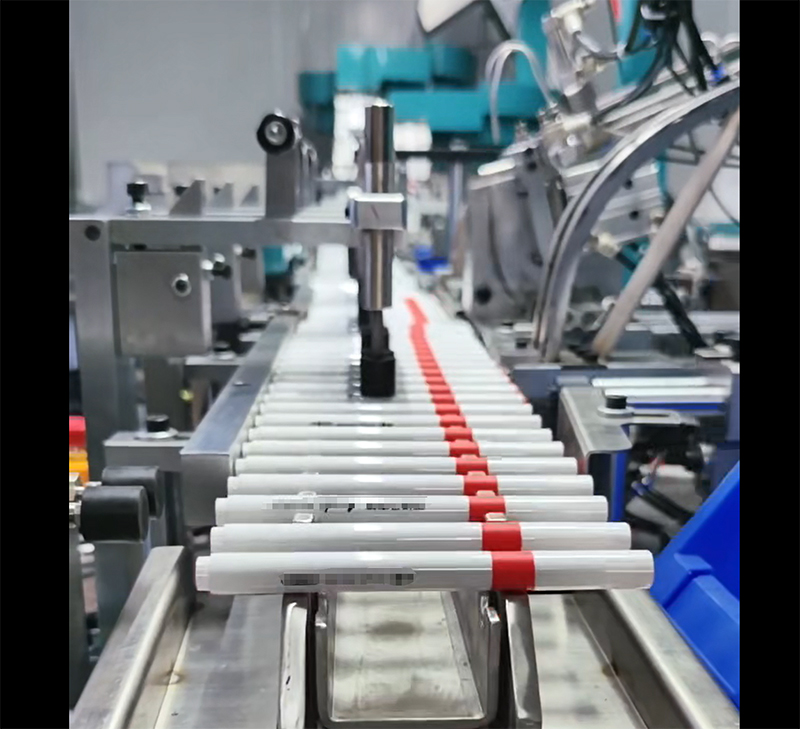
Core manufacturing equipment
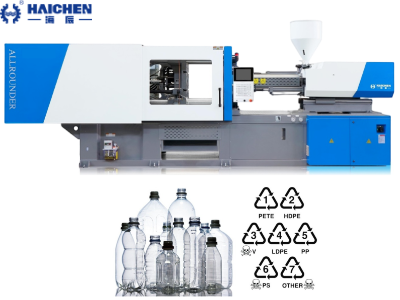
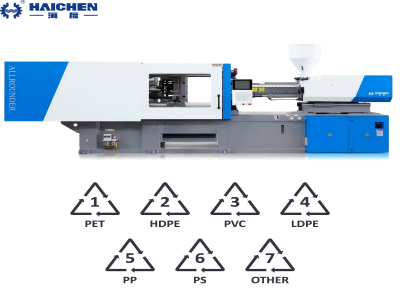
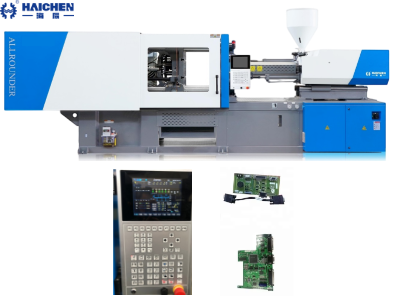
Injection molding machine multi-cavity mold design to improve production capacity, such as 1 mold and 8 cavities to produce pen barrels.
Five-axis CNC machine
for high-precision machining of the ink guide groove of the pen tip.
Centrifugal degassing machine
Remove air bubbles in the refill ink to avoid ink breakage.
Intelligent technology AI quality inspection
Machine vision detects nib defects (such as burrs and eccentricities) with an accuracy rate of > 99.9%.
Internet of Things (IoT)
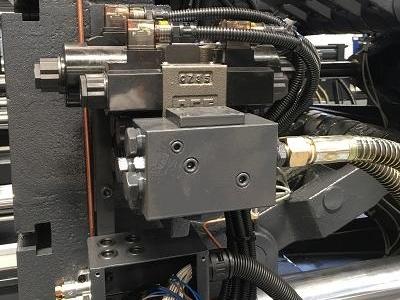
Real-time monitoring of injection molding machine temperature and pressure parameters to predict equipment failures.
Digital twin
Virtual simulation optimizes production line layouts and reduces downtime.
The central role of injection molding machines in the production of ballpoint pens
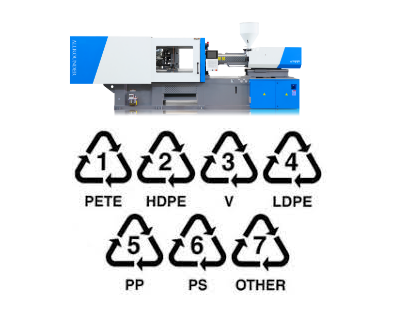
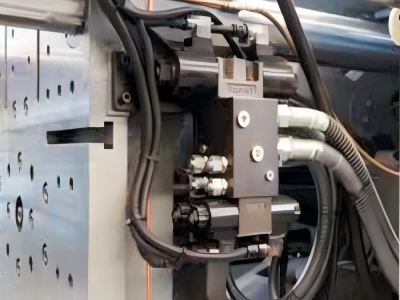
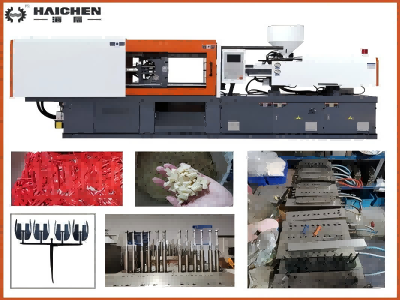
Injection molding machines are the core equipment for the manufacture of plastic parts of ballpoint pens, such as pen barrels and caps.
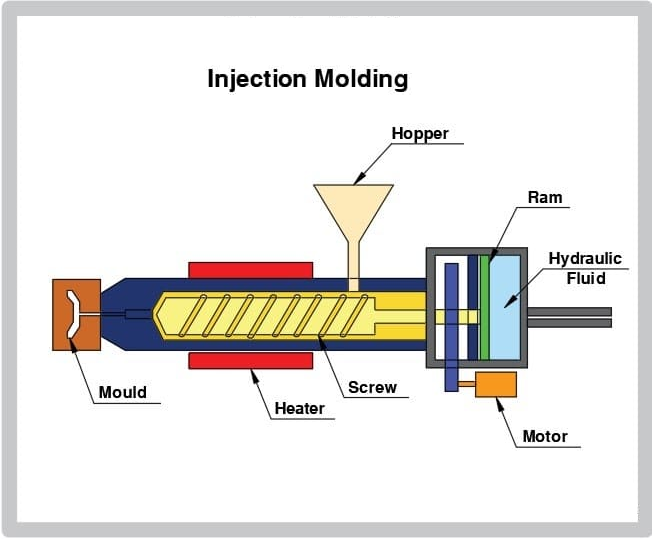
The working principle is to heat the plastic particles to a molten state, inject them into the mold cavity at high pressure.
And cool and shape them to obtain the desired shape of the part.
High-precision control
By adjusting the injection pressure (up to 180 MPa), melt temperature (e.g. 180-280 °C for PE materials) and mold temperature (20-95 °C).
The plastic filling is uniform and defect-free.
Advantages of mass production
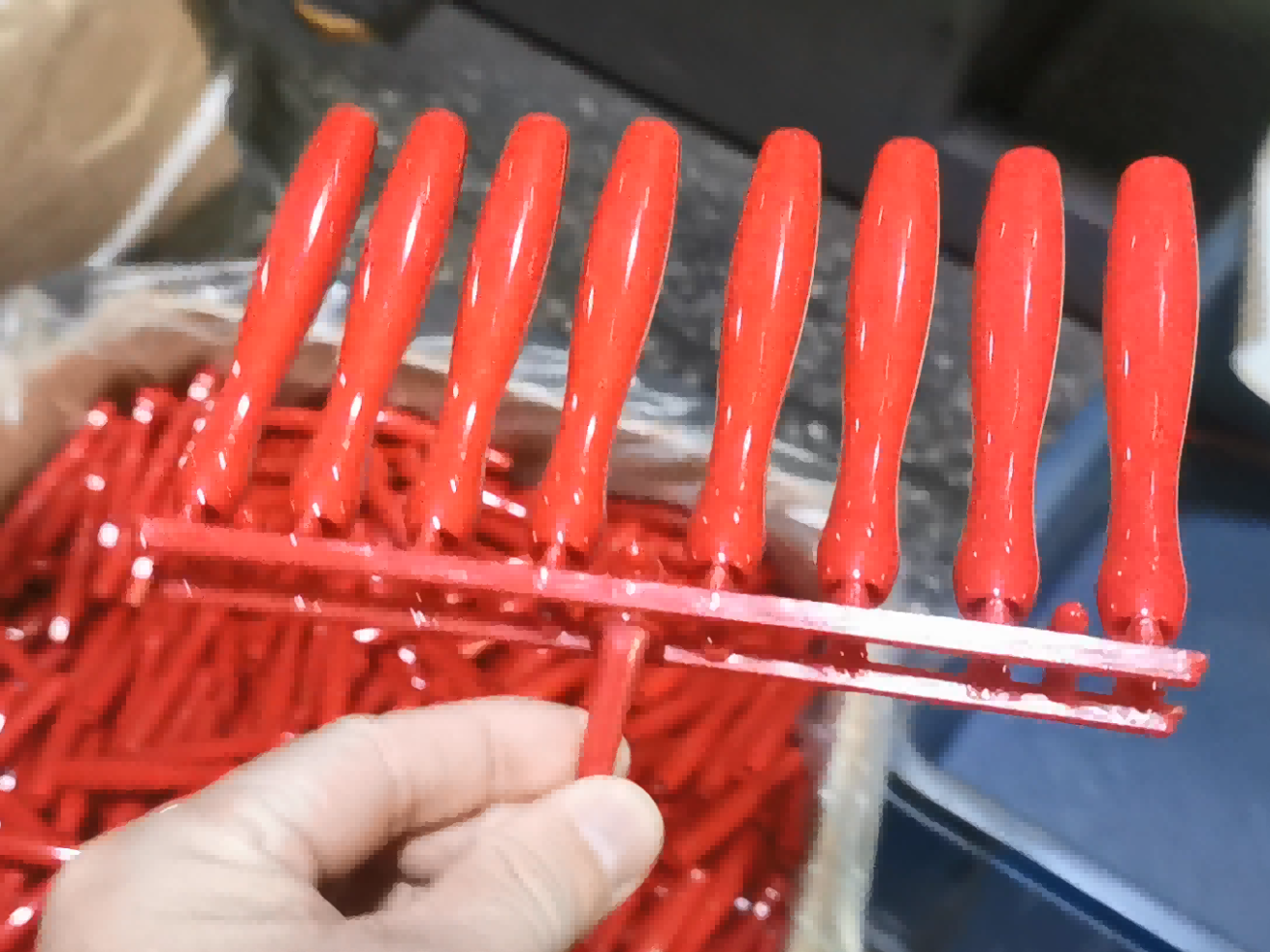
A single injection molding machine can produce 12 markers per mold.
With a cycle time of only 30 seconds, and the annual output can reach millions of pens.
Material adaptability
Support ABS, PP, PE and other plastic materials to meet the hardness, gloss and cost needs of different pen cases.
Injection Molding Process in the Ballpoint Production
Injection molding process of plastic pen Mold design
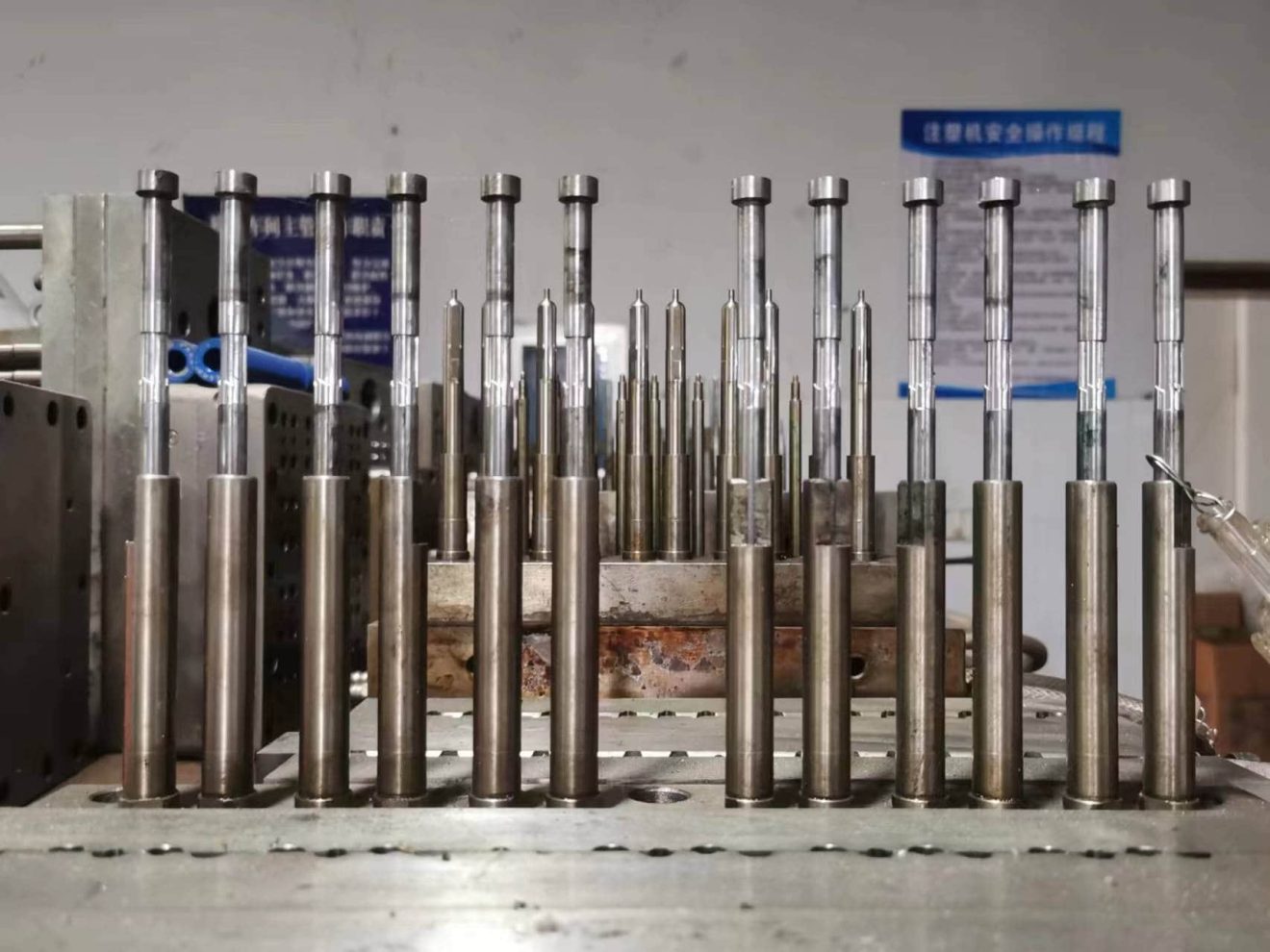
Design a multi-cavity mold according to the structure of the pen barrel.
And consider the flow channel distribution to balance the filling speed and reduce cold material spots and shrinkage defects.
Material Plasticization
The screw rotates and shears the plastic particles, and heats them to a molten state (e.g. ABS needs 220-250°C).
High-pressure injection
Operators inject the melt into the mold through a nozzle, usually applying a pressure of 70-180 MPa, to ensure the complete filling of complex structures.
Packing and cooling
The packing stage compensates for the shrinkage of the material.
The cooling time accounts for more than 60% of the production cycle, and the fountain channel quickly cools the product.
Demoulding and quality inspection
An automated ejection system removes parts and screens for surface defects (e.g., flow lines, sink marks) through visual inspection.
Nib manufacturing
Using precision turning and grinding technology, tungsten carbide balls (approx. 0.5-1.0 mm in diameter) need to be closely matched to the aperture of the injection molded barrel.
Ink filling and assembly
After the injection molded pen barrel is assembled with metal nibs, springs and other parts, the ink tightness test is carried out.