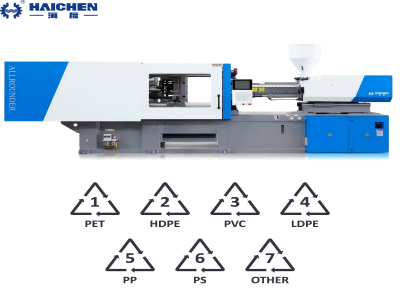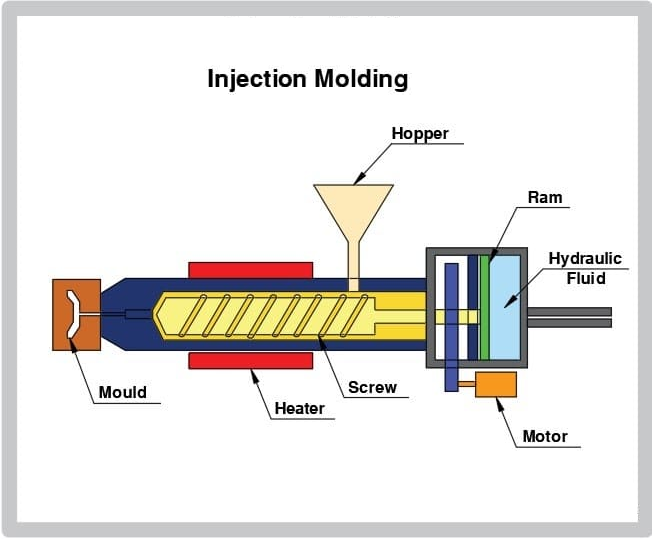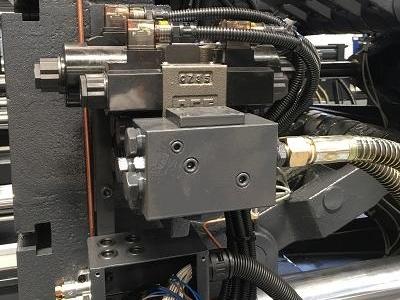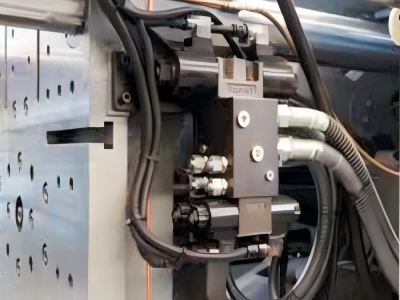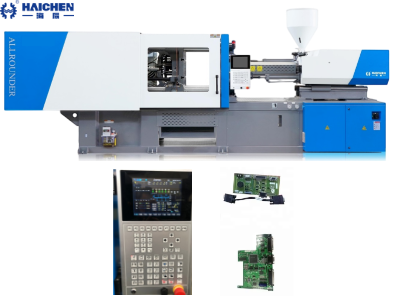
The injection molding machine platen plays a key role in the operation and efficiency of the injection molding machine. Injection molding machine applications range from defense to construction, where optimization of the platen components has great potential to improve performance and reduce costs. This guide will comprehensively explore the design, optimization, challenges and solutions of the injection molding machine platen, and deeply analyze the functionalprinciples of the injection molding machine.
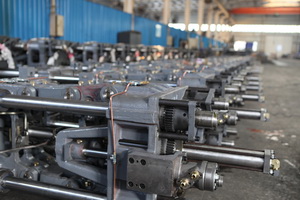
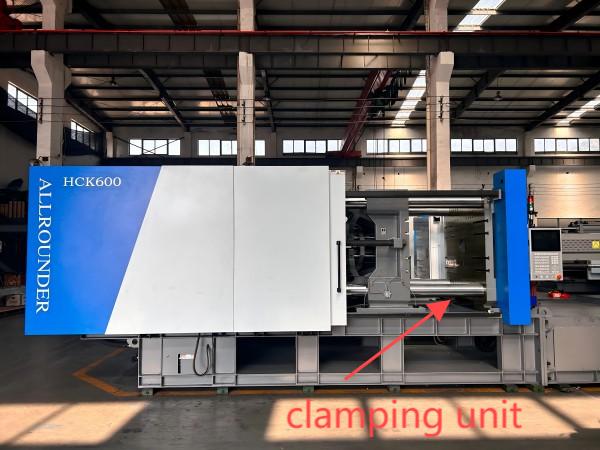
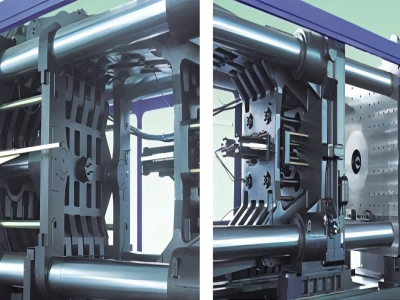
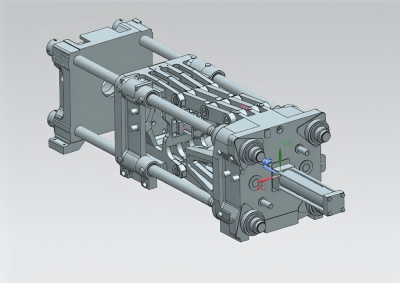
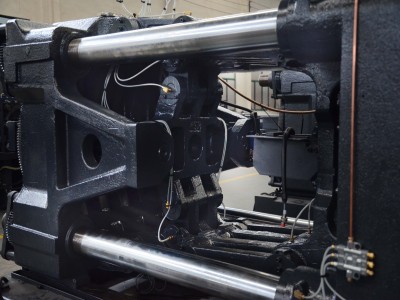
The tie bars support the moving mould plate during the mould opening and closing process, keeping the plates aligned. Each brand of injection moulding has its own reasonable size design and needs to be adjusted according to the size of the mould in the injection moulding machine.
The platens heat the mold and should be at least the size of the mold you want to run. The larger the platen, the larger the mold you can run.
Differences and similarities between different injection molding machine template structures
Let’s show you all tthe details one by one.Brand Comparison of Mold Platen in Injection Molding.
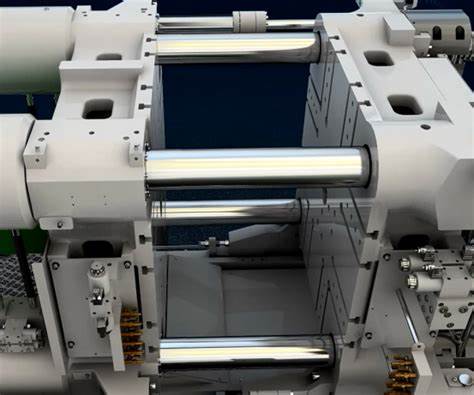
In injection molding, the design and brand selection of mold platens require comprehensive consideration of structural integrity, precision, application scenarios, and cost. Below is an evidence-based comparison:
- Core Differences Between Two-Plate and Three-Plate Molds
- Brand-Specific Design Features
- Application-Specific Comparisons
- Selection Guidelines
Core Differences Between Two-Plate and Three-Plate Molds
- Two-Plate Mold:
- Structure: Consists of a moving plate (B plate) and a fixed plate (A plate) with a single parting line. The runner and product are ejected from the same parting surface.
- Advantages: Simpler structure, lower cost, easier maintenance. Ideal for standard products (e.g., automotive parts, appliance components). Brands like Yizumi offer high repeatability and compatibility with large molds.
- Limitations: Restricted gate placement (limited to parting line edges), requires more machine space.
- Three-Plate Mold:
- Structure: Adds an intermediate plate (sprue plate) to create two parting lines, allowing separate ejection of runners and products.
- Advantages: Supports center-gate designs for complex geometries or high-surface-quality products (e.g., precision electronics). Reduces runner waste.
- Disadvantages: 30-50% higher mold cost, longer production cycles, and complex maintenance. Brands like CLF specialize in high-precision applications (e.g., packaging and logistics).
Brand-Specific Design Features
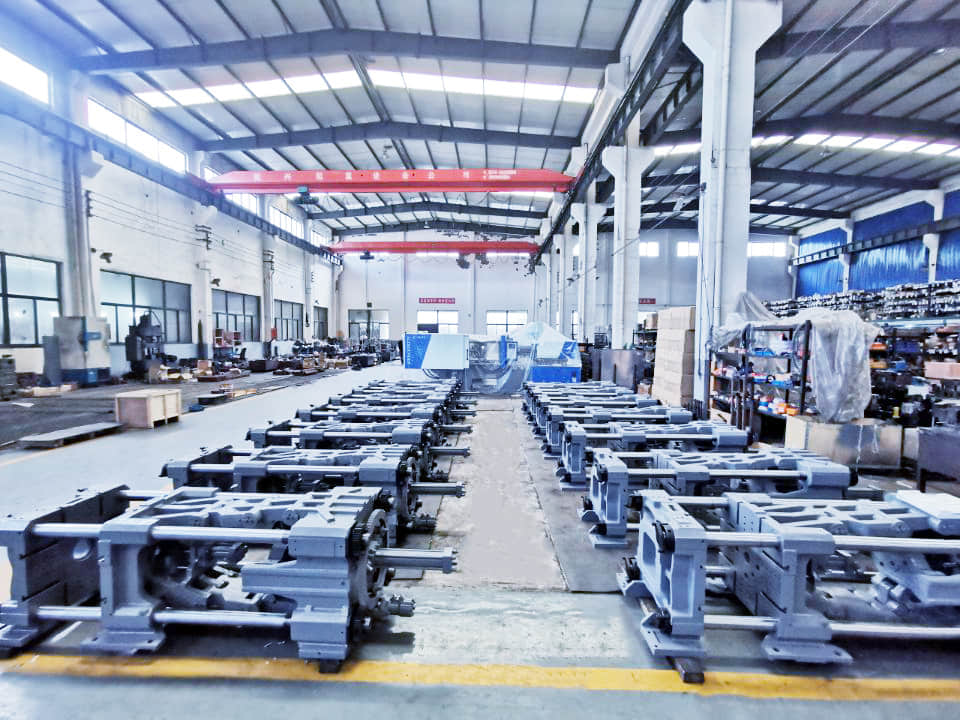
- Haichen:
- Focuses on high repeatability and compatibility for large molds. Uses modular injection units with dual linear guides for stability.
- CLF:
- Specializes in large two-plate machines for oversized products (pallets, bumpers) with extended equipment lifespan.
- FOW Mould:
- Excels in three-plate molds with automatic gate removal, ideal for high-appearance products (despite higher material costs).
- Thermal Conductivity Materials:
- High thermal conductivity molds (e.g., high-k materials) improve cooling efficiency for thick-walled parts.
Application-Specific Comparisons
- Metal Injection Molding (MIM):
- Requires tighter mold fits to prevent flash. Brands like Zetwerk emphasize wear resistance and high-temperature stability.
- Surface Quality:
- Three-plate molds reduce surface defects (e.g., for automotive lighting components).
- Cost vs. Efficiency:
- Two-plate molds are cost-effective for mass production, while three-plate molds suit low-volume, high-value products.
Selection Guidelines
- Large, High-Precision Products: Prioritize Haichen or CLF two-plate machines for space efficiency and stability.
- Complex/High-Aesthetic Products: Use three-plate designs (e.g., FOW Mould), despite higher costs.
- Special Materials (MIM): Opt for Zetwerk for specialized durability.
- Cost-Sensitive Projects: Two-plate molds with multi-cavity designs are optimal.
Conclusion: Mold platen selection depends on product size, precision, material, and budget. Brands like Haichen,Haitian, and FOW Mould offer targeted advantages in their niches, making technical expertise and design optimization critical to decision-making.
Haichen Injection Molding Machine Mold Platen
- Mold Platen Structural Design
- Platen Dimensions and Compatibility
- Functional Innovations
- Model Selection Guide
Mold Platen Structural Design
- Double-Crank Structure Optimization:
The Haichen E-series clamping unit employs a computer-optimized double-crank hinge mechanism (Ramp-row five support-point double crank web structure). The stationary platen is designed with a hollow spherical structure using finite element analysis (FEA), combined with an integrated box-type frame and platen structure. This significantly enhances rigidity and reliability, ensuring stable mold clamping and precise mold closure. - Three-Plate Mold Compatibility:
For complex molds (e.g., three-plate molds): - Stationary Platen: Connects to the machine’s fixed side, housing the sprue bushing.
- Moving Platen: Attaches to the machine’s moving side, containing the cavity and ejection system.
- Runner Plate: Separates the runner system from the product, enabling multi-stage mold opening and automated demolding.
Platen Dimensions and Compatibility
- Tie Bar Spacing:
Varies significantly across models, directly affecting mold size compatibility. Examples: - E-series HCE180: 480×480 mm, HCE270: 580×580 mm (suitable for larger molds).
- Used MA 2500/1000-C: Platen size 33.46″×33.46″ (~85×85 cm), tie bar spacing 22.83″×22.83″ (~58×58 cm) for mid-sized molds.
- Mold Height Range:
For E-series 150-ton models:
- Mold Height Range:
- Min. mold height: 160 mm (precision small parts).
- Max. mold height: 450 mm (mid-sized molds).
Functional Innovations
- Electro-Permanent Magnetic Clamping:
Optional on select models, using NdFeB magnets to achieve rapid mold clamping (0.5–4.5 seconds). Magnetic force distributes evenly, eliminating bolt-fastening delays and center separation risks. Retains clamping force even during power outages. - Automation & Maintenance:
- Auto-lubrication systems and low-pressure mold protection.
- Multi-stage mold opening/closing pressure control reduces manual intervention.
- Regular calibration of guide pillars/bushings prevents wear and extends platen lifespan.
Model Selection Guide
Choose based on product size and production volume:
- Small Precision Parts: HCE100 (tie bar 360×360 mm) or HCE120 (410×410 mm).
- Mid-Sized Molds: HCE180 (480×480 mm) or MA 2500/1000-C (58×58 cm tie bar, 85×85 cm platen).
- Large/Complex Parts: HCE270 (580×580 mm) or higher-tonnage models.
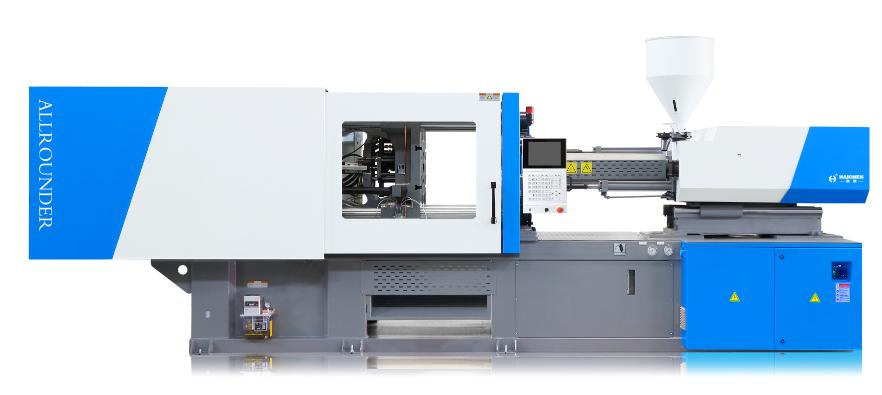
Haichen’s mold platens deliver a combination of high rigidity, flexible compatibility, and automation achieved through structural optimizations and advanced technologies (examples include FEA-optimized cranks and magnetic clamping). For explicit parameters or custom solutions, refer to Haichen’s technical documentation or contact support.
Contact Haichen if you need further details.