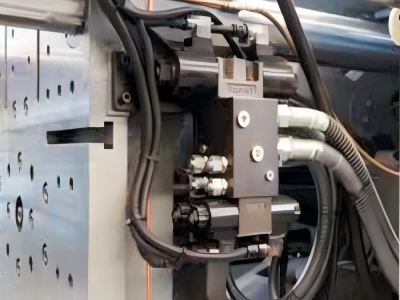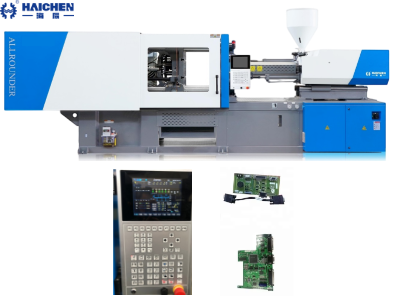
Cooling system maintenance for injection molding machine:
- Water quality monitoring and treatment
- Water Softening and Filtration
- Water Conditioning & Maintenance
- Cooling system design and optimization
- Cooling system & Technology Selection
Cooling system is a crucial component, which directly affects the quality and production efficiency of the product.
The cooling system accelerates the curing process of the plastic by circulating a cooling medium (usually water or oil) in the mould to absorb heat.
In order to ensure the efficient operation of the cooling system, regular maintenance and servicing are required.
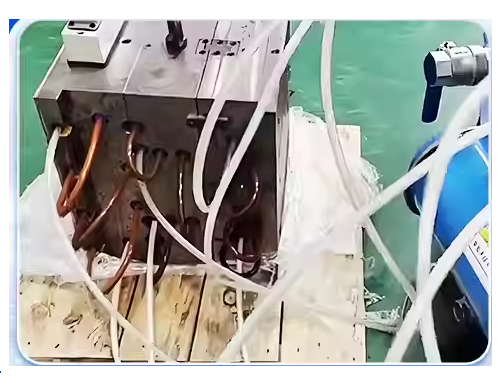
Cooling system maintenance
- Water quality monitoring and treatment
- Water Softening and Filtration
- Water Conditioning & Maintenance
- Cooling system design and optimization
- Cooling system & Technology Selection
Water quality monitoring and treatment
Regularly check the flow rate and return temperature of the cooling water to ensure that it is within reasonable limits.
Biocides and disinfectants are used to prevent microbial contamination and avoid sedimentation and clogging.
Conduct regular inspections of water quality and take appropriate water treatment measures such as decalcification.
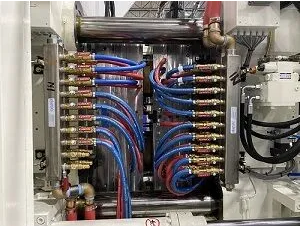
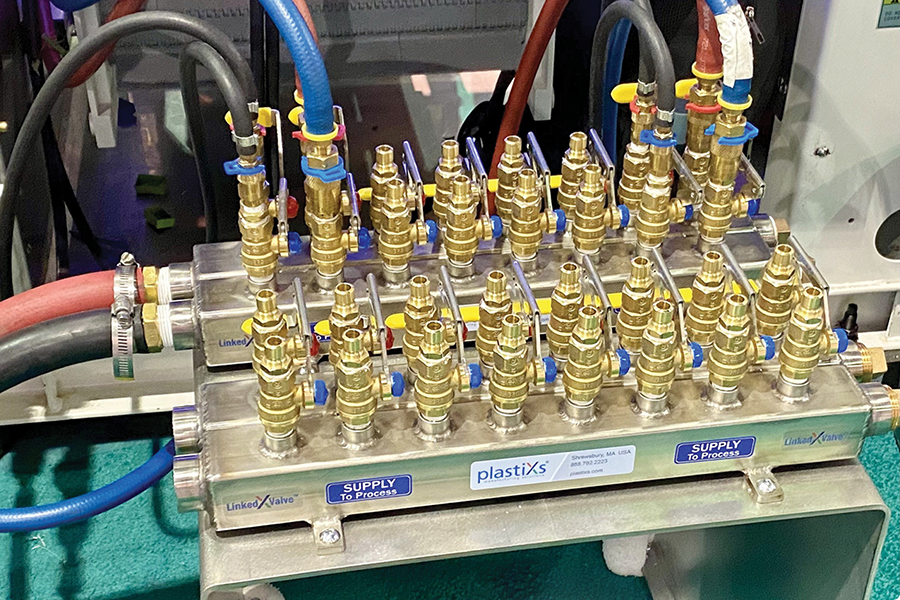
Water Softening and Filtration
A softening system is installed in the make-up water of the circulating water tank to remove calcium and magnesium ions in the water.
Prevent the formation of scale, and prolong the life of the equipment.
Filtration equipment is installed on the cooling circulating water return pipeline to remove impurities.
Such as iron pins to ensure clean water quality.
The use of degreasing equipment makes the oil particles float on the water surface through the difference in specific gravity, and improves the service life of the circulating water.
Water Conditioning & Maintenance
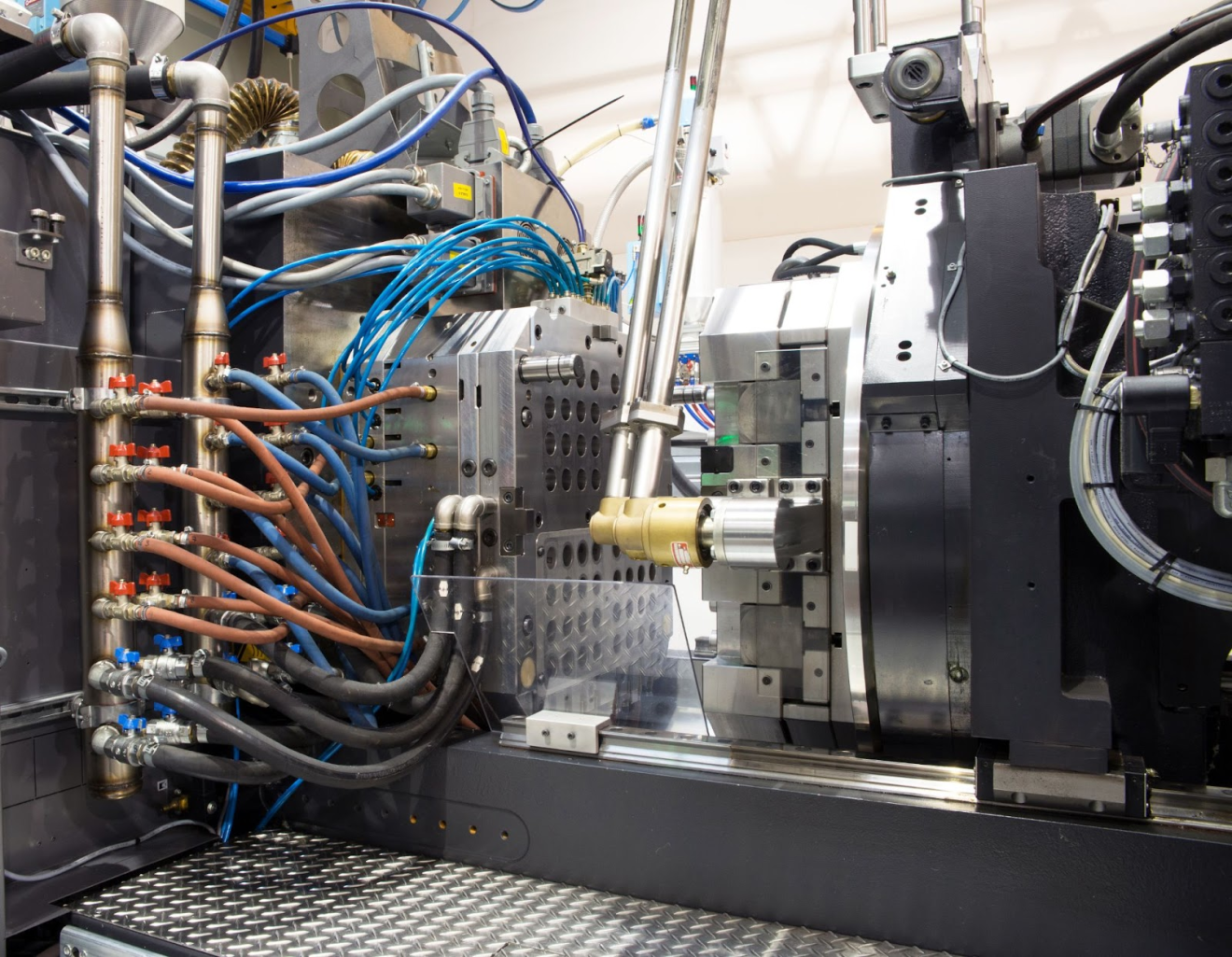
Use a cooling water regulator to remove silicic acid from pipes.
And a screenless filter to remove suspended solids and concentrates.
Regularly clean hardened water pipes with a low-pressure composite water flow cleaning device to prevent water quality deterioration.
Closed cooling towers are used to circulate cooling water to avoid water evaporation and condensation of ingredients.
Cooling system design and optimization
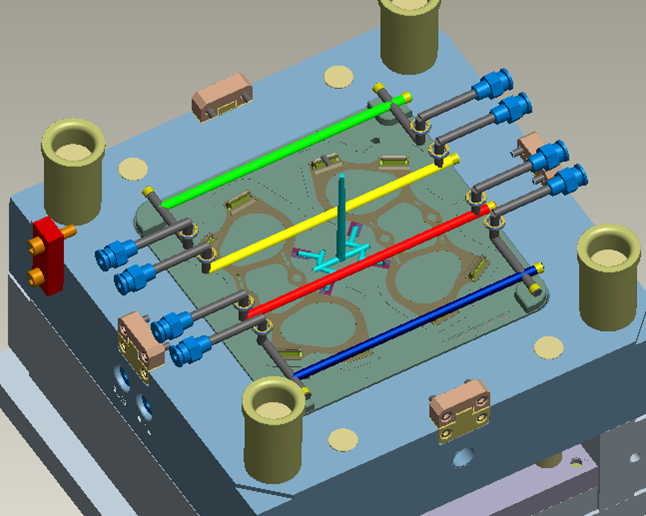
Reasonable design of cooling channel layout to ensure uniform cooling of the mould during the molding process to avoid quality problems such as warpage and shrinkage.
Minimize the presence of “dead water” in the cooling channel to avoid the backflow of cooling water affecting the effect.
For plastic parts such as PE and PP with large shrinkage, there will be water in the direction of large product shrinkage.
Cooling system & Technology Selection
The water pump with constant pressure and frequency conversion design achieves energy saving and pressure stability.
Set up a dosing machine for scale inhibition, sterilization and corrosion inhibition.
Centralize equipment management with a central controller that provides maintenance reminders, operation monitoring, and report generation.
Cooling system maintenance steps
- Rinse with water
- Sterilization and algae
- Use a special cleaning agent
- Cooling system dry ice cleaning
- Circulating cleaning and replacement of clean water
- High-pressure water cleaning
- Reverse washing
- Check for any leakage
Rinse with water
First, the cooling system is flushed with a large flow of water to remove as much loose dirt as possible from the system, such as dust, sediment, algae and corrosives.
At the same time, check the system for leaks.
The flow rate of the flushing water should be greater than 0.15m/s to ensure the flushing effect.
Sterilization and algae
After draining the rinse water, add a bactericidal algaecide to the system for cleaning.
The function of the bactericidal algaecide is to kill the microorganisms in the system and to peel off the biological slime attached to the surface of the equipment.
Stop cleaning when the turbidity of the system tends to equilibrate.
Use a special cleaning agent
Regularly use special cleaning agent to clean the cooling channel of the mould, remove scale.
Rust and other deposits, keep the water flowing smoothly, and improve the cooling efficiency.
Cooling system Dry ice cleaning
Dry ice cleaning is a great way to clean, especially to prevent rust and remove residual injection molding and other deposits from moulds.
Dry ice cleaning does not cause corrosive damage to the equipment.
Circulating cleaning and replacement of clean water
Sterilization slime stripping agent and penetrant are added to the pool, and the original cycle method is used for cleaning.
This method can effectively kill the algae bacteria in the system and peel off the slime off.
After gradually replacing the clean water, add a neutral running cleaning agent and cycle the pre-film for about 15 days.
During this period, the pre-film will not be cleaned in situ without affecting normal production.
High-pressure water cleaning
After sterilization and algae killing, the sediment, shedding algae and loose scale in the system are cleaned by physical methods such as high-pressure water.
At the same time, check the spray circulating cleaning system for leaks.
Reverse washing
Back-cleaning radiators require special cleaning gun equipment that forces water to flow in the opposite direction from the radiator core tube.
By means of low-pressure compressed air to loosen limescale and sediment.
Avoid excessive air pressure to avoid damage to the radiator.
Check for any leakage
Check whether the cooling pipes, joints, valves, etc. are leaking.
And whether the coolant flow and temperature are normal, and repair the problem in time.
In a low-temperature environment, the anti-freezing work of the cooling system should be done.
Such as using antifreeze, emptying the cooling water, and heat preservation measures to prevent the cooling system from freezing and cracking.
Effect of dirt on the cooling system
In the cooling system of injection molding machines, common dirt and scale mainly include calcium and magnesium ions.
Mineral deposits, impurities, dust, and rust iron produced by water pipes.
These dirt and scale enter the system mainly through the cooling circulating water and are deposited in the cooler, manifold and mould water flow channels.
Specifically, the effects of scale and dirt in the cooling system on production efficiency are as follows.
Blockages and reduced flow
Scale and dirt can form deposits in cooling pipes and mould water channels, resulting in a reduced flow of cooling water.
This reduces the efficiency of heat exchange, making the mould less effective.
Which affects the quality of the product and the speed of production.
The temperature control is unstable
Due to the deposition of limescale and dirt, the heat transfer efficiency of the cooling system is reduced
resulting in too high or too low oil temperature, which in turn affects the normal operation of the machine.
For example, the formation of limescale in the cooler can cause high oil temperatures, machine weakness.
Unstable pressure in the injection system and clamping system, and unstable products.
Increased energy consumption and maintenance costs
Limescale and dirt can increase the resistance of the cooling system, resulting in an increase in the energy consumption of the pump.
In addition, frequent cleaning and maintenance can also increase the operating costs of the business.
Product quality declines
Due to the poor cooling effect, the cooling effect of the mould is not good, resulting in an increase in defective products.
A large loss of raw materials, and a decrease in the product qualification rate.
This not only affects production efficiency, but also increases the economic loss of the enterprise.
Cooling system failure and shortened life
Long-term limescale and dirt accumulation can lead to corrosion and damage to cooling system components.
Such as seal deformation, oil leakage, etc.
This can further affect the normal operation and longevity of the equipment.
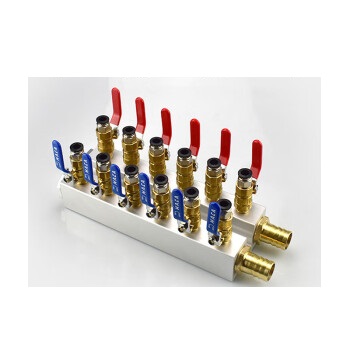
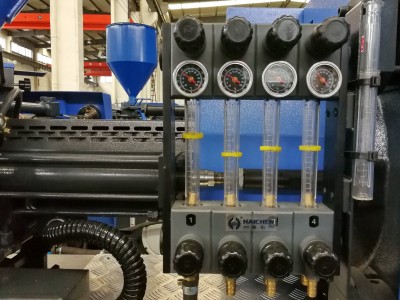
Haichen cooling system
Haichen injection molding machines are able to monitor and adjust parameters such as temperature.
Speed and pressure in real time through an advanced cooling system, thus minimizing energy consumption and waste.
This intelligent energy-saving control can also automatically identify and optimize the working status of the injection molding machine.
Achieving high energy efficiency and ensuring product quality.
Injection mould Combined Cooling System
Haichen adopts the injection mould combined cooling system.
Plastic injection moulding chiller maintenance,which includes a combined cooling device for the fixed mould part and the moving mould part.
Through the construction of the injection mould flow analysis model.
The application of MPI software for the CAE analysis of the plastic part.