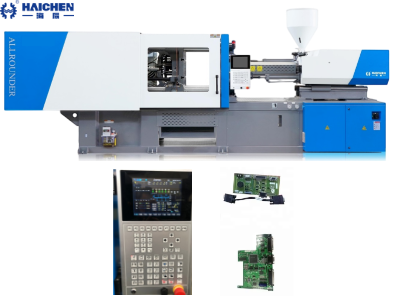
Testing safety relays on injection molding machines is crucial to ensure the machine operates safely and shuts down properly in case of an emergency. Here’s a step-by-step guide to testing safety relays:
By following these steps, the safety relays on injection machines can be thoroughly tested to ensure that they will reliably protect the operator and prevent equipment failure in actual operation.
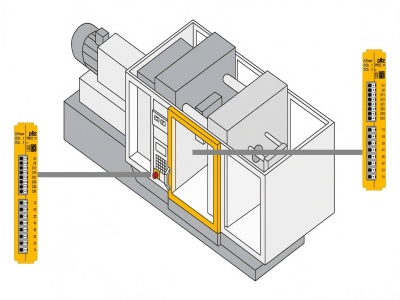
Steps to test safety relays on injection machines
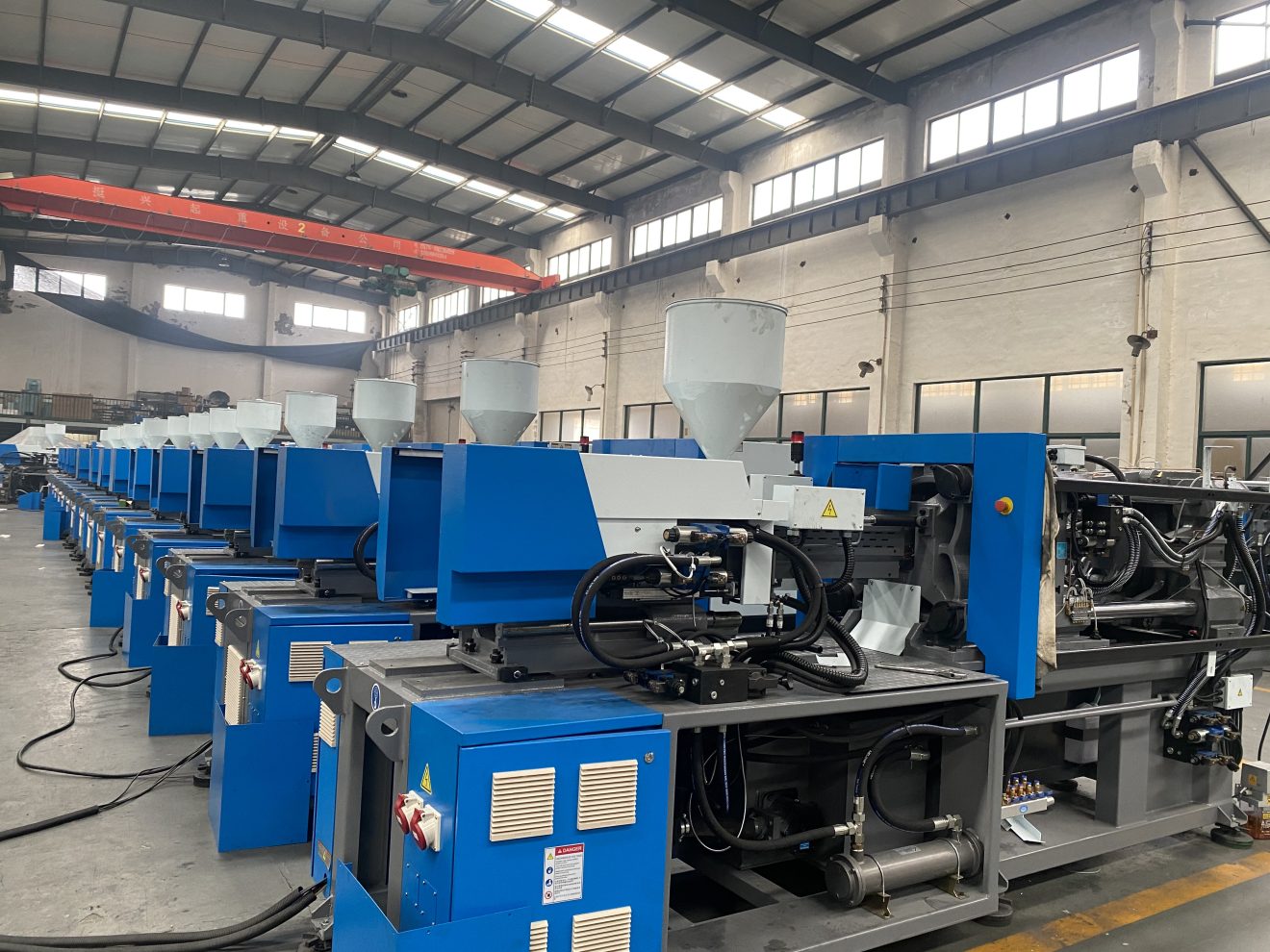
Visual and Mechanical Inspection
- Inspect for Physical Damage: Check for any visible signs of damage, loose connections, or improper mounting.
- Verify Wiring and Connections: Ensure that all connections are secure and correctly made according to the relay’s specifications.
Insulation Resistance Testing
- Use a Megger: Measure the insulation resistance to ensure it meets the required standards. This helps identify any potential insulation issues that could lead to faults.
Secondary Injection Testing
- Purpose: This method simulates faults by injecting test signals into the relay’s secondary circuit. It is particularly useful for verifying the functionality of microprocessor-based relays.
- Test Circuits: Depending on the relay type, various test circuits can be used. Common tests include verifying pickup and dropout accuracy, directional accuracy, and timer settings.
- Equipment: Modern secondary injection test sets, such as the QUASAR or PTE-100-C series, are designed for this purpose. They provide precise control over current and voltage levels and can simulate a wide range of fault conditions.
Primary Injection Testing
- Purpose: This involves injecting current directly into the primary circuit to test the entire protection system, including the relays and associated circuit breakers.
- Procedure: Ensure the equipment is de-energized and isolated. Inject current into the primary circuit and monitor the relay’s response. This method is more comprehensive but requires careful planning and execution.
Contact Resistance Testing
- Measure Contact Resistance: Use appropriate tools to measure the resistance of relay contacts. High resistance can indicate potential issues that may affect the relay’s performance.
Time-Current Characteristic (TCC) Testing
- Verify TCC Curves: Ensure the relay’s behavior aligns with the manufacturer’s TCC curves. This helps confirm that the relay will operate correctly under different fault conditions.
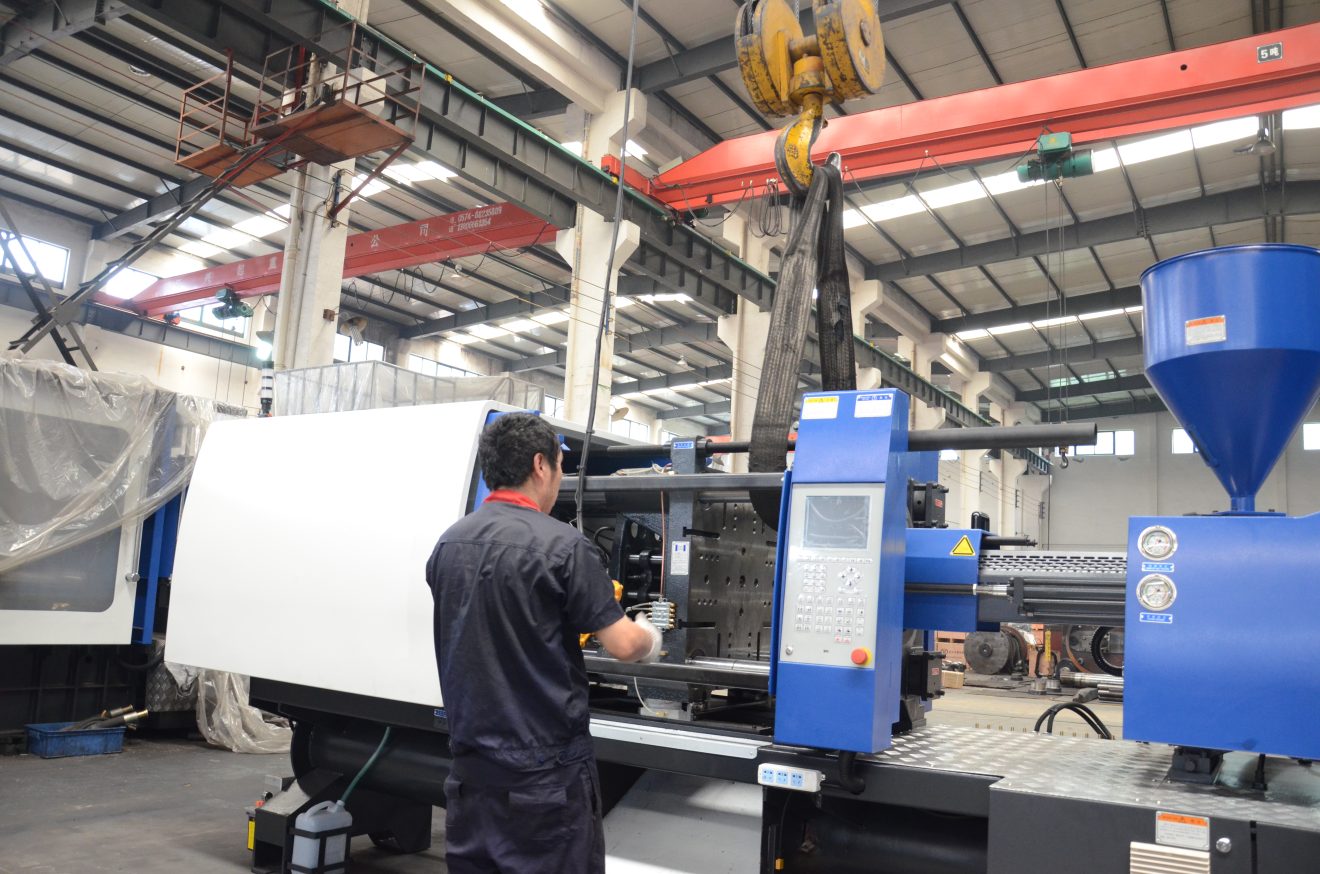
System Functional Testing
- Test Interactions: Verify the correct interaction of all sensing, processing, and action devices as a complete unit. This includes checking alarms, interlocks, and communication lines.
Safety Considerations
- Lockout and Tagout: Ensure all safety procedures are followed, including lockout and tagout of the equipment before testing.
- Isolation: Use appropriate isolation methods to prevent unintended operation of the equipment during testing.
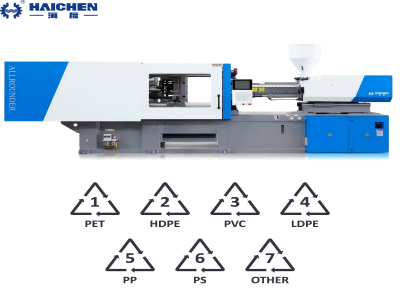
Haichen injection molding machine supplier
Haichen is a manufacturer of high-precision plastic injection molding machines. We offer a wide range of injection molding machines with clamping forces ranging from 90T to 3000T. Our machines feature a high rigidity structure and incorporate imported hydraulic and electrical elements.
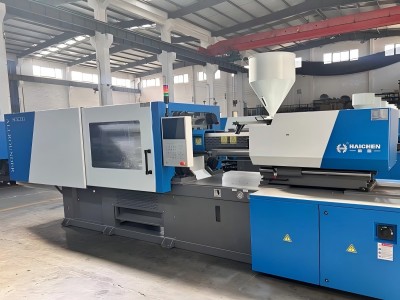
Key Features of Haichen Injection Molding Machines
High Precision: Haichen machines are designed for high precision and reliability, ensuring consistent part quality
Advanced Technology: The machines incorporate advanced technologies such as servo motors for energy efficiency and precise control.
One-Stop Services: Haichen provides comprehensive services including case video sharing, product mold design, production line scheme design, and auxiliary equipment selection. They also offer complete production line debugging, production, and training.
If there is any demand, welcome to consult us.