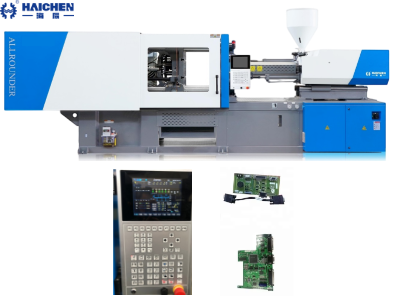
The function of the clamping unit is to ensure that the mold remains closed during the injection process in an injection molding machine.
The main function is to ensure that the mold remains closed during the injection process, prevent molten plastic from leaking from the mold, and smoothly push out the molded part after cooling. The clamping unit of the injection molding machine is one of the important components of the machine. The design and performance of the clamping unit directly affect the quality of the molded parts.
During the injection molding production process, the clamping unit provides the necessary force to close the mold through a mechanical or hydraulic system. And open the mold to remove the finished product after injection is completed. In addition, the clamping unit is also responsible for maintaining the stability and integrity of the mold during the injection and cooling stages.
The clamping unit has the following 5 key functions:
- Opening and closing the mold
- Ejecting the product
- Safety protection
- Adjusting the mold size
- Support and stability
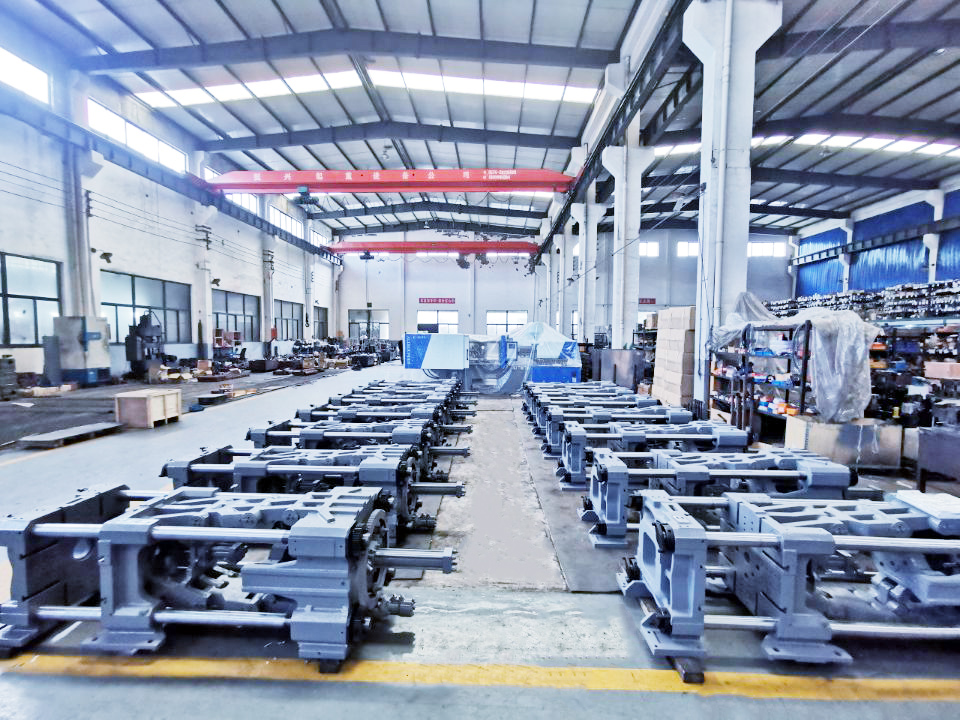
Opening and closing the mold
The clamping unit is responsible for opening and closing the mold promptly during the injection cycle to allow material filling and product removal.
During the injection process, the clamping unit applies sufficient clamping force to prevent the mold from being blown open by the pressure of the molten plastic, thereby ensuring the integrity of the mold and the quality of the product.
Hydraulic or Mechanical Actuation
Depending on the design, hydraulic cylinders or toggle mechanisms drive the movable platen. Toggle systems amplify force through lever mechanisms, while hydraulic systems offer precise control
Cycle Synchronizatio
It coordinates with the injection unit to open the mold after cooling, eject the part, and reset for the next injection cycle.
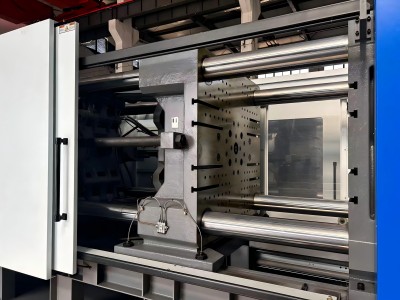
Ejecting the product
After the cooling stage is over, the clamping unit releases the mold, allowing the mold to open, allowing the molded product to be removed.
Mold opening stage
After the locking unit completes injection and pressure holding, the movable template moves backwards and the mold parting surface opens.
Top out trigger
The top out rod pushes the top out plate under hydraulic or electric drive, and the top pin contacts the product and applies thrust.
Product separation
The ejector pin pushes the solidified product out of the cavity or core surface, and then the reset rod brings the ejector mechanism back to its initial position
The ejection system usually consists of ejection rod, ejection plate, ejection needle and other components. After the mold is closed, the clamping unit drives the ejection device to push the ejection rod to push the ejection plate, and then push the ejection needle into the mold cavity to eject the solidified product.
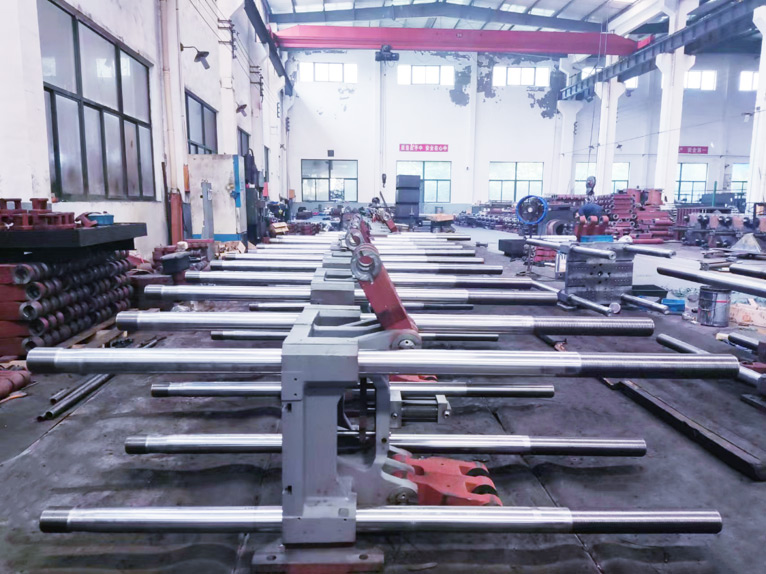
Safety protection
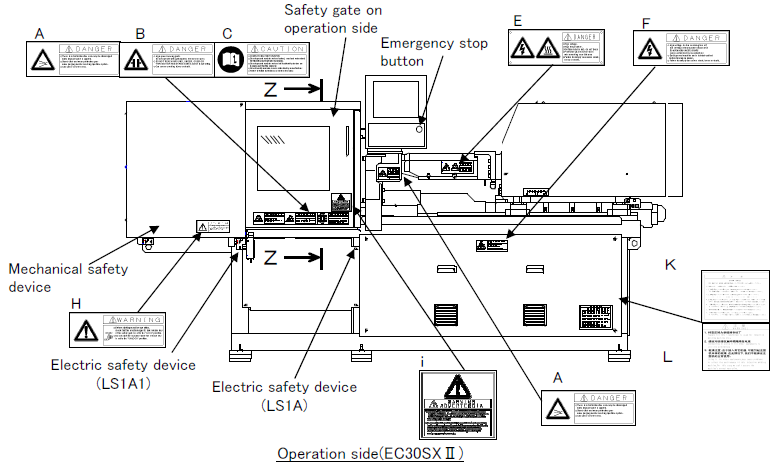
The clamping unit also has the function of protecting the operator, preventing the operator from being injured through various means such as mechanical, hydraulic, and electrical.
Electrical interlocking
When the safety door is opened, the electrical interlocking system will cut off the dangerous actions of the machine, such as injection and mold closing actions. This mechanism ensures that operators cannot enter the mold area until the safety door is closed.
Mechanical lock
A mechanical lock is used to prevent the mold from accidentally closing when the safety door is open. This device is usually installed on the closing mechanism of the mold to ensure that the mold can only be closed when the safety door is closed and locked.
Hydraulic safety device
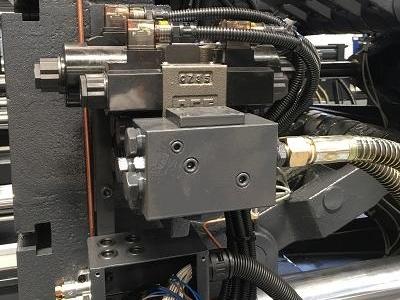
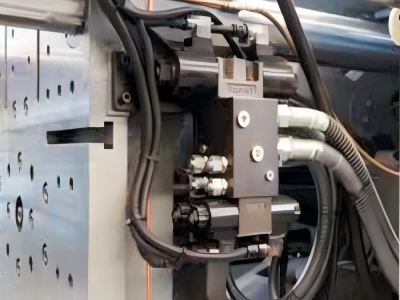
The safety valve in the hydraulic system can prevent the mold from closing when the safety door is opened. This device triggers the protection mechanism through changes in hydraulic pressure.
Following strict Safety Rule of Operation of injection molding machine is essential to prevent accidents, injuries, and equipment damage.
Adjusting the mold size
The clamping unit can adjust the size of the mold to meet the needs of products.
Mold height adjustment
The thickness of the mold can be changed by adjusting the position of the movable plate of the clamping unit.
Clamping force adjustment
The clamping force of the clamping unit can be adjusted according to the size and material characteristics of the mold. For example, in
The “Clamp force adjustment” interface mentioned in the article allows users to set parameters. Such as minimum clamping force detection and maximum clamping force. In order to ensure that the mold does not crack due to insufficient clamping force during the injection process
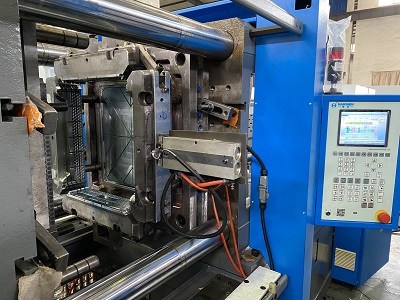
Through adjusting the thickness of the mold to ensure that it can be correctly installed on the injection molding machine. The thickness of the mold must be within the allowable range, otherwise, it may cause the mold to fail to close or the clamping force to be insufficient.
Support and stability
The clamping unit provides structural stability, during the opening and closing of the mold, thereby preventing mold damage
- Precision alignment of mold halves via fixed/movable plates and pull rods ensures dimensional accuracy. Misalignment risks part defects or mold damage.
- Horizontal clamping units offer superior stability for most applications, while vertical units suit insert molding.