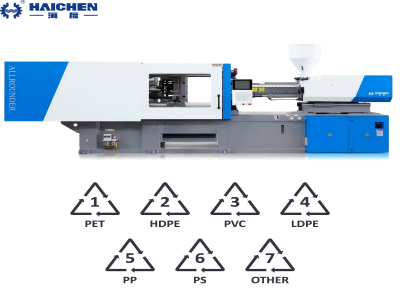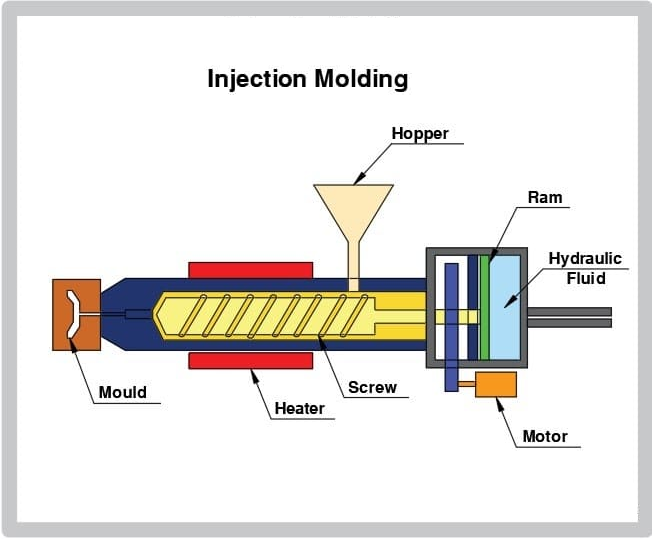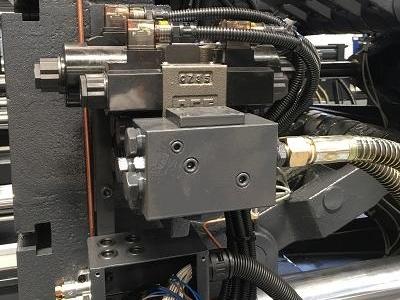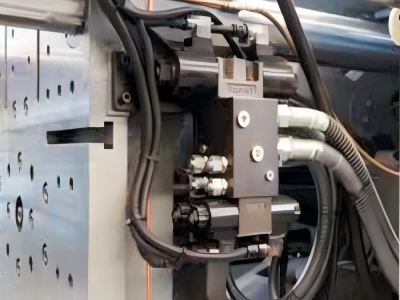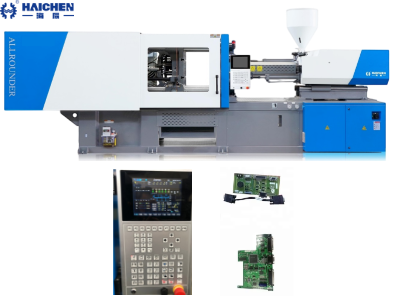
The basic power consumption range of small injection molding machines (30-100 tons) is 6-9 kWh/h.
Servo machines generally consume more than 50% less electricity than fixed displacement pumps.
This range can be influenced by factors such as machine type (all-electric, servo-hydraulic, or hydraulic), the specific application, and the efficiency of the machine.
All-electric machines tend to be more energy-efficient, potentially saving 20-30% or more compared to traditional hydraulic machines.
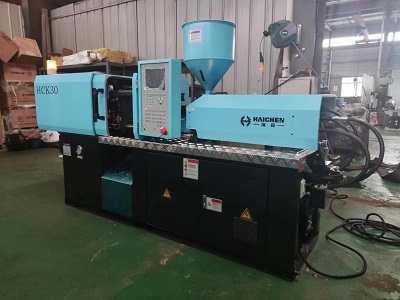
Electric parameters of a typical small injection molding machine
- Power range
- Energy consumption
Power range
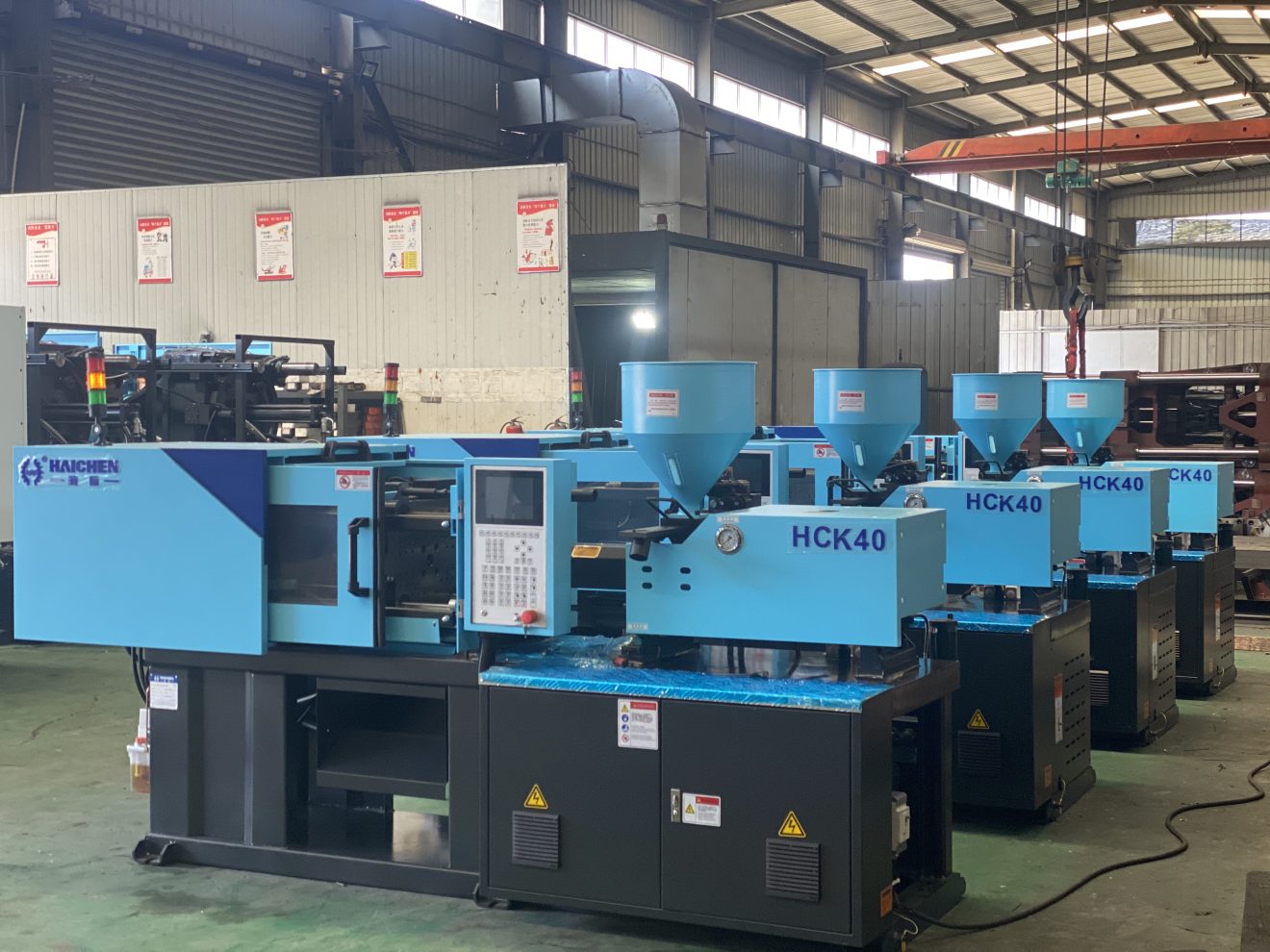
The all-electric servo models (e.g. the HCK40 model from Haichen) have a power rating of 1.5 kW.
According to the technical specifications of the table-top micro injection moulding machine.
Which is suitable for the production of small plastic parts with an injection volume of 30 cm³.
Laboratory-grade devices, such as the Xplore IM 12, are not directly labeled for power.
But are designed with a focus on compactness and temperature-controlled efficiency.
With power requirements in the 0.6-2 kW range speculated.
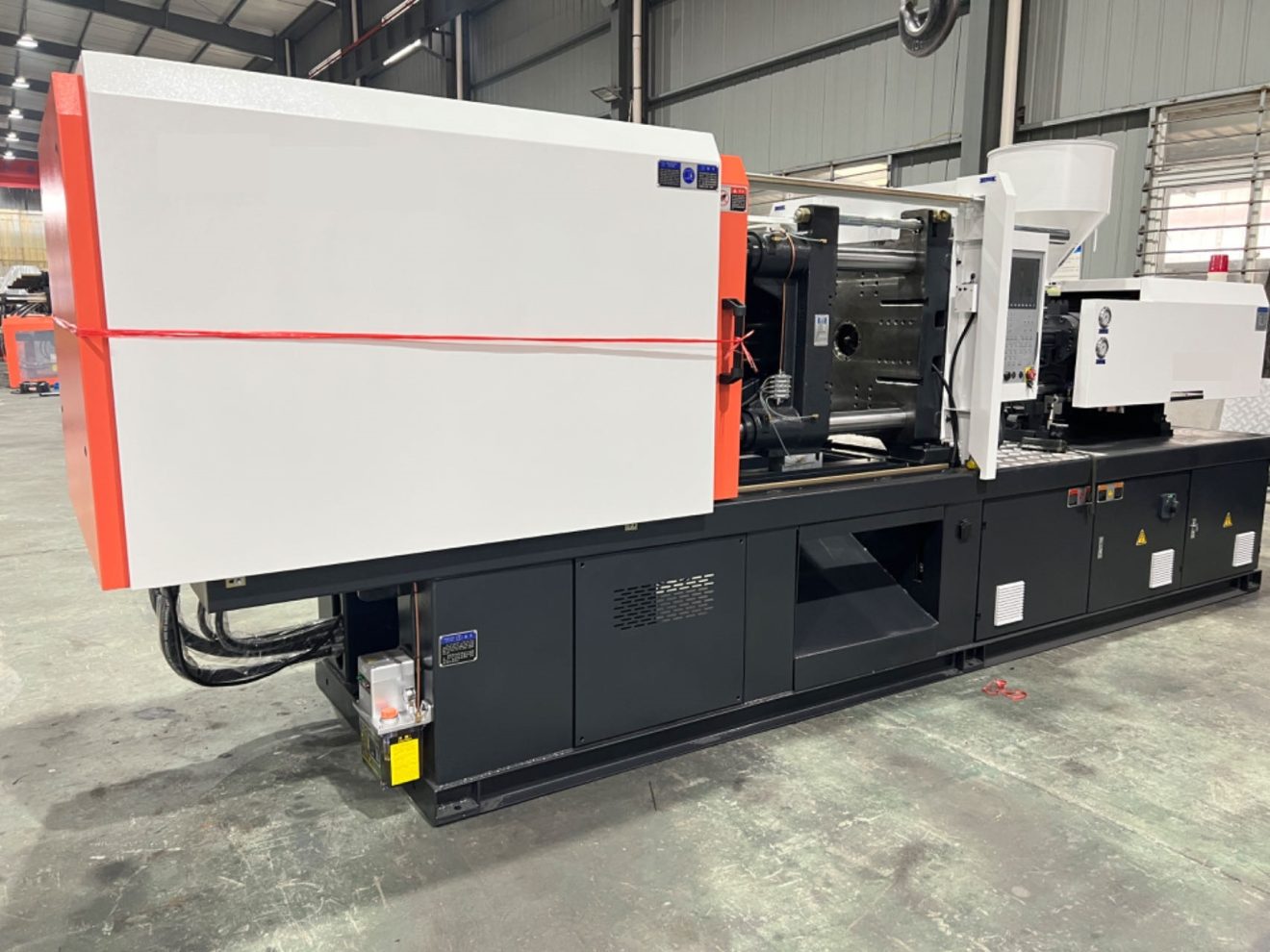
Hydraulic or hybrid models, such as the Micro-Class series.
Typically drive the hydraulic system and are typically more powerful up to 2.5-5 kW.
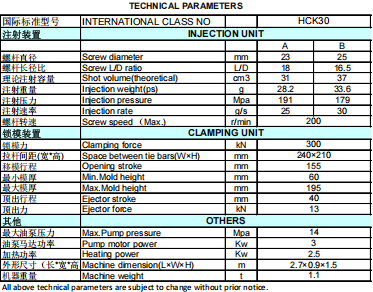
Energy consumption in a single cycle
The energy consumption model decomposed by the injection cycle shows that the total energy consumption of a standard cycle of 45 seconds is about 0.111 kWh.
Which corresponds to an average power of 8.8 kW.
However, due to the smaller injection volume, the energy consumption per cycle may be reduced to 0.05-0.2 kWh.
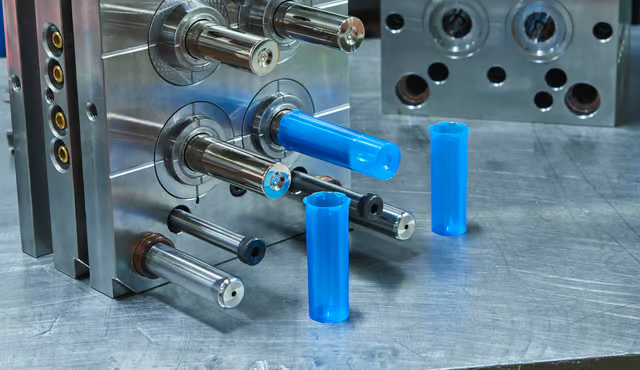
Energy consumption range and efficiency indicators
- Energy consumption per unit of output (SEC)
- Estimated energy consumption per day/year
Energy consumption per unit of output (SEC)
The SEC index for all-electric micro injection moulding machines is ≤0.30 kWh/kg for products.
While for hydraulic models it is as high as 2.91 kWh/kg.
For example, in the case of laboratory equipment with an injection volume of 12 ml (about 10-15 grams).
The energy consumption per kilogram of product is about 3-5 kWh in all-electric mode and potentially double in hydraulic mode.
Estimated energy consumption per day/year
Assuming 8 hours of continuous operation, the daily power consumption of the all-electric model (1.5 kW) is 12 kWh, and the annual consumption (300 days) is about 3,600 kWh.
The hydraulic version (5 kW) corresponds to 40 kWh/day and 12,000 kWh/year.
In practice, the load factor of the equipment is usually 60-80%, and there are no-load or inefficient operating periods.
So it is necessary to combine the load factor (e.g., 0.7) correction to further reduce the estimate.
A key factor influencing power consumption
- Machine Type & Technology
- Process parameters and material properties
- Modes of operation and maintenance
Machine Type & Technology
All-electric motor
Driven by servo motor, the energy efficiency is 20-50% higher than that of the hydraulic system.
And there is no oil pressure leakage loss, which is suitable for high-precision and low-volume production.
Hydraulic press
Despite its high power and high injection rate, it still needs to maintain oil pressure during standby, resulting in continuous energy consumption.
Hybrid
Combining the best of both worlds, the energy consumption is between all-electric and hydraulic (approx. 3-4 kWh/cycle).
Process parameters and material properties
Melt temperature
For every 10°C increase in processing temperature, energy consumption increases by about 5%.
For example, processing PA (above 300°C) requires more electricity than PP (200°C).
Injection pressure and speed
While high-pressure high-speed injection, such as the 18 kN IM 12 model, increases efficiency, instantaneous power demand surges.
Cooling time: 40-60% of cycle time, optimized cooling channel design can reduce energy consumption.
Modes of operation and maintenance
No-load loss
The hydraulic press still consumes 20-30% of the rated power when standby.
While the standby loss of the all-electric motor is negligible.
Intelligent control
The use of frequency converter or adaptive temperature control system.
Such as IM 12’s mold temperature machine linkage can save energy by 10-15%.
Equipment aging
Machines that are not regularly maintained may increase energy consumption by more than 20% due to increased friction or deterioration of insulation.
Key factors in the calculation of small injection machine electricity
- Cycle time
- Load factor and energy-saving technology
- Heating and cooling energy consumption
Cycle time
A typical injection cycle includes injection, packing, cooling, and other phases.
With a single cycle time ranging from 10 seconds to several minutes.
Load factor and energy-saving technology
The voltage optimizer reduces the average power by about 15% (e.g. from 9.92 kW to 8.49 kW) and reduces fluctuations.
Servo system or variable displacement pump technology can reduce the actual power consumption by 40%-50% of the total power.
Heating and cooling energy consumption
The proportion of electric heating power is significant.
For example, the electric heating power of a certain model is 9.5 kW.
But the heating ring may work intermittently, and the actual power consumption is lower than the nominal value.
Recommendations for energy saving
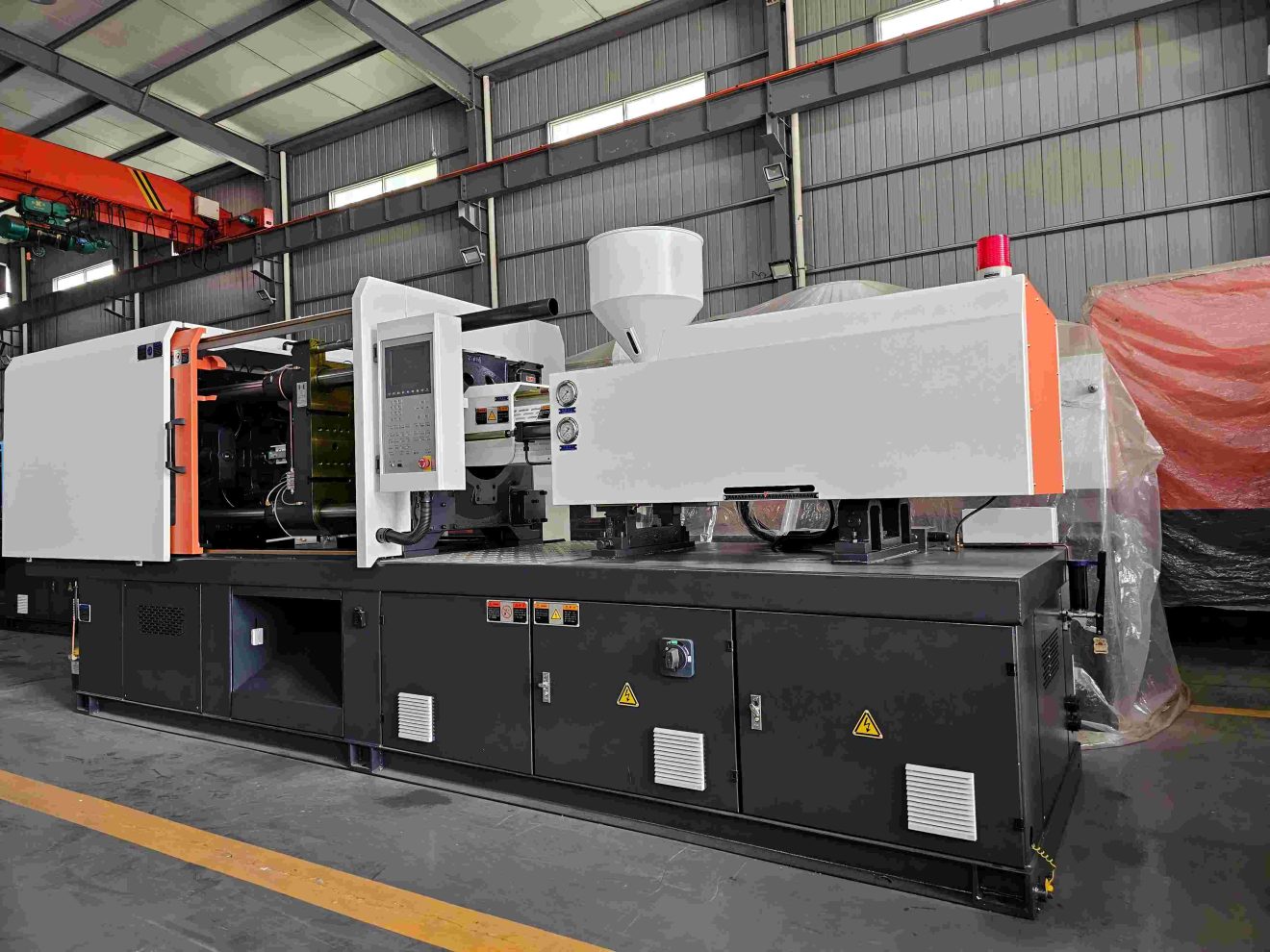
Haichen‘s small injection molding machines use servo or variable pump technology.
Which reduces energy consumption by 30%-60%.
At the same time, a voltage optimizer is installed to reduce power fluctuations and save about 15% of electricity.
Match the mold and the model to reduce the no-load loss.