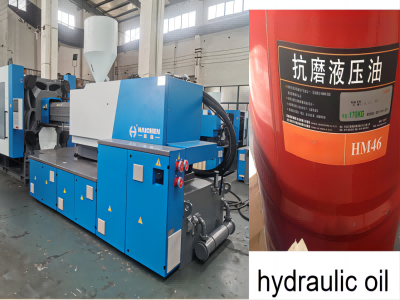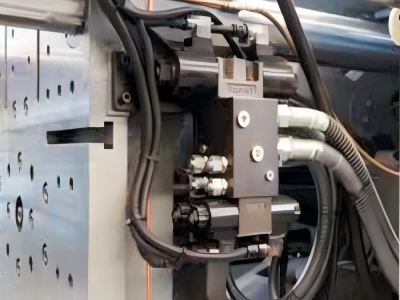
Change the hydraulic oil once within the first three months, afterward, it is generally recommended to replace the hydraulic oil once a year.
Generally speaking, the hydraulic oil should be replaced every 3,000 to 4,000 hours, and filter maintenance should be mandatory.
In high-temperature, high-load or polluted environments, the replacement frequency should be reduced to 2,000 hours.
Implement condition-based monitoring through oil testing to customize maintenance plans and balance machine protection and operational costs.
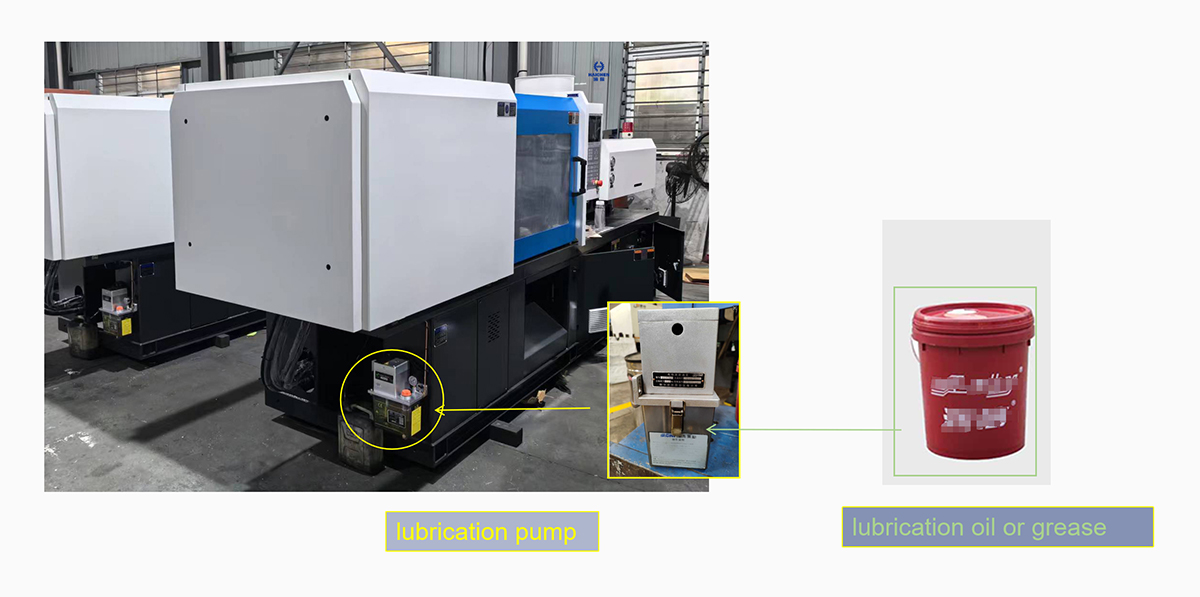
About the hydraulic oil
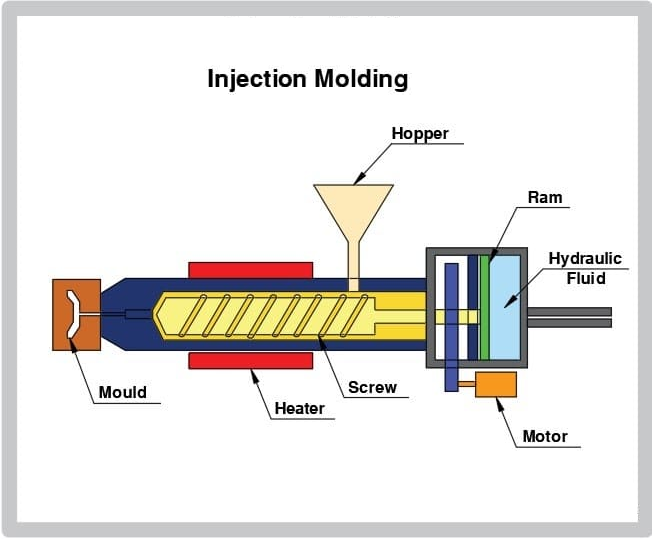
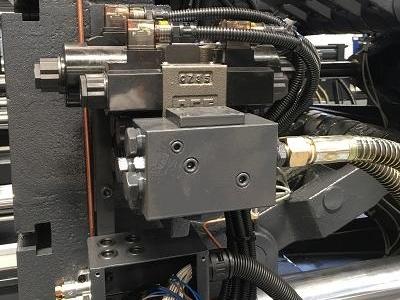
The hydraulic transmission of the injection molding machine uses hydraulic oil as the working medium.
And uses the pressure energy of the hydraulic oil in the sealed working volume to transmit energy or power or signals.
The quality of hydraulic oil and seals directly affects the stable operation of the hydraulic system and indirectly affects product quality.
In order to prevent and reduce the failure of the hydraulic system, reduce wear and prolong life, we should strictly use and maintain hydraulic oil.
The most important properties of hydraulic oil are viscosity and cleanliness.
As well as good anti-oxidation, anti-wear, anti-foam, anti-rust properties and good lubricating properties.
The basis for the frequency of hydraulic oil replacement
- General recommendation
- Filtration & Testing
- Other factors
General recommendation
It is generally recommended to change the hydraulic oil of an injection molding machine every 2000 to 3000 hours.
Depending on the operating conditions and the manufacturer’s recommendations.
If the device is running for 8 hours a day, it is recommended to replace it once a year.
Filtration & Testing
Regularly check the cleanliness of the hydraulic oil and filter or replace it as needed.
You can ask a professional organization to test the quality of hydraulic oil every six months to decide whether it needs to be replaced.
Other factors
Replacement intervals should be shortened in harsh working environments.
Or when hydraulic fluids show signs of deterioration, such as discoloration, odor, or impurities.
When can change the hydraulic oil?
- Hydraulic fluid turns black
- The peculiar smell of change the hydraulic oil
- Thickening and darkening of the fluid
- Increase in viscosity and increase in total acid number (TAN)
- Increased sludge sedimentation in the separator unit
- Mechanical surface changes
Hydraulic fluid turns black
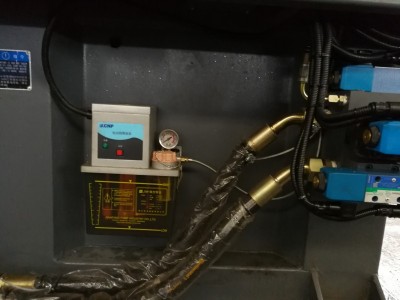
When the hydraulic fluid turns black, it is a sign that the hydraulic fluid may have been contaminated or failed.
If there is a significant difference in the color of the old hydraulic oil and the new hydraulic oil.
Or if the color of the hydraulic oil is more than two colors darker than the new hydraulic oil, it indicates that the hydraulic fluid has failed.
The peculiar smell of change the hydraulic oil
When hydraulic fluid deteriorates, its odor can become pungent or black.
Which is an important signal that the fluid needs to be replaced.
Thickening and darkening of the fluid
If the hydraulic fluid becomes cloudy and smells, this usually means that the oil has deteriorated and needs to be replaced immediately.
Increase in viscosity and increase in total acid number (TAN)
Regularly inspect the samples in the hydraulic fluid system.
If the viscosity increases by more than 10% and the total acid number (TAN) exceeds 3.0.
It indicates that the oil has oxidized and should be replaced.
Increased sludge sedimentation in the separator unit
Increased sludge sedimentation in the separator unit is also a sign of deterioration of the hydraulic fluid.
Mechanical surface changes
Browning and coating of the inner surface of the crankcase, peeling or blistering of paint.
And excessive carbon formation in the piston cooling chamber are all signs that the hydraulic fluid may have deteriorated.
These are signs that the hydraulic fluid may have been contaminated or oxidized.
Affecting its performance and proper operation of the equipment, and needs to be replaced.
What is the temperature of the hydraulic oil in the injection molding machine?
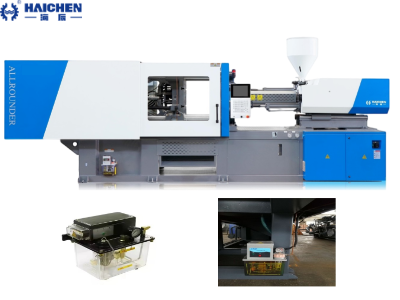
The ideal operating temperature of the hydraulic system should be between 45 and 50 degrees.
This is because the hydraulic system is designed based on the viscosity of the selected pressure oil.
But the viscosity will change with the variation of oil temperature, which will affect the operation of the system.
Components such as cylinders and hydraulic valves can reduce control accuracy and response sensitivity, especially for precision injection molding machines.
Injection molding machine hydraulic oil change steps
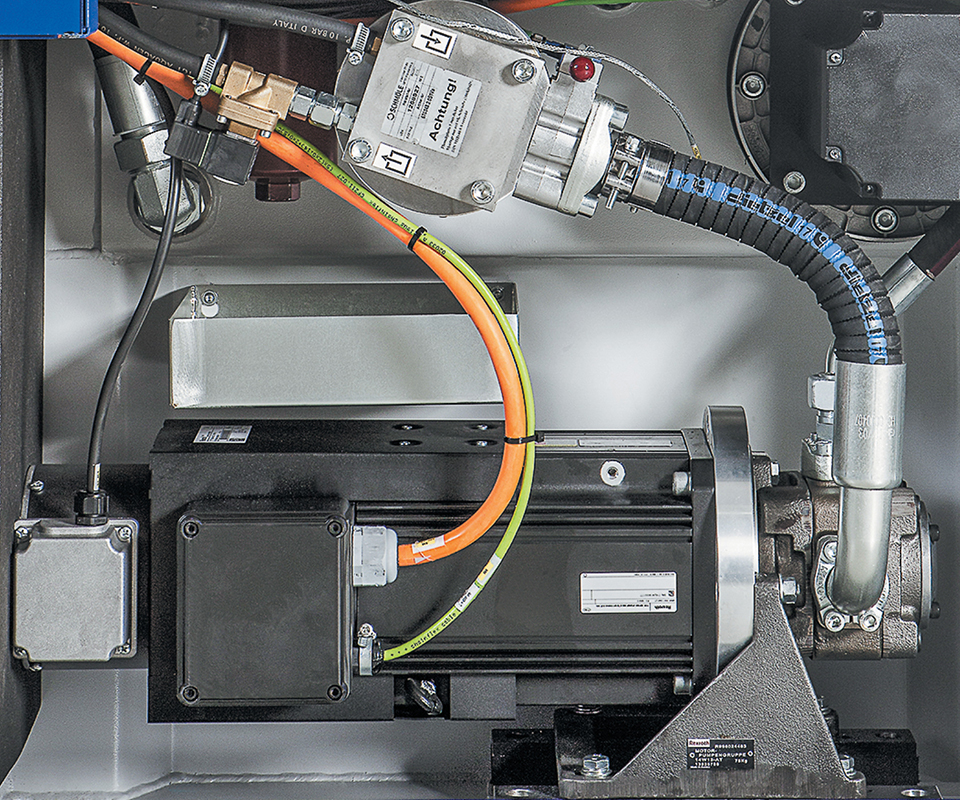
Disconnect the battery and lock the machine for safety.
Open the hydraulic tray, remove the oil return pipe, drain the tank, and collect the spilled fluid.
Clean the inside of the hydraulic box, install a new hydraulic box, and tighten it.
Ensure the purity of the hydraulic oil by adding new hydraulic oil through the fill valve using the appropriate injection hoses and fittings.
Haichen’s warm reminder for changing hydraulic oil
When changing the hydraulic oil, it is necessary to pay attention to safety matters.
Such as warning not to let the oil spray out, not to expose the hydraulic pump to cavitation, etc.
Use original seals to prevent damage to equipment and test samples and to ensure operator safety.
Before adding new oil, make sure all containers are clean.
And after replacing the hydraulic oil in the hydraulic system, clean the filter elements and replace the filter element.