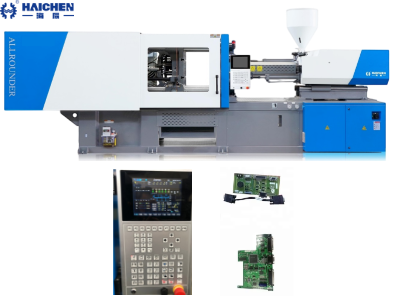
Calculate power consumption of injection molding machines is Actual power consumption = (motor power + electric heating power) × 0.8.
Calculate power consumption of injection molding machines involves multiple factors:
motor power, heating power, power of auxiliary equipment, production speed, and temperature requirements.
The energy consumption of injection molding machines is concentrated in the hydraulic system and plasticization/injection stage. Reducing energy consumption requires the comprehensive use of efficient models (fully electric/servo systems), optimized process parameters (low speed, high back pressure), and energy-saving technologies (energy storage devices).The following is the main method for calculating the power consumption of injection molding machines:
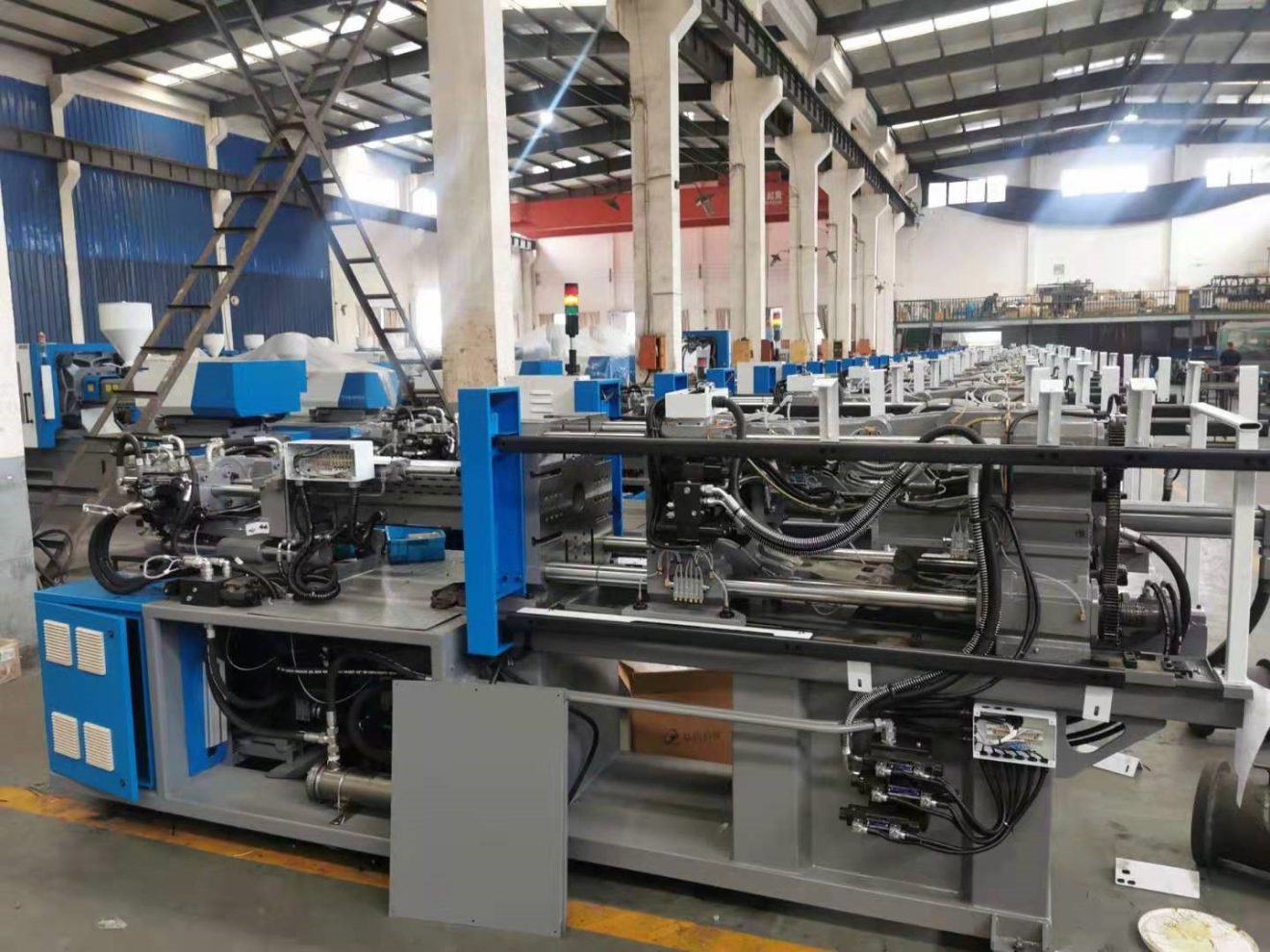
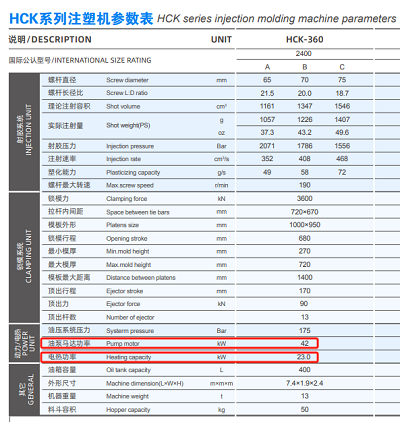
Basic power consumption calculation:
The power consumption of an injection molding machine can usually be estimated by the sum of the motor power and the heatingpower.
Main energy consumption system
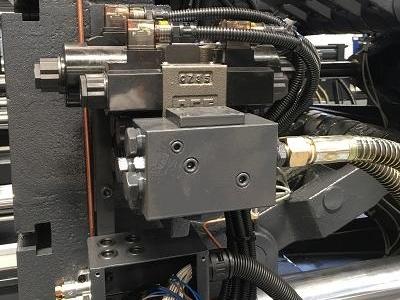
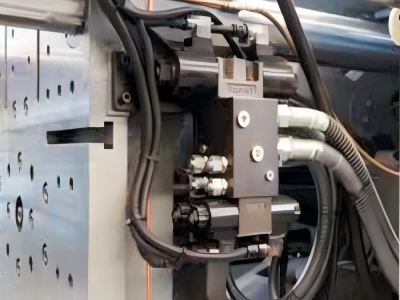
- Hydraulic syste: accounting for 75% -80% of the overall energy consumption, it is the largest energy source. The oil pump motor has the highest proportion of electricity consumption, mainly due to the excess flow and pressure losses in traditional quantitative pump systems.
- Heating system: estimate for 10% -15%, including the electrical energy consumption of the barrel heater.
- Cooling system: Around for 5% -10%, used for cooling hydraulic oil and molds.
- Control system: About accounting for 1% -5%.
Energy consumption distribution during injection molding cycle
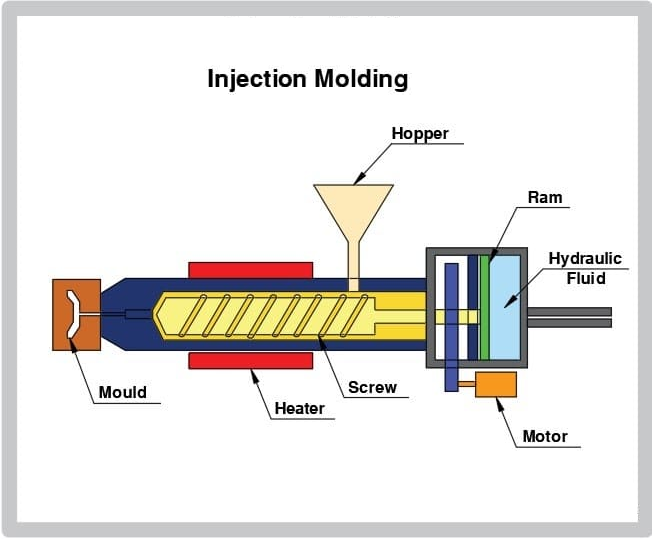
- Injection stage: Energy consumption accounts for the largest proportion, mainly affected by injection pressure and material rheological properties. Injection energy consumption can be divided into four parts: solid friction energy consumption of screw, viscoelastic resistance energy consumption of melt, flow energy consumption of gate, and flow energy consumption of mold cavity.
- Plasticization stage: accounting for 50% -70% of total energy consumption, significantly affected by screw speed, back pressure, and barrel temperature. Experiments have shown that the plasticizing energy consumption of PP (polypropylene) is higher than that of PS (polystyrene) and ABS.
- Mold closing/opening stage: The energy consumption during the mold locking and pressure relief process is relatively high. Optimizing the hydraulic cylinder parameters can reduce energy consumption by more than 26%.

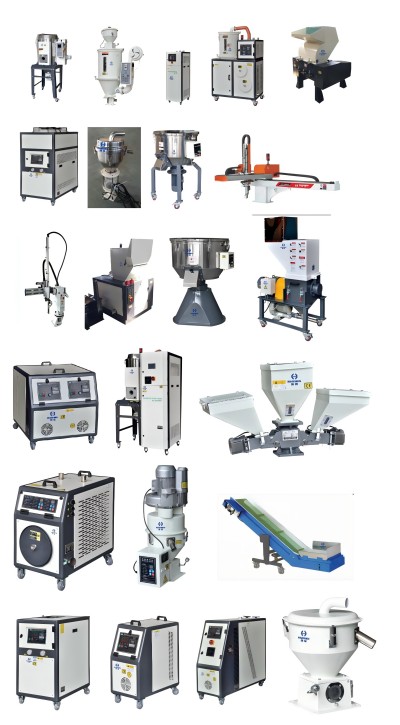
The impact of auxiliary equipment
The power consumption of auxiliary equipment such as manipulators, dryers, dehumidifiers, etc. depends on the production speed and temperature requirements.
Material drying
The drying of plastics (usually done by a dryer) is a common auxiliary process before injection molding, and its energy consumption is affected by the properties of the materials and drying process parameters. Although it is not directly quantified, it is part of the auxiliary energy consumption.
Temperature control
The temperature setting of the barrel significantly affects the plasticization energy consumption (usually an increase in temperature leads to an increase in energy consumption). Maintaining the temperature of the barrel requires a heating system (which can be considered as part of the main engine, but the cooling system is often an auxiliary equipment), and precise temperature control helps to avoid energy waste caused by excessive heating.
Automated operation
The power consumption of the extraction device (robotic arm). The efficiency and operating time of automated auxiliary equipment such as robotic arms directly affect their energy consumption contribution.
Cooling system
It is pointed out that the locking and pressure relief processes are the largest energy consuming parts of the hydraulic clamping system. The efficiency of the cooling system (auxiliary equipment) directly affects the cooling time, which in turn affects the cycle time and total energy consumption.
Power consumption of servo energy saving injection molding machines
The actual power consumption of ordinary injection molding machines is about 60% of the motor power, while that of servo machines is 40%.
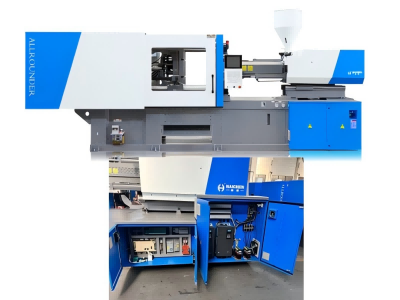
Factors affecting energy consumption
- Machine size: Large machines typically consume more energy than small machines.
- Material properties: High viscosity materials require more energy for processing.
- Process parameters such as injection pressure, injection speed, and holding time directly affect energy consumption.
- Cooling time: A longer cooling time will increase energy consumption.
- Machine efficiency: Efficient machines typically have lower energy consumption.
Impact of energy-saving transformation:
Through energy-saving transformations, such as the use of servo systems and frequency converters, the power consumption of injection molding machines can be significantly reduced.
For example, the power consumption of a servo injection molding machine is about 7 kWh/hour, while that of an ordinary injection molding machine is about 10 kWh/hour.
Comprehensive energy consumption calculation
The calculation formula for unit power consumption of the injection molding process is: ee=Ee/G, where ee is the unit power consumption of the injection molding process, Ee is the power consumption of the injection molding process, and G is the total output of products during the statistical reporting period.
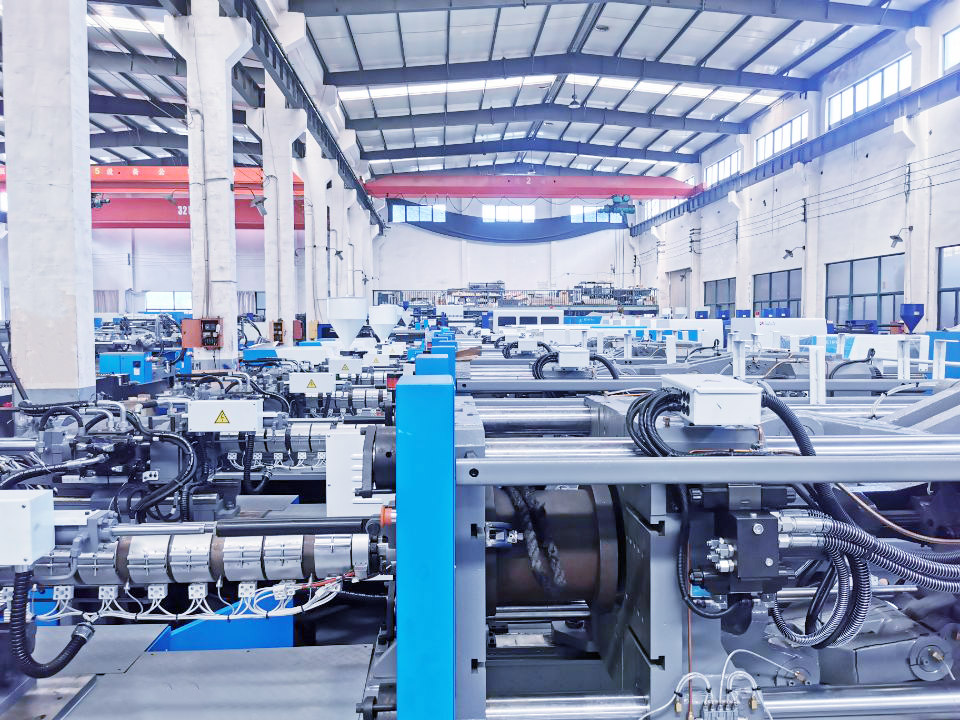
Adjustment in actual application:
The factors which are machine brand, power size, load rate, and voltage stability affect actual power consumption.
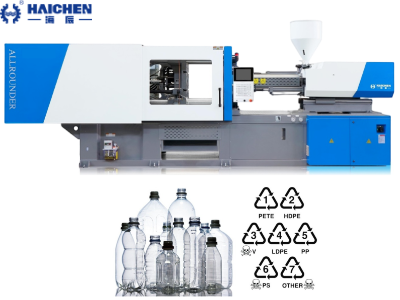
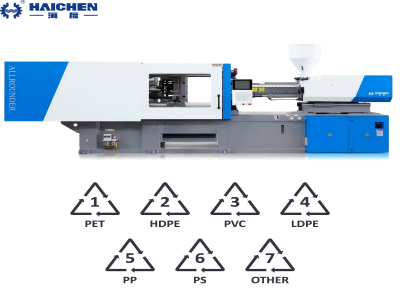
HAICHEN servo energy saving injection molding machine
We are Haichen Machinery, produced plastic injection molding machines for more than 10 years.
According to different products, our Haichen machine power consumption is very low.
Our injection molding machines with servo-energy-saving motors will save 20%-80% of energy and bring you prominent economic profit.
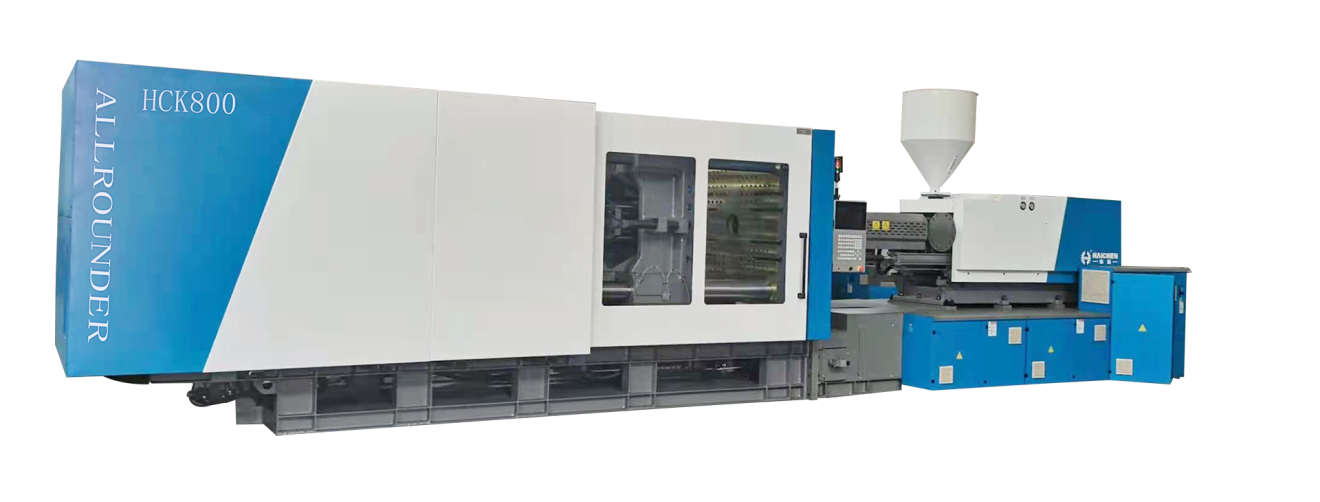 HCK 800 haichen machine
Summary
To calculate power consumption of injection molding machines needs to consider the motor power, heating power, power of auxiliary equipment, and various factors in the production process.
The cost can effectively reduced by rationally planning electricity consumption and adopting energy-saving technologies.