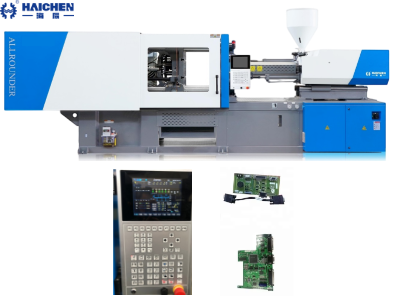
Human Machine Interface (HMl) of injection molding machines is an important tool for controlling and monitoring the injection molding process.
In injection molding machines, the HMI usually comes in the form of a touch screen that allows the operator to set parameters, monitor the production process, and troubleshoot.
What is Human Machine Interface
The human-machine interface (HMI) is a combination of hardware and software that guides the interaction between humans and machines.
It not only provides an intuitive graphical user interface but also interfaces with a programmable logic controller (PLC) for precise control of the injection molding machine.
HMI design such as whether mobile or fixed equipment is required, and whether the screen size is appropriate for operation.
In addition, HMIs can integrate sensors and actuators to maintain the performance of the injection molding process.
As a result, HMI is not limited to basic operation and monitoring functions.
But can also optimize production efficiency and product quality through advanced algorithms and simulation techniques.
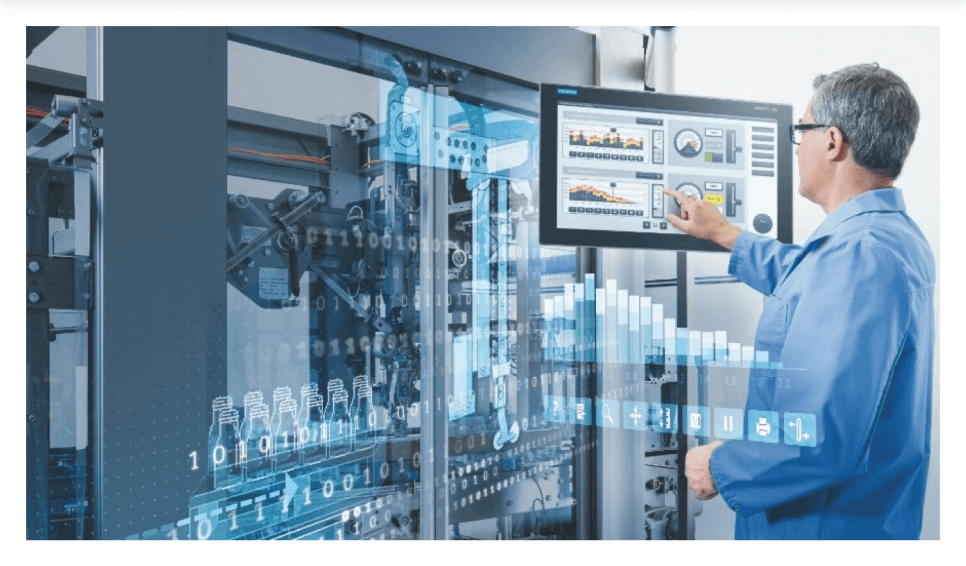
How does the human-machine interface work?
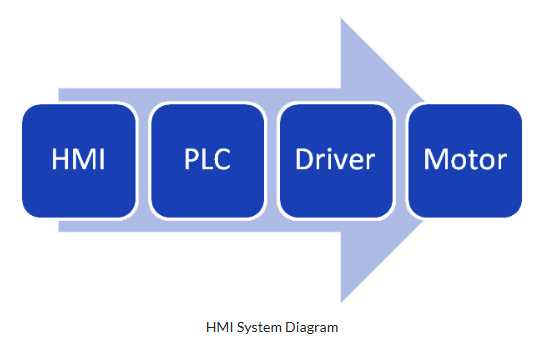
HMI is usually used in conjunction with PLC (Programmable Logic Controller) to monitor and control the processes in an automated system.
Generally speaking, HMI enables users to communicate with the PLC through a graphical interface (usually a touchscreen).
This interface allows for the generation of commands, as well as the reception and translation of feedback data from the PLC.
And then presents it on the screen in an easily accessible visual manner.
This provides manufacturers using injection molding machines with much-needed flexibility and control over a given system.
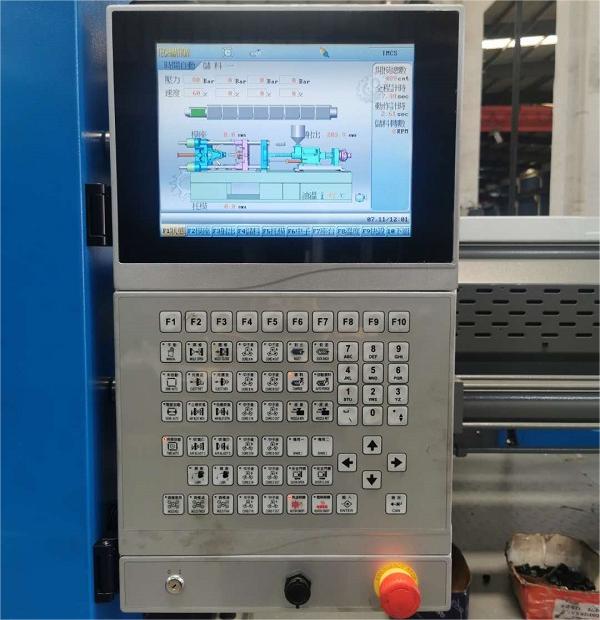
Human Machine Interface Screens
The hardware can consist of touch screens, buttons, switches and numeric keypads.
This software is a roadmap for safely setting up, running and monitoring the machine throughout its cycle.
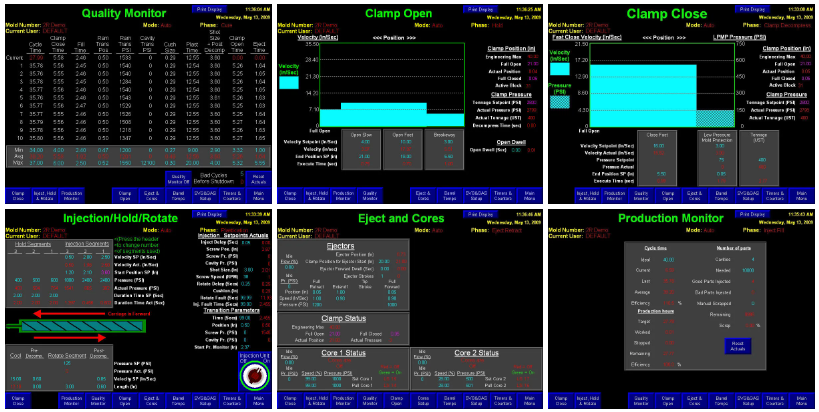
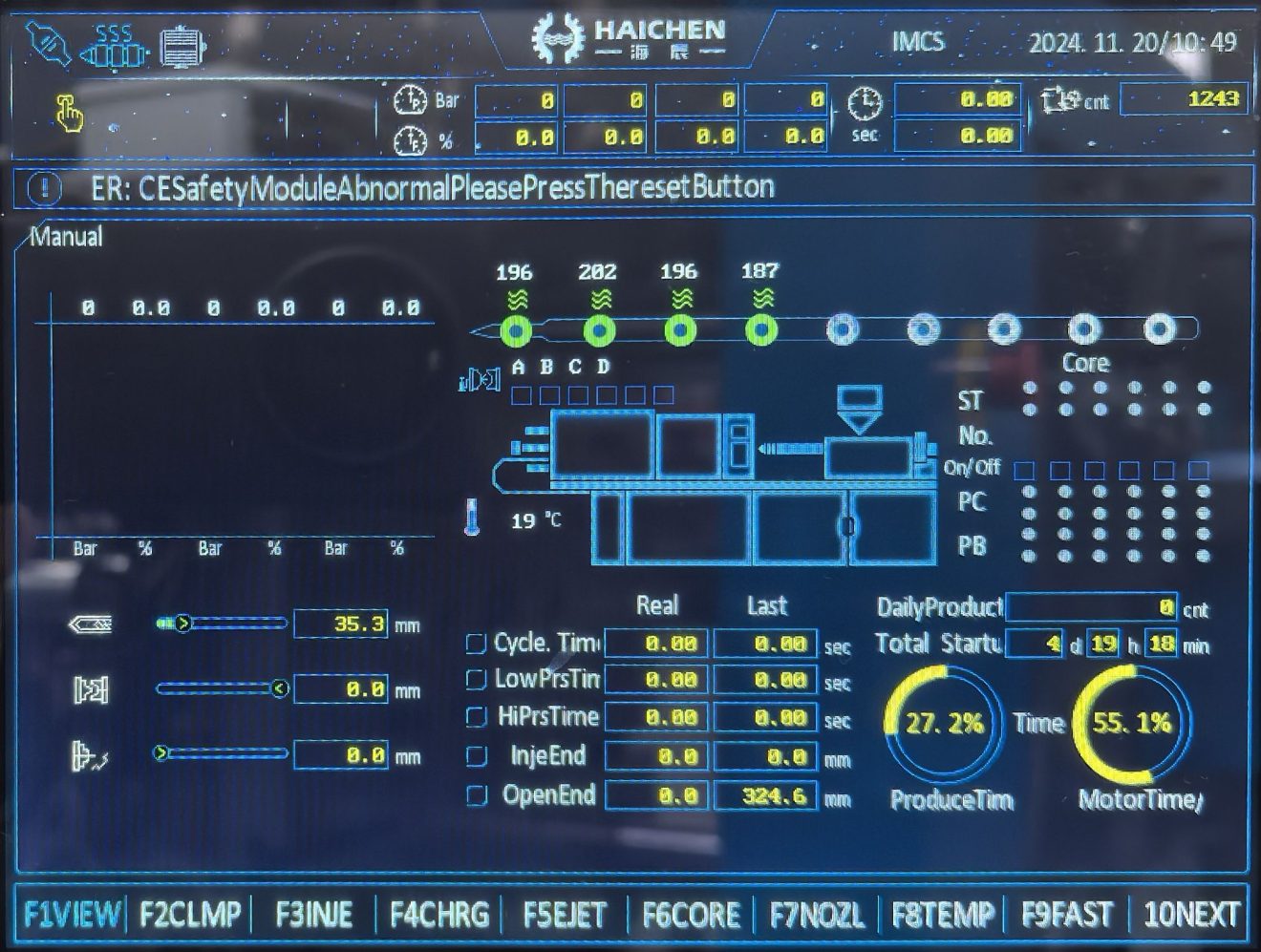
The following is an example of the injection molding interface screen implemented when upgrading the control system of the injection molding machine.
It should be noted that the screen can be customized according to your specific needs.
Components of Human Machine Interface
HMI contain some basic components, one of which is the light-emitting diode (LED) indicator light.
These LED indicator lights come on, indicating various control mechanisms.
For example, if the system of the injection molding machine is working, the LED indicator light may turn green.
If the system is not working, the LED indicator light may turn red.
In addition to leds, HMI may also be equipped with switches.
Some Hmis use traditional mechanical switches, while others use membrane switches.
In harsh environments with high humidity and moisture, membrane switches are usually the first choice.
Because membrane switches are made of a single-layer flexible substrate, they usually offer higher moisture protection compared with mechanical switches.
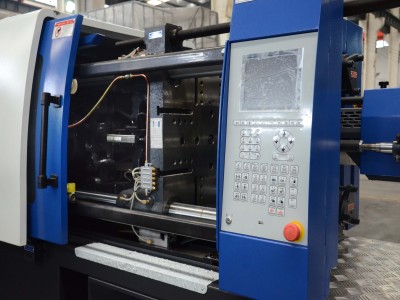
In addition, the HMI of some injection molding machines is equipped with touch screens.
Touchscreen HMI may support multiple language modes.
The practical effect of Human Machine Interface(HMI)in the application
- Improve operational efficiency
- Reduced downtime and maintenance costs
- Improved data processing capabilities
Improve operational efficiency
Real-time monitoring and control
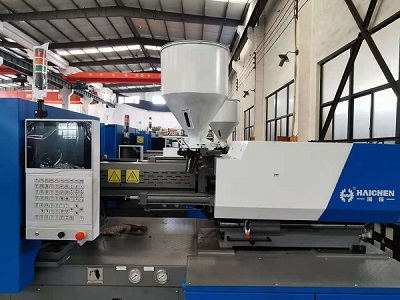
The HMI system enables operators to monitor equipment status and production processes in real time by providing an intuitive graphical interface.
This real-time monitoring and control reduces downtime and increases productivity.
Reduced Operator Errors
HMI systems reduce the risk of operator errors by reducing reliance on highly skilled operators.
Reduced downtime and maintenance costs
Predictive maintenance
HMI systems can reduce downtime by monitoring equipment status in real time to perform predictive maintenance.
For example, the HMI system is able to respond to the signals of auxiliary equipment and issue alarms during service operations.
Instructing the operator on how to correct the mold and increase machine uptime.
Reduced maintenance costs
HMI systems help reduce maintenance costs by reducing downtime and increasing equipment utilization.
Improved data processing capabilities
Data analysis and decision support
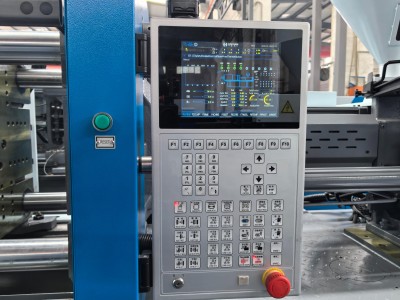
HMI systems enhance the performance of the system by providing real-time data access and decision support.
For example, a good HMI design can provide safe operational guidance and increase informed decision-making.
Improve the real-time nature of data transmission
HMI systems need to be tightly integrated with industrial automation equipment and control systems.
This includes real-time monitoring of the status of the equipment and optimal control of the production process.
User-friendliness
Designed with the user of HMI systems experience in mind, making them easy to use and reducing operating errors.
Although HMI systems improve operational efficiency and safety, they still require a certain amount of training and understanding before use.
We are Haichen Machinery, a Chinese manufacturer of plastic injection molding machines.
Proper training can help operators get the most out of its features and benefits.
If necessary, Haichen can provide customers with online or offline operation training.