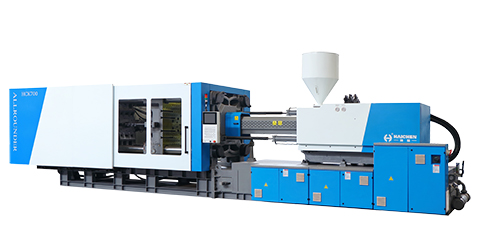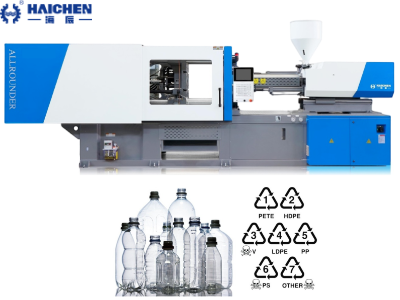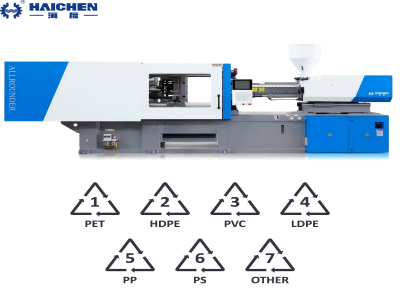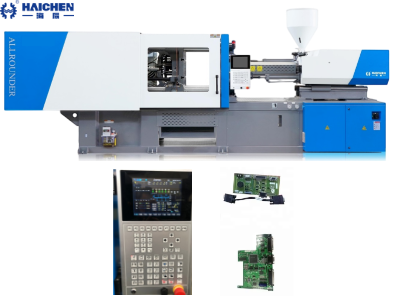
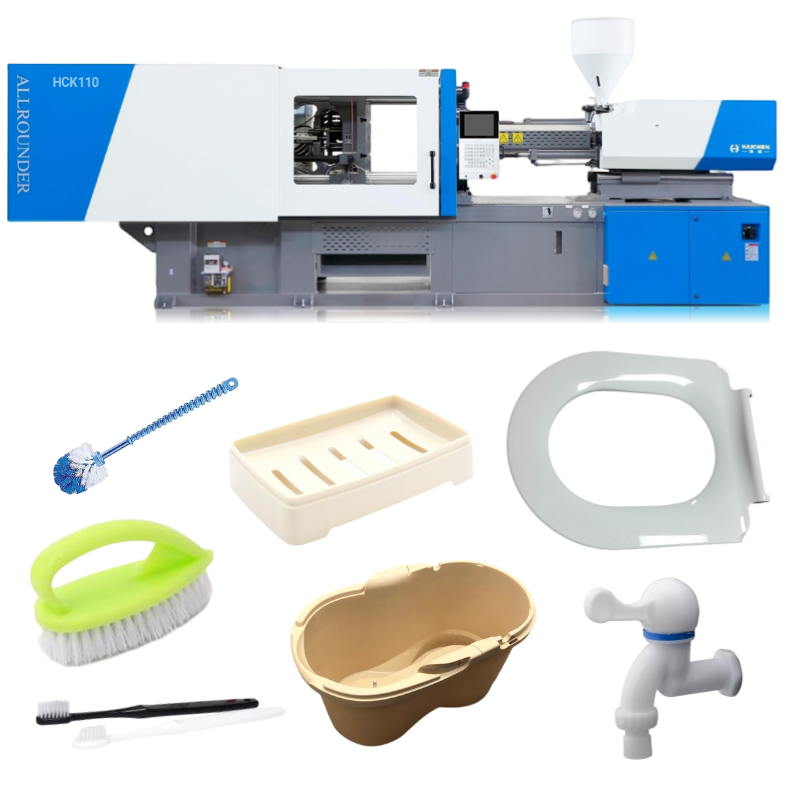
A 360 Ton Injection Molding Machine is a typical industrial-grade injection molding machine with a wide range of applications.
It can produce most daily necessities, small electrical appliances and plastic accessories, etc.
The calculation of clamping force is based on the product of the projected area of the part and the maximum pressure of the cavity.
The composition of a 360t injection molding machine
- Core Parameters
- Control Features
- Key Components
- Energy Efficiency & Stability
- Additional Functions
Core Parameters
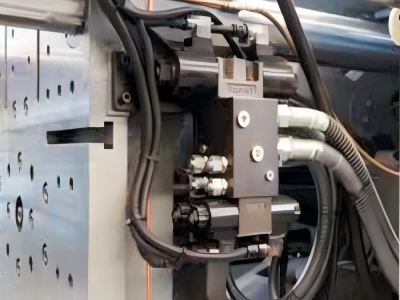
- Maximum Hydraulic Pump Pressure: Typical system pressure ranges from 16–21 MPa (some systems achieve up to 17.25 MPa).
- Pump Motor Power: Common configurations include 37 kW, while servo-driven systems may use motors as low as 13.4 kW.
- Response Speed: Fastest system startup time of 0.05 seconds, with high-precision systems achieving dynamic response times ≤30 ms.
Control Features
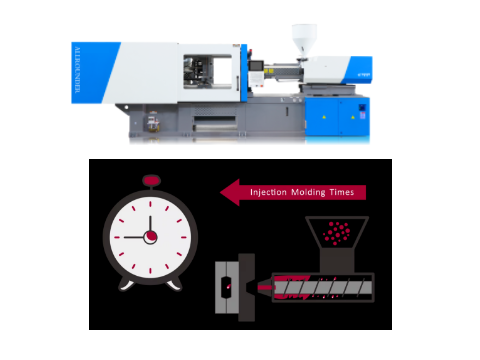
- Multi-stage Pressure & Speed Control: Supports 3–6-stage injection speed adjustments and multi-level pressure control (e.g., dual-cylinder balanced injection), with some systems offering 15-stage pressure settings.
- Control Strategy: Utilizes closed-loop control and PID algorithm optimization. Servo-driven systems enable valve-less control to minimize throttling losses.
Key Components
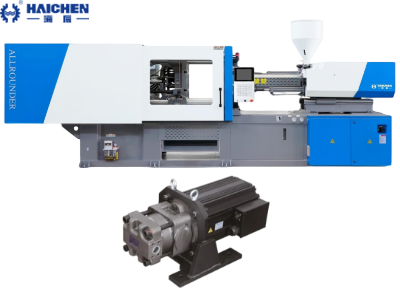
- Hydraulic Pump Type: Primarily high-performance piston pumps or gear pumps for stable high-pressure output.
- Oil Circuit Design: Optimized piping layout to reduce pressure drops, constructed from high-pressure/corrosion-resistant materials. Tank capacity typically ranges 120–200 L.
Energy Efficiency & Stability
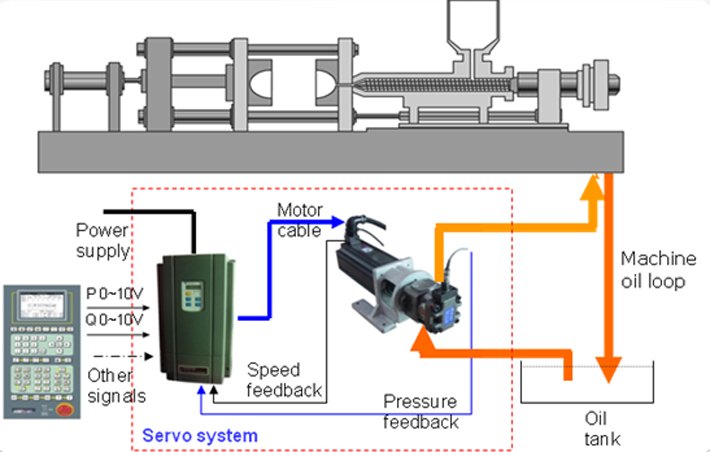
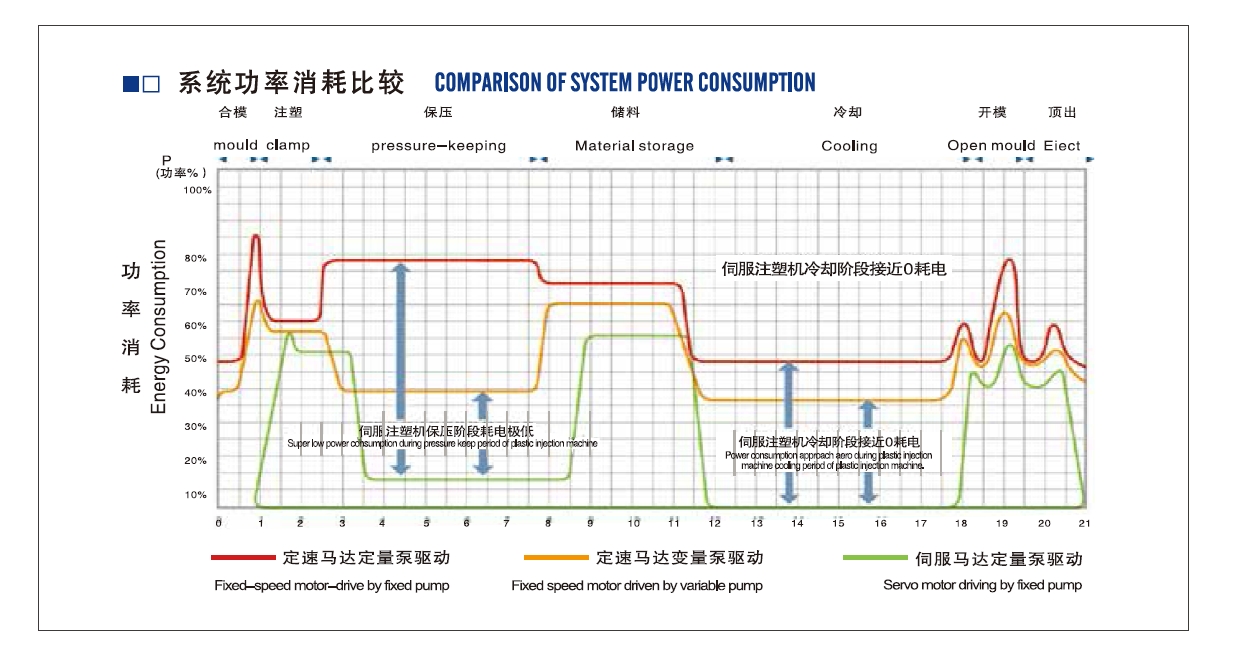
- Energy-saving Technologies: Servo-driven systems reduce energy consumption by 40–70%, with real-time pressure feedback to eliminate idle power waste.
- Temperature Control & Reliability: Low oil-temperature design prevents high-pressure unloading, ensures smooth pressure/speed transitions, and includes high-temperature-tolerant hydraulic valves.
Additional Functions
- Safety & Maintenance: Standard features include CE-certified safety protocols, fault self-diagnostics, automatic oil temperature regulation, and external cleaning ports.
- Lubrication System: Some systems integrate visual lubrication monitoring to extend component lifespan.
Key specifications for a 360-ton injection molding machine’s hydraulic system:
- High Pressure: 16–21 MPa range;
- Rapid Response: Startup ≤0.05 sec, dynamic response ≤30 ms;
- Multi-stage Control: 3–6 speed stages, 15 pressure stages;
- Energy Efficiency: Servo-driven systems save 40–70% energy;
- Reliability: High-pressure/corrosion-resistant circuits, low-temperature oil control, and visual maintenance features.
How does a hydraulic injection molding machine work?
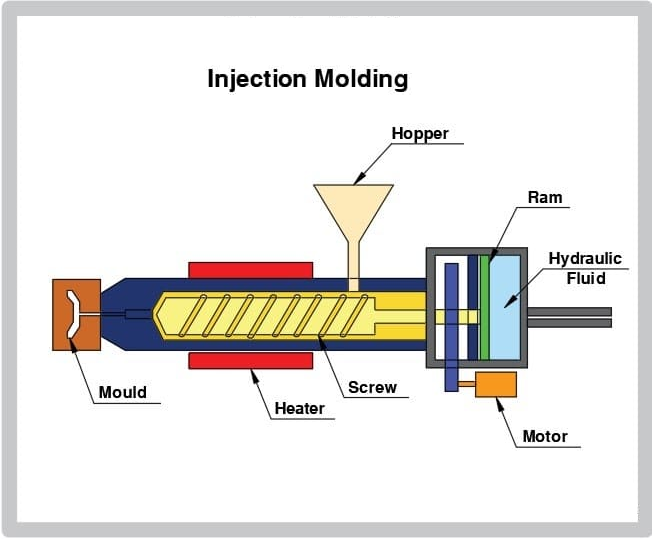
A hydraulic injection molding machine operates by utilizing hydraulic systems to generate and control high-pressure fluid power, driving the mechanical actions required for plastic injection molding. Below is a detailed breakdown of its working principles and key mechanisms:
- System Components & Power Transmission
- Working Cycle
- Key Control Technologies
- Performance Factors
System Components & Power Transmission
The machine consists of the following core components:
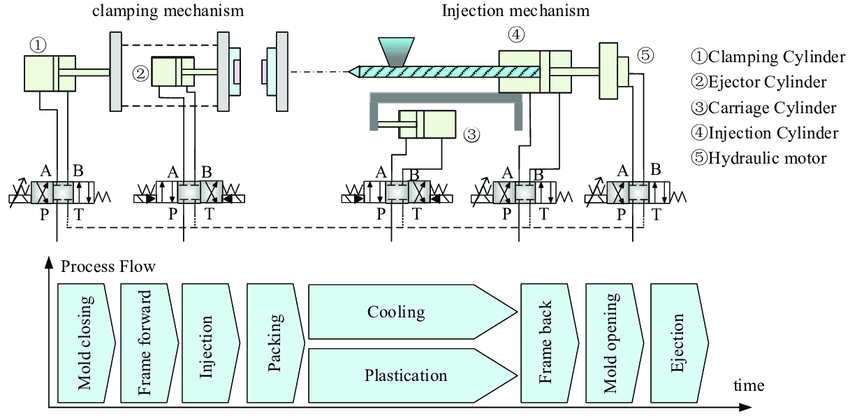
- Hydraulic Pump: Converts mechanical energy (from an electric motor) into hydraulic pressure. Common types include variable-displacement pumps (e.g., bidirectional rotary pumps) and fixed-displacement pumps, which regulate system pressure and flow rate.
- Hydraulic Actuators:
- Clamping Cylinder: Applies hydraulic force to close the mold and maintain clamping force (up to tens of thousands of kilonewtons) to prevent mold separation during injection.
- Injection Cylinder: Drives the screw or plunger to inject molten plastic into the mold cavity at high speed (injection pressures range from 150–250 MPa).
- Hydraulic Motor: Rotates the screw for plasticizing (melting and homogenizing) the material during the plastication phase.
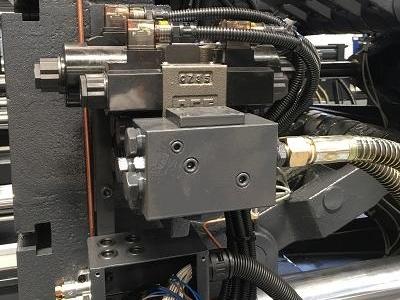
- Control Valves: Directional, pressure, and flow control valves manage oil flow, pressure, and direction to ensure precise sequencing of operations.
Working Cycle
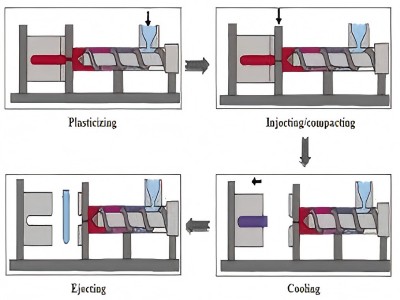
Mold Clamping
- High-pressure oil from the pump flows into the clamping cylinder, moving the platen to close the mold. Hydraulic-mechanical systems (e.g., toggle linkages) may amplify clamping force while improving speed and accuracy.
- Mold Protection: Pressure sensors monitor clamping force to prevent overload or damage.
Injection & Holding Phase
- Plastication: The hydraulic motor rotates the screw, melting and conveying plastic pellets to the screw tip.
- Injection: The injection cylinder rapidly advances the screw (speeds up to 300 mm/s), injecting molten plastic into the mold.
- Pressure Intensification: The hydraulic cylinder’s piston area is larger than the screw’s front area, amplifying hydraulic pressure into higher melt pressure via the intensification ratio (IR) (e.g., IR 15.4 in Machine A).
- Holding Phase: Hydraulic pressure is maintained to compensate for material shrinkage as the melt cools, preventing sink marks.
Cooling & Plastication
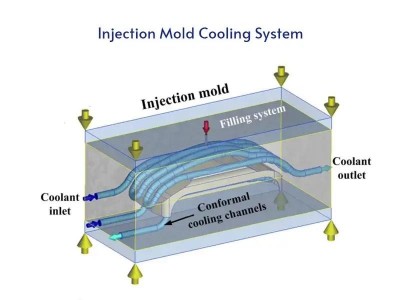
- Cooling: The mold’s cooling channels solidify the part. Energy-saving systems (e.g., variable-frequency pumps) reduce power consumption during this phase.
- Plastication Prep: While cooling, the hydraulic motor rotates the screw to prepare melted material for the next cycle.
Ejection & Mold Opening
- Ejection: The ejector cylinder pushes the finished part out of the mold, with speed and stroke controlled by flow valves.
- Mold Opening: The clamping cylinder retracts to open the mold, completing the cycle.
Key Control Technologies
- Energy Efficiency: Variable-displacement pumps and servo-hydraulic systems reduce energy waste by adjusting oil flow and pressure on demand (30–50% energy savings vs. traditional systems).
- Precision Control: PID controllers or advanced algorithms (e.g., robust control) use real-time feedback from pressure/flow sensors to ensure accurate injection speed and pressure.
- Hybrid Systems: Combine electric screw drives (for precise plastication) with hydraulic clamping (for high force), balancing energy efficiency and performance.
Performance Factors
- Hydraulic Oil Quality: Viscosity and cleanliness affect response time and component longevity (regular filtration is critical).
- Intensification Ratio (IR): Mismatched screw and cylinder areas can cause pressure instability (e.g., IR differences between Machine A and B).
- Leakage & Temperature: Seal wear or oil overheating reduces efficiency, requiring maintenance and cooling systems.
Overall
Hydraulic injection molding machines rely on high-pressure oil to drive clamping, injection, and ejection actions. Their strengths lie in high power density, adaptability, and force capacity, while modern innovations (e.g., servo controls, hybrid systems) address energy efficiency and precision. Regular maintenance and optimized hydraulic design ensure reliable performance in high-volume manufacturing.
Scope of use of HAICHEN 360 Ton Injection Molding Machine
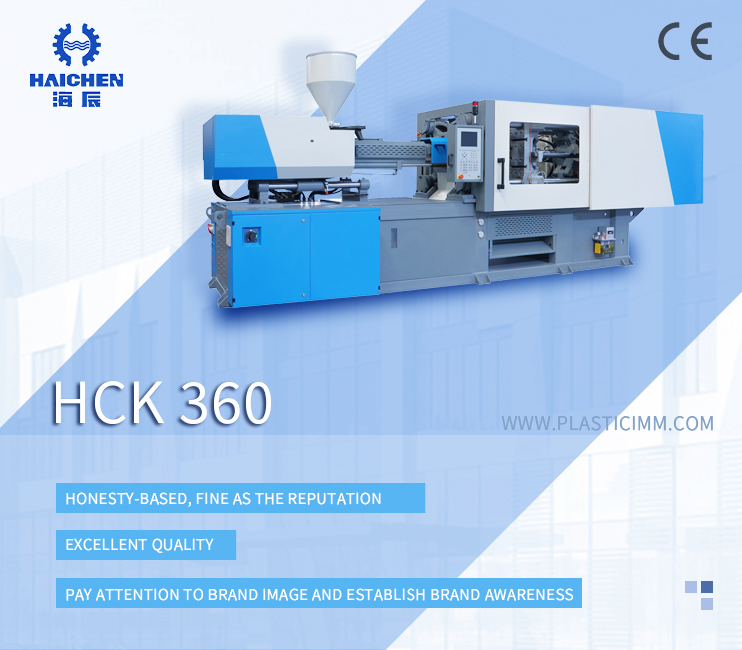
Haichen Injection Molding Machines has precisely designed and developed two series of servo injection molding machines, HCK360 and HCS360E, targeting the broad civilian injection molding product market.
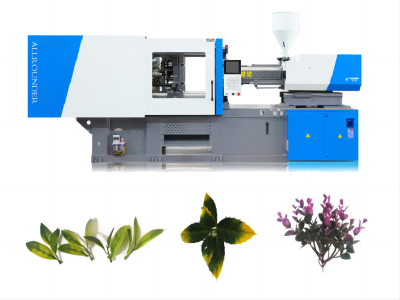
The 360-ton injection molding machine is widely used across various industries due to its clamping force, injection capacity, and technical specifications.
Below is an organized overview of its applications and capabilities:
- Key Industries and Applications
- Technical Advantages
- Industry-Specific Use Cases
- Efficiency and Innovation
Key Industries and Applications
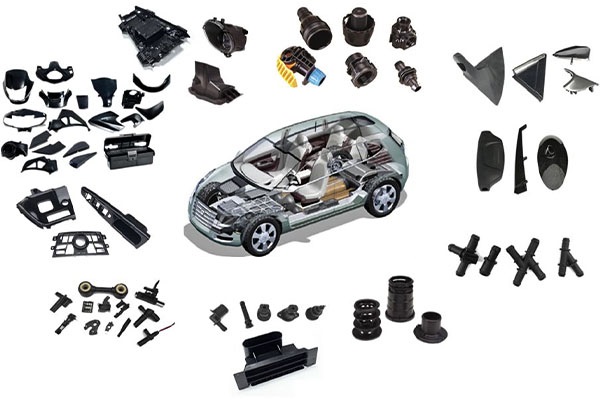
- Automotive Manufacturing
- Produces large or complex components like dashboards, door panels, bumpers, and structural parts.
- The high clamping force (HCK360 tons) ensures mold stability during high-pressure injection, preventing flash (excess material) or dimensional inaccuracies.
- Suitable for fiber-reinforced plastics (e.g., glass-filled polymers), which require 50–70% higher clamping force than standard materials.
- Consumer Electronics & Appliances
- Molds medium-to-large plastic parts such as washing machine panels, air conditioner housings, and TV frames.
- Supports features like internal slide mechanisms for complex geometries (e.g., undercuts).
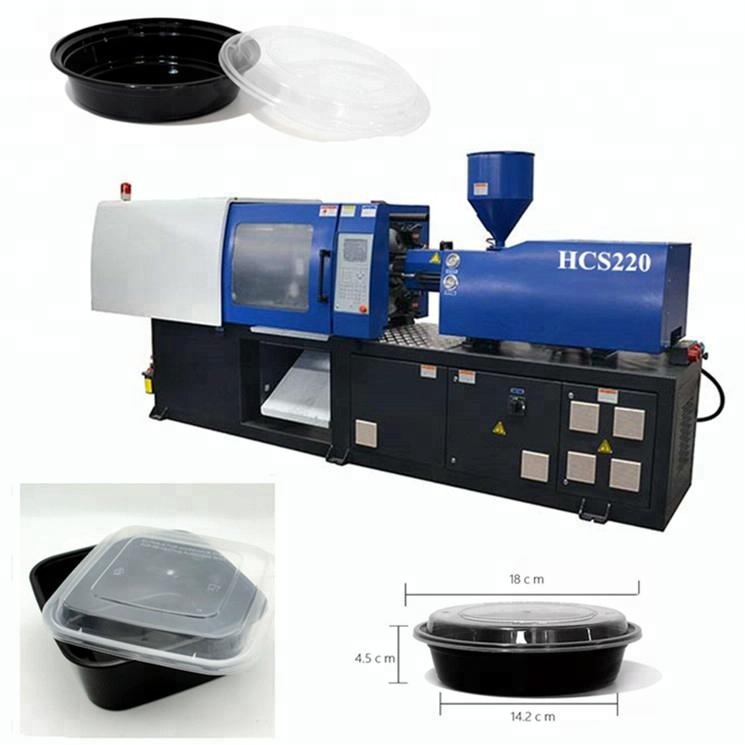
- Packaging & Containers
- Ideal for manufacturing large industrial containers, plastic drums, and thin-walled packaging.
- Handles molds with large projected areas (e.g., crates or pallets), where clamping force prevents mold deflection.
- Construction & Building Materials
- Produces pipes, fittings, window frames, and other structural components.
- Compatible with durable thermoplastics (e.g., ABS, PP) that meet strength and weather-resistance requirements.
- Medical Devices
- Molds precision components like instrument housings, sterilization trays, and disposable medical parts.
- Delivers high repeatability and stability, critical for medical-grade production.
Technical Advantages
- High Clamping Force:
- Supports large molds (projected area up to ~1.5 m²) and high-viscosity materials.
- Example: Automotive bumpers require ~55–165 tons of clamping force per mm² of projected area.
- Material Versatility:
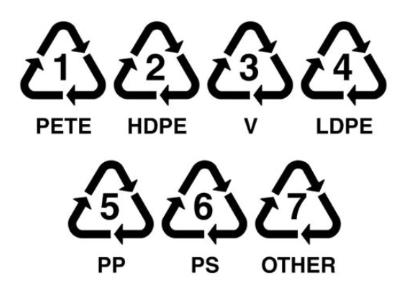
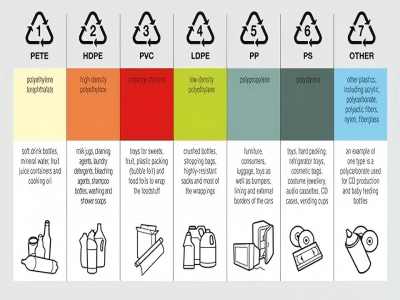
- Processes thermoplastics (ABS, HDPE, PP), thermosets (e.g., epoxy), and elastomers.
- Suitable for engineering plastics requiring precision and strength.
- Complex Part Design:
- Enables multi-cavity molds and hot-runner systems to reduce cycle times and material waste.
- Vertical machine configurations (e.g., rotary table designs) allow simultaneous molding and post-processing.
Industry-Specific Use Cases
- Aerospace & Defense: Lightweight, high-strength components (e.g., drone housings, instrument panels).
- Agriculture: Durable parts for machinery, irrigation systems, and storage solutions.
- Custom Manufacturing: Prototyping and small-batch production with quick mold-change capabilities.
Efficiency and Innovation
- Energy Savings:
- Modern HCK360 machines integrate servo-driven pumps or hybrid systems to reduce power consumption by up to 50%.
- Smart Automation:
- PLC-controlled processes and IoT-enabled monitoring ensure consistent quality and predictive maintenance.
- Flexible Production:
- Vertical clamping designs and modular tooling enable rapid transitions between product lines.
The Haichen 360-ton injection molding machine is a versatile solution for medium-to-large-scale production, excelling in industries requiring precision, complex geometries, or high-strength materials. Its balance of clamping force, material compatibility, and advanced automation makes it indispensable for automotive, electronics, medical, and industrial applications.
Please contact Haichen by email. We have a professional Spanish-speaking technical support team to provide better support experience for customers in Central and South America.