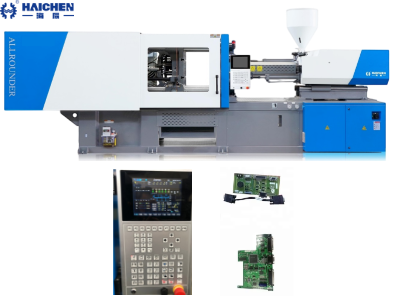
Injection molding machine motherboard Development Trend:
- EtherCAT-Based Real-Time Communication
- Edge Computing Integration
- Modular & Scalable Architecture
- Functional Safety Compliance
- IoT and Cloud Interoperability
- Energy Management Integration
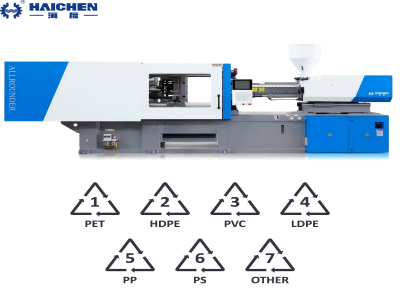
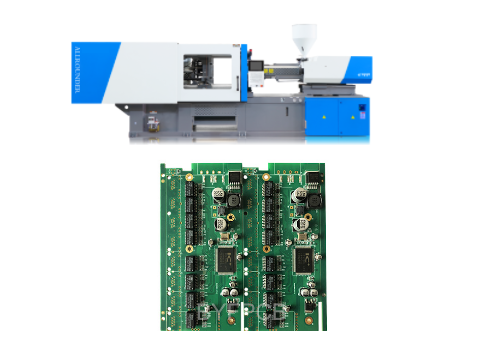
Injection molding machine motherboard,as the core of the electrical control system of the injection molding machine.
The technical evolution of the motherboard of the injection molding machine is closely related to the needs of the industry.
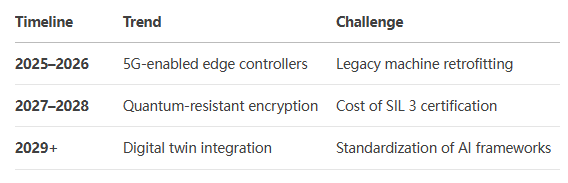
The motherboard is evolving from a control unit to the intelligent core of injection molding—enabling autonomous optimization, cyber-secure operations, and seamless scale.
Manufacturers investing in these technologies will lead the next wave of smart plastic production.
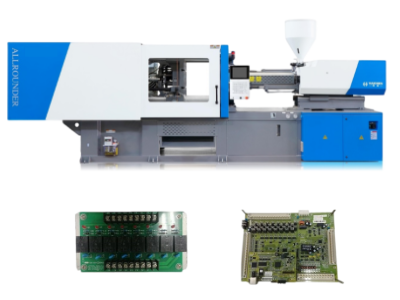
The manufacturing and design process of the motherboard
The manufacturing of injection molding machine mainboards involves electronic design and material selection to ensure durability and anti-interference capability.
It describes the process of injection-molded circuit boards which may be used for motherboard packaging.
But the motherboards themselves are usually manufactured using standard PCBS (printed circuit boards).
Design stage
Use CAD software to create 3D models, design circuit layout and component integration.
The motherboard needs to optimize thermal management and electromagnetic compatibility to adapt to the high-temperature and vibrating environment of the injection molding machine.
Material selection
Durable thermoplastic materials such as engineering plastics are commonly used for motherboard substrates, providing heat resistance and chemical resistance.
Other materials include metal alloy heat sinks.
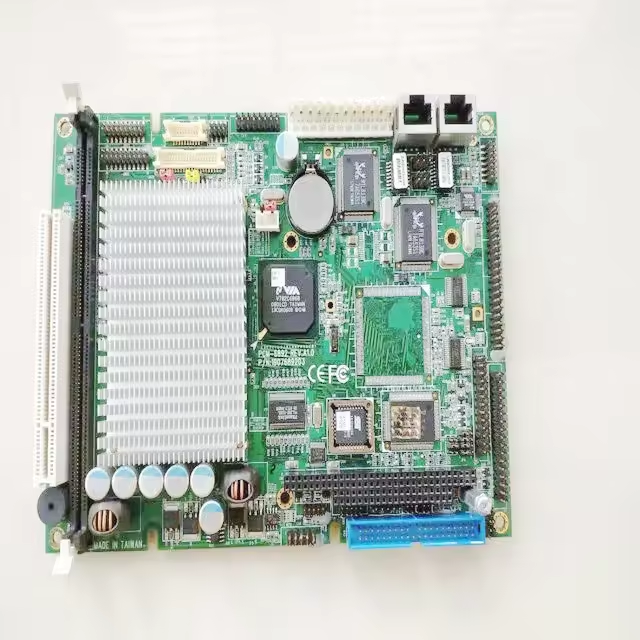
Key components such as CPU and memory are equipped with industrial-grade chips to ensure long-term stability.
Integrated into injection molding machines
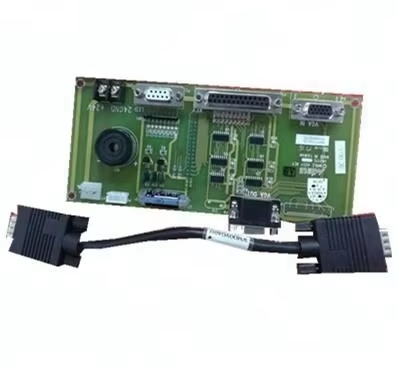
The mainboard serves as the core of the control unit and is connected to the servo system, temperature controller, and user panel.
For instance, the mainboards of all-electric injection molding machines such as Engel or Mitsubishi models are designed in a modular way to work in coordination with the clamping unit and the injection unit.
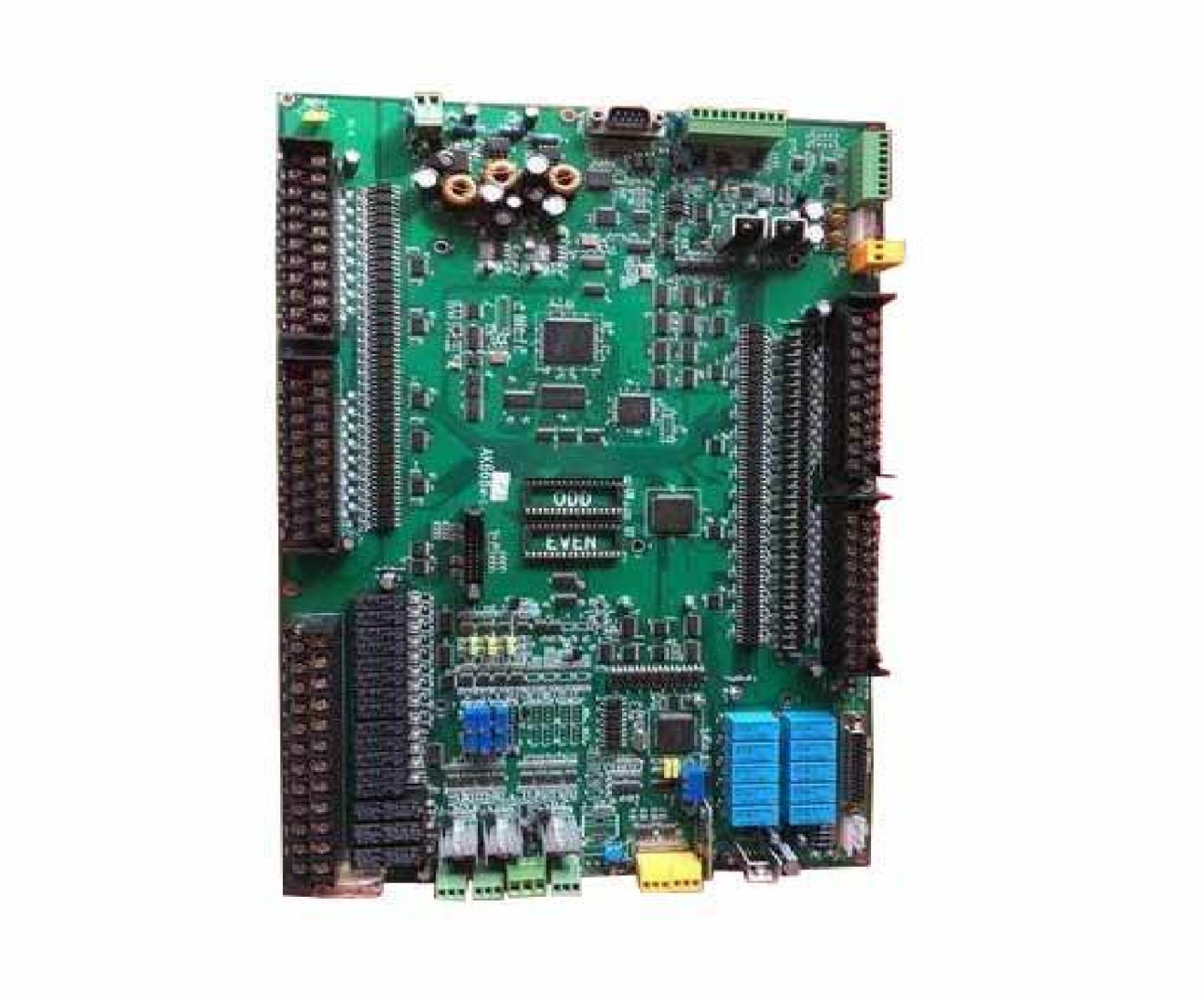
Core Functions of an IMM Motherboard
Motion Control
Coordinates servo drives for screw rotation, clamping, and ejection with ±0.01mm precision.
Manages multi-axis synchronization (e.g., core pulls, rotary tables).
Process Regulation
PID loops for barrel heating (±0.5°C accuracy), pressure control (±0.5% FS).
Data Acquisition
Monitors 500+ I/O points (pressure, temperature, position) at 1ms intervals.
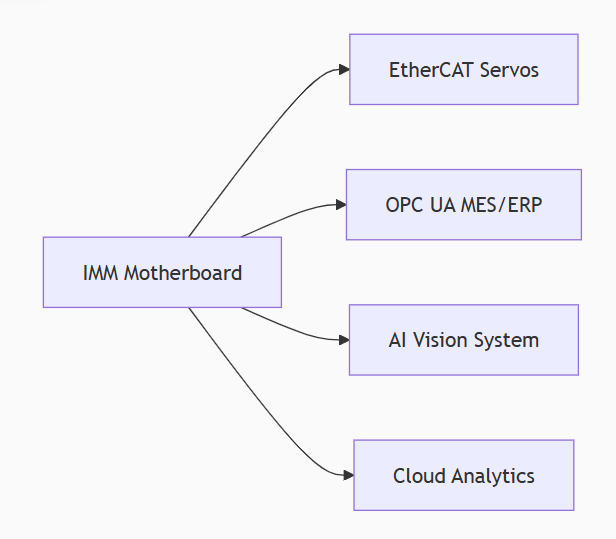
Communication Hub
Interfaces with robots, peripherals, and factory networks via EtherCAT/OPC UA.
EtherCAT-Based Real-Time Communication
Core Innovation:
Adoption of EtherCAT bus architecture enables <10 μs cycle synchronization between host controllers, servo drives, and motors.
Implementation:
Shibaura Machine’s EC75SXIII IMM uses EtherCAT to integrate 6-axis robots (TVM900), achieving ±0.01mm motion repeatability during automated production.
Radius Engineering’s Insights platform leverages EtherCAT for vacuum leak checks and resin degassing verification in RTM processes.
Impact:
Reduces communication latency by 80% compared to CANopen, critical for high-speed molding (e.g., 8-second cycles for thin-wall packaging).
Edge Computing Integration
On-Board AI: NPUs (Neural Processing Units) perform real-time defect detection (e.g., weld lines, sink marks) without cloud dependency.
Example: Fictiv’s DFM tools use edge-based mold flow simulation to predict fill issues during design phases.
Data Localization: Stores 6 months of cycle data locally (128GB eMMC) for offline analytics in low-connectivity factories.
Modular & Scalable Architecture
Expansion Capabilities:
PCIe slots for adding vision systems (e.g., RoboPrint integration for in-mold labeling).
Hot-swappable I/O modules (analog, digital, thermocouple) supporting 500+ points.
Standardization:
NIU’s tooling department adopts COM Express Type 7 modules, allowing seamless upgrades from hydraulic to all-electric IMMs.
Functional Safety Compliance
Redundant Systems:
Dual-core lockstep CPUs (ARM Cortex-R52) meet SIL 3 requirements for medical/automotive applications.
Failsafe Mechanisms:
Automatic torque cutoff if mold closure exceeds 0.05mm deviation.
Redundant temperature sensors prevent barrel overheating (accuracy: ±0.5°C).
IoT and Cloud Interoperability
Unified Protocols:
OPC UA over MQTT enables data exchange between IMMs and factory-wide MES/ERP systems.
Predictive Maintenance:
Radius Engineering’s Insights tracks component cycle counts, predicting screw/barrel wear with 95% accuracy.
Fictiv’s platform uploads mold performance data to cloud dashboards for global traceability.
Energy Management Integration
Power Optimization:
Dynamic voltage scaling reduces idle power consumption by 40%6.
Real-time kWh/shot monitoring correlates energy use with quality parameters e.g., hold pressure, cooling time.