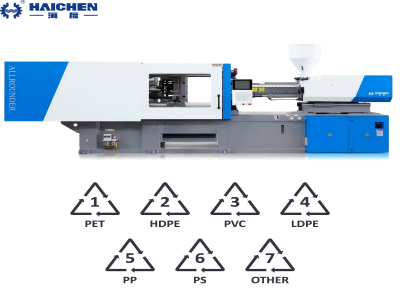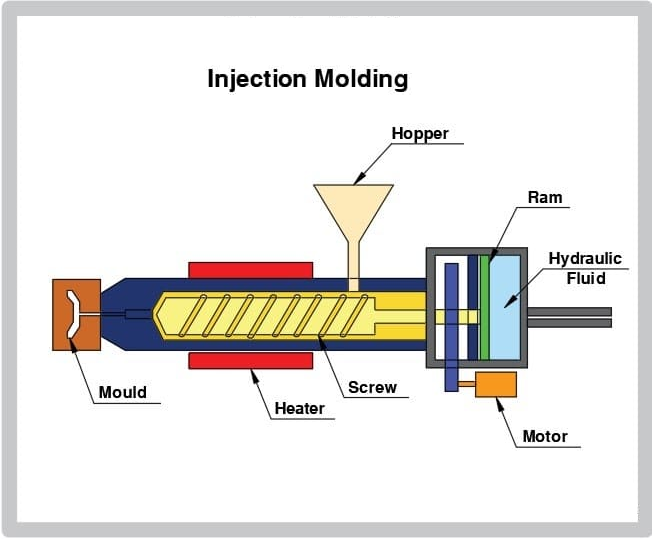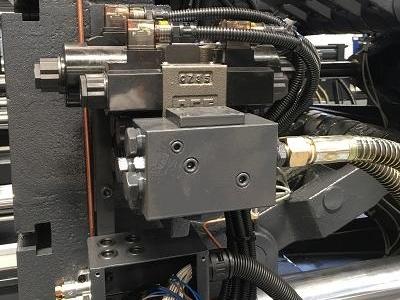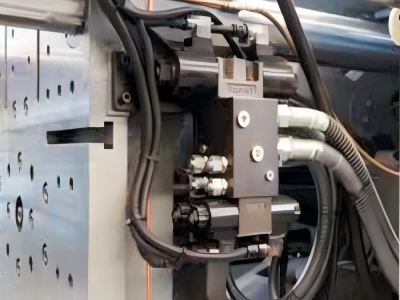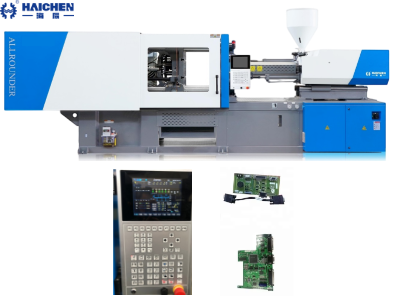
The commissioning and installation of limit switches in injection molding requires proper mounting of the switches at mold or platen positions to indentify, integrate associated wiring with the machine’s control system, and scheduling their calibrations to ensure reliable and accurate processes during the molding cycle.
For the injection molding machines, limit switches are needed for accurate control and safety during the molding cycle. With the aid of limit switches, they are able to monitor machine control, quality of the components manufactured, and enhance safety measures for personnel.
The limit switches are important for the functioning of the machines and their correct commissioning and installation is essential for the machines to operate dependably and for the machines to remain dependable themselves.
This purpose of the article is to assist for installation and commissioning of limit switches in injection molding machines.
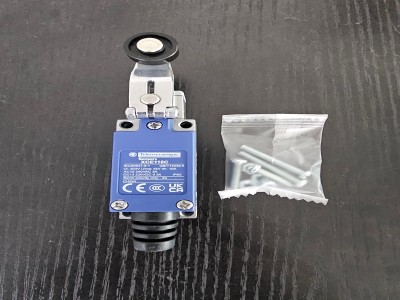
Understanding Limit Switches
Function
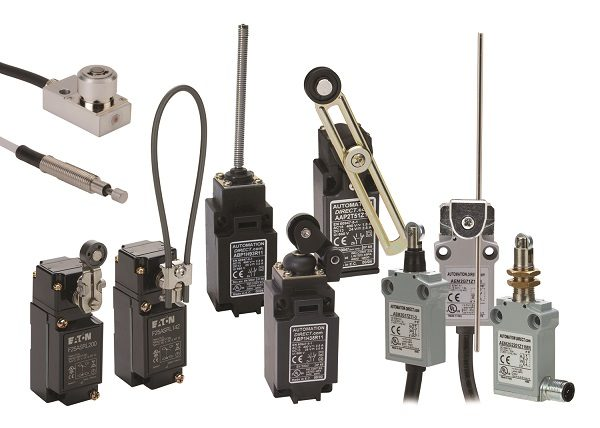
A limit switch is a device which could be mechanical or electronic which observes the position of a moving part and sends a signal in the control process of the machine which includes the machine control system. In the case of injection molding, limit switches are required to enable and disable the operation of critical parts such as the molds and platens.
Types
Types Limit switches are of two main types in which they could be classified:
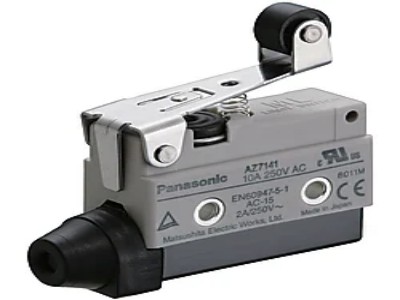
- Mechanical Limit Switches: These are physical devices that use levers or rollers to detect the position of a part.
- Electronic Limit Switches: These use sensors to detect the position without physical contact, offering greater precision and reliability.
Installation Steps
Preparation
Confirm that the machine injection is off and that the limit switch safety measures are fully implemented. Set aside tools like limit switch, mounting and wiring tools.
Mounting
- As per the machine and use case, the limit switch must permanently be placed on the marked positions.
- Securing: Ensure the limit switch is secured using the designated mounting tools ensuring that the switch is snug and aligned with the machine part it is supposed to monitor.
Wiring
- Interfacing with the machine control switch and limit switch as per the manual. Ensure tight and proper insulation on all terminals.
- Labeling: For easy identification and future servicing, mark the wires and connections with relevant labels.
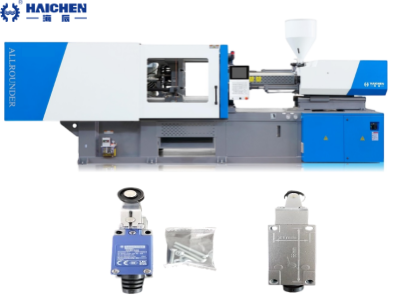
Commissioning
Initial Testing
- Power Up: Start the injection molding machine and check that the control system correctly identifies the new limit switch.
- Position Check: “Jog” the machine components to test the limit switch. Ensure it is functioning within spec and issuing accurate signals.
Calibration
- Adjust Settings: If need be, the settings of the limit switch should be adjust to assure optimal production . This could range to adjusting the position or the sensitivity of the switch.
- Systems Check: Confirm there are no outstanding problems and that the limit switch has been completely integrate with the machine’s control system.
Final Testing
- Complete Cycle Test: Operate the injection molding machine to perform a complete cycle and verify that the limit switch works as intended through all phases.
- Safety Check: Check that the limit switch is safe to use, and it is properly preventing the injection molding machine and other peripheral devices from functioning in an unsafe manner
Frequent Fault Solutions
| Fault Sympt | Root Cause | Analysis Solution |
| Ejector not moving Limit switch short circuit/loose wiring. | Use a multimeter to check the voltage to ground. | Replace the 24V proximity switch. |
| Mold clamping overtravel. | Electronic scale zero point drift. | Recalibrate the mold clamping end position and adjust the limit stop. |
| Safety door failure. | Grease contamination on the limit switch causes contact adhesion. | Clean the contacts with anhydrous ethanol and restore spring tension. |
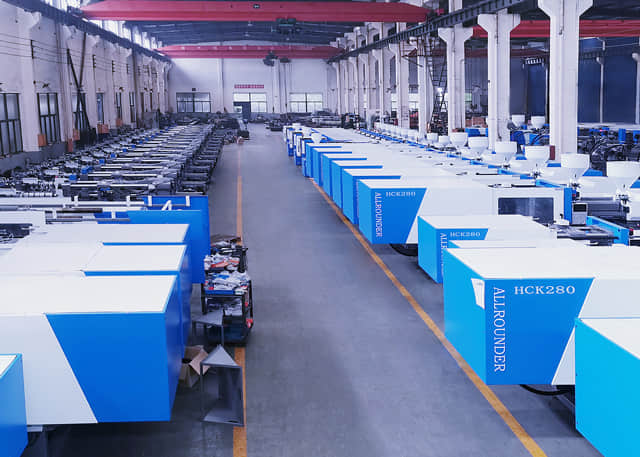
The injection molding process is reliant on the limits accuracy and responsiveness for smooth and safe operation. Quick Response (HAICHEN) proposes that users create limit switch predictive maintenance schedules by utilizing smart sensors and merging them with limit switch lifecycle profiles in compliance with the new safety requirements of Injection Molding 4.0. To improve the performance of limit switches, follow the steps provide in this articles and ensure that the devices are correctly installe.