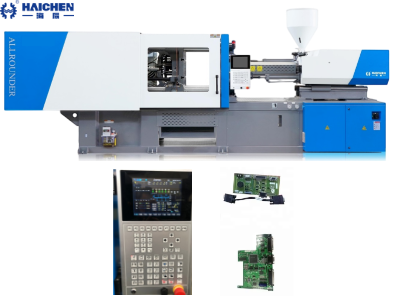
Key properties of PVC in injection molding, covering material properties, process requirements and common problems.
Chemical and Physical Key properties of PVC
Chemical Stability and Flame Retardancy
PVC has excellent resistance to acids, alkalis, salts and most inorganic chemicals.
But is sensitive to organic solvents such as aromatic hydrocarbons and ketones.
Its chlorine content is as high as 56%, which gives the material self-extinguishing.
Flame retardant performance is better than PE and PP, and the ignition temperature is up to 455°C.
The heat released during combustion is only 1/3 of PE, which significantly reduces the risk of fire.
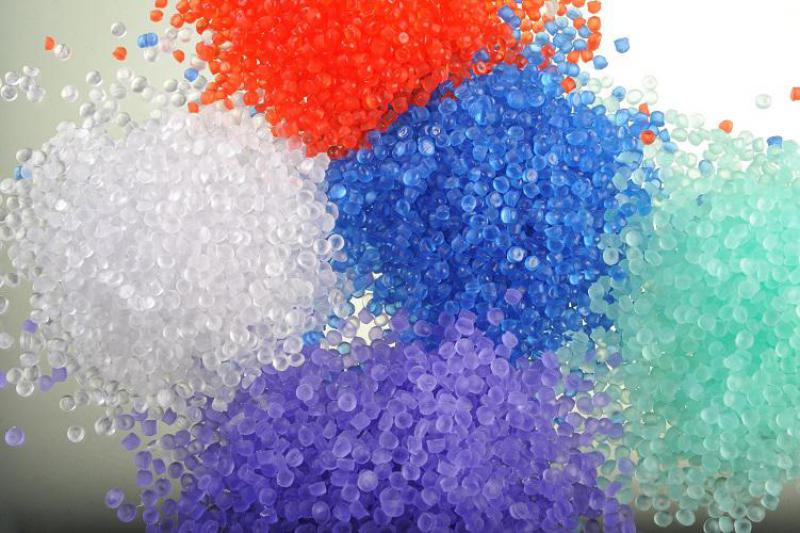
Material Key properties of PVC and durability
Rigid PVC (PVC-U) has a tensile strength of 50-75 N/mm² and an elastic modulus of 1000-3500 N/mm² for load-bearing structures.
Flexible PVC (PVC-P) has an elongation at break of 170-400% and high toughness.
Outstanding long-term stability, such as underground PVC pipes that retain strength after 35 years.
Thermal Stability and Processing Challenges
PVC thermal decomposition starts at 140°C and melts at 160-190°C, with an extremely narrow processing window.
Heat stabilizers (such as lead salts, calcium-zinc compounds) need to be added to prevent degradation.
And the injection temperature is usually controlled at 140-160°C, and the short time can reach 190°C but not more than 20 minutes.
The decomposition product HCl corrodes equipment and molds and requires stainless steel or chrome plated molds.
Electrical properties and weather resistance
PVC volume resistivity >10^15 Ω·cm (hard), making it an ideal choice for low-voltage insulation.
Its UV resistance is suitable for outdoor applications, but an anti-UV agent needs to be added to prolong its life.
Key Parameters of Injection Molding Process
Temperature control Barrel temperature
Controlled in three stages, 160-170°C in the rear section, 165-180°C in the middle section, 170-190°C in the front section.
And 170°C in the nozzle temperature≤ Mold temperature: 20-60°C, need to be uniform to avoid uneven shrinkage and warping.
The melt has a high viscosity and poor flowability, which needs to be improved by plasticizers or lubricants.
Pressure & Time Parameters
Injection pressure: 50-150 MPa, higher pressure (60-120 MPa) for rigid PVC,avoide high shear degradation .
Holding pressure: ≤ 100 MPa, extend the holding time until the gate solidifies to reduce the residual stress.
Cooling time: 10-20 seconds, accounting for more than 70% of the molding cycle, affecting warpage and dimensional accuracy.
Other process points
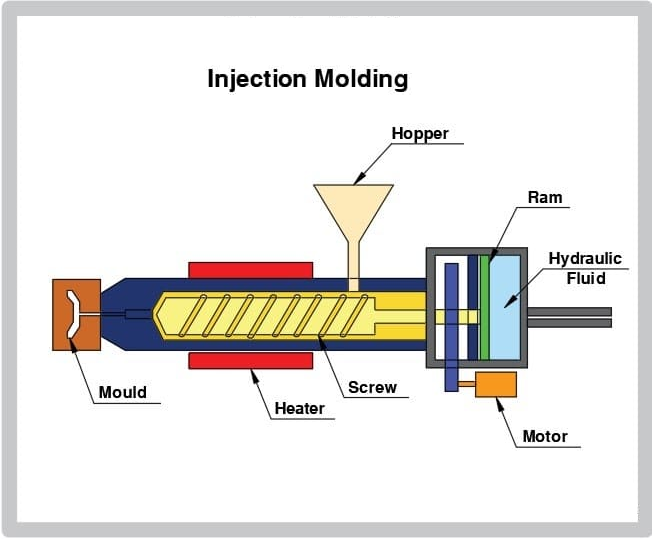
Screw design
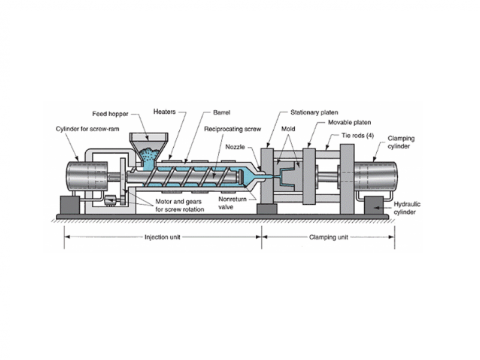
L/D ratio 18-24:1, compression ratio 1.8-2, screw groove depth 2-6 mm, stainless steel anti-corrosion.
Cleaning requirements
Residual PVC should be completely removed during shutdown to avoid carbonization of residues at high temperatures.
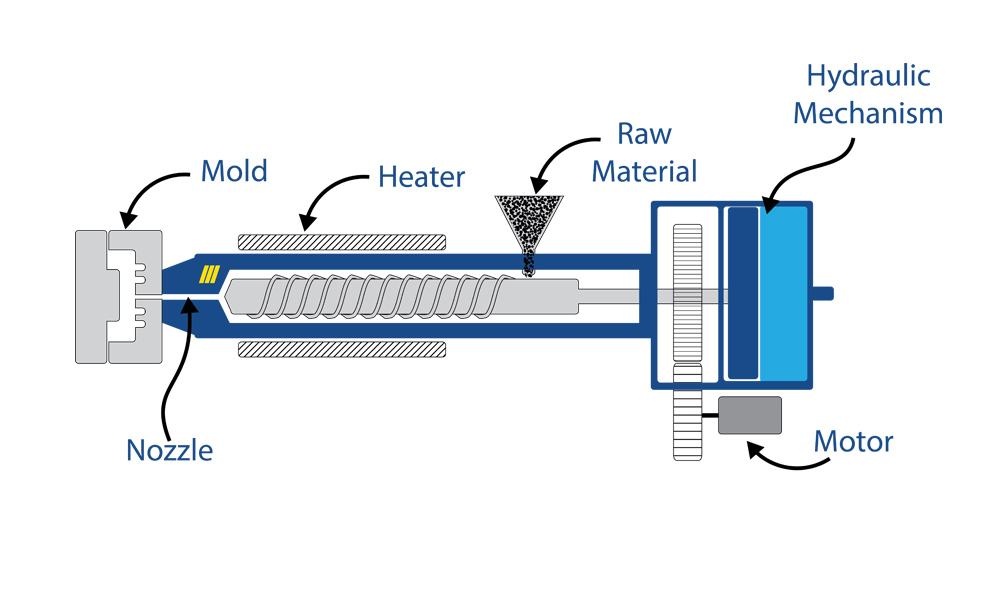
Thermal Stability and Countermeasures
Decomposition Mechanism PVC decomposes above 140°C to release HCl.
Forming a conjugated double bond structure that leads to discoloration (yellow→brown→ black).
And HCl accelerates the decomposition reaction, forming a vicious circle.
Stabilization strategy
Heat stabilizers
Lead-based, calcium-zinc, organotin and other stabilizers can capture HCl and delay decomposition.
Process optimization
Shorten the residence time of the melt in the barrel (≤5 minutes) and use low-temperature and high-pressure injection molding.
Equipment protection
Use corrosion-resistant stainless steel molds and chrome plating screws to reduce HCl erosion.