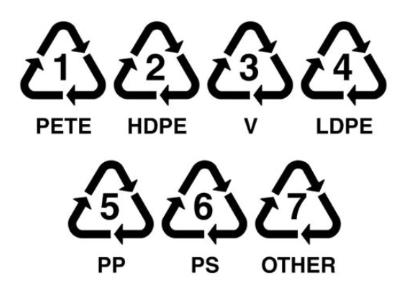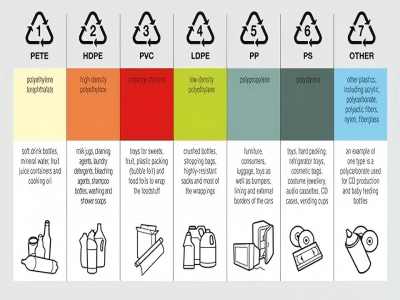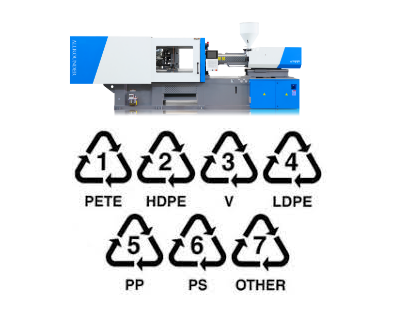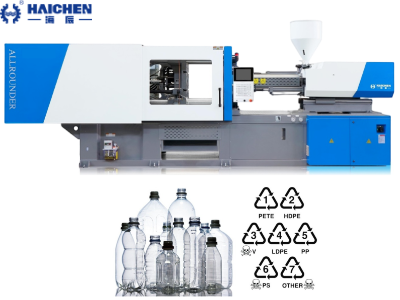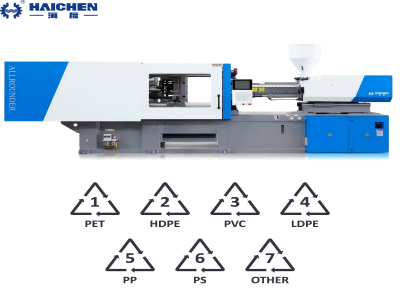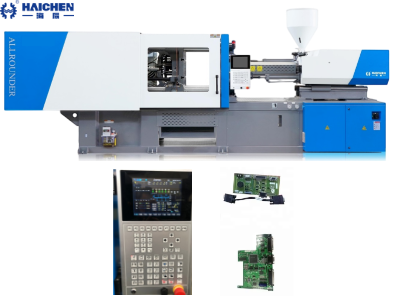
Materials for producing plastic basins include HDPE, LDPE, and PP, each offering durability and water resistance.
Plastic basins are widely used in daily life, both for food storage and transportation, and for household use. It is a necessity widely used in apartments, houses, villas and other places. So let me introduce it in detail next.
What are the materials used to produce plastic basin?
What are the advantages and disadvantages of making plastic basins from different raw materials?
Where are plastic pots of different materials often used?
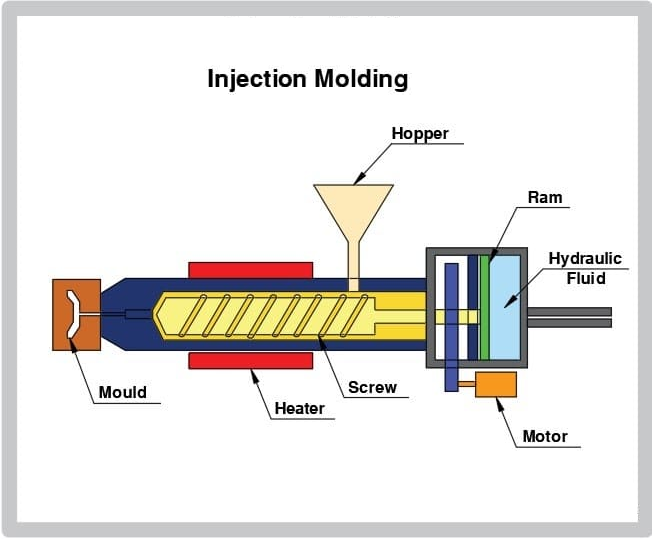
Points to note when selecting plastic injection molding machines for producing plastic basins of different materials
Material
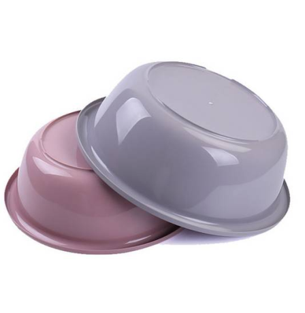
Plastic basin is a type of furniture product. Common materials are PP and PC.
1.Polypropylene (PP)
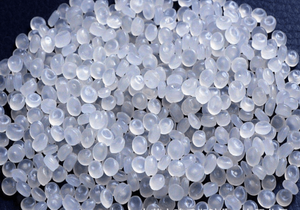
Polypropylene, commonly known as PP, is the most common raw material for the production of plastic pots. PP is a tough, rigid crystalline thermoplastic. It is made from propylene (or propylene) monomer. This linear hydrocarbon resin is the lightest polymer of all commercial plastics. Known for its exceptional strength, stiffness and chemical resistance.
2.Polycarbonate (PC)
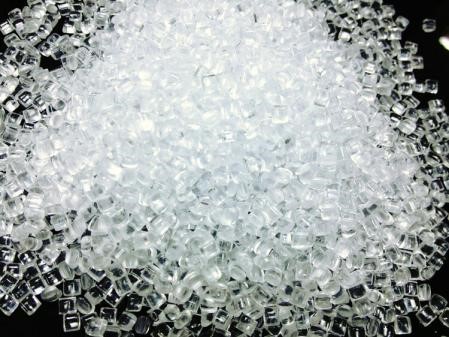
Manufacturers often use polypropylene for opaque plastic pots, but they can also use polycarbonate (PC) for clear or translucent pots.PC is a clear thermoplastic polymer with excellent impact resistance and transparency. Manufacturers use this material in applications where visibility or transparency is required, such as in the healthcare industry or certain specialty pools.
Advantages and disadvantages
1.Advantages of PP plastic basin:
Heat resistance: PP basins have good heat resistance and can maintain structural integrity and functionality even at high temperatures.
Durability: PP is known for its excellent strength and rigidity, ensuring that plastic pots made from this material can withstand heavy loads without bending or cracking. They are extremely durable and impact resistant, making them suitable for demanding applications.
Chemical Resistance: PP basins are highly resistant to a wide range of chemicals, including acids, alkalis, and detergents. This makes them suitable for use in environments where exposure to such substances is common.
Light weight: Although PP plastic basins are high in strength, they are relatively light in weight. This makes them easy to handle, transport and install, adding convenience.
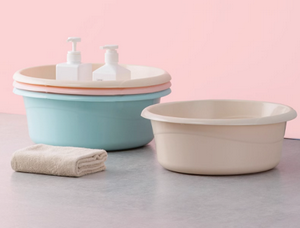
2.Disadvantages of PP plastic basins:
-While PP is generally resistant to chemicals, it may not be suitable for highly aggressive or corrosive substances.
-Manufacturers may not use PP pots in applications requiring visibility due to their limited or opaque transparency.
-PP may be less impact-resistant and less transparent than other materials such as polycarbonate (PC).
3.Advantages of PC plastic basin:
Heat resistance: PC also has good heat resistance, allowing it to withstand high temperatures without deforming or losing transparency.
Impact Resistance: PC is known for its excellent impact resistance, making basins made from this material very durable and not prone to cracking or shattering. They can withstand accidental knocks or rough handling without affecting their functionality.
Transparency: PC washbasin has excellent clarity and transparency, allowing users to see the items inside. This feature makes them ideal for applications requiring visibility.
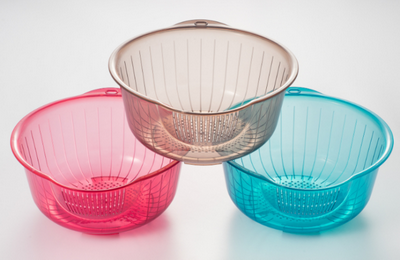
4.Disadvantages of PC plastic basin:
-PC basins may be more susceptible to scratches or surface wear.
-Manufacturers often find PC basins more expensive to produce compared to basins made of other materials like PP.
-While PC has excellent impact resistance, it may be less chemically resistant than PP.
Place of use
1. Common applications of PP plastic basins:
-Kitchen basin for washing dishes and preparing food.
-Bathroom basin for personal hygiene and cleaning tasks.
-Laundry room basin for washing and soaking clothes.
-Industrial pools for chemical handling, storage and processing.
2. Common applications of PC plastic basins:
-Medical facilities, laboratories and medical institutions.
-For use in R&D, electronics manufacturing, and other industries requiring visibility and impact resistance.
-Environments that require transparency and beauty, such as high-end hotels or modern interior designs.
Points to note when selecting accessories
The fluidity of raw materials is the key to selecting plastic basins of different materials to adapt to the injection molding machine model.What are the materials used to produce plastic basin?
PP is the most common material, while PC has fast fluidity but is easier to solidify, so it requires a greater injection rate and pressure for injection, and therefore requires a greater clamping force to ensure that the product does not fly. side.
People increasingly use plastic basins in daily life because they are durable, cheap, and harmless to the human body. Has good production prospec