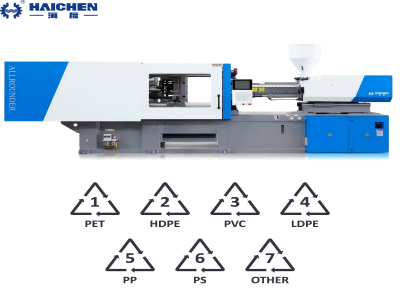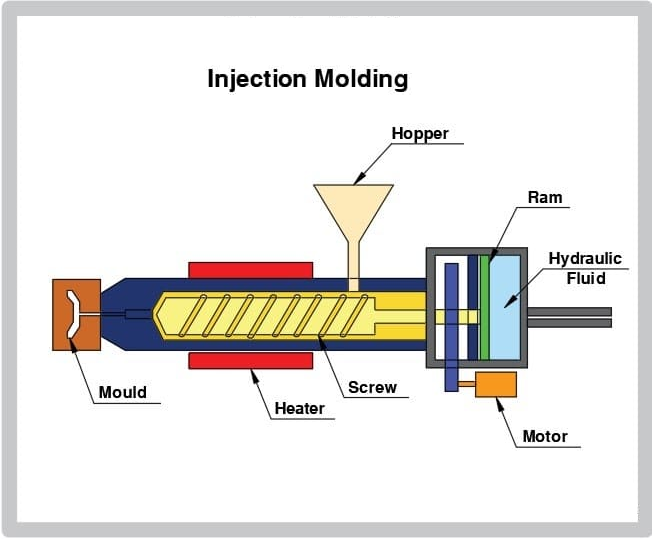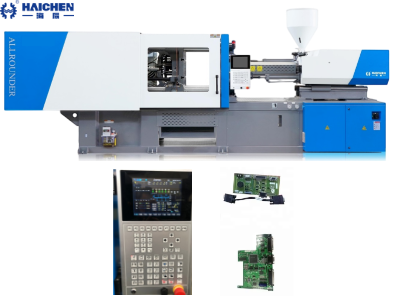
Optimization and control of mold temperature is a key link in industrial production such as plastic injection molding, metal die-casting.
Mold temperature plays a pivotal role in the injection molding process, influencing not only the quality but also the appearance and dimensions of the final product.
Achieving a uniform and optimal mold temperature is crucial to ensure the molded parts meet the desired specifications and quality standards.
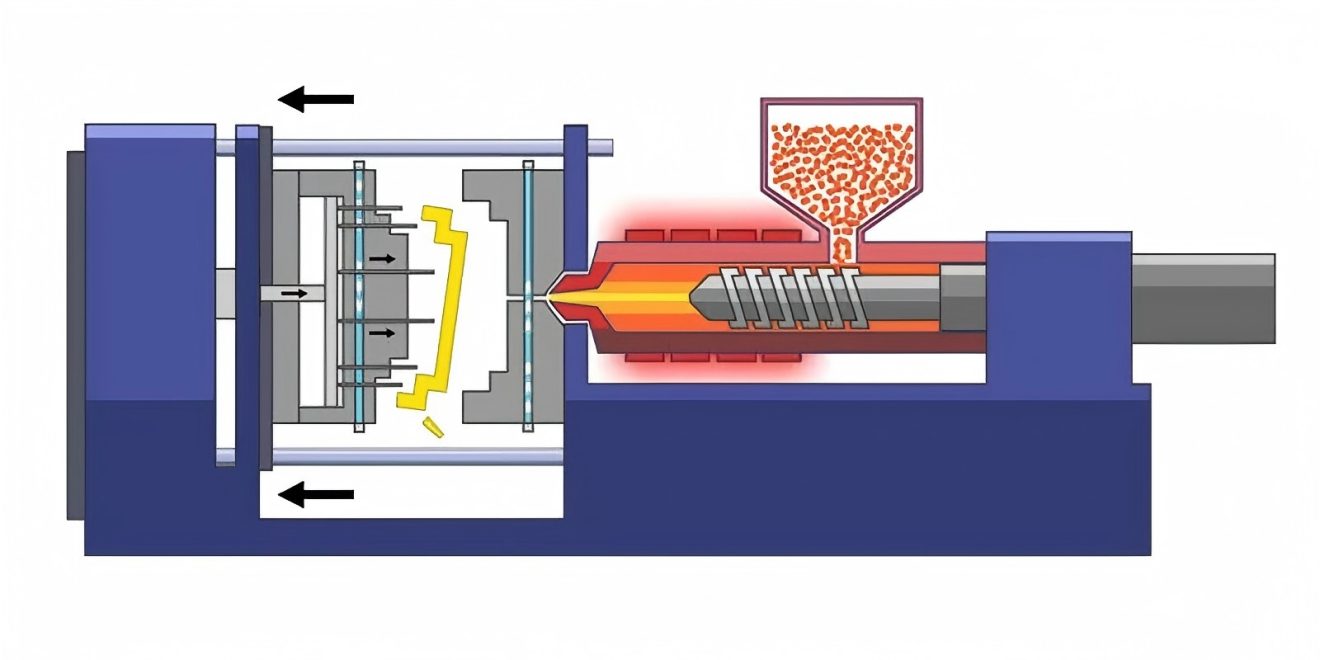
The importance of mold temperature control
- Affect product quality
- Improve production efficiency
- Extend mold life
Affect product quality
Mold temperature directly affects the flow, cooling, and crystallization process of plastics.
Which in turn affects the dimensional stability, appearance quality, and mechanical properties of the product.
For example, too high a mold temperature can cause the material to degrade.
While too low a temperature can prevent the material from fully filling the mold or cause shrinkage defects.
Improve production efficiency
Reasonable mold temperature can shorten the molding cycle.
Reduce the rate of defective products caused by temperature fluctuations or unevenness, and thus improve production efficiency.
Extend mold life
In addition, by controlling the mold temperature, reduce thermal stress and thermal fatigue.
Avoid mold deformation or damage, and prolong mold life.
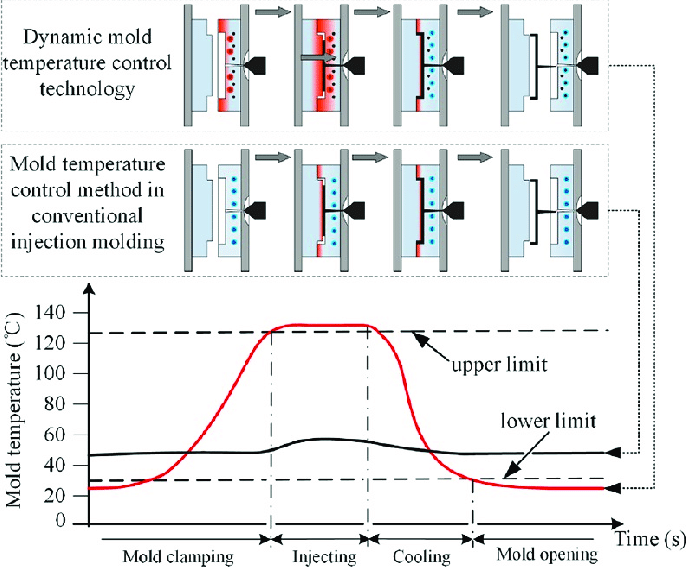
Optimization and control principle of mold temperature
- Temperature Optimization Temperature Setting Principle
- Temperature control technology
Temperature Optimization Temperature Setting Principle
Set the upper and lower limits of mold temperature according to the material characteristics,
For example, PP materials usually require 40-80°C, while PPE materials require 120-180°C.
Consider the size, shape, and wall thickness of the part to ensure that the temperature is uniform in all parts of the mold, and avoid local overheating or overcooling.
Temperature control technology
Heat transfer medium regulation
The mold temperature is controlled by adjusting the temperature of the heat transfer medium such as water and oil.
Heat Shields and Heating Rods
Heat Shields and Heating Rods are used to improve heat transfer efficiency and keep mold temperatures stable.
Direct steam heating
High-temperature water vapor and dry air are used to heat the mold surface for precise control.
Reducing energy consumption and improving uniformity.
Zonal temperature control
Multiple independent temperature control zones are designed for complex molds.
And precise adjustment is achieved through multi-channel controllers.
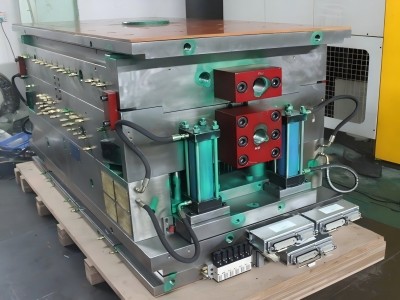
Real-time monitoring and adjustment of Mold Temperature
- Cooling system design
- Preheating & Post-Processing
Cooling system design
Reasonable design of cooling channel layout to ensure cooling uniformity and avoid stress concentration caused by excessive temperature difference.
Water-cooled, oil-cooled or mixed cooling methods are used to select the appropriate cooling medium.
According to the material characteristics and mold structure.
Preheating & Post-Processing
Preheating the mold before production to ensure that the mold reaches working temperature.
Proper cooling of the mold after production prevents damage to the mold caused by excessive temperature difference.
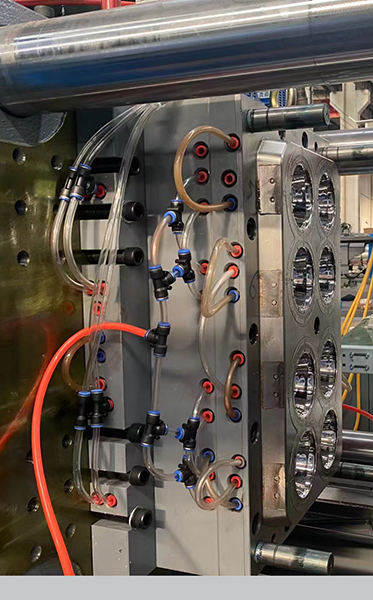
Mold temperature control under different materials
High-viscosity plastics (such as polycarbonate) require an appropriate increase in mold temperature to promote flow.
Low-viscosity plastics, such as polyethylene, require a lower mold temperature.
For parts with complex structures or thick walls, the mold temperature should be appropriately increased to improve the filling effect.
The mold temperature range is usually 40~80°C, and the degree of crystallization is mainly determined by the mold temperature.
A higher mold temperature helps to improve the flow of PP material.
But too high a temperature may cause the material to flow excessively in the mold, resulting in dimensional instability.
- PC polycarbonate
- PBT polybutylene terephthalate
- PA6
- PC polycarbonate
- PVDF Material
- PEEK material
PC polycarbonate
The mold temperature should be between 70~120°C.
Higher mold temperatures help improve flow, but can lead to longer cooling times and lower productivity.
PBT polybutylene terephthalate
The mold temperature should be selected according to the thickness and structure of the product.
And the mold temperature of 20~40°C is recommended for thin-walled products with a long process.
A higher mold temperature can help improve flowability.
But too high a temperature can cause the material to flow excessively in the mold, resulting in dimensional instability.
PA6 30%GF (Glass Fiber Reinforced Material)
Too high a mold temperature will enhance the fluidity of the material, which is beneficial for filling the complex structure of the mold.
But too high a temperature may lead to dimensional instability.
Proper mold temperature can promote the crystallization of materials and improve the mechanical properties of products.
If the temperature is too low, crystallization may be inhibited and performance may be affected.
PVDF Material
High mold temperature helps to reduce the viscosity of the material and improve its flowability.
Resulting in better filling of the details and cavities of the mold.
The high mold temperature can also adjust the crystallization rate and crystallinity of PVDF, optimizing the physical properties of the product.
PEEK material
High mold temperature helps to improve the fluidity of PEEK material.
Ensuring that the mold cavity is fully filled and avoiding defects such as bubbles and short shots.
The higher mold temperature also contributes to the crystallization behavior of the PEEK material, which affects the properties of the molded product.
TPE materials
Fluctuating processing temperature is one of the key factors affecting the flow of TPE materials.
Too high a temperature may cause the material to melt excessively, and too low a temperature may result in insufficient melting.
Mold design and temperature control can also affect the flow of TPE materials.
Methods to optimize mold temperature
By reasonably setting the injection molding process parameters, such as injection speed, pressure, temperature, etc.
Control the fluidity and filling of plastic materials, thereby reducing the occurrence of shrinkage and deformation.
In aluminum alloy die casting, the material temperature can be controlled by adding a thermostat to maintain the stability of the mold temperature.
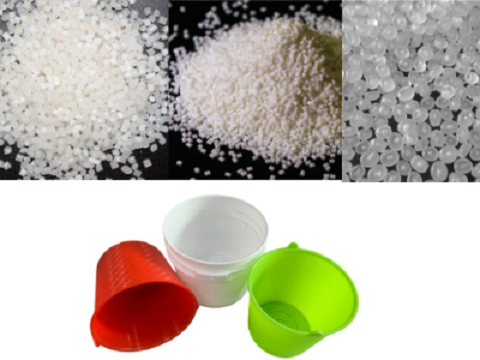
Haichen’s research
Because of the importance of mold temperature to injection molding, it is especially important to find an injection molding supplier who is very good at what they do.
At Haichen, we don’t just understand the intricacies of mold temperature; we master them.
Specializing in plastic products manufacturing, our expertise in the injection molding process is second to none.
Our in-depth knowledge ensures that every product we produce is of the highest quality, consistently meeting and often surpassing client expectations.
As the industry continues to evolve, Haichen remains at the forefront, dedicated to integrating the latest insights and technologies and ensuring unparalleled excellence in every plastic part we manufacture.