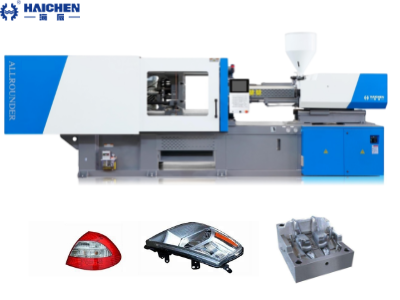
Plastic raw materials for car lampshades mainly include the following types.
- PC
- PMMA
- PP
- ABS/PC alloy
- PS
- PE
Car lampshades serve an important function within the automotive lighting systems, needing specific materials that have high transparency, endurance, and the ability to withstand the environment.
The materials selected for the car shade plastics have a direct impact on the overall performance and quality of the car.
In this work, we discuss the issues of plastic raw materials used for car lampshades, and examine their properties and ways of enhancing the functionality and durability of automotive lighting systems.
Mainstream plastic materials and characteristics of automotive lampshades
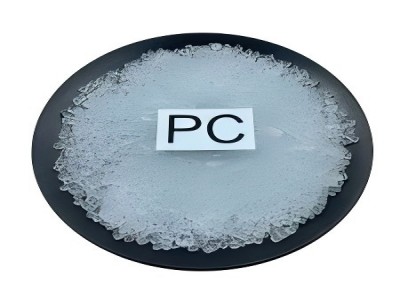
PC
One of the mainstream materials utilized for automotive lampshades is PC plastics. PC materials are utilized due to their characteristics such as high toughness, high strength, good UV and heat resistance, as well as good transparency. PC materials maintain transparency and color stability over prolonged time periods, thus making them ideal for the automotive industry.
PMMA
PMMA is characterized by high transparency and good optical traits, but has poor impact resistance. These traits are the reason PMMA is oftentimes used for manufacturing lampshades. These include but are not limited to taillights and reflectors.
PP
PP is utilized in the automotive industry for brackets and fixings due to its low cost, lightweight, good mechanical properties, and chemical resistance. In comparison to other materials, PC and PMMA have a higher impact resistance, thus in comparison to them, PP has a lower heat and impact resistance.
ABS/PC alloy of car lampshades materials
The incorporation of ABS and PC materials provides a combination of high heat resistance, toughness, and high strength. These features make the alloy suitable for lampshade components that require high strength and support dimensional stability.
Other materials of car lampshades materials
- g. polystyrene (PS), polyethylene (PE), etc.
- These materials are often use to create auxiliary and non-critical components because of their low cost and weaker performance.
Due to the outstanding overall properties of polycarbonate (PC), it is greatly accept in automotive lampshades which makes it the most dominant material in this application.
In some other specific cases, other materials such as PMMA, PP, and ABS/PC alloys are used because of their specific application requirements.
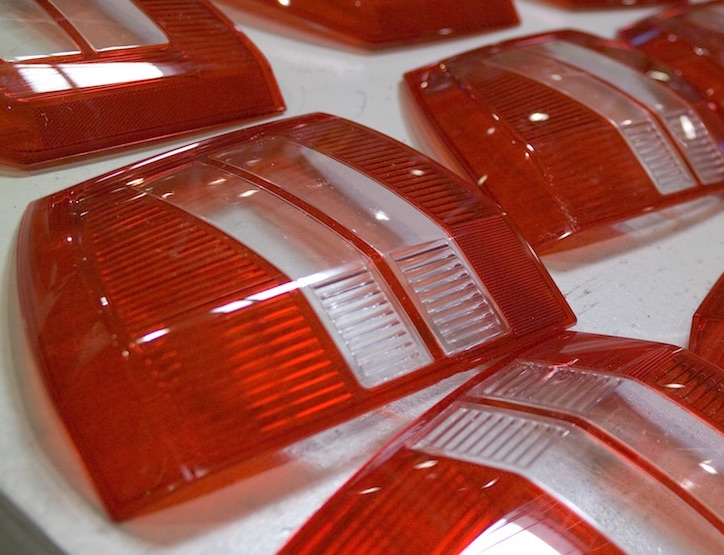
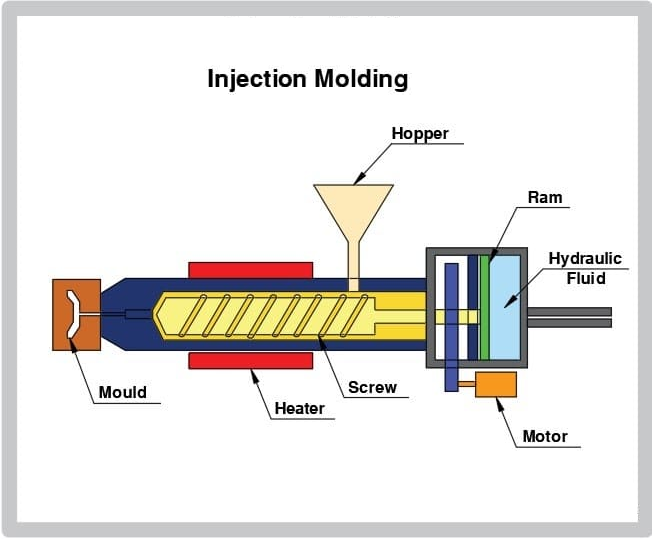
Influences of the Injection Molding Process on Material Properties
Key Points of PC Injection Molding
- Drying Instructions: Set temperature between 90-100°C for 4 hours to stave off cracking from hydrolysis.
- Control of Temperature:
- Melt temperature: 280- 320°C (Flowability is poor below 280°C and decomposition occurs above 320).
- Mold temperature: 80- 110°C (For reduction of internal stress and cold marks).
- Pressure and Rate:
- Injection Pressure: 130-180MPa with medium to high speed to ensure complete filling of the mold.
- Dwelling time should be long to minimize the shrinkage deformation and the tensile strength will be greatly affected.
Key Points of PMMA Injection Molding
- Drying: 70 to 80°C for 2-3 hours to prevent bubbles and silver streaks.
- Temperature Sensitive Areas:
- Melt Temperature: 215-240°C (Vicat temperature > 260°C does not meet the prescribed Vicat temperature and thus suffers a significant reduction in mechanical strength).
- Mold Temperature: 40 to 70°C. Do not exceed as surface finish degradation may occur.
- Inject at low rates. Reducing internal stress, shear forces, and flow lines.
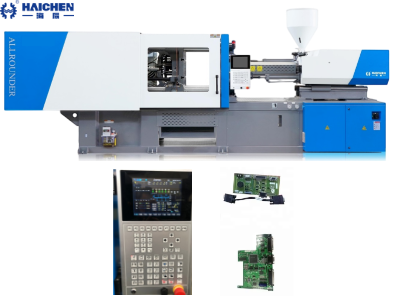
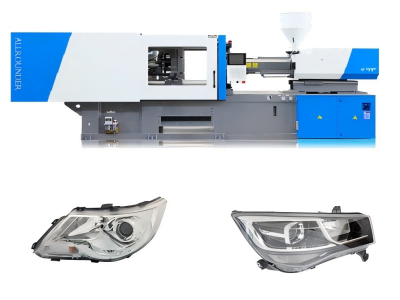
Car lampshade injection molding machine
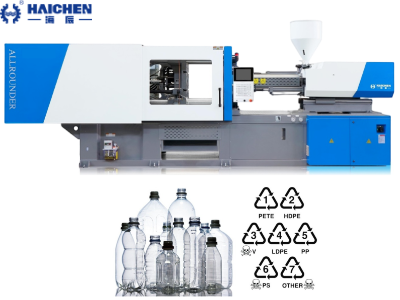
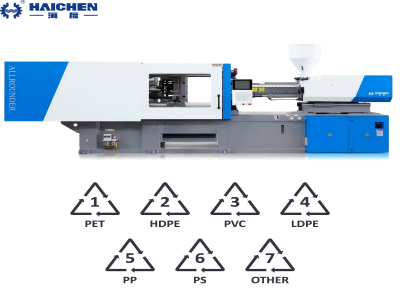
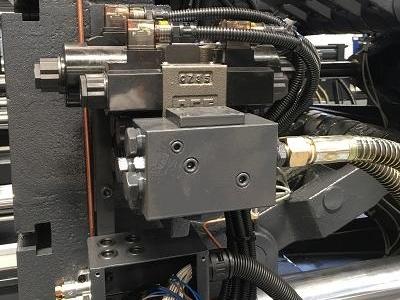
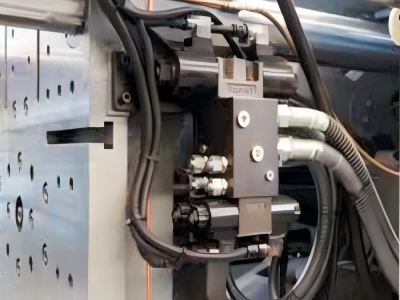
Haichen Machinery is a company which specializes in providing high-precision solutions for plastic car lampshade injection molding. With Haichen Machinery, there is assurance of effective and reliable solutions in injection molding in automotive lampshade production, hence, their great acceptance in the automotive industry for the production of different components. Feel free to contact us.
Selecting the appropriate raw plastic materials for a car lampshade is important for how the car lampshade will perform and the durability.
Polymers such as polycarbonate, acrylic, and plastics such as, polypropylene, polystyrene, and ABS have a great deal of uses in automotive lamps and bring lots of advantages.
If businesses understand the uses of these products, they will also understand how their decisions will affect the functionality and the durability of their products.