The increasing demand for environmental protection has led to the introduction of various environmentally friendly biodegradable plastic raw materials such as PLA into the production of plastic flower pots. These new plastic materials will be the future of plastic flower pots.
Plastic pots for planting have gained a firm foothold in the horticultural world and today one cannot imagine life without them. Planters are mainly used for planting, packing and transporting decorative plants and seedlings. Apart from gardeners, nurseries also make extensive use of these plastic containers. In order to preserve plants permanently, various materials are used, especially ceramics, clay and concrete, but also metal and plastic.
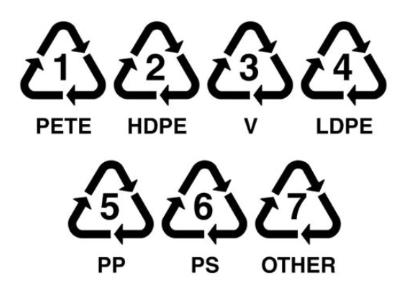
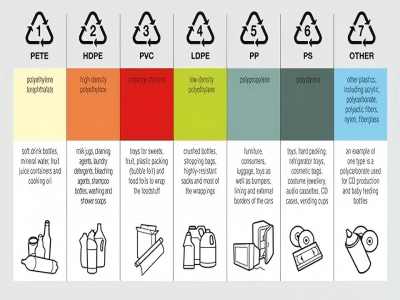
The raw materials for plastic flower pots are PP, PE, bio-based plastics and so on according to different types of plastics.
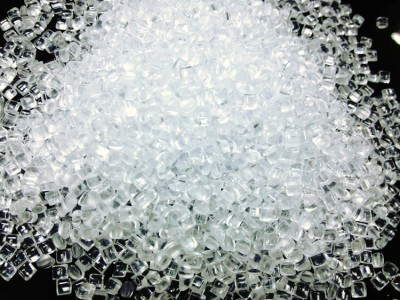
Introduction to various types of common plastic planter pot materials
The main plastic planter pot materials types include the following:
- Polypropylene (PP) and Polyethylene (PE)
- Bio-based plastics
- Recycled plastics
- Other composite materials
- Special plastic formulations
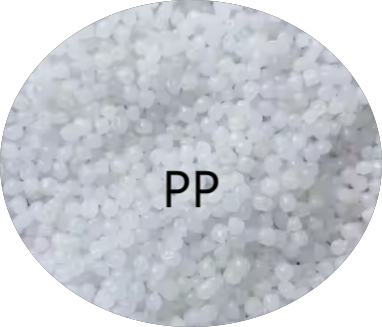
Polypropylene (PP) and Polyethylene (PE) :
These are commonly used plastic pot materials with good physical properties and processing characteristics.
For example, polypropylene (PP) is a high-density, highly crystalline linear polymer.
It has high hardness, lightweight and good gloss, and transparency, as well as high temperature and impact resistance.
Polyethylene (PE), on the other hand, is widely using for its lightweight, durability, and low cost.
Bio-based plastics:
In order to reduce the impact on the environment, some plastic planters are made from bio-based plastics.
Such as bioplastics based on renewable resources such as corn starch, rice husk, or cow dung.
These materials are usually biodegradable and can be decomposed in compost, reducing environmental pollution.
Recycled plastics:
Some plastic flower pots are manufactured using recycled materials.
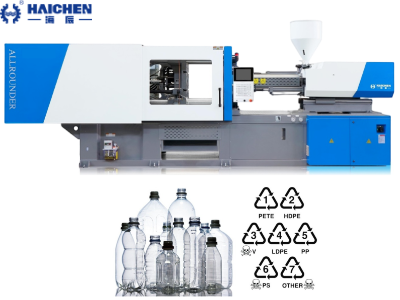
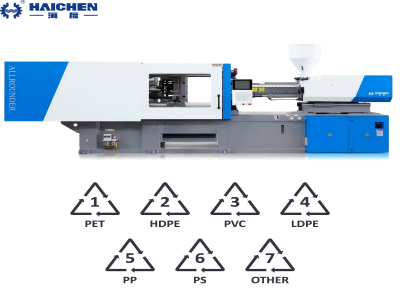
For example, recycled low-density polyethylene (LDPE) or recycled plastic bottle caps.
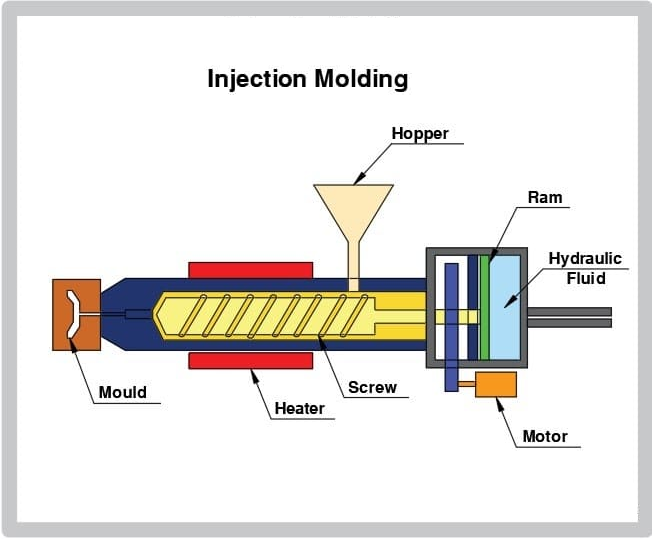
These recycled materials are made into planters through melt and injection molding processes.
Other composite materials:
Some studies have also explored the use of plant fibers (e.g. rice straw fibers) made from a composite of plastic.
This material combines the environmental properties of plant fibers with the strength of plastic.
Special plastic formulations:
Floreon is a plant-based bioplastic.
It is stronger than traditional polylactic acid (PLA), fully recyclable, and can be composted within 90 days.
The main raw materials for plastic planters include polypropylene (PP), polyethylene (PE), recycled plastics, bio-based plastic,s and other composite materials.
Each of these materials has its advantages and disadvantages, but the common goal is to improve the environmental friendliness and sustainability of the product.
Injection molding process of PP raw material plastic flower pots
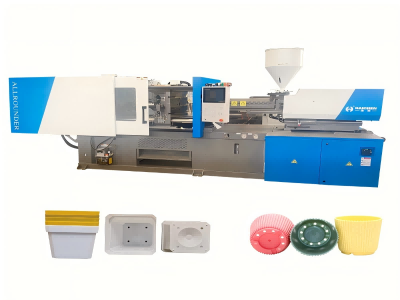
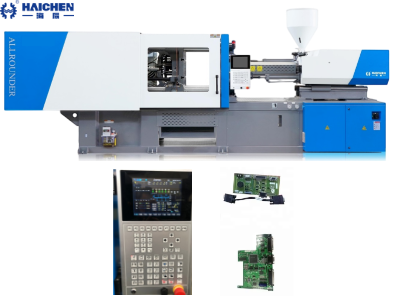
The injection molding method of polypropylene (PP) plastic flower pots has a series of technical processes from material preparation to injection molding machine selection until the product is completed according to the flower pot design.
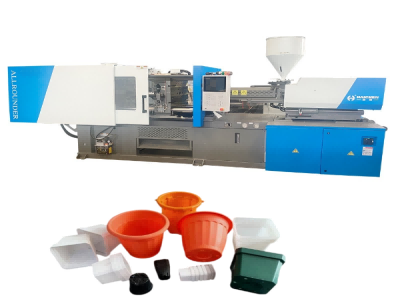
Let’s check it out:
- Plastic flower pot material preparation
- Injection molding machine selection
- Plastic flower pot mold design
- Melt temperature
- Injection speed and pressure
- Cooling and post-processing
- Process optimization
Plastic flower pot material preparation:
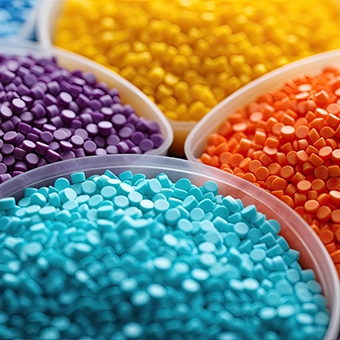
Use polypropylene (PP) particles as the main raw material.
Auxiliary materials such as masterbatch, antioxidants, and UV stabilizers are all useful.
Injection molding machine selection:
Due to the high crystallinity of PP, the injection molding machine needs to be able to provide a higher injection pressure.
And support multi-stage control to ensure molding quality.
Plastic flower pot mold design:
The mold temperature is generally set between 50-90℃, and the core temperature is more than 5℃ lower than the cavity temperature.
The runner diameter is usually 4-7mm, and the gate design can use a needle-shaped or edge-shaped gate. The length and depth need to be adjusted according to the specific product requirements.
Melt temperature:
The melting point range of PP is 160-175℃, but in actual operation, the melt temperature is usually set between 220-280℃ to ensure good material fluidity.
Injection speed and pressure:
The injection speed should be high to reduce internal stress and deformation. The injection pressure is generally between 70-100MPa, and the holding pressure is about 30%-60% of the injection pressure.
Cooling and post-processing:
After injection molding, the plastic flower pot is cooled to room temperature in the mold and then taken out.
For some products with higher requirements, hot water immersion treatment may be required to prevent shrinkage and deformation.
Process optimization:
In order to improve product quality, the process can be optimized by adjusting parameters such as melt temperature, injection speed, and back pressure.
The two-point pouring method can improve the color consistency and surface gloss of plastic flower pot products.
Injection molding of polypropylene plastic flower pots is a complex process involving multiple parameter controls.
It needs to be optimized and adjusted according to specific product requirements to ensure the quality and performance of the final product.
Injection molding advantages of Bio-based plastic flower pots raw material
Bio-based plastic raw materials (such as PLA and PHA) have significant advantages in the injection molding process of plastic flower pots.
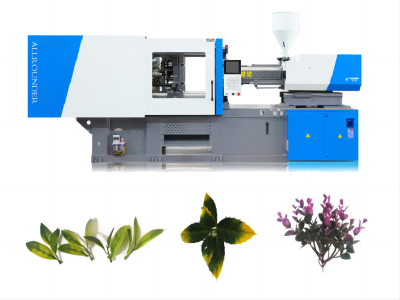
These advantages are mainly reflected in the following aspects:
- Sustainability and environmental protection
- Injection molding processing performance
- Mechanical properties and application scope
- Cost-effectiveness
- Environmental benefits
- Innovative applications
Sustainability and environmental protection:
Bio-based plastics are derived from renewable resources such as corn, sugar cane, and other plants.
Reduces dependence on fossil fuels and is biodegradable at the end of its life cycle, reducing environmental pollution.
For example, PLA can produce through the fermentation of crop starch and has good biodegradability and recyclability.
Injection molding processing performance:
Bio-based plastics can processing in existing petrochemical plastics production facilities without requiring major modifications to existing equipment.
This makes bio-based plastics very flexible in injection molding and can be quickly adapted to existing production processes.
Mechanical properties and application scope:
Bio-based plastics such as PLA and PHA have similar mechanical properties to conventional plastics.
Such as good strength, heat resistance and transparency, suitable for a variety of applications.
Including plastic flower pots, packaging, medical, automotive and gardening equipment, etc.
In addition, its properties can be further improved by adding plasticizers and other modifiers.
Overcome some of the shortcomings of bio-based plastics, such as brittleness and poor heat resistance.
Cost-effectiveness:
Although bio-based plastics may have higher initial costs than conventional plastics, their price stability is higher because they are not dependent on fluctuations in oil prices.
In addition, the application of bio-based plastics in injection molding can achieve industrialized mass production and reduce production costs.
Environmental benefits:
Bio-based plastics use less energy during production, emit fewer greenhouse gases, and are non-toxic during degradation.
For every metric ton of biopolyethylene produced, 2 to 2.5 metric tons of carbon dioxide emissions are avoided.
Innovative applications:
The application of bio-based plastics in the horticultural field demonstrates its unique advantages.
Bioplastic flower pots not only provide a stable space for plant growth but also release nutrients through degradation, helping plants to “fertilize themselves”, thereby promoting healthy root growth.
The application of bio-based plastic raw materials in injection molding has demonstrated its significant advantages in terms of sustainability, processing performance, mechanical properties, cost-effectiveness, and environmental benefits, providing new opportunities and challenges for injection molding manufacturers.
Characteristics of recycled materials from plastic flower pots
Plastic flower pots and recycled materials are common materials in the flower pot injection molding industry.
They have many advantages and have the following characteristics:
- Sustainability
- Durability and sturdiness
- Versatility
- Beauty and affordability
- Reduce environmental pollution
- Application of innovative technology
- Recyclability
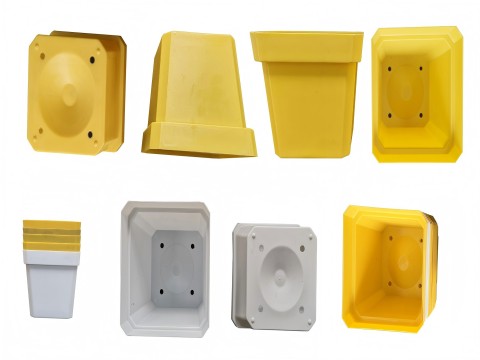
Flower pots
Sustainability:
Recycled plastic flower pots are using recycled waste plastic, which reduces the demand for new raw materials and reduces the impact on the environment.
For example, recycled plastic flower pots produced by injection molding of discarded fishing nets not only reduce waste, but also reduce greenhouse gas emissions.
In addition, the production process of recycled plastic flower pots requires less energy and resources than traditional plastic flower pots.
Durability and sturdiness:
Recycled plastic flower pots are usually as strong as traditional plastic flower pots, or even more durable.
Recycled plastic flower pots made by injection molding of waste plastics are admired for their sturdy and durable properties.
In addition, recycled plastic flower pots can be recycled and reused after their service life.
Versatility:
Recycled plastic flower pots are not only used for growing plants, but can also be used for other purposes such as storage and storage.
This versatility makes recycled plastic flower pots widely applicable in homes and gardening.
Beauty and affordability:
Recycling plastic flower pots has a variety of designs and rich colors, which are both beautiful and affordable.
Recycled plastic flower pots can be imitation purple sand style, two-color design, or thickened type, meeting the aesthetic and functional needs of different users.
Reduce environmental pollution:
Recycled plastic flower pots help alleviate environmental pollution problems by reducing the amount of waste plastic entering landfills or incineration.
Recycling plastic flower pots made by injection molding of recycled plastic bottles can reduce greenhouse gas emissions by up to 5.7 times.
Application of innovative technology:
Advanced technologies such as 3D printing technology may be using in the production process of recycled plastic flower pots to improve production efficiency and product quality.
Recyclability:
This kind of plastic flower pots themselves can also be reclaiming, further promoting the development of the circular economy.It’s a very key point for the business.
Recycled plastic flower pots excel in environmental protection, durability, versatility, aesthetics, and economy, and are an ideal alternative to traditional plastic flower pots.