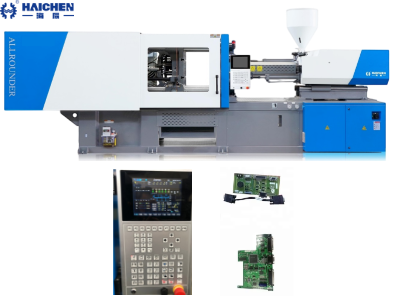
Solve mold clamping not firm need check the mold and machine components, and adjust the parameters to achieve optimal performance.
Mold clamping is an important step in the injection molding process as it keeps the two halves of the mold closed tightly during the injection of liquid plastic.
An unstable mold clamping system may result in defects like flash, inconsistent part sizes, and in some cases, even damage the mold.
It is evident that the effects of inconsistent mold clamping can severely impact automation and efficiency during production and quality.
This article will discuss the persistent problems that we face when dealing with unstable mold clamping and some workable solutions to combat these issues.
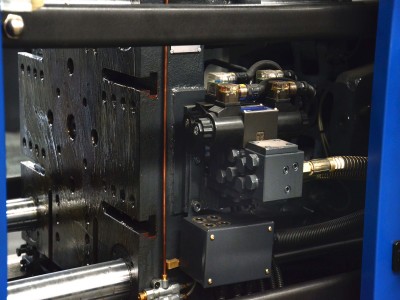
Common Causes of Unstable Mold Clamping
- Insufficient Clamping Force
- Mold Design Issues
- Machine Alignment Problems
- Contaminated or Damaged Mold Surfaces
- Improper Use of Release Agents
Insufficient Clamping Force
One of the most common stems of unstable mold clamping is insufficient clamping force. This issue arises when the clamping section of the machine is set to optimize pressure lower than required OR when the machine lacks the capacity to exert the required pressure to suit the mold.
Solution: Adjust the clamping force settings on the machine and increase the clamping force. Also, examine the mold to check whether the manufacturability meets the standard requirements, so the mold can be properly clamped during the operation phase. If not, think of redesigning the machine to have better clamping pressure.
Mold Design Issues
It is common knowledge that molds have an effect on stability and clamping at the same time. Issues like gate of the mold having an uneven wall thickness connect with the gate; the plastic fill that causes the mold to cavitate, and misalignment of mold parts create difficulty in balancing the pressure and the gaps of the mold clamping system.
Solution: Study the design of the mold, and correct where necessary. Ensure that the parts are properly configured, that the mold halves are aligned accurately, and that uniform wall thickness is maintained. Consider to Chamfer the corners of the gate and consult with a mold design specialist to reduce the gap, increasing the performance during clamping.
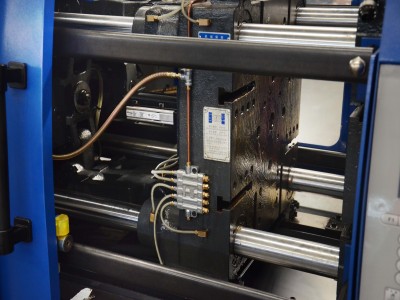
Machine Alignment Problems
Issues with the alignment of the injection molding machine can result in uneven and unstable clamping pressure. This could be due to worn machine parts, installations that have been done incorrectly, or even external factors such as vibrations from the floor.
Solution: Manual alignment of the machine must be check, and worn parts like tie bars and guide pins should be replaced. Proper installation of the machine on a stable and level foundation is critical. Regular maintenance and calibration also prevents alignment problems.
Contaminated or Damaged Mold Surfaces
Clamping is interfered with by such a surface as residue from release agents. Foreign particles also contribute to this. Also, unevenly damaged surface of a mold leads to uneven contact and pressure distribution, which makes clamping difficult.
Solution: More thorough inspections for damage or worn components to be replace should be part of regular maintenance and cleaning. Mold surfaces should be clean and damage repaired to ensure the surfaces are free of contaminants.
Improper Use of Release Agents
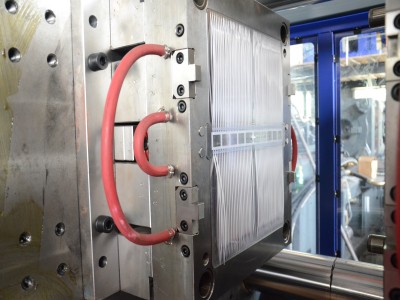
Practical Steps to Ensure Firm Mold Clamping
- Regular Maintenance
- Mold Inspection and Cleaning
- Clamping Force Adjustment
- Machine Alignment Check
- Mold Design Optimization
Regular Maintenance
Mold Inspection and Cleaning
Clamping Force Adjustment
Machine Alignment Check
Mold Design Optimization
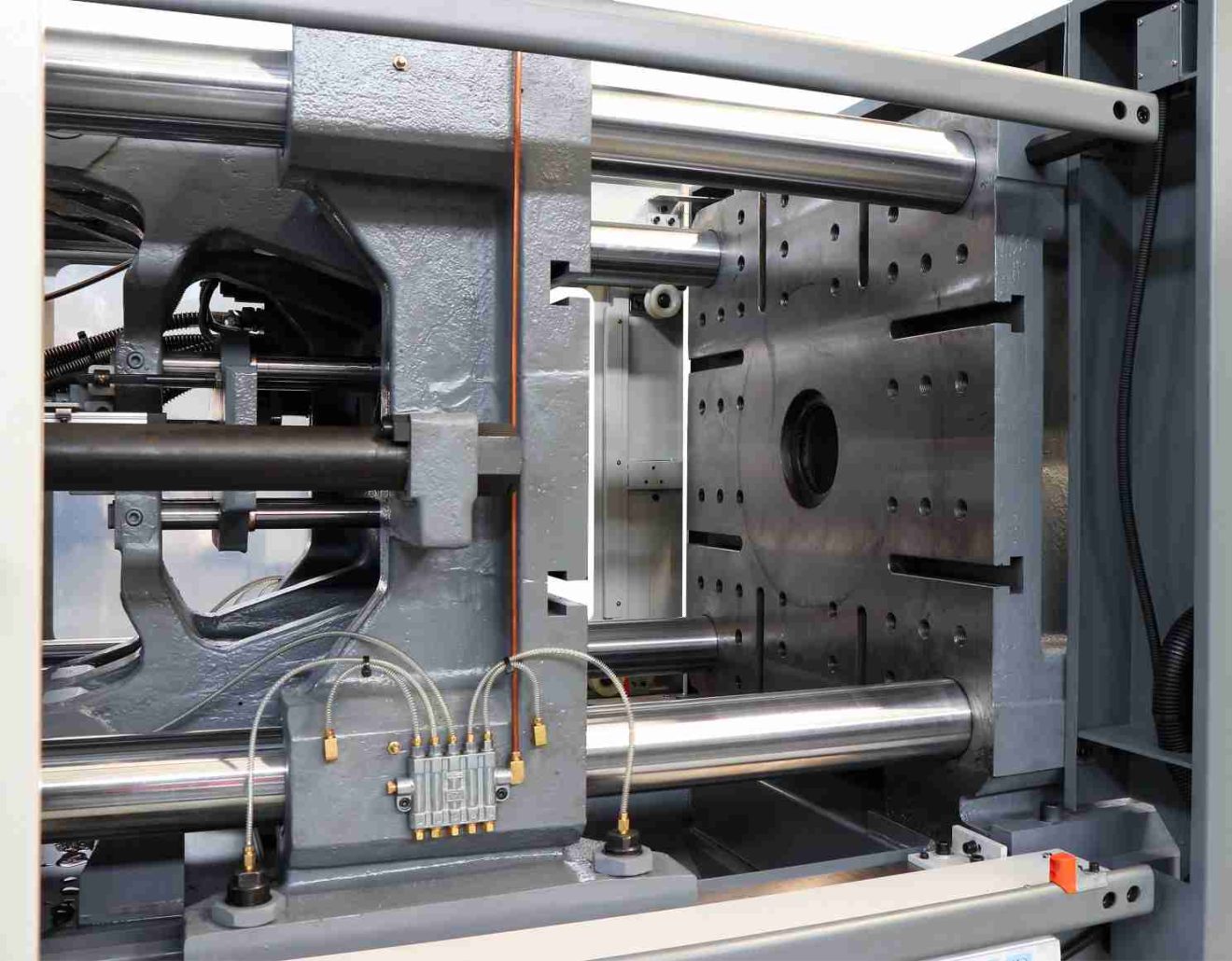
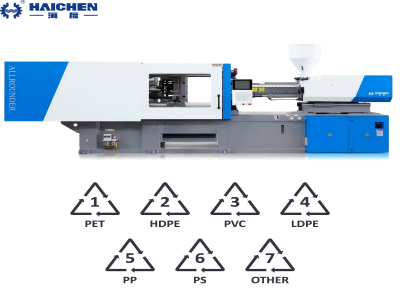
Haichen Machinery’s Clamping Unit
Haichen Machinery earned its reputation in the industry for technology and servicing the issues of weak mold-clamping of an injection molding machine.
The Clamping Unit of Haichen Machinery is famous for its stringent design and control precision and ease in servicing, provisions for customization, and thorough pre and post-technical assistance. This guarantees the rigid clamping of the mold through the entire injection molding cycle, improving production efficiency and product quality.
The company has the commitments of helping the customers improve the production efficiency and product quality, and the stable operation of the injection molding machine.
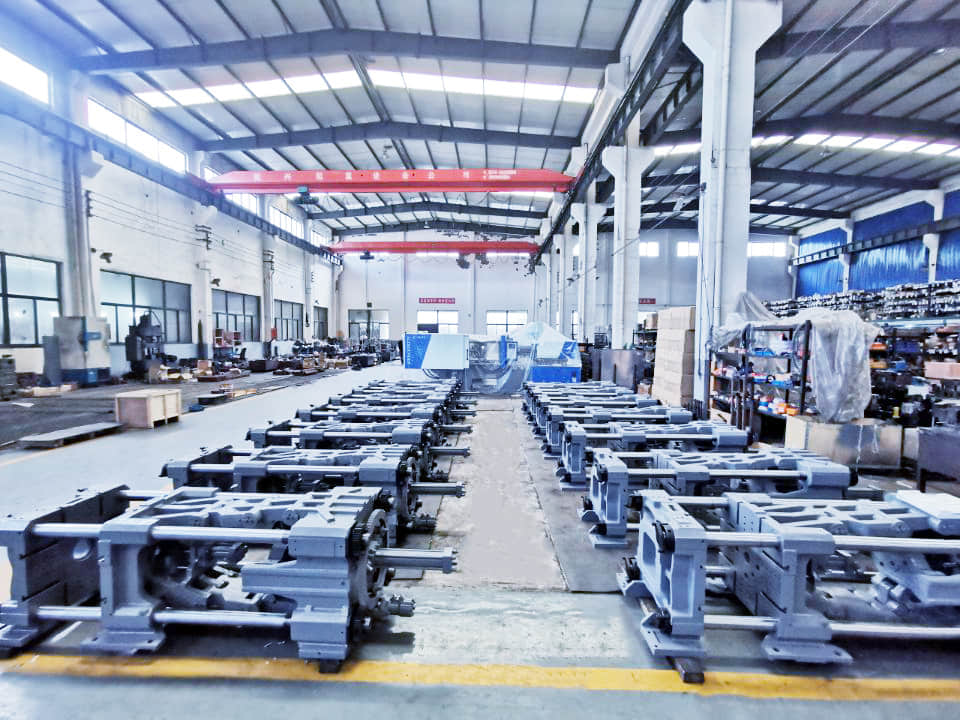
In the case of an injection molding machine, to rectify the issues of weak mold clamping, numerous elements and parameters need to undergo checks and adjustments. By following these steps, one can ensure efficient operation of the machine and proper mold-clamping to produce plastic parts of superior quality.