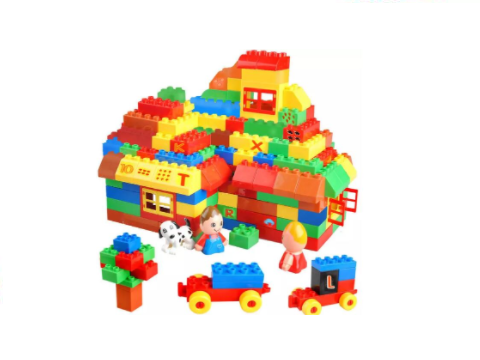
The toy manufacturing process involves designing, prototyping, selecting materials, molding or casting parts, assembly, quality control, and packaging to create safe, durable, and engaging toys for children.
The process of making toys begins with imagination and ends with precision engineering. It involves a sequence of operations starting from design to finishing with the vivid and creative toys that appeal to both children and collectors.
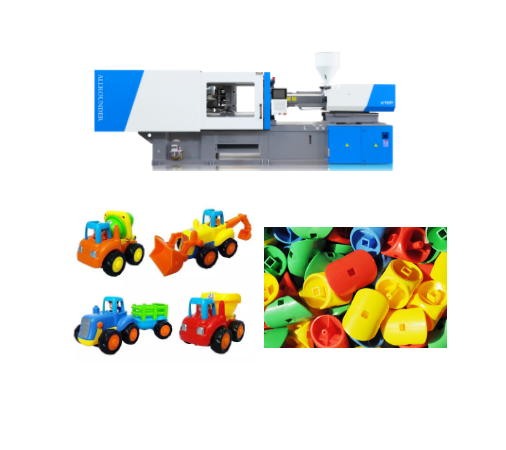
Injection molding is a very important stage for the mass copying of details of plastic toys as for their production.
This will be the aim of the analysis – to reflect on the plastic toys making process and to emphasize Injection Molding as the important step.
The Toy Manufacturing Process
- Design and Prototyping
- Injection Molding Process
- Assembly and Packaging
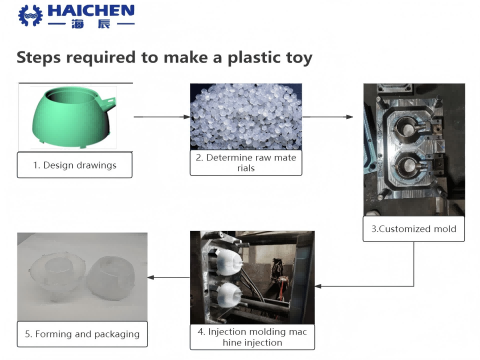
Design and Prototyping
Concept Development
Every toy begins with an idea. Designers and engineers come up with a toy, with some of the attention going to its function, appeal, safety, and some other integral factors. It also involves some of the following steps; sketching, 3D modeling, and in some cases, physical prototypes to aid the refinement of the design.
Material Selection
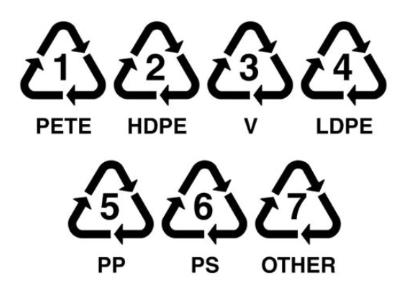
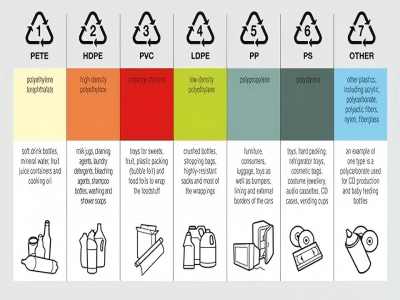
Safety, durability, and the aesthetic look of a toy are its materials. It is worth noting that of the many different materials to choose from, plastic is the most commonly used. ABS (Acrylonitrile Butadiene Styrene) and PP (Polypropylene) are used because of their strength and flexibility, and also their ability to be molded in complex shapes.

Injection Molding Process
Mold Preparation
Following the design work, toy sample plastic shapes, and their molds are sculpte. The exacting precision engineering needed for these molds, that is required to produce each toy component is also exacting. HAICHEN’s mold making specialists also look at other work to create molds according to the toy production needs.
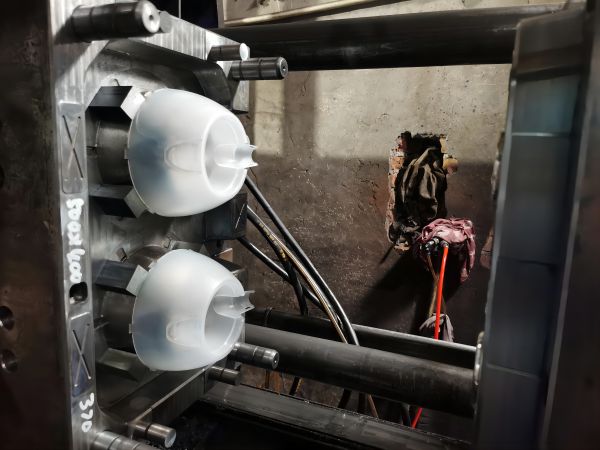
Injection Molding
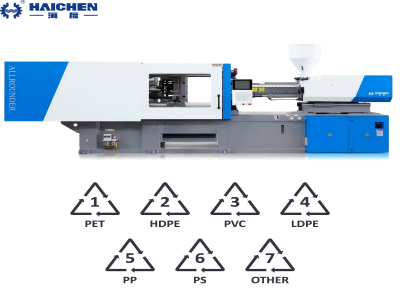
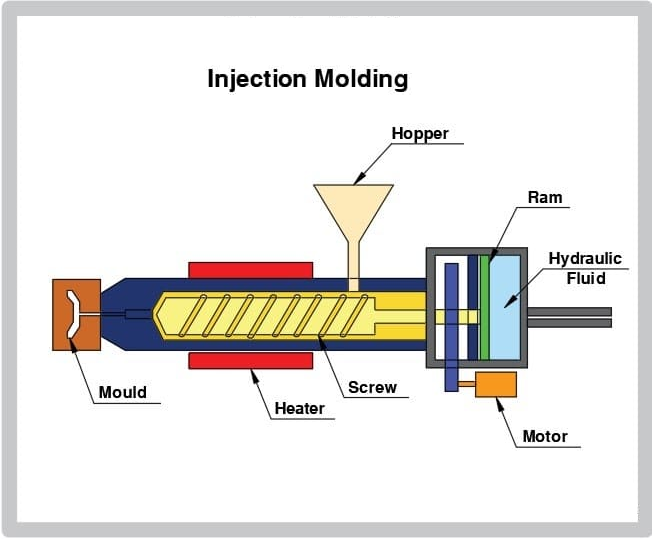
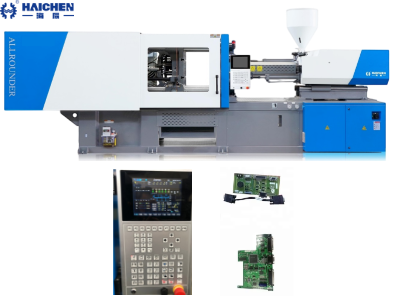
The injection molding step is the focus of HAICHEN’s production capabilities. The steps which are injection of plastics and mold cooling (along with the solidifying of the injected plastic) are of the toy refinement process. With the HAICHEN injection molding machines that are made to work with specified zones of the process, it is possible to maintain high levels of exactitude in the control of the injection of plastic.
Post – Processing
The solidified plastic is remove from the dies and molded into the desired gears. Trimming excess materials as well as performing surface finishing works are done. Each toy gear undergoes a rigorous quality inspection to ensure that any required standards and targets are achieve thereby making the item appealing. Quality standards are very important and so is appearance so every gear is subjecte to rigorous finishing work.
Assembly and Packaging
Assembly
Every action required to make the toy usable is done such as limbs addition and insertion of required electronics as well as batteries. Each stage is very important as the every step impacts the performance of the gear making the assembly very critical.
Packaging
This is a very responsible stage as the toys are susceptible to getting damaged during storing and transporting. Such protective action is required to ensure that both storing and transporting do not affect the quality of the item. Marketing of items requires appealing advertisements so to have a better edge on the advertising level, appealing covers are always a huge plus and a great step to getting customers.
Injection Molding: The Core Advantages of HAICHEN Equipment
Taking the HAICHEN E-Series servo energy-saving injection molding machine (such as the HCE120) as an example, the workflow is as follows:
| Step | Technical Highlights | HAICHEN Innovative Solutions |
| Plasticization | The screw shears the molten plastic. | The bimetallic screw + mixing head design is suitable for materials such as PP/ABS. |
| Injection | High-pressure mold filling (500-1500 bar). | Multi-stage pressure control prevents flash and undershot. |
| Pressure-holding cooling | Prevents shrinkage and deformation. | A closed-loop water temperature control system improves cooling efficiency by 30%. |
| Molding | Precision control of the ejector mechanism. | The five-point double-toggle clamping structure achieves an opening and closing accuracy of ±0.1mm. |
Real-World Case Study:
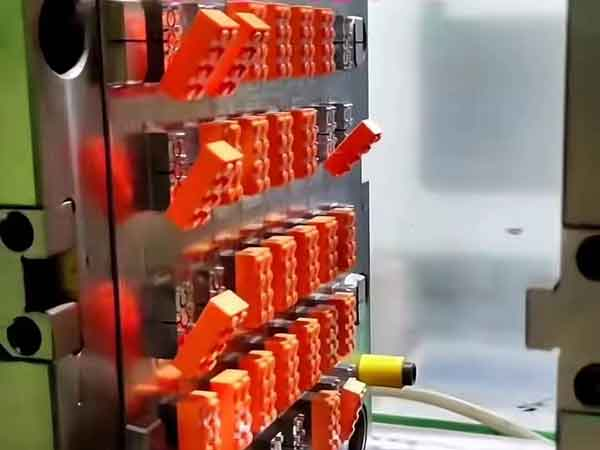
- Building Block Production: The HAICHEN HCK110 injection molding machine achieves simultaneous molding of 48 cavities in a mold, with a single piece weighing 0.32g, a cycle time of 15 seconds, and a daily production capacity exceeding 2,000 pieces.
- Environmentally friendly tableware toys: Made of PLA + bamboo fiber materials, HAICHEN’s customized cooling system solves deformation problems and reduces carbon emissions by 40%.
Key Influences of the Injection Molding Process on Toy Quality
Scientific Control of Process Parameters
- Temperature: The upper limit of the barrel temperature is ±2°c (200-240°c for abs) to prevent degradation or underfilling.
- Pressure: Insufficient holding pressure will result in sink marks. The HAICHEN servo system achieves pressure fluctuation of <0.5%.
- Cooling Time: Cycle time must not exceed 20% of the original value (this is applicable for HAICHEN high speed machines) although product stress must be neutral.
Collaborative Optimization of Mold and Equipment
- Equipment and Mold Selection: Elaborate toy designs necessitate precise venting to aid in venting 0.03 mm grooves. HAICHEN machines are capable of multi-stage injection speed control to better manage weld line positioning.
- Equipment Selection: Small toys with a mass below 100g are handle by HAICHEN HCE100 (100-ton clamping force). For large parts like slides, a 1200-ton machine is necessary.
HAICHEN: Your Partner in Toy Manufacturing
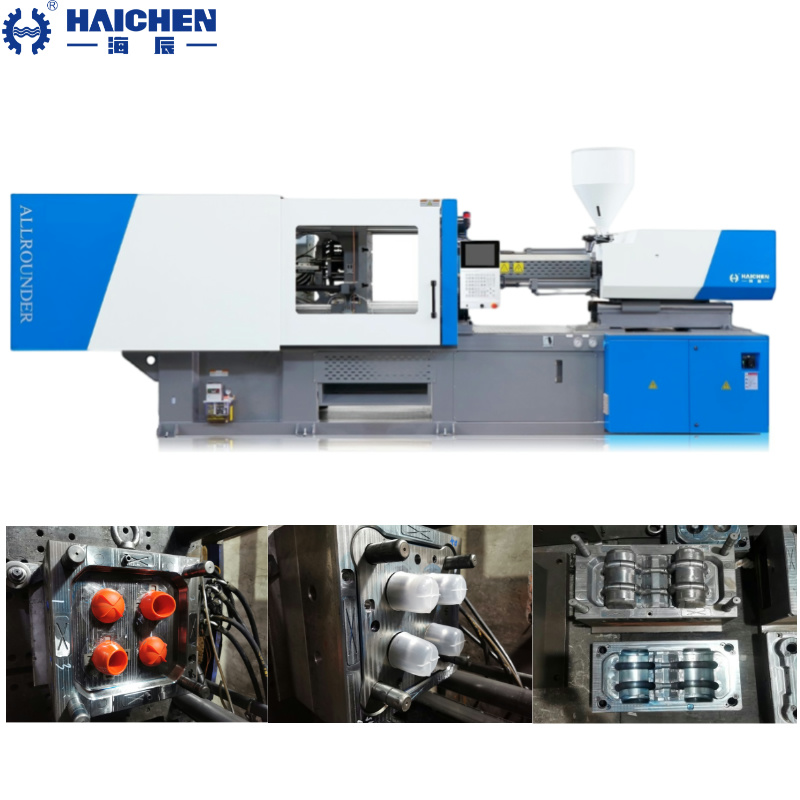
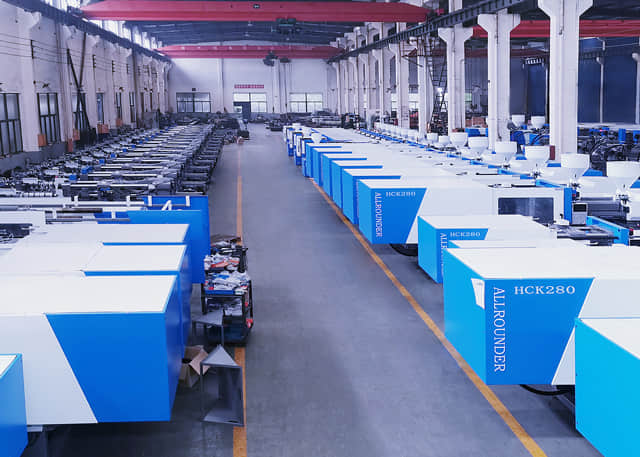
We, at HAICHEN, are wire to receive orders of injection molding machines that aid in attaining precision and accuracy. Consistent performance and high-quality production are achieve with advanced features built into the machines. Small scale or large scale production of toys is not an issue at HAICHEN.
Understanding the toy manufacturing process is essential for achieving high – quality and efficient production. By focusing on design and prototyping, material selection, injection molding, post – processing, and assembly, manufacturers can ensure that their toys are both safe and appealing.