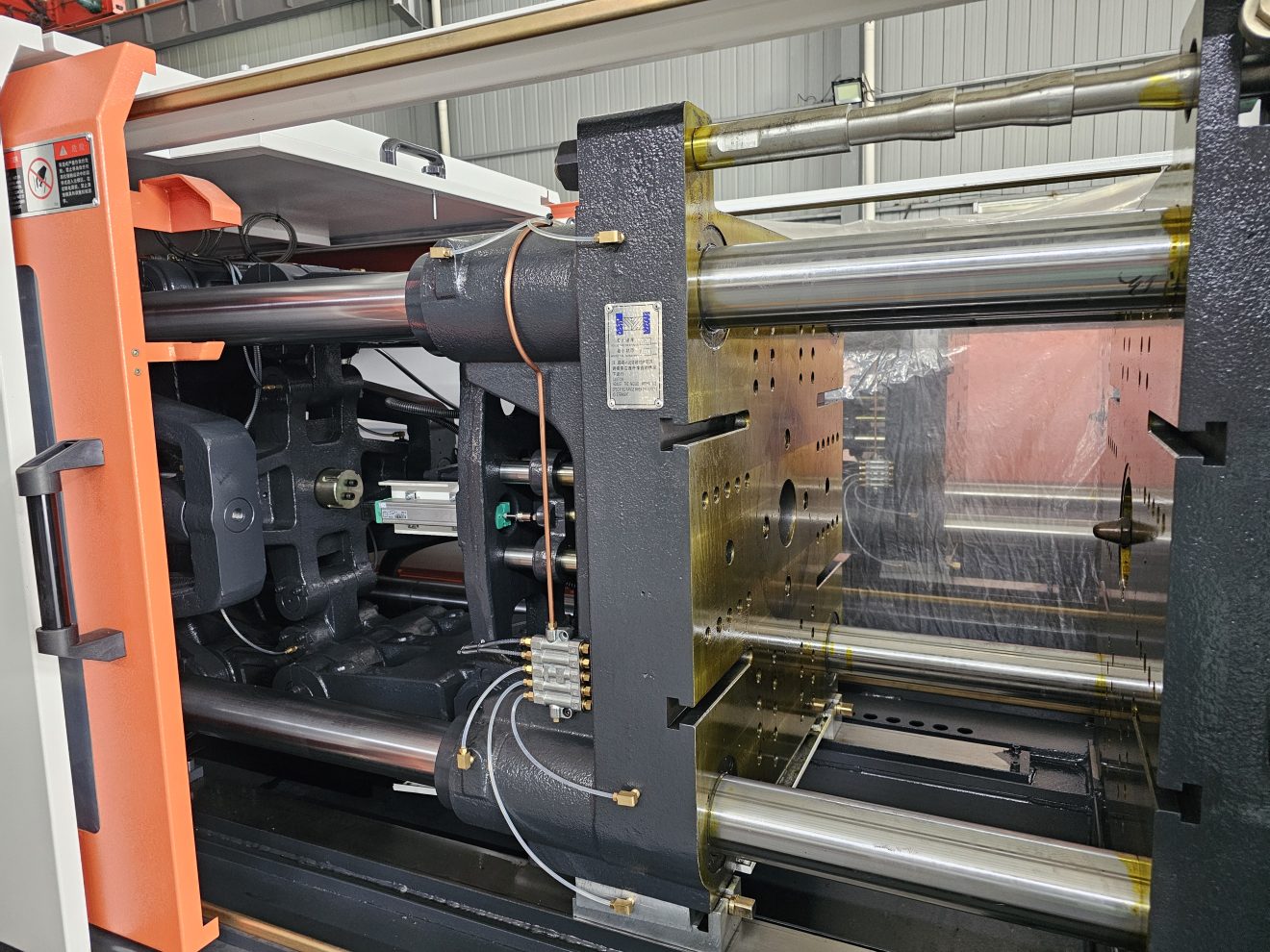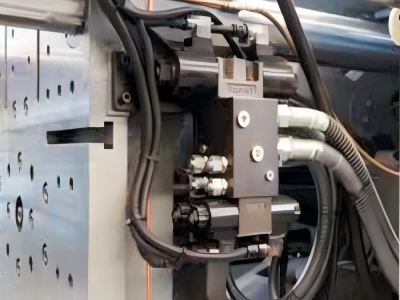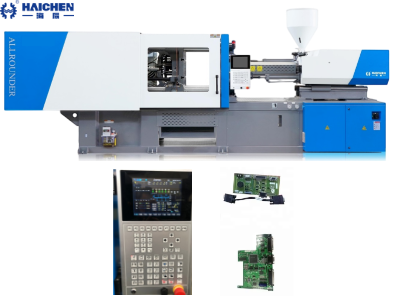
Tie bar placement is a critical aspect in special injection molding machines, as it directly impacts the stability, precision, and overall performance of the molding process. Here are some key considerations regarding tie bar placement in special injection molding machines:
Importance of Tie Bar Placement
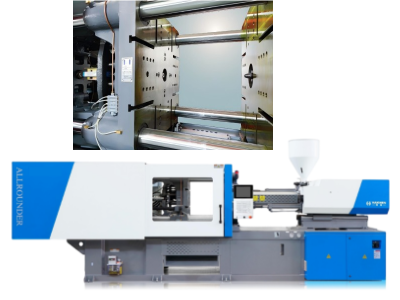
Structural Support: Tie bars provide essential structural support to withstand the high pressures exerted during injection molding, ensuring the mold remains stable and does not shift or deform.
Precision Alignment: Properly placed tie bars maintain accurate mold alignment, preventing defects such as flash, incomplete filling, and dimensional inaccuracies.
Key Design Considerations
Material Selection: Tie bars must be made from strong and durable materials, such as high-strength steel or alloy materials, to endure the high-pressure conditions.
Size and Configuration: The size and configuration of tie bars are determined by the injection molding machine’s size and capacity. Larger machines require more substantial tie bars for adequate support.
Load Distribution: Proper load distribution is crucial to prevent uneven stress on the tie bars, which can lead to deformation or failure.
Factors Influencing Tie Bar Placement

Mold Size & Shape: Large or irregular molds may require wider bar spacing or alternative configurations.
Clamping Force Distribution: Uneven force needs may lead to reinforced or repositioned tie bars.
Accessibility Needs: Some machines (e.g., for insert molding) have removable tie bars for easier mold loading.
High-Speed or Precision Molding: Machines may use preloaded tie bars to reduce deflection.
Tie Bar Distance Specifications
Definition and Importance: Tie bars spacing refers to the distance between the centers of adjacent tie bars in the horizontal and vertical directions. This parameter determines the maximum size of the mold that can be installed on the machine.
Calculation and Selection: The width of the mold should be less than half of the horizontal tie bars spacing. And the length should be less than half of the vertical tie bar spacing. For example, if the tie bar spacing is 500 mm × 400 mm, the maximum mold width should not exceed 250 mm, and the maximum length should not exceed 200 mm.
Types of Clamping Systems
Mechanical Clamping: Suitable for low-tonnage requirements, this system uses toggle mechanisms for clamping.
Hydraulic Clamping: Offers greater flexibility and higher clamping force, making it suitable for larger and more complex molds.
Tie Bar Free Clamping (TBF): This system eliminates tie bars, improving cleanliness and rigidity in the mold area while reducing mold deformation and extending service life.
Injection molding machine supplier: Haichen Machinery
Haichen Machinery is a well-known Chinese manufacturer of injection molding machines (IMM), recognized globally for its high-quality and cost-effective machines.
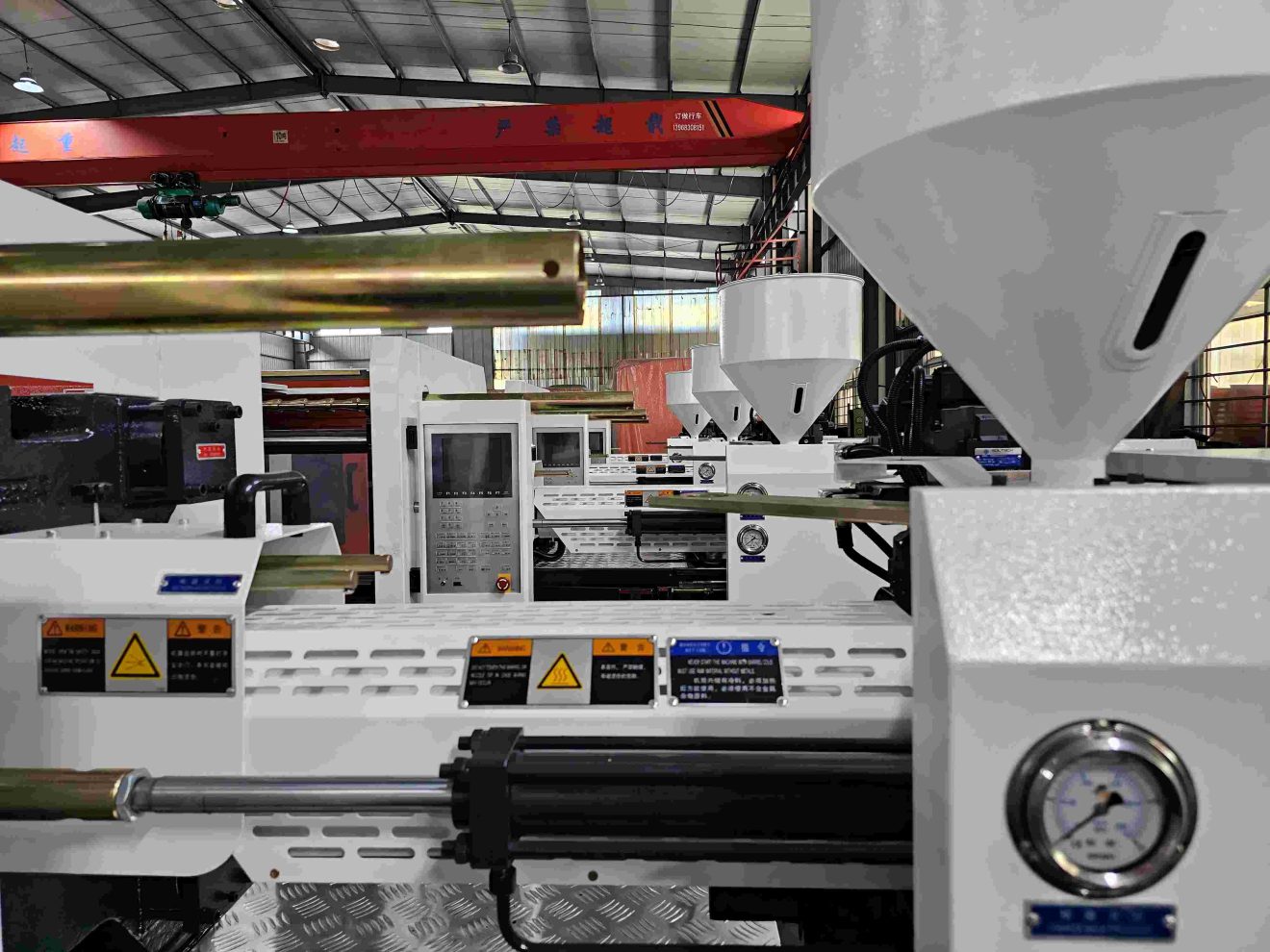
Haichen Injection Molding Machines offer a variety of models with different bar spacing to cater to a wide range of applications. It varies depending on the machine’s clamping force (tonnage) and is a critical specification for selecting the right machine for your mold size.