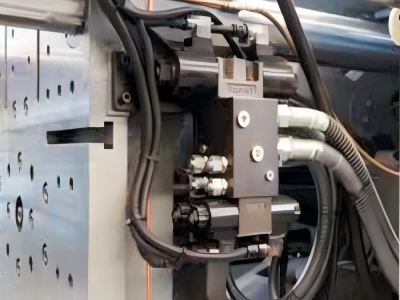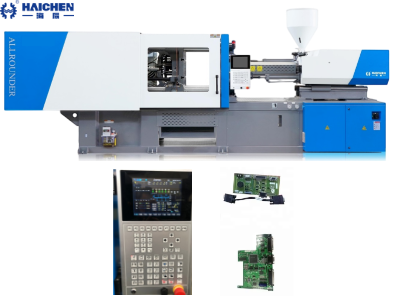
Types of Sensors in injection molding:
- Pressure sensors
- Temperature sensor
- Displacement sensor
- Photoelectric sensors
- Flow sensors
- Non-contact sensors
- Image vision sensors
- Inductive sensors
Modern injection molding relies on advanced sensor technology to ensure quality, efficiency, and safety.
These devices monitor real-time process variables, enabling manufacturers to prevent defects and optimize cycles.
Below we explore key sensor types transforming today’s injection molding operations.

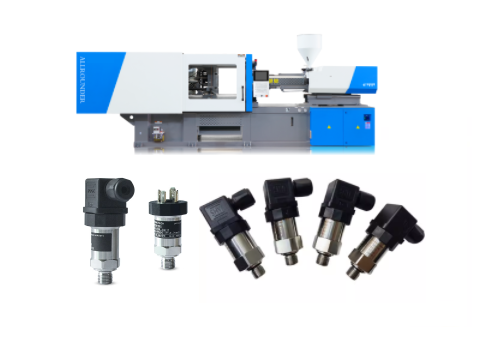
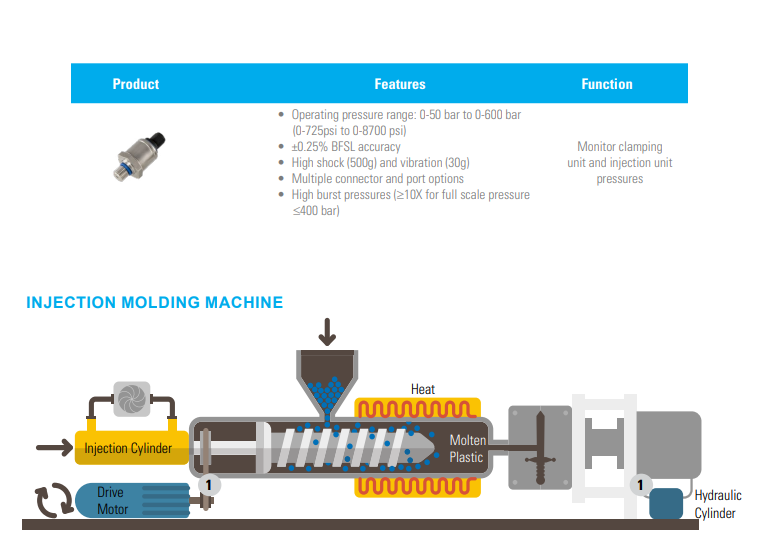
Pressure sensors
Function: Directly measure polymer flow dynamics and cavity pressure.
Primary Applications:
Nozzle Pressure Sensors: Mounted near the screw tip, they detect melt viscosity changes.
For instance, sudden pressure drops signal material degradation.
Cavity Pressure Sensors: Embedded in mold walls, they track filling patterns.
Significantly, they identify imbalances in multi-cavity tools.
Industry Impact: Automotive manufacturers achieve ±0.5% part weight consistency using real-time pressure curves.
Temperature sensor
Critical Roles:
Contact Thermocouples: Directly touch molten plastic in barrels and hot runners.
They maintain ±1°C accuracy, preventing overheating in engineering resins like PEEK.
Non-Contact IR Sensors: Scan mold surfaces without physical contact.
Consequently, they detect cooling channel blockages before production halts.
Case Example: Medical device producers use IR arrays to validate sterile mold temperatures typically 80-120°C.
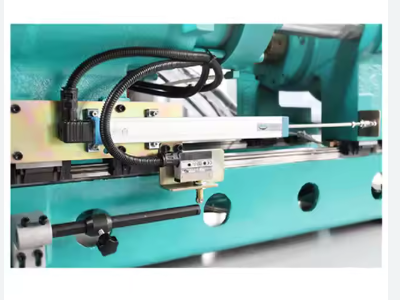
Displacement sensor
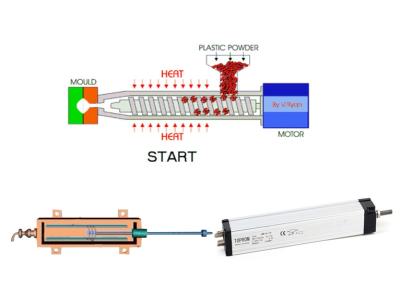
Function:Accurately measure the linear displacement of mechanical components to achieve closed-loop control and position calibration.
Clamping system: Magnetostrictive displacement sensors monitor the distance of the platen movement and optimize the clamping accuracy.
Injection cylinders and ejector pins: Non-contact inductive sensors (e.g. magnetostrictive sensors from Balluff).
Measure the screw advance distance or ejector pin stroke and avoid mechanical wear.
Servo module: high-precision laser displacement sensor (such as PTS-420 5000) is used for positioning detection.
With a response speed of 0.6ms and anti-electromagnetic interference.
Technical features: Magnetostrictive sensors adapt to oily environments, IP67 protection level, and small blind spots.
Photoelectric sensors
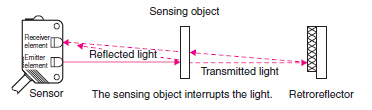
Function: Detect the position of the material, the safety status of the equipment and the trigger of the automated process.
Material transfer detection
Background suppression photoelectric sensors (such as Meiji ESB-BS15N) identify the material box in place.
And have strong anti-light interference ability.
Safety protection
safety gratings such as Taihe laser protection devices monitor the opening.
And closing area of the mold to prevent personnel from entering by mistake.
Cylinder action feedback
The cylinder sensor such as MR-C81 detects the state of the cylinder sticking out in place.
And is resistant to high temperature (70°C) and high-frequency vibration.
Flow sensors
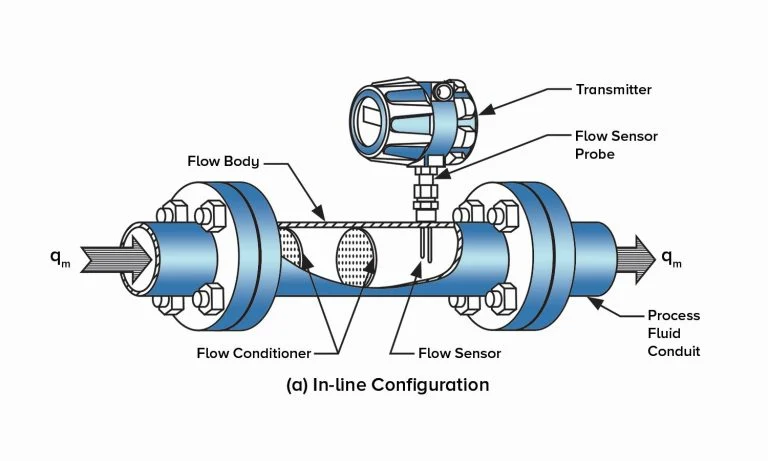
Monitor the flow of cooling media to optimize the heat dissipation efficiency of the mold.
Application scenario: A flow sensor (such as a MEMS flow meter) is installed in the cooling channel to detect abnormal coolant flow rate and prevent mold overheating.
Non-contact sensors
Function: Suitable for small spaces or high cleanliness scenes, to avoid physical contact pollution.
Cavity pressure monitoring: Non-contact magnetostrictive sensors (e.g. Firstrate series) measure displacement.
By means of changes in the magnetic field without mechanical wear.
High-temperature melt monitoring: Microwave sensors indirectly measure melt flow, avoiding direct contact with high-temperature plastics.
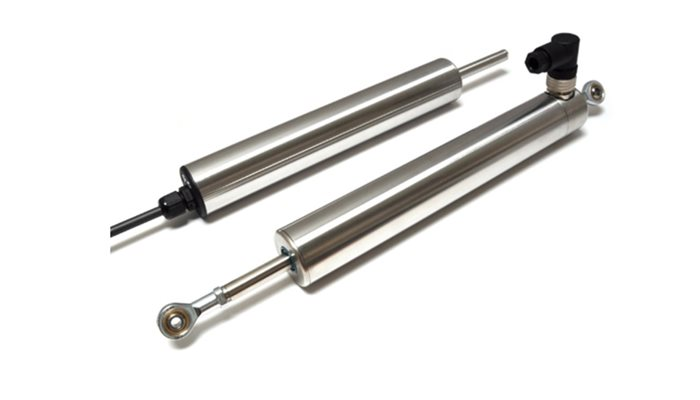
Image vision sensors
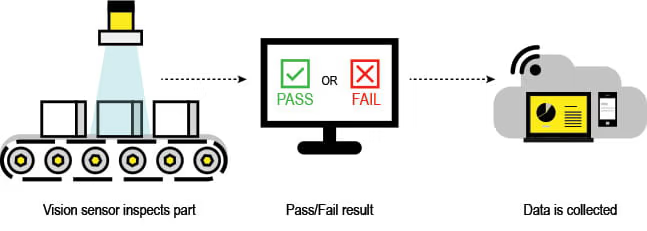
Function: Realize product surface defect detection and automatic sorting.
Application scenario: The Inspector vision sensor identifies filling defects such as missing material or burrs.
In the injection molded part and automatically triggers the rejection mechanism.
Inductive sensors
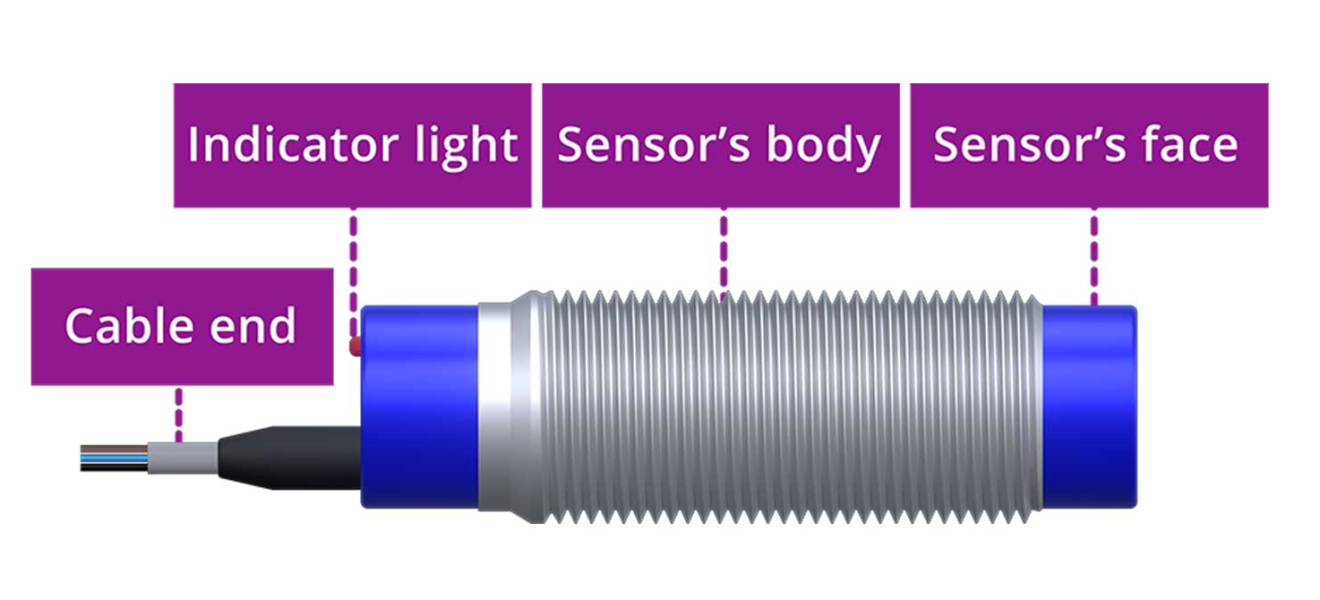
Function: Detect changes in the position or magnetic field of metal parts, suitable for high electromagnetic interference environments.
Application scenario: Inductive proximity sensors (e.g. SICK IME08) monitor the inserts in the mold and resist oil and vibrations.
Multi-sensor fusion technology
Trends: Convergence of pressure, temperature, displacement and vision sensor data (e.g. Kistler’s ComoNeo system).
Enables the linkage optimization of process parameters and improves the quality control dimension.
Haichen‘s sensors
The sensor network of Haichen injection molding machines covers the entire process from raw material plasticization.
And injection molding to product inspection, and its selection needs to be based on specific process requirements and environmental conditions.