High-speed injection molding machine basics include difinition and core features, key structures and components, and so on.
The basic principles of high-speed injection molding machines mainly revolve around high-speed injection, high-precision control, energy-saving servo systems and optimized hydraulic/mold design. Its core goal is to meet the production needs of high-demand products such as thin-walled and complex structures by increasing injection speed, shortening molding cycle and ensuring product quality.
It is one kind of injection molding machines. The high speed injection molding machine is a device specially used for fast and precise production of plastic products. Its core feature is that the injection speed is not less than 200 mm/s (some standards even require more than 300 mm/s). And it has high molding accuracy and stability.
This type of machine usually uses for thin-walled products. Such as food containers, electronic component housings, etc.. It significantly improves efficiency by shortening the production cycle.
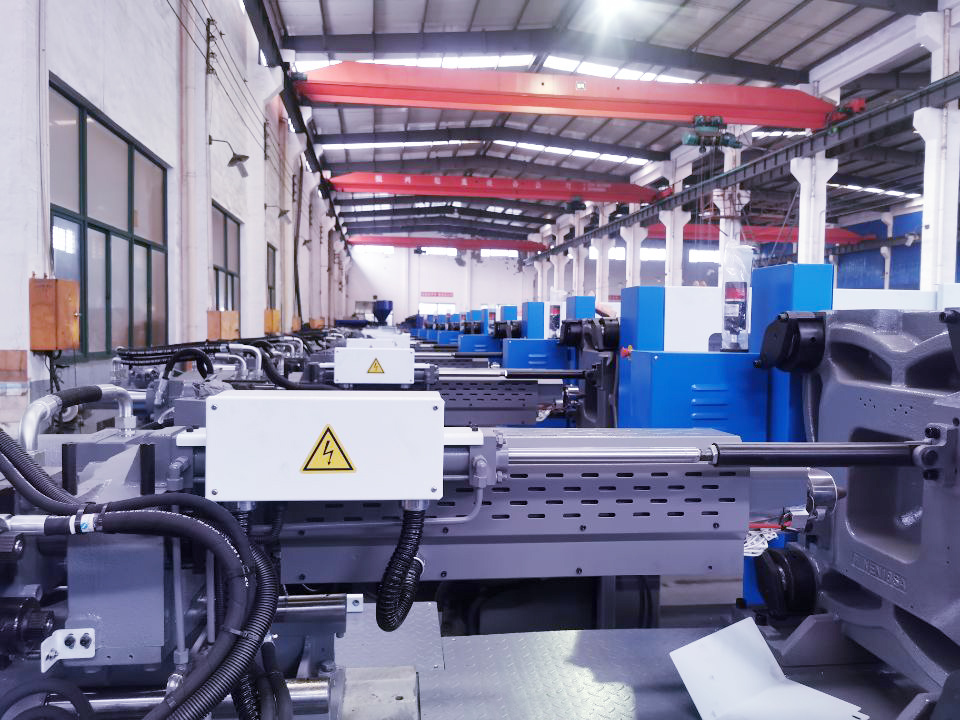
High-speed injection molding machine basics: and core features
Definition and core parameters
- High-speed standard: injection speed is usually ≥200 mm/s, the industry generally uses ≥300 mm/s as the threshold, and the maximum can reach 800–1200 mm/s.
- Ultra-high-speed models require filling speeds >1000 mm/s.
Drive type
- Hydraulic: high-speed response is achieved by optimizing the hydraulic system (such as precision oil circuit design).
- Fully electric: driven by servo motor, faster response and higher precision.
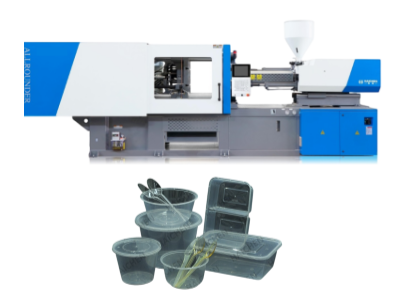
High-speed injection molding machine: Key structures and components
The performance of high-speed injection molding machines depends on the optimized design of the following core components:
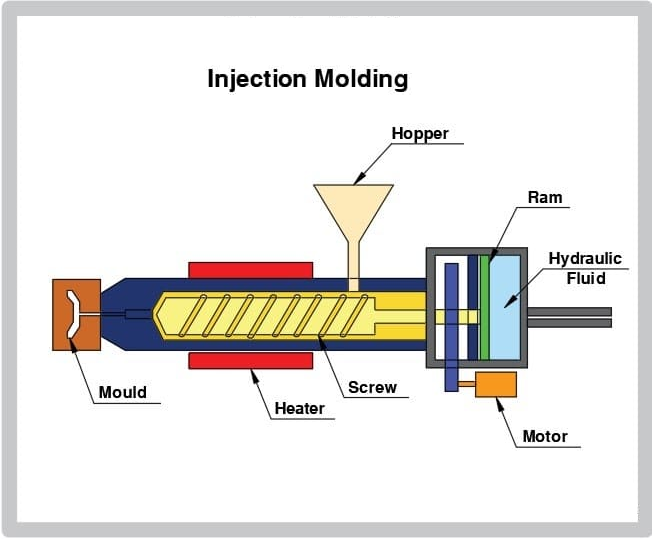
Injection Unit
Adopt a dual-cylinder injection system. Or adopt a direct drive (DD) servo motor. That to ensure high response speed and pressure stability.The screw design usually has a shorter homogenization section. And also a deeper screw groove to meet the needs of high-speed plasticization.
Clamping Unit
The new generation of toggle clamping mechanism is optimized through computer simulation to achieve fast and smooth template movement while ensuring high rigidity and lightweight design.
Some models are equipped with a hydraulic mold adjustment system with a position control accuracy of 0.1 mm.
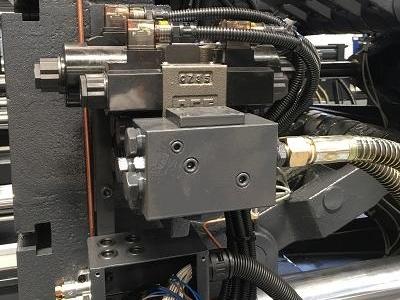
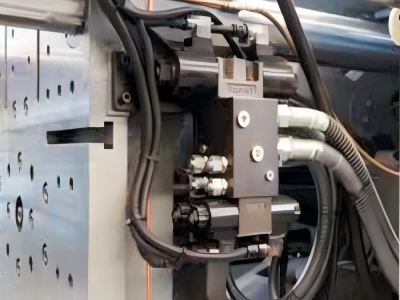
Hydraulic and control system
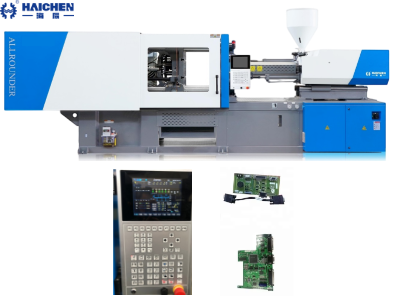
Adopt an efficient and energy-saving proportional pressure/flow variable pump system to reduce overflow loss. The all-electric model controls the opening and closing of the mold, ejection and other actions through a servo motor to reduce noise and energy consumption. The control unit integrates a multi-language interface and real-time monitoring functions to accurately adjust parameters such as temperature, pressure, injection speed, etc.
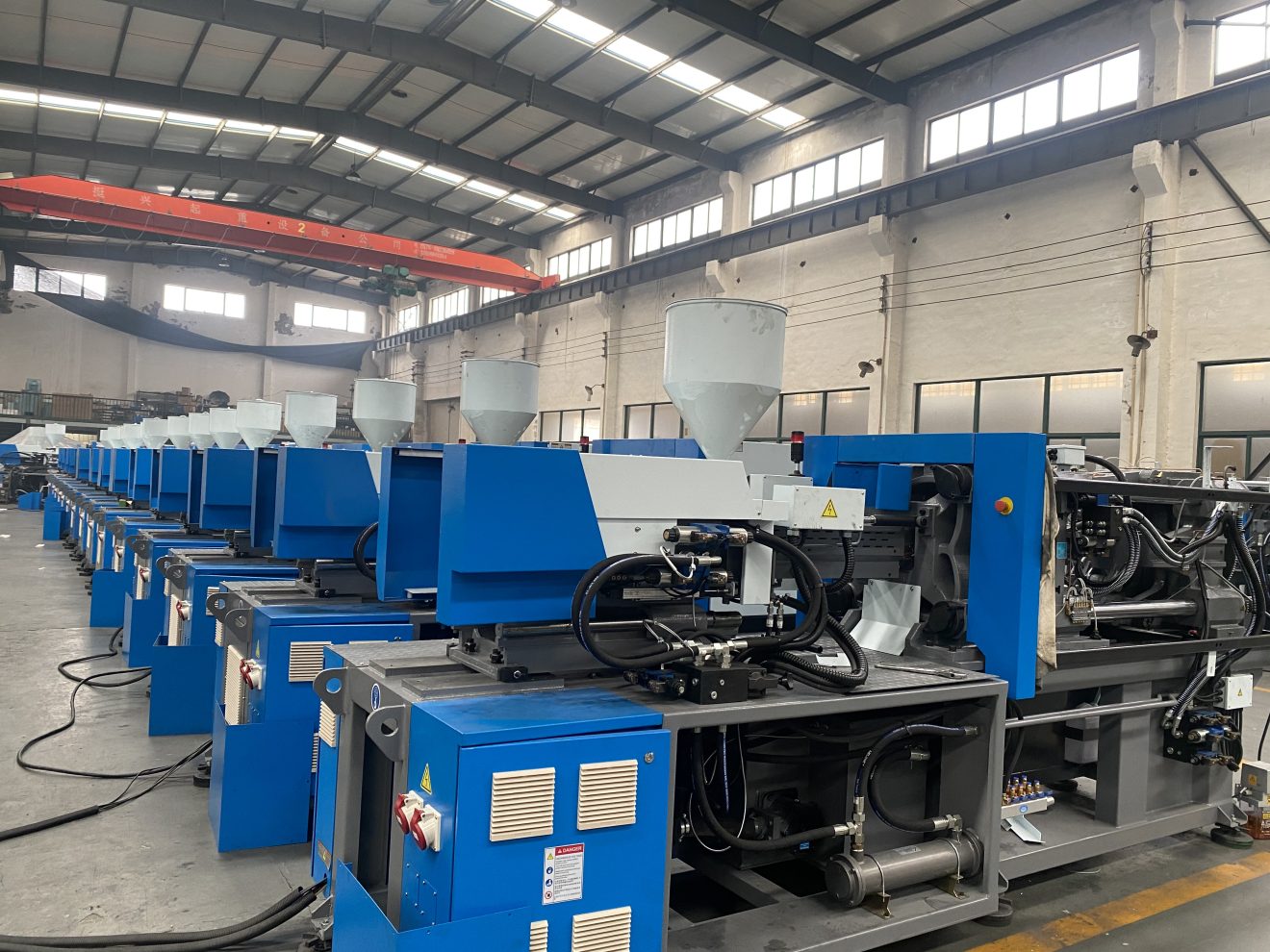
Plastic high speed injection molding machine core features and technologies
High-speed injection system
- Injection pressure up to 350 MPa
Ensures full filling of thin-walled products (such as mobile phone accessories, medical devices). - Response time ≤30 ms
Ultra-high-speed models need to complete acceleration/deceleration within 0.025 seconds.
High-rigidity structure
- Mold design: High-rigidity mold reduces deformation and ensures uniform mold closing.
- Tie-Bar Free technology: Avoid lubrication contamination and reduce friction energy consumption.
Precision control system
- Servo closed-loop control realizes real-time pressure/flow regulation
- V-P (speed-pressure) switching error ≤±0.03 mm
- Industry 4.0 compatible controller (such as CPC-6.0), supports multi-language display and automatic temperature control
High efficiency and energy saving
- Servo energy-saving system reduces energy consumption by 30%–70%
- Fast mold opening and closing (up to 1.5 seconds) shortens cycle time by >15%.
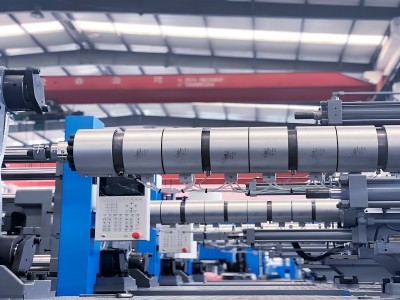
High-speed injection molding machine: Working principle and process optimization
fThe process of high-speed injection molding simplifies the steps through three-axis linkage technology. Shortening the traditional process. For example, a product that takes 10 seconds to complete on an ordinary. The injection molding machine can short to 6 seconds on a high-speed model. Its core principles include:
High-speed filling
reduce melt viscosity and flow resistance through shear thinning effect, and avoid defects in thin-walled products caused by premature solidification of the melt.
Pressure holding and cooling
switch to constant pressure mode after filling is completed to compensate for material shrinkage and quickly cool down through the cooling channel in the mold.
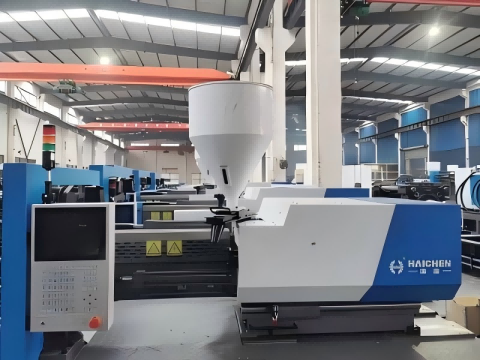
Differences from traditional injection molding machines
High-speed injection molding machines achieve mass production of thin-walled, high-precision products while reducing energy consumption through ultra-high injection speed (≥200–1200 mm/s), servo precision control, high-rigidity structure and multi-cavity mold support.
Speed and precision
Ordinary hydraulic machines rely on oil circuits and have slow response; high-speed machines achieve precise position control through servo motors.
Structural optimization
High-rigidity frames, linear guide rails and other designs reduce deformation, while ordinary machines lack such reinforcement.
Energy efficiency
The servo system saves more than 30% energy compared to traditional hydraulics, and ordinary machines do not have this feature.
Economic Analysis
Although the initial investment of high-speed injection molding machines is high (the price range is about 10,000 to 100,000 US dollars), its improved production efficiency can significantly reduce the unit cost.
For example, in a thin-walled lunch box production case, the high-speed model shortened the cycle from 10 seconds to 6 seconds, increasing production capacity by 67%. In the long run, the advantages of energy saving and waste reduction can offset the price difference of the equipment.
High-speed injection molding machines have become the core equipment for the production of thin-walled and precision products through high injection speed, precision control and optimized process design. Its technical core lies in the dynamic response of the injection unit, the stability of the clamping mechanism and the coordinated work of the intelligent control system. Despite the challenges of cost and process complexity, its advantages in efficiency, energy saving and product quality have enabled it to continue to occupy an important position in the fields of automobiles, electronics, and medical care.