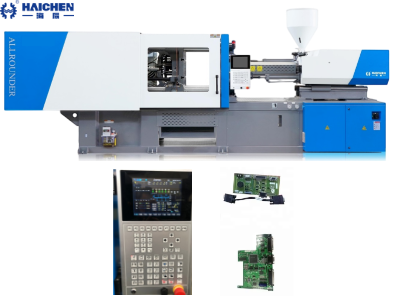
Plastic flower pots’ benefits of affordable, cost-effectiveness, lightweight and durable, versatility and innovative applications and so on.
Plastic flower pot is a container made of plastic materials. It widely uses in home gardening and urban greening. With the characteristics of lightweight, durability, and easy maintenance. It usually uses for planting flowers and ornamental plants. In recent years, its design and materials have been constantly innovated, including various styles such as circular, square, rectangular, wall mounted, hanging basin, etc
Plastic flower pots have several advantages that make them widely used in gardening and commercial planting. Here are the main benefits of plastic flower pots:
- Affordable
- cost-effectiveness
- lightweight and durable
- Variety and beauty
- Environmental protection and sustainability
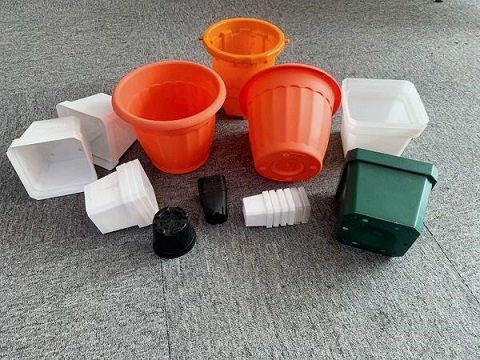
Plastic flower pots’ benefits
Plastic flower pots benefits: affordable
Plastic pots are generally cheaper than ceramic or clay pots, making them suitable for gardeners on a budget. In addition, the cost-effectiveness of plastic pots facilitates the mass production of plants in commercial plantings.
The price range of plastic flower pots is relatively wide, depending on factors such as material, size, brand, and usage. The following is a price range:
Ordinary plastic flower pots
The prices range from a few yuan to tens of yuan. For example, some small plastic flower pots are priced between 0.6 yuan and 8 yuan, while medium-sized flower pots may be priced between 5 yuan and 10 yuan. In addition, there are also plastic flower pots priced at 1.3 yuan per pot, with specifications ranging from 16-18 centimeters in diameter.
Large sized or specially designed plastic flower pots
These prices may range from 10 yuan to several tens of yuan. For example, the price of extra large plastic flower pots ranges from 10 yuan to 40 yuan, while some high-end or customized plastic flower pots may cost tens or even hundreds of yuan.
Plastic flower pots sold on e-commerce platforms
Those have a wide price range, ranging from a few yuan to several hundred yuan. For example, transparent flower pots on the Taobao platform range in price from 2.10 yuan to 9.50 yuan, while some plastic flower pots on eBay range in price from 7.25 yuan to 359 yuan. In addition, the price of some large flower pots may reach several hundred yuan, such as 10 inch plastic flower pots ranging from 59.93 yuan to 553.38 yuan
Cost-effectiveness of plastic flower pots benefits
Generally, plastic pots are inexpensive and inexpensive to produce. That making them ideal for nurseries and horticultural businesses. In addition, the low maintenance and long life of plastic pots also reduces the overall cost of ownership.
Material cost
The main raw materials for plastic flower pots include plastic resins (such as PP, PVC, etc.), additives, and dyes. According to relevant research, material costs account for 62% of the total cost. In addition, the production process of plastic flower pots requires about 28 grams of plastic resin per unit of product, with a cost of approximately 340-403 yuan per unit. The material cost varies among different sizes of plastic flower pots, for example, the material cost of 14 cm and 15 cm flower pots is 75 yuan and 95 yuan respectively.
Manufacturing costs
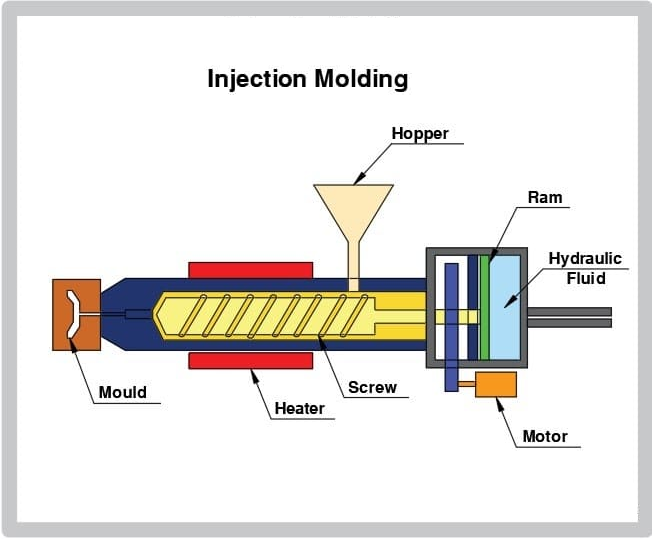
Manufacturing costs include the costs of mold design, injection molding, trimming, punching, and other processes. Mold design has a significant impact on production costs, for example, optimizing the cooling system can shorten cooling time, improve production efficiency, and thus reduce unit costs . In addition, during the production process of plastic flower pots, the cost of molds is usually high, and the cost of one mold may be over 20000 yuan. In the injection molding process, the injection cost per unit of product is about 0.1 yuan.
Efficiency of manufacturing process
The injection molding cycle can be as low as 6 seconds per piece and supports automated batch production. Mold design optimization (such as single point hot runner gate) further reduces energy consumption and scrap rate.
The proportion of labor cost is only 11%. As there is no need for complex assembly, the injection molding process in the piece cost is only 0.1 yuan/piece, and the printing process is 0.2 yuan/piece, which is significantly lower than the manual glazing cost of ceramics
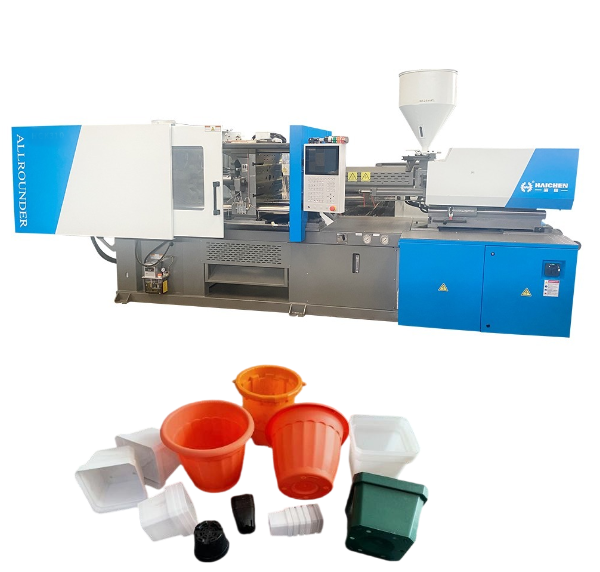
Lightweight and durable
Plastic flower pots are lightweight and easy to move and carry. That is especially useful when you need to rearrange plants or bring them indoors during bad weather.
Material selection
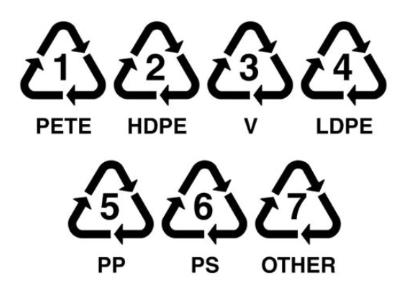
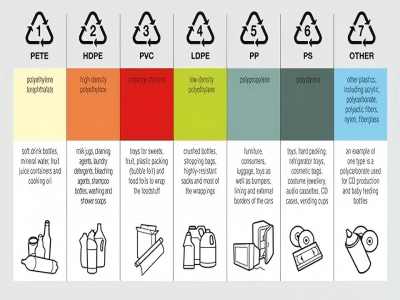
The material of plastic flower pots directly affects their portability and durability. For example, materials such as polypropylene (PP) and polyvinyl chloride (PVC) are widely used due to their lightweight, durability, and low cost.However, prolonged exposure to sunlight can cause plastic aging and affect its lifespan.
Therefore, choosing materials that are UV resistant and corrosion-resistant is the key to improving durability.
Structural design
The structural design of a flowerpot can also affect its balance between lightness and durability. For example, independent inner pot design, connecting buckle design, and screw fixing hole design can enhance the stability and durability of the flowerpot while maintaining lightness
In addition, a well-designed drainage system and irrigation system can also help extend the lifespan of flower pots.
Surface treatment
Surface treatment techniques can improve the performance of plastic flower pots. For example, using anti slip frosted layers, light shields, and other designs can prevent direct ultraviolet radiation, delay aging, and improve safety during use.
In addition, the design of surface breathability and drainage can also affect the growth environment of roots
At the same time, plastic flower pots are very durable. They can withstand all kinds of weather conditions. And they are not easy to break, and can used for many years.
Variety and beauty
Plastic flower pots are available in a variety of sizes, shapes, and colors, and can be selected according to gardening needs and aesthetic preferences. Some plastic flower pots imitate the appearance of other materials such as ceramic, wood, metal, etc., but the price is much lower than these materials.
The diversity of plastic flower pots is reflected in multiple dimensions such as shape, size, color, and functional design, meeting different scenarios and user needs:
Shape and structural innovation
Basic geometric shapes: including classic designs such as circles, squares, rectangles, hexagons, triangles, etc., suitable for different spatial layouts.
Special functional designs: such as wall mounted (vertical greening), suspended (aerial garden), water storage (reducing watering frequency), automatic irrigation (intelligent maintenance), etc.
Artistic design: relief sculptures, wavy patterns, imitation rattan textures, etc., enhance visual layering.
Comprehensive size coverage
From mini colorful small flower pots (diameter<10cm) to extra large deep and high pots (height>50cm), covering the full range of needs such as seedling pots, succulent pots, shrub pots, and tree pots.
Standardized size system: such as gradient design from 3.5 inches to 14 inches
It is convenient to match the growth stage of plants.
Environmental protection and sustainability
Although plastic flower pots are not biodegradable, many gardeners choose recyclable or reusable plastic flower pots to reduce the impact on the environment. In addition, using discarded plastic bottles to make flower pots is an effective way to reduce plastic waste.
Reduce plastic pollution
The production of plastic flower pots relies on petrochemical products, which can lead to increased carbon emissions and fossil fuel consumption. However, by using flower pots made from recycled plastic, the demand for new plastic can be reduced, thereby reducing the generation of plastic waste. For example, recycling plastic can reduce 2.27 tons of carbon dioxide emissions and collect 927 kilograms of plastic. In addition, the recycling process of plastic flower pots can reduce energy consumption, alleviate global warming, reduce marine pollution, and create employment opportunities .
Resource Reuse
Plastic flower pots can be processed from discarded plastic bottles, films, and other materials, reducing pollution and turning waste into treasure. This approach not only reduces the burden on the environment, but also promotes the recycling of resources. For example, by making plastic bottle caps into flower pots, the demand for new raw materials can be reduced.
Promoting sustainable development
The production of plastic flower pots can use recyclable or biodegradable materials to reduce their impact on the environment. For example, eco-friendly flower pots use agricultural waste, which is renewable, has low processing energy consumption, and can be decomposed into organic matter after disposal. As fertilizers, they have the advantages of environmental protection, economy, and durability [39]. In addition, the recycling and reuse of plastic flower pots can help promote the development of a circular economy.
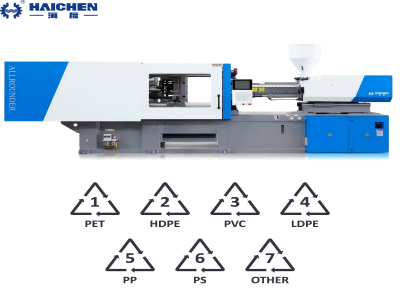
Haichen plastic flower pots injection molding machine
Haichen is one Chinese injection molding machine manufacturer in Ningbo. In addition, Haichen has more than ten years of rich experience in the production of plastic injection molding machines. All our servo energy saving injection molding machines quality are under CE safety standars certificate.
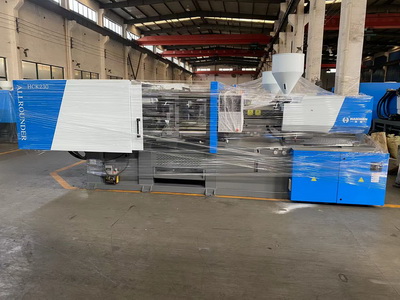
Plastic flower pots can be easily shaped into various shapes, sizes, and colors to achieve various creative designs. By using different plastic injection molding materials, masterbatch and moulds, Haichen plastic flower pots injection molding machines can produce various plastic flower pots. Whether you are looking for fashionable, modern design or rustic, traditional appearance, Haichen plastic flower pots injection molding machine can meet different styles and preferences demand.
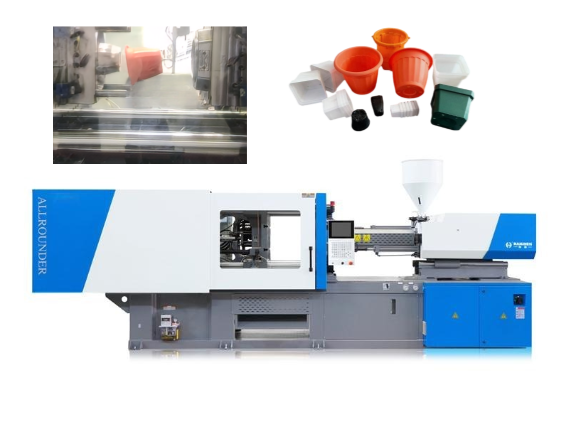
Haichen have rich experience of production plastic flower pots injection molding machine. So we can supply suitable and complete plastic flower pot production line as per client’s specific demand.