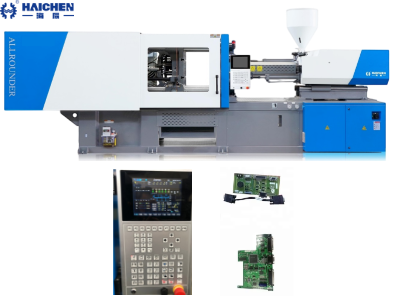
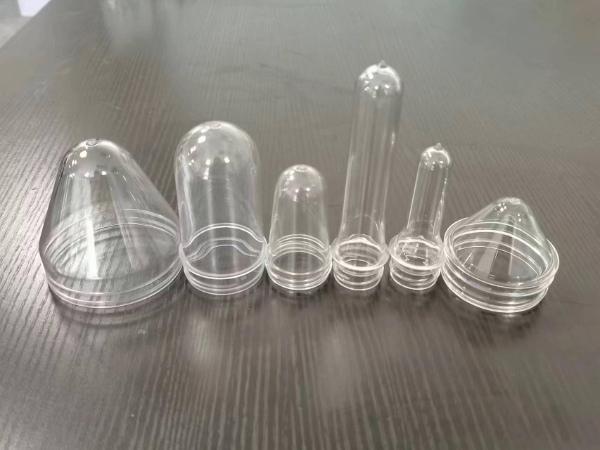
PET preform, full name Polyethylene Terephthalate preform, is a semi-finished product used to make PET plastic bottles. The preform is shaped like a test tube with a threaded neck finish. And can be easily transformed into a final bottle or container by blow molding.
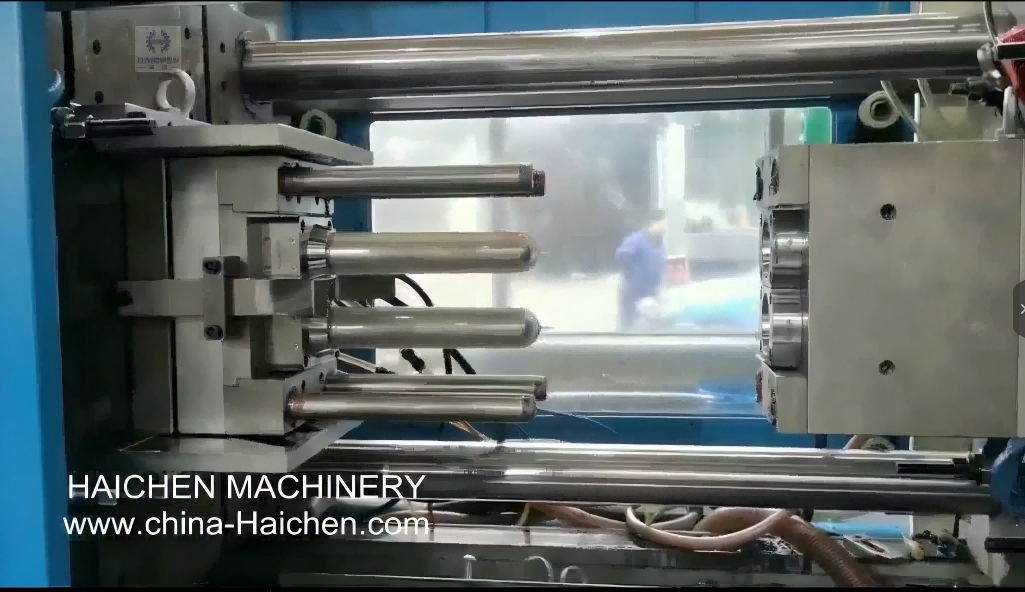
First, a PET preform is the initial molded form used to create PET bottle preforms through stretch blow molding. Typically, these plastic preforms are small, tube-shaped components with threaded necks, which are specifically designed to be heated and inflated into final bottle shapes.
So, what are preforms in practical terms? Essentially, they serve as the standardized “blanks” that enable efficient mass production of preform bottles for beverages, cosmetics, and household products. Moreover, their uniform design ensures consistent quality across high-volume manufacturing runs.
The manufacturing process of PET preforms
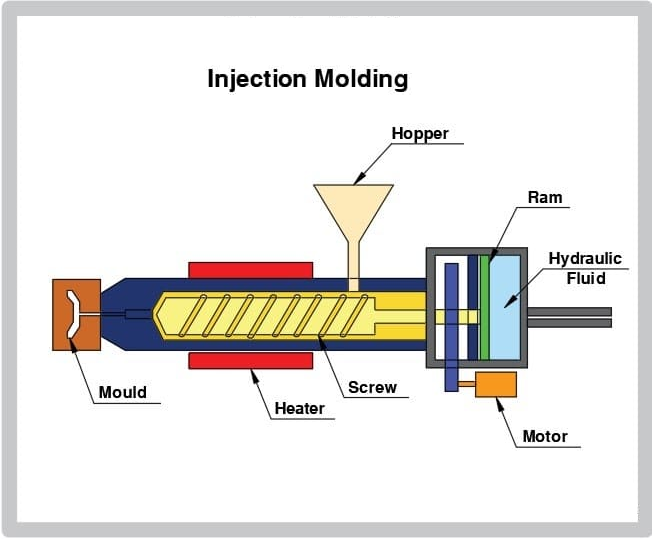
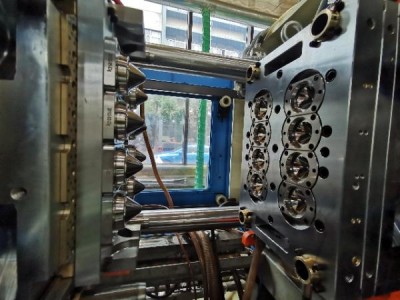
PET preforms are usually produced by injection molding, which is injecting molten PET plastic into a universal preform mold or a custom preform to form the desired shape. And then, after the preform is formed, it will be cooled. And then stored or transported for the next step in the manufacturing process. The following are the detailed production steps of PET preforms.
Raw material preparation:
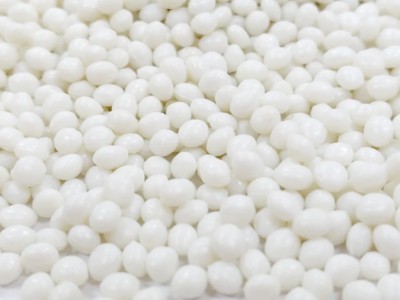
First, PET granules or chips need to be prepared, which are the raw materials of PET preforms.
Heating and melting:
PET granules are heated at high temperatures to melt them into a liquid state.
Injection molding:
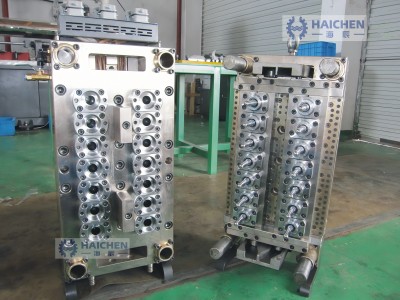
The molten PET is injected into the mold through an injection molding machine, and the shape of the mold determines the shape of the preform.
Cooling and solidification:
The PET injected into the mold solidifies and forms a preform during the cooling process.
Demolding:
The cooled preform is removed from the mold. At this time, the preform is a semi-finished product with a small bottle mouth.
Quality inspection:
The preform is quality inspected to ensure that its size, appearance and physical properties meet the standards.
Packaging and storage:
Qualified preforms will be packaged and ready to be sent to the blow molding plant for further processing.
Once the PET preform arrives at the bottling equipment, it is heated and then placed in the blow molding machine. The machine blows compressed air into the preform to expand it and then form the shape of the final bottle or container.
Characteristics of PET preforms
PET is a widely used synthetic polymer material. With its lightweight, transparency, chemical resistance, and recyclability, it occupies an important position in the packaging of various products such as beverages, food, cosmetics, and medicines.
Lightweight:
The density of PET material is low, about 1.38 g/cm³, which means that PET preforms are very light, easy to transport and carry, and also reduce logistics costs.
High transparency:
PET preforms have good transparency, which allows consumers to intuitively see the contents of the bottle, increasing the attractiveness of the product.
Chemical resistance:
PET material has good resistance to a variety of chemicals, so it is suitable for packaging various liquids, including acidic or alkaline beverages.
Cost-effectiveness:
Compared with other materials, the production cost of PET bottle blanks is relatively low, and the economic benefits are significant, which makes PET bottles the preferred packaging material for many products.
Application of PET preforms
The advantages of PET preforms are that they can be produced in large quantities, are highly efficient to store, and take up less space than blow-molded bottles. This makes them convenient to transport and store before further processing.
After blow molding, PET preforms can be made into PET bottles of various shapes and sizes, which are widely used in the packaging industry.
- Beverage bottles (mineral water, carbonated drinks, juice)
- Food containers (edible oil, condiments, sauces)
- Care products (shampoo, shower gel, lotion)
- Pharmaceutical packaging (oral liquid, syrup, eye drops)
- Industrial chemicals (cleaners, car care products)
The manufacturing process of PET preforms is a complex and sophisticated industrial process, which is achieved through reasonable process design and strict quality control.
The weight of PET preforms ranges from 10 grams to 750 grams, which will depend on the type of container.For instance, the larger, heavier, and thicker the container, the more material the PET preform needs to contain and the larger the size.
PET preforms can meet the high requirements of the modern packaging industry for lightweight, transparency, chemical resistance, and recyclability. Through continuous improvement of production technology and material performance. In conclusion, PET preforms will continue to play an important role in the packaging industry.
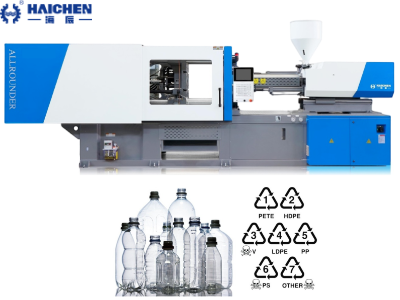
Haichen PET preform injection molding machine manufacturer
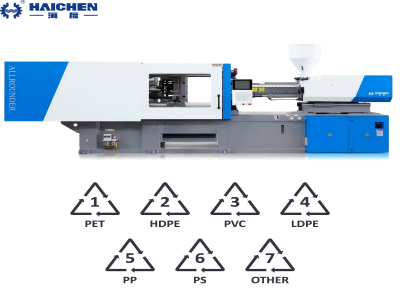
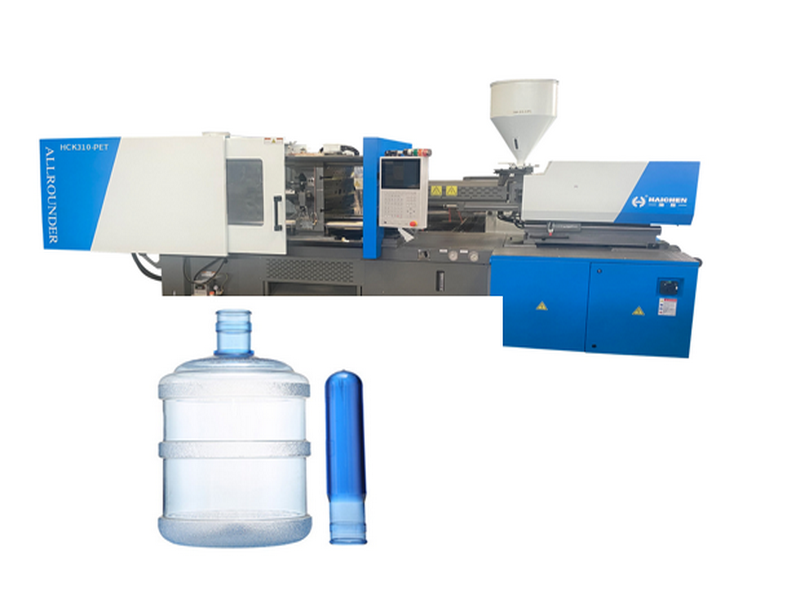
HAICHEN is a leading manufacturer specializing in PET preform production machines.
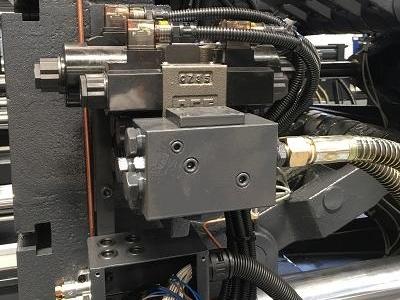
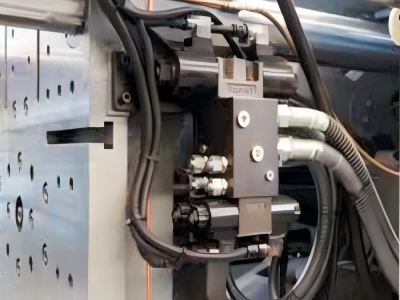
Our advanced equipment in order to produce high-quality PET preforms with precision and efficiency. By utilizing state-of-the-art technology, HAICHEN’s machines ensure consistent quality, accurate dimensions, and optimal performance for PET preforms.
Whether for beverage bottles or other packaging applications, HAICHEN’s PET preform manufacturing solutions offer reliability, versatility, and enhanced productivity.
Haichen pet injection molding machine is suitable for pet preforms, welcome to contact us for information in detail.
Key characteristics of PET preforms include:
- Material: Food-grade polyethylene terephthalate (PET) resin
- Design: Uniform wall thickness for even expansion
- Compatibility: Works with most plastic bottle preform manufacturing systems
At HAICHEN, our PET preforms injection molding machines ensure high precision and energy efficiency for producing these essential components—critical for brands requiring consistent, high-quality packaging solutions.