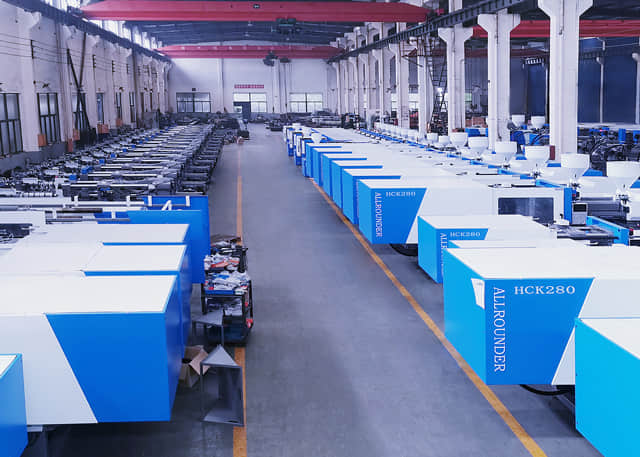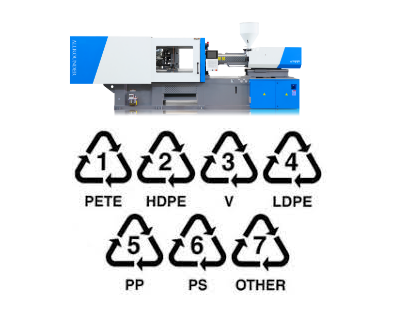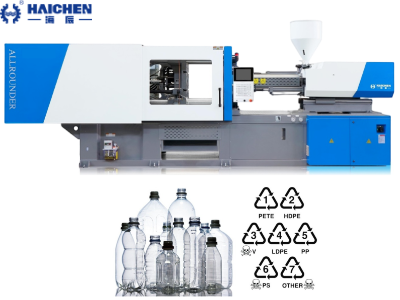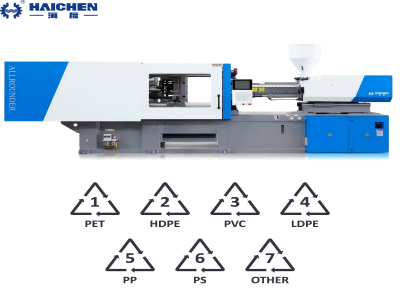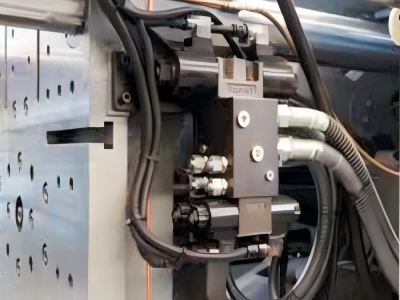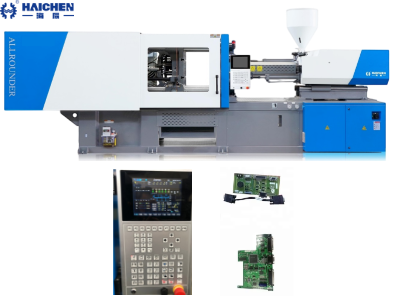
A two platen injection molding machine uses two parallel platens or frames to hold the mold during the injection process.
Two-platen injection molding machines are industrial equipment for manufacturing plastic products by injecting molten material into a mold.
Unlike traditional three-platen machines, it only uses two core templates – a fixed “head plate” and a movable “tail plate” to fix the mold.
This design makes the machine structure simpler, not only saving factory space, but also reducing energy consumption. It is particularly suitable for the production of complex parts such as car bumpers and large industrial containers.
Below we will specifically introduce its working principle, core components, actual application scenarios, and the latest technology upgrade direction.
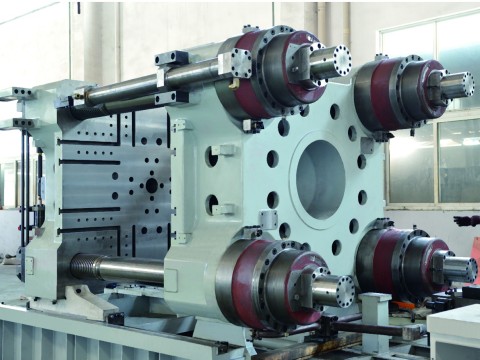
Understanding the Two Platen Injection Molding Machine
The double-plate injection molding machine completes the injection molding process by fixing the mold with two solid templates. Compared with the traditional three-plate design, this structure is more stable in operation, can accurately control the clamping force, and improve production efficiency.
Its advantages are specifically manifested in three aspects:
- Stronger mold adaptability: It can accommodate larger molds and support higher clamping pressure (for example, the 1600-ton model is 1.2 meters shorter than the three-plate type, saving space while increasing load capacity);
- More convenient operation: The mold adjustment process is simplified (no manual adjustment of the crank mechanism is required), and the space around the equipment is more abundant, which is convenient for maintenance personnel to operate;
- Improved precision and efficiency: The clamping force is directly controlled by the computer, reducing dimensional errors and energy consumption, which is especially suitable for precision injection molding needs such as automotive parts.
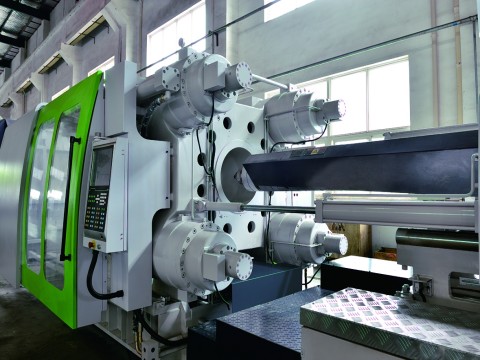
Benefits of Two Platen Injection Molding Machines
Two-platen injection molding machines can bring multiple practical advantages to your production line:
Save valuable space
The overall length of this type of equipment is about 20%-30% shorter than traditional models, which is especially suitable for companies with limited plant space. The compact layout allows you to plan your workshop more flexibly and free up more operating area.
Powerful and controllable clamping force
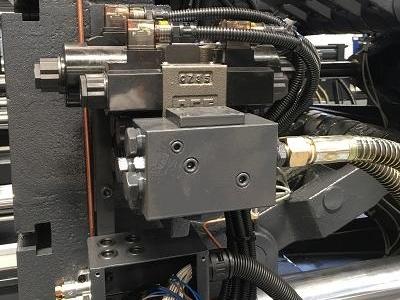
The unique hydraulic system can stably output high-tonnage clamping force, even for large automotive parts or complex industrial parts, to ensure that every detail is accurately molded. Through real-time monitoring by sensors, it can also automatically fine-tune the clamping force to avoid mold damage and ensure product dimensional consistency.
Easier operation and maintenance
The open mold area design allows operators to easily reach out when replacing parts or repairing equipment. With the humanized rotating hanging box and anti-touch design, daily operations such as debugging molds and cleaning residual materials become more time-saving and labor-saving.
Significantly reduced energy costs
The optimized servo hydraulic system supplies energy on demand, which can reduce electricity consumption by more than 56% compared with traditional models. With efficient cooling technology, you will see real savings in electricity bills in long-term operation.
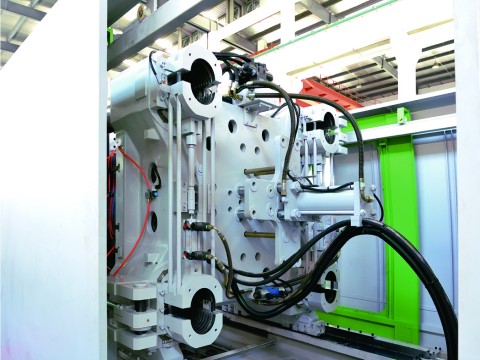
Key Features of Two-Platen Injection Molding Machines
This equipment simplifies the middle template structure of the traditional three-platen machine, which not only reduces the weight of the equipment and production costs, but also helps you save more electricity in daily operation. At the same time, it can still provide stable mold clamping force to ensure the molding accuracy of large injection molded parts.
This type of equipment performs well in the production of large-size products such as automotive parts. Its simplified structure brings two practical benefits: one is that daily maintenance is less troublesome, and the other is that mold replacement is more efficient. When you need to adjust the equipment, the difference between the two-platen machine and the three-platen machine is mainly reflected in that the two-platen machine provides the clamping force through direct pressure from the cylinder, while the three-platen machine relies on the crankshaft mechanism to transmit power. This design difference directly affects the operating efficiency and space occupancy of the equipment.
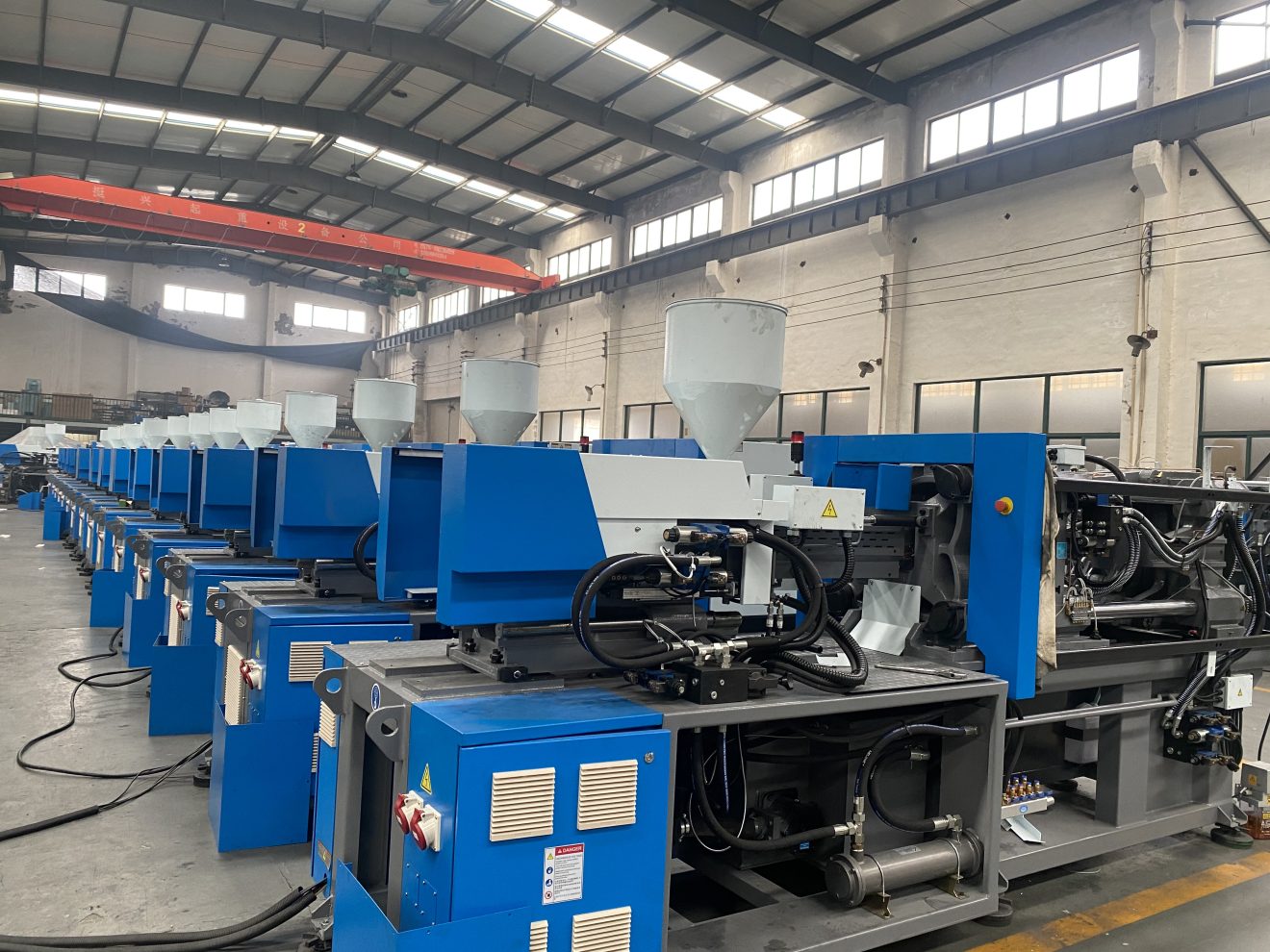
Applications of Two Platen Injection Molding Machines
Two-platen injection molding machines play an important role in many industrial fields, especially in automobile manufacturing for the production of key components such as bumpers, dashboards and center consoles.
This type of equipment is also suitable for the home appliance industry, and can efficiently manufacture TV housings, laptop computer parts and small appliance housings.
Common sanitation trash cans, plastic pallets and industrial containers in daily life are also often formed by two-platen machines.
In terms of material application, it can process common plastics such as polypropylene (PP), acrylonitrile-butadiene-styrene copolymer (ABS) and polyethylene (PE).
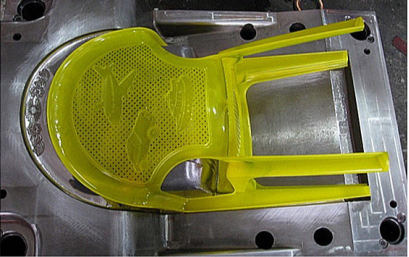
Haichen ‘s Innovation in two platen injection molding machine Technology
Haichen Machinery’s innovation in the field of double-platen injection molding technology has always been based on improving production efficiency and product quality as the core goal.
This series of equipment uses advanced control systems, high clamping force and energy-saving components, and significantly optimizes equipment performance through precise hydraulic servo systems and intelligent temperature control technology (±0.5°C accuracy).
Manufacturers can rely on Haichen’s mature technology accumulation to effectively increase production capacity and simplify operating processes, thereby achieving more stable output quality in plastic molding applications.
As an efficient and adaptable equipment, the double-platen injection molding machine has two major advantages:
- Fast production cycle: shorten molding time through linear guides and synchronous braking systems;
- Convenient mold replacement: The ultra-large mold transfer stroke design (special for deep-cavity products) supports frequent mold changes.
Understanding its working principles (such as dual closed-loop hydraulic control) and characteristics (such as ±0.2mm mold opening repeatability) can help manufacturers further optimize production processes.
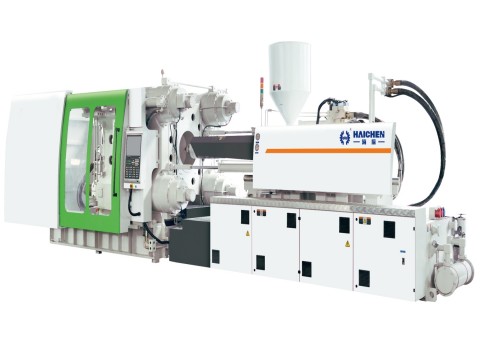
How Does a Injection Molding Machine Work?
A two-platen injection molding machine operates through a streamlined dual-platen design. Unlike traditional three-platen machines, its structure directly links the moving platen to the injection unit via high-precision tie bars.
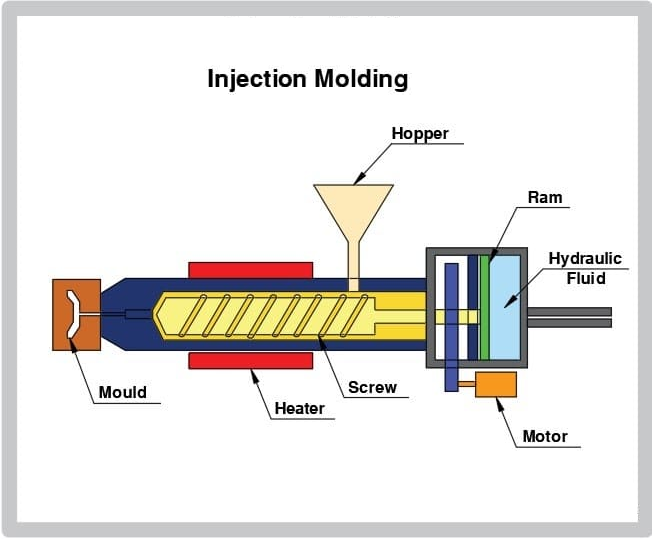
During production, the machine first uses hydraulic pressure to clamp the mold securely with the movable platen. Simultaneously, the injection screw feeds molten material into the mold cavity.
For example, Haichen’s models integrate intelligent pressure compensation to maintain uniform clamping force distribution. This precision is essential when manufacturing large automotive parts or thin-wall packaging requiring micron-level accuracy.
Two-Platen vs. Three Platen Machines: Key Differences
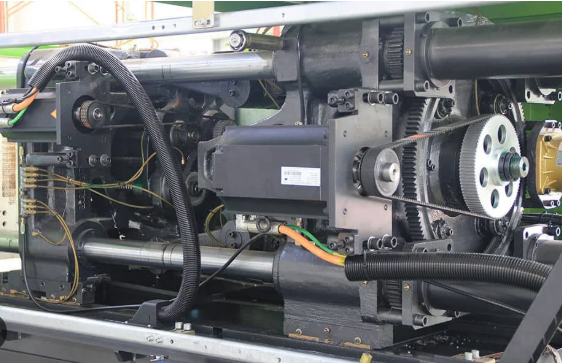
When choosing a two-platen injection molding machine, the first thing manufacturers feel is the improvement in space efficiency: due to the streamlined middle template structure, the overall length of the equipment is shortened by 30-40%. For companies with limited plant area (such as urban industrial areas or compact workshops), this design allows Haitian two-platen machines to free up more floor space at the same clamping tonnage, facilitating flexible layout of production lines.
Energy consumption control is another practical advantage. The two-platen machine reduces the power consumption of the hydraulic system by up to 25% by shortening the hydraulic oil circuit and optimizing the power transmission path. Based on 20 hours of continuous production per day, the annual electricity bill savings of a single device can reach tens of thousands of yuan, which is crucial to controlling the cost of large-scale production.
In terms of maintenance and precision, the direct pressure clamping mechanism of the two-platen machine avoids the crankshaft wear problem of the three-platen machine, and cooperates with the computer to monitor the clamping force in real time (the error automatic correction accuracy is ±0.03mm), which not only prolongs the mold life, but also reduces the scrap rate caused by clamping deviation.
Adaptable scenarios that require attention:
- Three-platen machines are still cost-effective in high-speed injection molding of small parts
- Two-platen machines are preferre for deep-cavity products (such as trash cans and car bumpers) because their mold opening stroke is more than 50% longer than that of three-platen machines
- High requirements for hydraulic oil cleanliness, and the maintenance of the filtration system needs to be strengthen
Maintenance Advantages of 2 Platen Technology
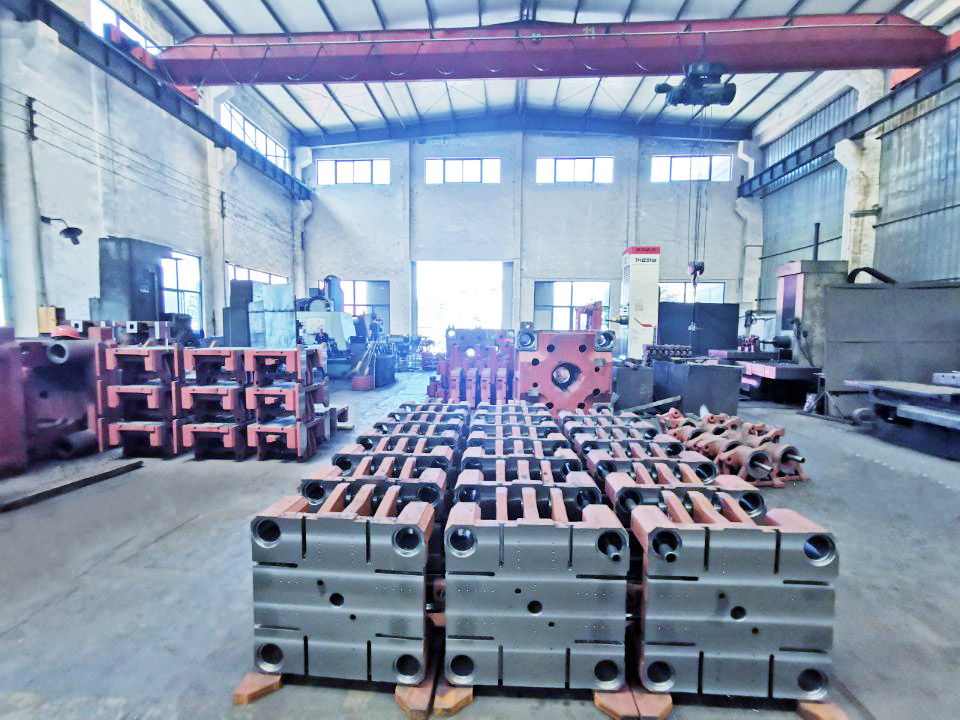
Haichen’s two-platen injection molding machine has significant advantages in maintenance. Compared with traditional equipment, its design greatly simplifies the daily maintenance process. By reducing the number of moving parts by 60% and optimizing the layout design of lubrication points, our equipment can extend the maintenance cycle by 20%.
This modular structural design makes it easier to replace key wearing parts (such as guide sleeves and seals) – the operation can complete quickly without disassembling the entire machine.
For production scenarios where molds need to change frequently, the automatic plate parallelism calibration system equipped with the equipment performs particularly well. Even after 500,000 cycles, the system can still ensure that the plate offset is stably controlle within 0.01mm, which not only ensures the consistency of part quality, but also effectively shortens downtime.