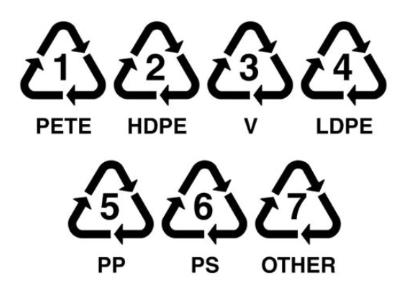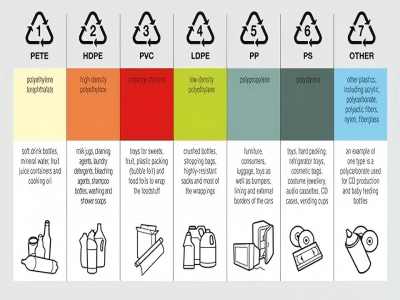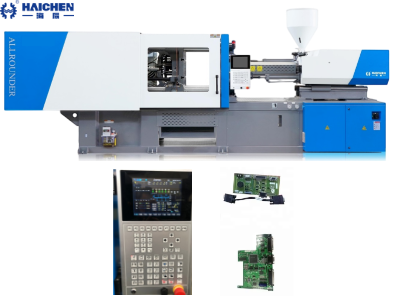
Molding entails filling a defined cavity with a liquid mass of plastic or some other material under pressure, allowing complete material flow, and subsequently cooling it to obtain a solid part, which is called Injection molding.
Over the years, this technology has carved a niche for itself in the mass production of plastic components, and its application has also been extended to metals, glasses, rubber, and even certain types of confectionery products.
The ability to reduce production costs, control the production cycle in a precise manner, and improve overall efficiency makes this technology indispensable for manufacturers in the automotive, consumer electronics, medical, and packaging industries.
This article will go over a systematic analysis of the principles and advantages of injection molding and provide case studies on its application.
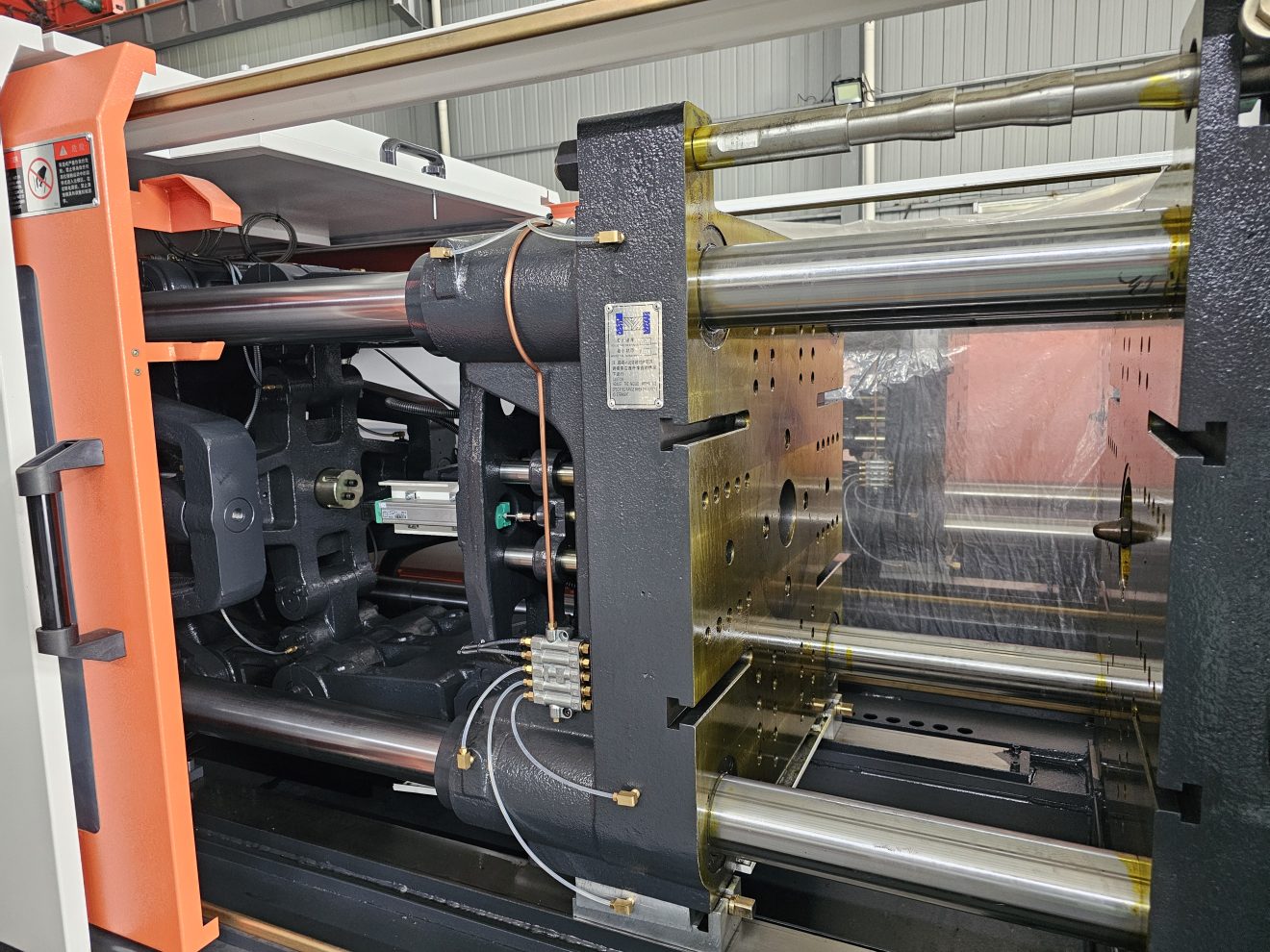
Definition and Core Principles
Injection molding is an efficient manufacturing procedure involving the high-pressure injection of molten materials, most often thermoplastics, into a precisely shaped mold cavity where it cools and solidifies into the desired shape.
It continues to be the preferred method for mass production as it can produce complex parts with micron-level accuracy (0.005–0.01 mm) and unparalleled repeatability.
“Injection” concerns filling (with molten material), whereas “molding” pertains to shaping, illustrating a rapid transformation from raw pellets to finished production.
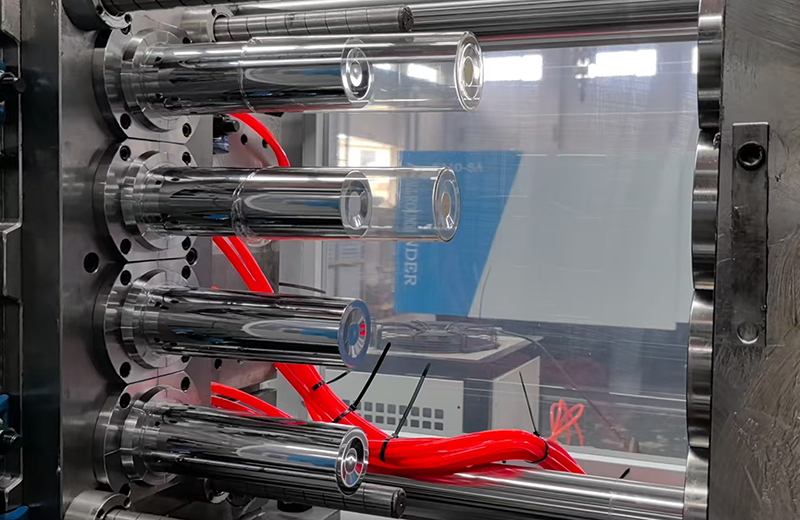
Injection molding manufacturing process
- Material Preparation
- Melting of Injection molding
- Injection
- Cooling
- Ejection
- Post-Processing
- Quality Control of Injection molding
- Recycling
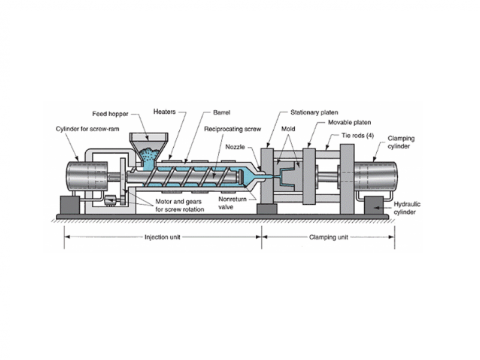
Material Preparation
- Material Selection: Thermoplastics, thermosetting polymers, and elastomers can be process as pellets or granules, therefore, material selection is the first step.
- Drying: Some materials will require drying to remove moisture, while others will need it to achieve the desired quality of the final product.
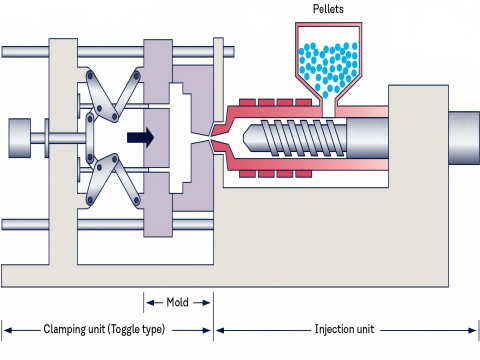
Melting of Injection molding
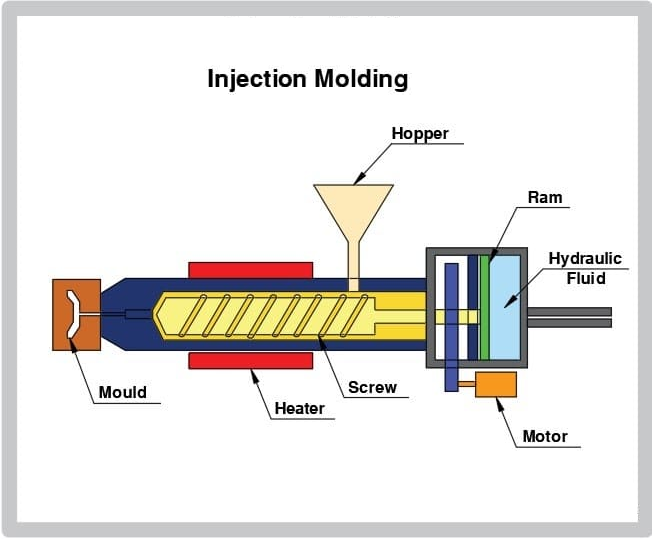
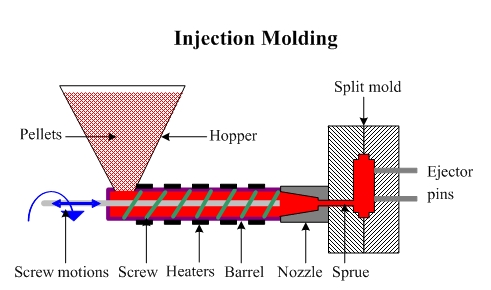
- Hopper: A hopper stores the materials and dispenses it to an injection molding machine.
- Heaters: These consist of barrels that must be kept at the appropriate temperature to allow for heating of the material, allowing smooth and uniform flow.
Injection
- Injection Unit: A reciprocating screw or ram injector forces the molten material into a mold cavity. The mold is held under high pressure to keep it closed.
- Pressure and Speed: Quality for the end product is influence by both injection pressure and speed. These parameters are to be counterbalance considering the material and the part design.
Cooling
- Cooling Time: Once the mold cavity is filled, the material is allowed to cool and solidify. Cooling time can vary depending on the material and the thickness of the part.
- Cooling System: The mold typically has a cooling system, such as water channels, to facilitate uniform cooling.
Ejection
- Mold Opening: The mold opens after the material solidifies.
- Ejection Mechanism: The part is removed from the mold using ejector pins or plates. The ejection mechanism is designed to ensure no harm is done to the part.
Post-Processing
- Trimming: Trimming the material.
- Surface Finishing: Beyond the primary processes, additional coatings or painting can be done for an enhanced finish.
- Assembly: Put together the numerous parts.
Quality Control of Injection molding
- Inspection: Check each component carefully for defects including voids, warping, or any surface irregularities.
- Testing: Parts will be evaluated through different tests to validate compliance with established nominal values and functional expectations.
Recycling
- Reprocessing: In the context of injection molding, this defines the process of reclaiming and regrinding excess and defective parts. Thus, injection molding is a relatively sustainable method of manufacturing.
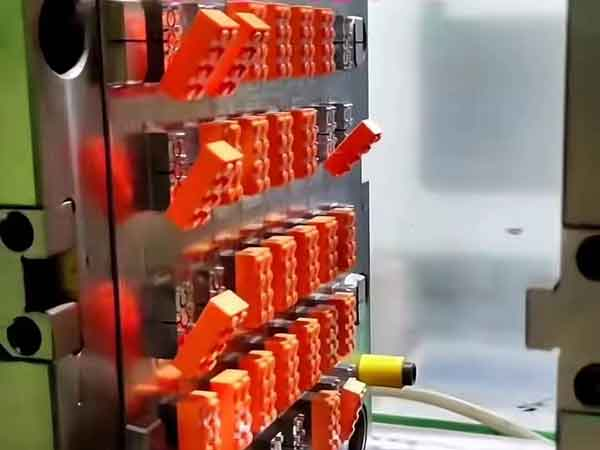
Key Advantages of Injection Molding
- Increased Productivity: Injection molding is an efficient process which can achieve high volumes of parts production within a short lead time.
- Repeatability: The process offers high repeatability, assuring consistent quality throughout large production runs.
- Advanced Geometries: Unlike other manufacturing techniques, injection molding can produce detailed intricate parts quickly and easily.
- Wide Selection of Materials: The process allows use of different materials, providing a wide range of characteristics and properties for each part.
- Reduced Waste: The amount of waste generated, in comparison to machining, is significantly lower.
Injection molding is a flexible and effective manufacturing process, enabling the production of quality plastic parts.
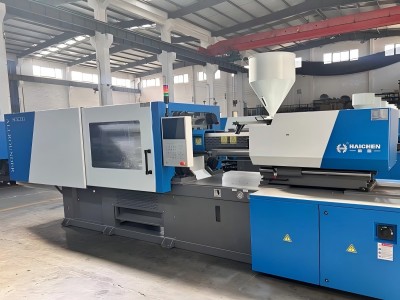
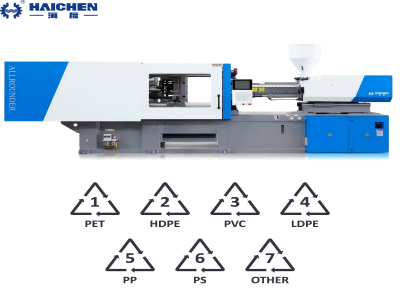
Haichen injection molding machine supplier
Haichen, is a leading supplier of injection molding machines specialized in the efficient and high-quality production of plastic parts.
Reliability and precision are some of the hallmarks of our machines. Moreover, customization is provided to meet particular buyer needs such as special design configurations and additional features.
Please feel free to contact us if there are any inquiries. We will offer recommendations to suit your needs with our two series machines, K and E series machines.
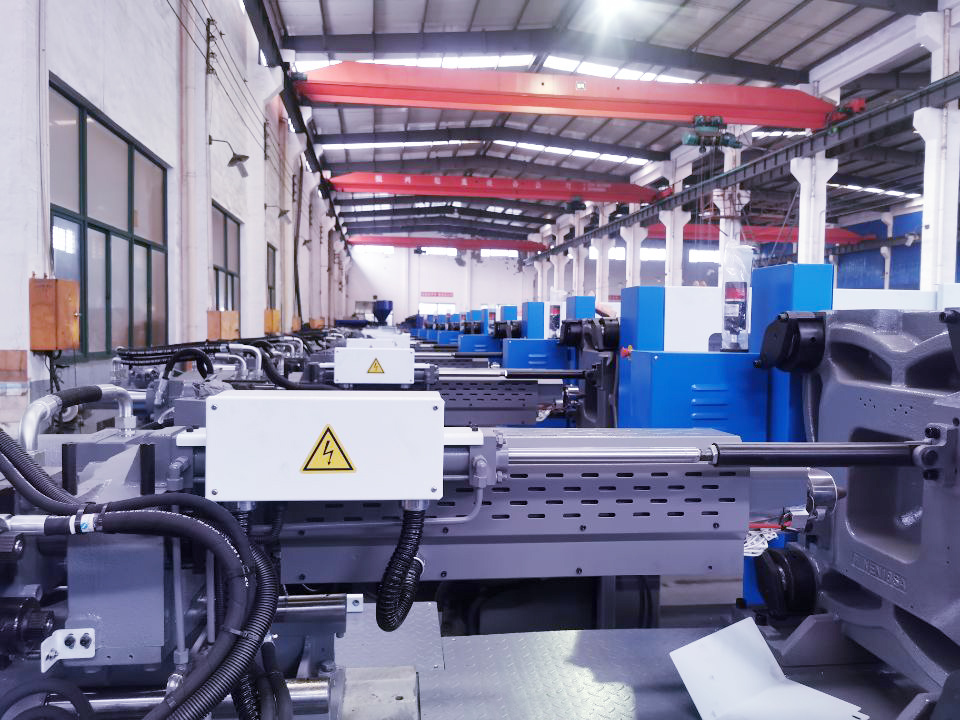
The capabilities and numerous advantages, such as high production efficiency, precision, design flexibility, a variety of materials, cost efficiency, make injection molding a versatile and efficient manufacturing process. Understanding the fundamentals of injection molding and its vast applications will enable manufacturers to produce high-quality parts to meet the demands of a variety of industries.