The production process of plastic crates involves designing, selecting materials, and using injection molding to create crates.
Plastic turnover boxes, also known as plastic storage containers or crates, are widely used in various industries due to their durability, versatility and cost-effectiveness. Plastic crates play a vital role in streamlining logistics and optimizing storage systems. Have you ever wondered how these practical and useful plastic turnover boxes are made? In this article, we’ll take an in-depth look at the manufacturing process of plastic turnover boxes.

The production process of plastic crates
Material selection
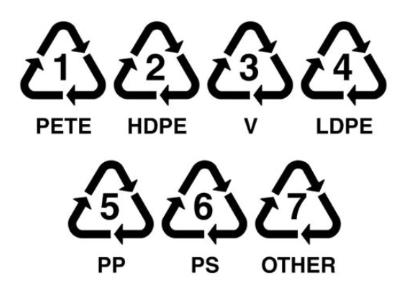
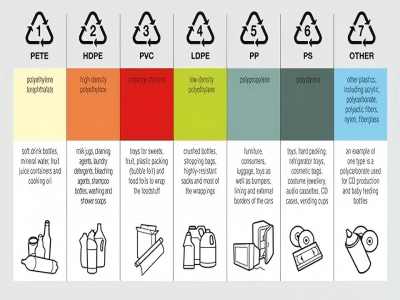
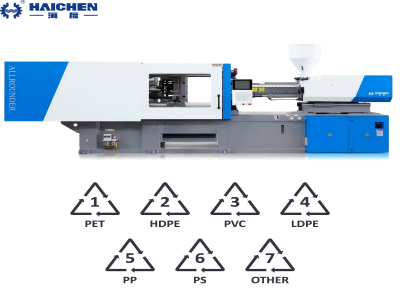
The manufacturing process begins with careful selection of the appropriate plastic material. Plastic turnover boxes are mainly made of high-density polyethylene (HDPE) or polypropylene (PP). Polyethylene has high impact strength and very low UV radiation degradation, while polypropylene has better scratch resistance. To improve the performance of both materials, antioxidants and UV protectants can be added.
Injection molding
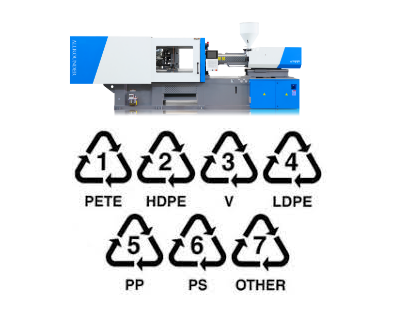
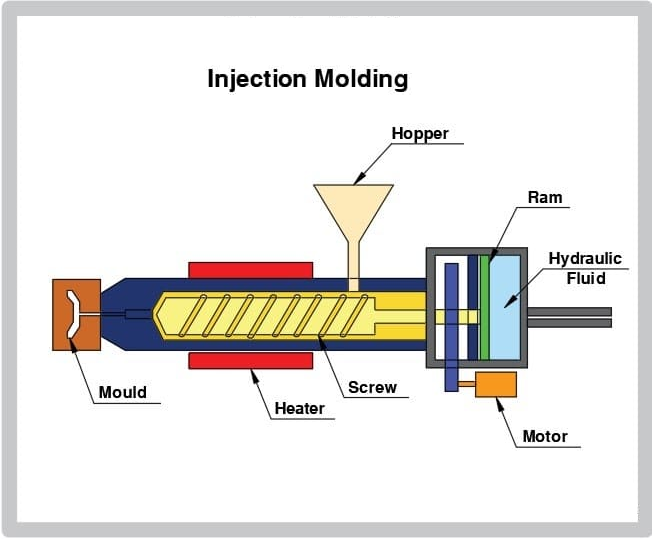
Injection molding is the main manufacturing technology used to produce plastic turnover boxes. The process begins by preparing plastic pellets, which are then melted and injected into the mold cavity under high pressure. The mold is designed to have the desired shape and size of the plastic box. Once the molten plastic cools and solidifies, the mold opens and the plastic part is ejected. This method ensures precision and consistency in the production of plastic crates.
Mold
In order to make the shape required by the customer, there is a mold designed according to the specific shape. Usually it consists of two parts or halves with similar characteristics. One does have the ability to move, or it remains stationary while another part of the mold can move. Once formed, the other half can be moved, so the product can be released from the mold in its unjointed form. The mold contains one or more openings or channels, which are used to introduce plastic into the mold, expel air, and allow some plastic to flow out of the mold.
Injection molding machine selection case analysis
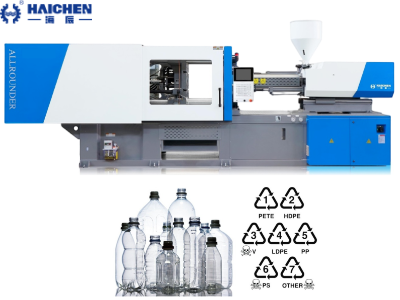
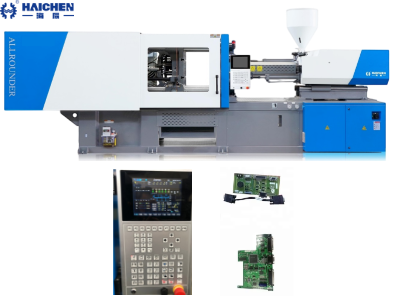
Take the 1600g fruit and vegetable box as an example. Its outer ring size is 610*420*260mm. When choosing an injection molding machine, please note that the actual injection volume must be greater than 2000g, and the inner spacing of the tie rods must not be less than 625*435mm. Therefore, you can choose the Haichen HCS series 550-ton injection molding machine. At the same time, it is best to equip with customized molds and corresponding models of chillers, dryers, feeders, pulverizers and color mixers.
Every step in the manufacturing of plastic turnover boxes requires precision and attention to detail, so as to ensure the production of high-quality and durable plastic boxes. With their versatile applications and sturdy structures, plastic turnover boxes continue to play a vital role in various industries, promoting efficient warehousing and logistics management.