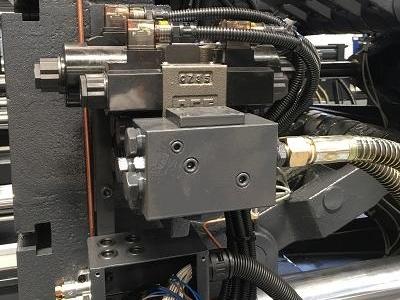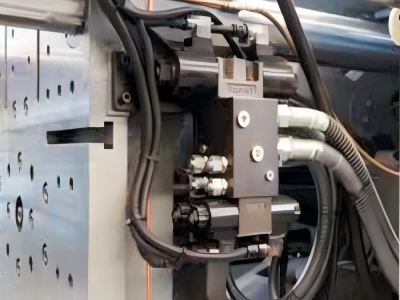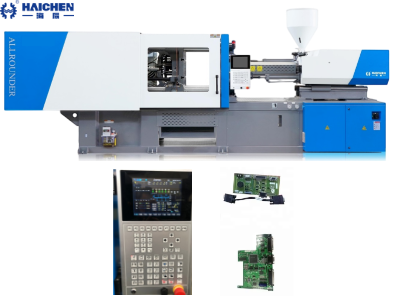
Mini plastic machine cost range approximately from 10,000 CNY and 500,000 CNY. It depends on the function, scale and applicable scenario of the device.
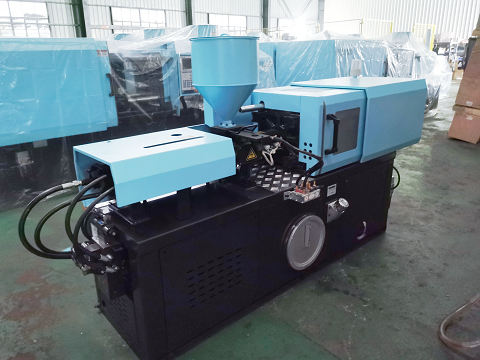
What is the mini plastic machine? Mini plastic machine is a kind of plastic injection molding equipment. It designes for the production of small plastic products, mainly used in small-scale industrial and laboratory environments.
The cost of mini plastic machine varies depending on many factors including brand, model, specification, production capacity, technical level, etc. Below are details:
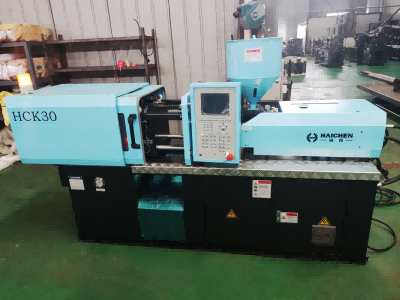
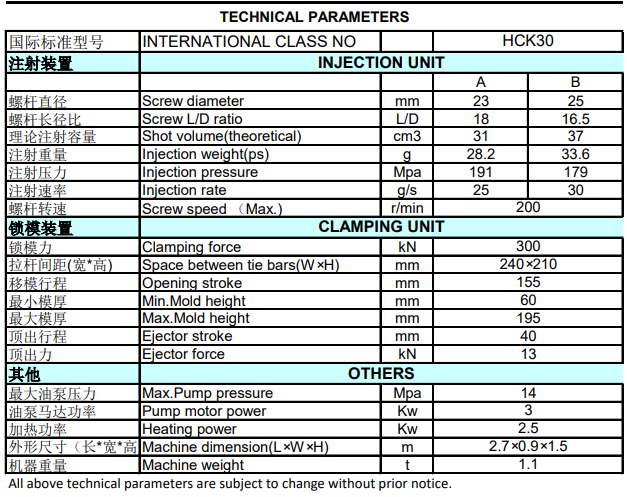
Mini plastic machine parameters
The price of a mini injection molding machine is closely related to its performance parameters, such as clamping force, injection volume, and mold area. These parameters are usually proportional to the linear relationship of the machine, that is, the higher the performance, the higher the price.
The parameter settings of micro injection molding machines need to be optimized according to material properties, part design, and molding goals. Common key parameters include melt temperature, mold temperature, injection speed, injection pressure, holding time, and cooling time. The reasonable configuration of these parameters can significantly improve the molding quality and production efficiency of micro parts.
Clamping Force
The clamping force of a microprocessor typically ranges from 1.5 to 3 tons (such as the 3T model), significantly lower than that of industrial-grade equipment (which can reach up to 260 tons). The clamping force should be calculated based on the projected area of the part, with a typical standard of 2 tons/square inch (approximately 31 meganewtons/square meter), but part depth should also be considered.
Injection Volume/Weight
Theoretical shot volume: 30-50 cm³, with industrial-grade equipment reaching up to 1155 cm³.
Actual shot weight (using PS as an example): 30-50 grams. The test material (e.g., “GPPS”) must be specified in the technical documentation.
Injection Pressure
Microprocessors do not provide a specific value, but industrial-grade equipment can reach up to 211 MPa. Injection pressure is directly correlated with material flowability and mold complexity.
Injection Rate
Microprocessors: 80 g/s. Thin-walled parts require higher speeds to ensure complete filling. Industrial grade: 237~384 cm³/s
Mini plastic machine technology type
The technology type of the injection molding machine (such as all-electric, all-hydraulic, or oil-electric composite) will also affect the price. All-electric injection molding machines are usually more expensive due to their high performance, energy saving and environmental protection, while traditional hydraulic injection molding machines are relatively cheap.
Technologies own advantages
They are known for as the high precision and ability to produce complex shapes, while micro compression molding is characterized by its low cost and easy operation. Depending on the specific needs, you can choose the appropriate type of technology for production.
Technical Features
- Designed specifically for the production of ultra-small plastic parts, typically weighing 0.1-1 gram, with feature sizes less than 2 microns and wall thicknesses as low as 0.1 mm (0.004 inches).
- Using high-precision molds (such as EDM or CNC-machined micro molds) and a dedicated injection unit, we ensure dimensional accuracy of 0.01 mm and weight accuracy of 0.001 gram.
- Supported materials include polymers such as LCP, COC, and PEEK, making them suitable for medical, optical, and electronic components.
High-Precision Computer Control Technology
Technical Features
Integrated computer control system (such as the EMPC-9000) supports engineering data storage, high-speed response, and stable operation.
Low-inertia technology (separate plasticizing and clamping units) improves precision and reduces energy consumption.
Manufacturing cost of mini plastic machine
Manufacturing cost is one of the important factors that determine the price of injection molding machines. Key components of high-end injection molding machines, such as screws and servo motors, often need to be imported, resulting in increased manufacturing costs, which in turn pushes up the final selling price.
Equipment Size and Technology
- Entry-level machines (such as a 50-ton injection molding machine) cost approximately 150,000 RMB, while mid-size machines (100-500 tons) can cost hundreds of thousands to millions of RMB. Fully automated large-scale equipment is even more expensive.
- Energy-saving technologies (such as fully electric injection molding machines) can reduce energy consumption by 20-60%, but they require a higher initial investment.
Additional Costs
Molds
Aluminum molds cost $5,000-20,000 RMB, steel molds cost $50,000-250,000 RMB; simple molds cost approximately 20,000-50,000 RMB.
Operating Costs
- Machine Hourly Cost: $50-100 USD/hour, cost per unit approximately $0.42-0.83 USD (based on a 30-second cycle).
- Energy Cost: For example, if an injection molding machine consumes 10 kWh/hour, the energy cost per unit is approximately $0.3 USD.
Depreciation and Maintenance
Equipment depreciation is amortized over the years (e.g., a $150,000 machine would have $13,500 in annual depreciation).
Annual maintenance costs plus depreciation are amortized to the unit cost (e.g., $0.06 per unit). Raw Materials and Mass Production Benefits
Raw Material Costs: PP/ABS, approximately $1-5/kg; PEEK, etc., up to $100/kg.
Scale Benefits: With a mass production of 100,000 units or more, the unit cost can be reduced to less than $1.
Energy consumption and efficiency
The energy consumption and efficiency of the injection molding machine are also factors that affect the price. Energy-efficient injection molding machines are usually more expensive, but they can reduce operating costs in the long run.
Energy Consumption Difference
- All-Electric:Hourly Energy Consumption 6 (Medium-Sized)
- Energy Consumption as Low as 1.4 kWh (e.g., Sumitomo IntElect S Series)
- 30–70% More Energy Efficient than Hydraulic Presses
Servo Drive System
40% More Energy Efficient than Variable Displacement Pumps, 70% More Energy Efficient than Fixed Displacement Pumps.
Material cost
The cost of the materials
The cost of the materials used in the injection molding machine will also affect its price. For example, parts made of high-performance materials will increase the manufacturing cost, thereby increasing the selling price of the equipment.
The cost structure of plastic manufacturing
It includes material costs, equipment investment, and processing fees. In terms of material costs, common engineering-grade plastics cost approximately 1-2 yuan per piece, while plastic parts made of ABS material cost between 50-70 yuan per piece, and parts made of PC material are even more expensive.
The cost per part of injection molding depends on material cost
production scale, mold manufacturing costs, cycle time, and machine operating costs. Material selection is a key factor, and the prices of thermoplastics and other materials vary significantly.
Plastic prices fluctuate with oil prices, and the prices of different materials (such as ABS, PP, and PVC) vary significantly.
The cost of a mini injection molding machine is affected by many factors, including performance parameters, technology type, specificity and versatility, manufacturing cost, market competition, energy consumption and efficiency, additional functions and material cost, etc. These factors together determine the final selling price of the injection molding machine.
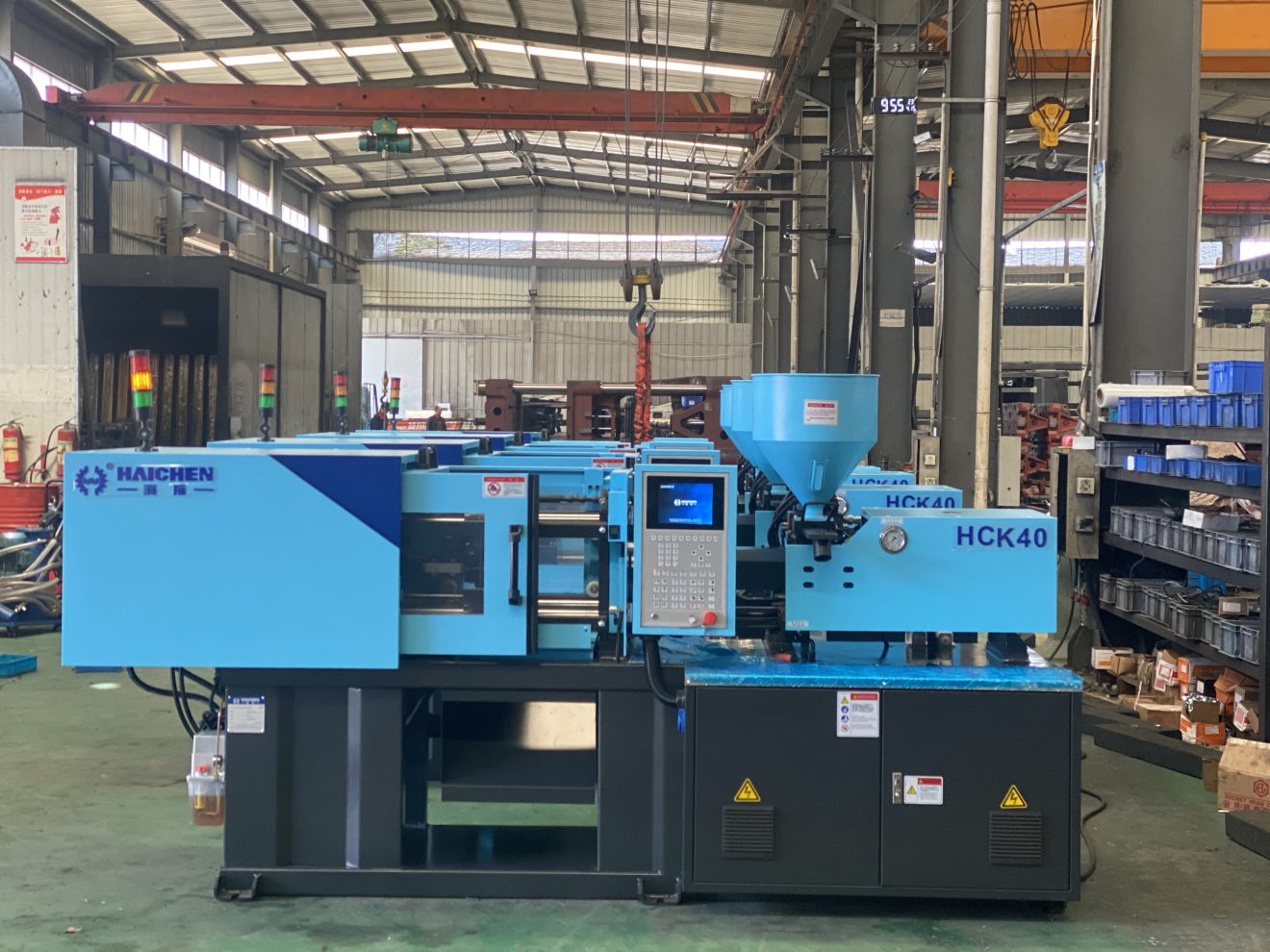
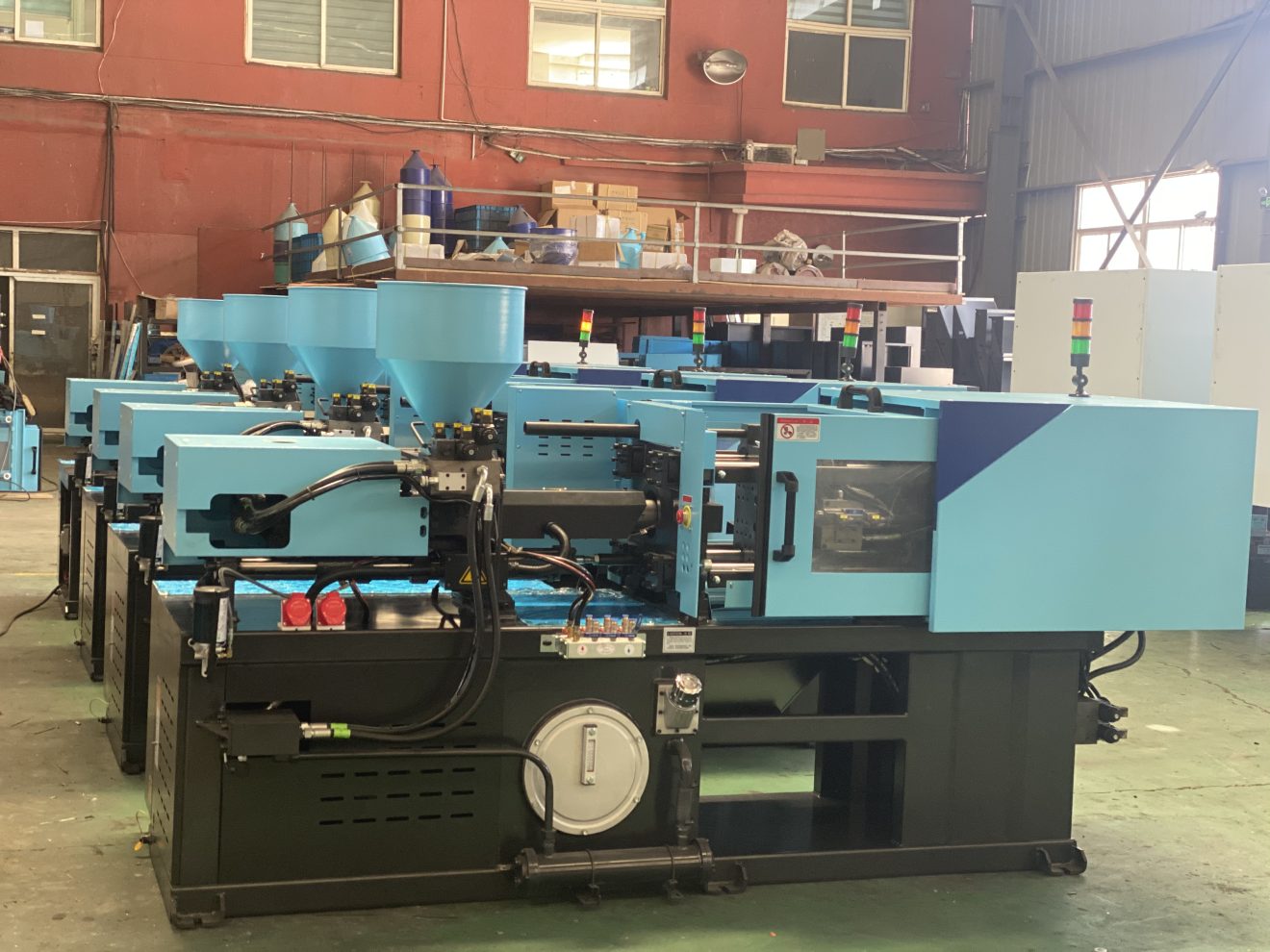
Haichen injection molding machine
Haichen is one Chinese injection molding machine manufacturer. Our servo energy saving injection molding machines quality under CE safety standards certificated.
Haichen have rich experience of producing mini small injection molding machine , with mini machine range from 30ton-100ton. We can supply most suitable machine tonnage as per customer’s specific production demand.
Consider the above you can choose a suitable small plastic injection molding machine to ensure product quality and production efficiency.