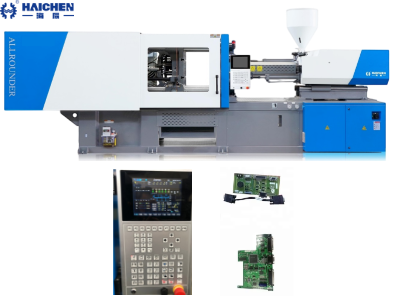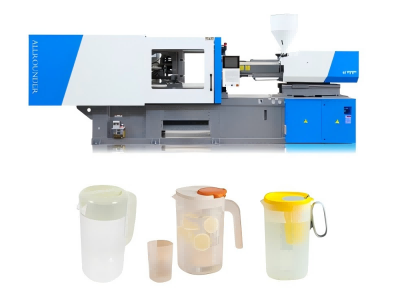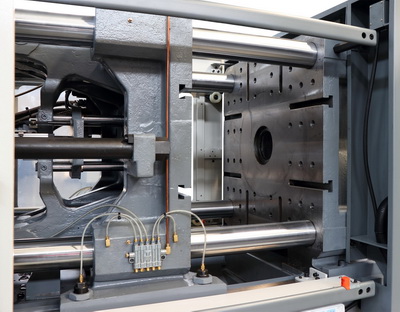
The feed section is the area where plastic pellets are fed from the hopper to the feed throat of the injection molder.
Feed zone for injection molding is a crucial part of the injection molding process.
And its main function is to convey plastic pellets or other raw materials from the hopper to the heating cylinder of the injection molding machine for subsequent melting and injection molding.
Concept and classification of feed system
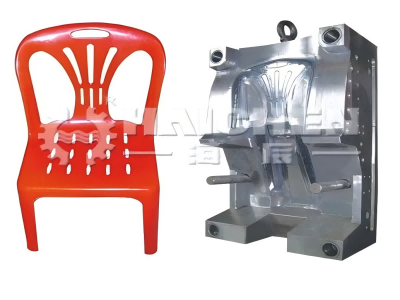
The feed system of the mold is a section of the melt flowing passage from the nozzle of the injection molding machine to the cavity.
Cold runner system and hot runner system.
Generally, the cold runner system includes the side gate system and the point gate system.
Additionally, the gate system consists of the main runner, sub-branch runner, cold material well, and gate.
The hot runner system has no main runner and sub-branch runner.
The melt passes through the manifold plate and the hot nozzle directly from the gate into the cavity.
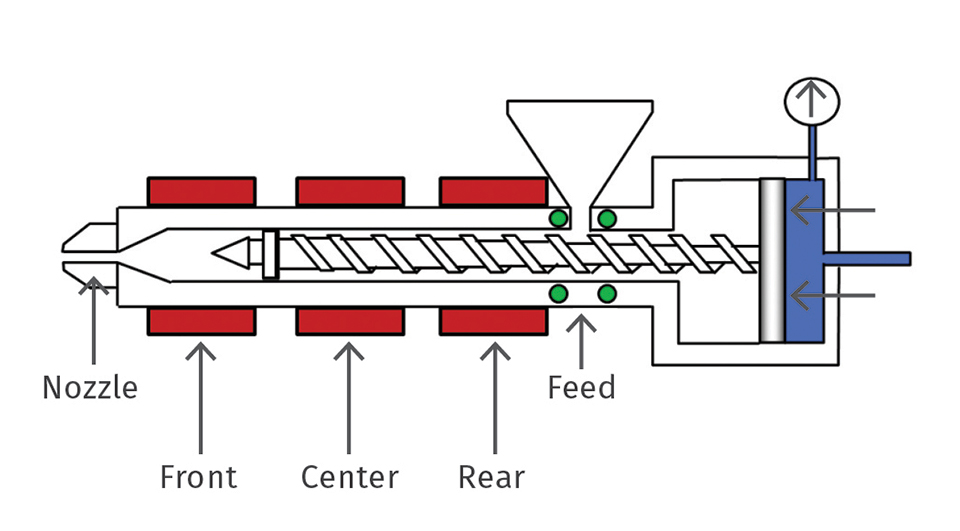
Component of the Feed zone for injection molding
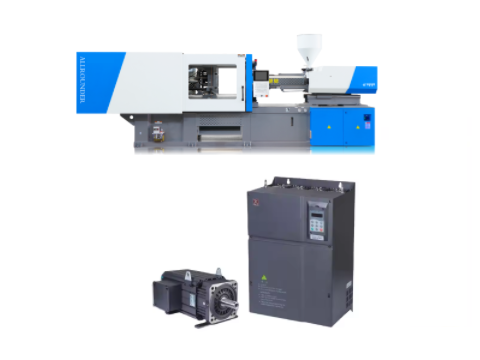
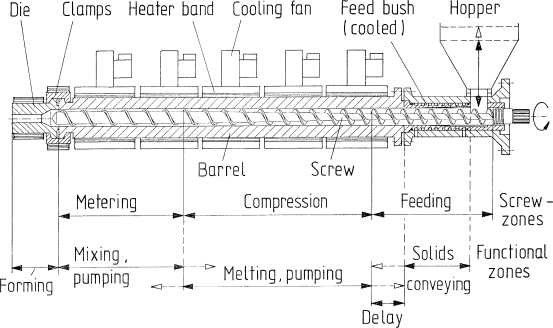
Typically, the feeding system of an injection molding machine includes hoppers, screws, feed ports, and other components.
First, operators place plastic pellets into a hopper for storage.
Next, the rotating screw propels these pellets into a heating drum, finally melting them through controlled heating.
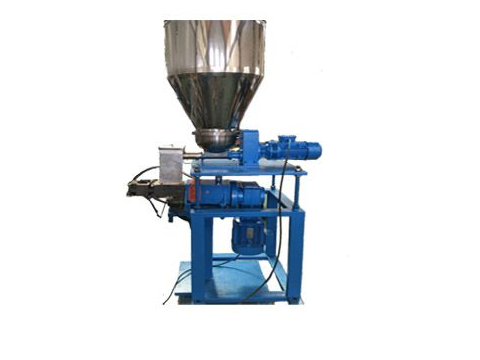
How feed zone works
During the feeding process, the screw will gradually advance and heat the plastic pellets,
transforming them from a solid state to a molten state.
This process requires precise control of temperature and pressure to ensure that the plastic melts evenly and enters the mold.
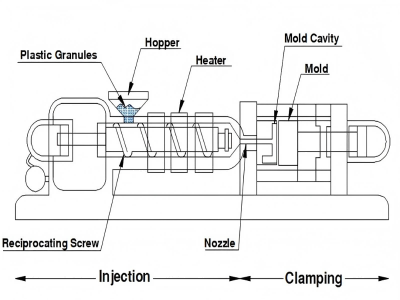
Feed zone length
The feed zone usually covers about 50% of the length of the screw and is designed to ensure that the plastic pellets can enter the compression zone smoothly and be heated and melted.
In this process, temperature control in the feed zone is important to prevent the plastic pellets from melting prematurely or sticking to the screw.
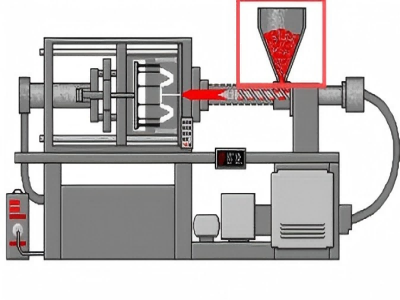
Feed zone temperature
The temperature of the feed zone is usually lower than that of the compression zone and the dosing zone.
For example, in some studies, the temperature in the feeding zone was set at 170°C to 190°C,
while the temperature in the compression and dosing zones was even higher.
This temperature distribution helps to ensure that the plastic pellets are fully melted before entering the compression zone,
improving the quality and efficiency of injection molding.