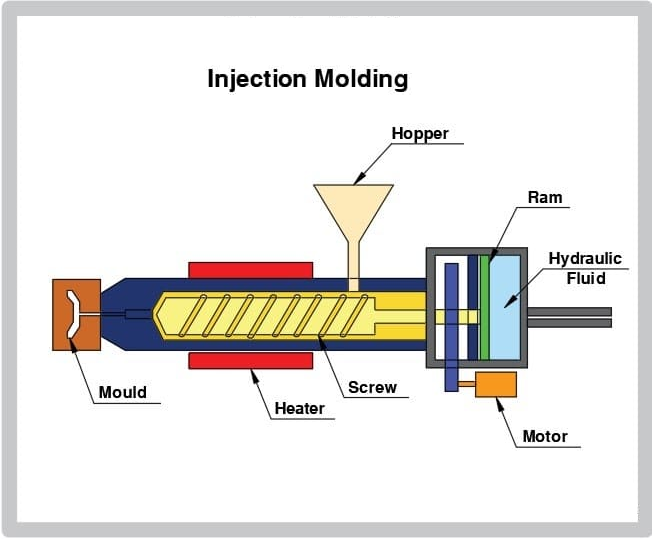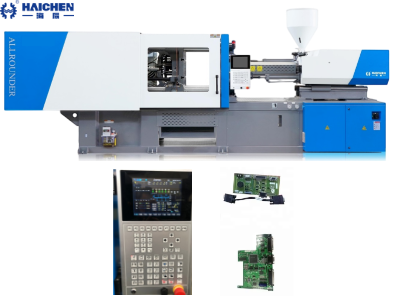
Injection Heater bands are the main heating elements in the injection moulding heating system.
Its function is to ensure that the molten plastic material reaches the proper temperature during the injection moulding process.
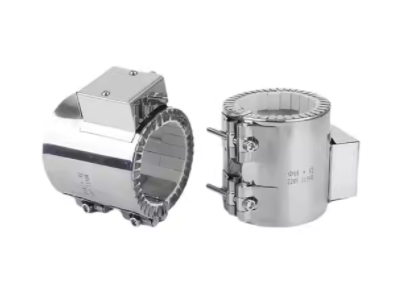
Below are some detailed information about the use of Heater bands in injection moulding:
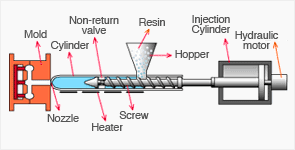
1.The basic function and design of Heater bands:
Heater bands is responsible for heating the nozzle or gate area of the injection moulding machine to maintain the temperature of the molten plastic.
This ensures a continuous production process.
Heater bandss can be installed around the perimeter of a nozzle or gate to maintain the molten plastic by conducting heat.
In addition, the design of Heater bandss often includes materials with good thermal conductivity to ensure even heat distribution.
2.Comparison of Heater bandss with Other Heating Methods:
Injection Heater bands differs from infrared heaters.
The energy efficiency performance of heated tape and infrared heaters on the injection moulding machine Bore bi 320T found that each has its own advantages and disadvantages.
Infrared heaters may provide faster heating rates in some cases.
However, heated heat tape may be more suitable for some specific application scenarios due to its simple construction and easy maintenance.
3.Application examples of heated tape:
Heater bandss are widely used in various injection moulding machines.
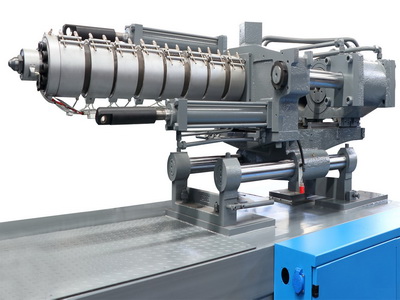
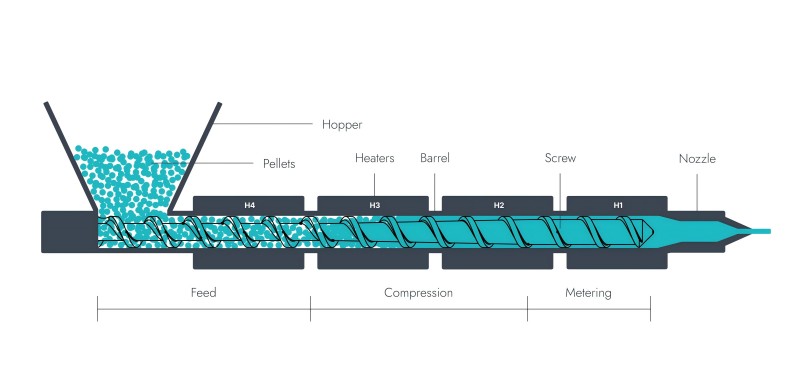
For example, in some injection moulding machines, Heater bandss are used to hold the nozzle body in place and keep the plastic in a molten state through the pipe structure.
In addition, Heater bandss can be electrically driven to control the temperature.
Thus enabling the gradual melting of the plastic pellets.
Heater bands plays an important role in injection moulding, and its design and application directly affect the quality and productivity of plastic products.
As technology advances, the design and functionality of Heater bandss are constantly evolving to meet the needs of different injection moulding processes.
What is the purpose of a band heater?
The main purpose of a Injection Heater bands (band heater) is to provide heating by converting electrical energy into thermal energy.
This equipment is used in a wide variety of industrial and scientific applications.
And its specific use may vary depending on the environment in which it is applied.
1.Industrial applications:
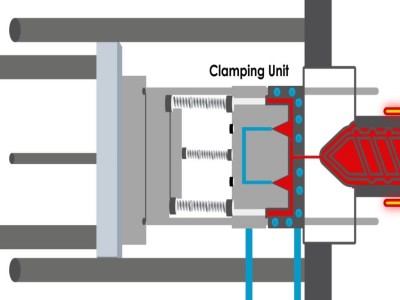
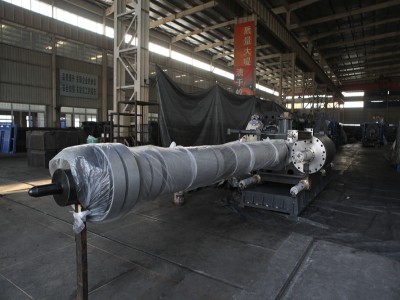
In industry, band heaters are commonly used to heat pipes, moulds, reactors and other equipment.
For example, in injection moulding machines, band heaters are used to heat plastic materials to ensure that they maintain the proper temperature during processing.
In addition, band heaters are used to heat oil wells in oil extraction to prevent freezing of pipes and damage to equipment.
2.Laboratory Applications:
In laboratory environments, band heaters are used to maintain stable temperatures in experimental equipment.
For example, in a methanation reaction, band heaters are used to control the temperature of the reactor to ensure a smooth chemical reaction.
In addition, band heaters are used to cool experimental devices.
Such as in freezing experiments where band heaters are used to maintain a low-temperature environment.
3.Health and rehabilitation applications:
Band heaters are also designed for health promotion and rehabilitation therapy.
For example, a functional health band with integrated heating, vibration and massage functions is suitable for rehabilitation therapy.
In addition, there are specially designed health promotion bands for promoting physical recovery through low-frequency currents and heat.
4.Special uses:
Strip heaters can also be used for special applications such as heating slats outside a vacuum vessel to maintain a uniform temperature.
For example for manufacturing large arrays of infrared diffraction lenses.
The main purpose of a strip heater is to provide heating by converting electrical energy into thermal energy.
Their applications include a wide range of fields such as industrial production, laboratory research, health promotion and temperature control of special equipment.
This equipment plays an important role in many applications where precise temperature control is required due to its high efficiency and flexibility.
How many types of heaters are in injection molding?
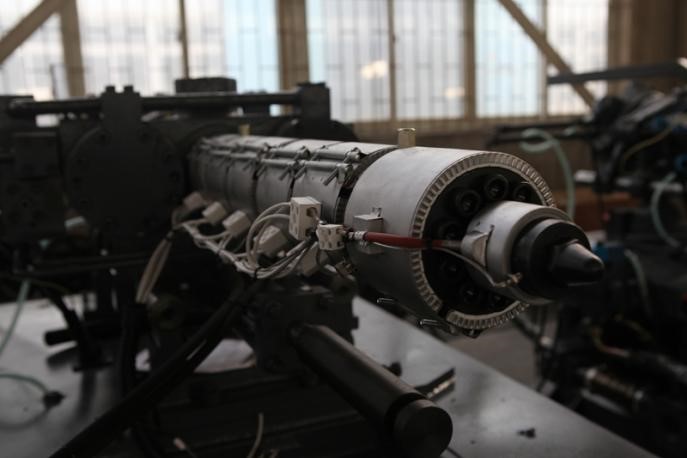
There are various types of heaters used in injection moulding.
There are roughly the following main types according to different application scenarios and needs:
1.High frequency proximity heater:
This type of heater uses high-frequency current to form a high-frequency electrical loop between the mould inserts to achieve selective heating of the mould surface.
They are characterised by their ability to heat the mould surface to a high temperature (e.g. 240°C) in a short period of time (e.g. 5 seconds) and are suitable for thin-wall injection moulding and micro-moulding.
2.Fast response heating elements:
This type of heater usually consists of a metal heating layer and an oxide insulating layer .
And is able to change the mould surface temperature by about 70K in a very short time (e.g. 0.2 seconds).
The design of this type of heater focuses on fast response and reduced cooling times.
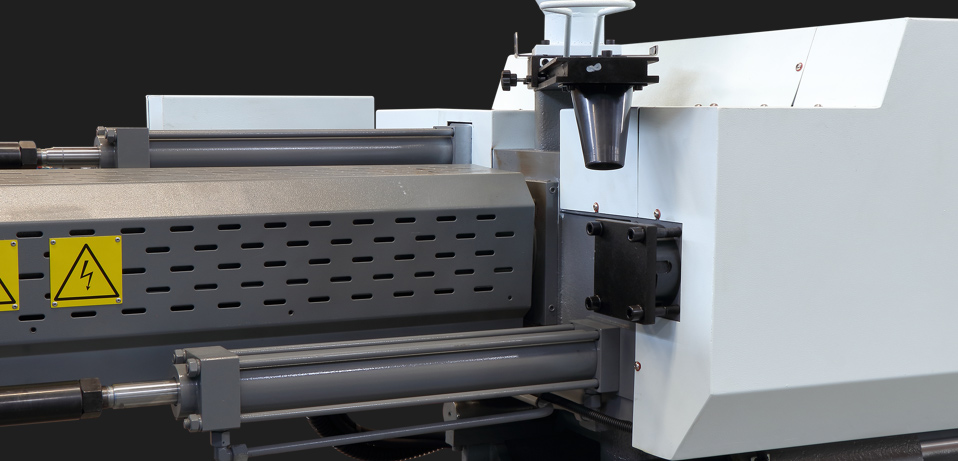
3.Conventional heaters:
Conventional heaters typically include multiple heating elements that are distributed at different locations in the mould to ensure uniform heating.
In some injection moulding machines, the heaters may be distributed over five positions in the mould, close to where the mould temperature is higher.
4.Induction heaters:
Induction heaters heat the surface of the mould by electromagnetic induction and are suitable for application scenarios where local heating is required.
This type of heating can increase the mould temperature and shorten the moulding cycle.
5.Far infrared radiation heater:
Abouth This type of heater uses far-infrared radiation technology for heating and is suitable for applications that require efficient heat transfer.
In hot-cold hybrid injection moulding technology, the use of far-infrared radiant heaters can improve the surface properties of moulded products.
6.Integrated heaters and sensors:
This type of heater integrates heating elements and temperature sensors to monitor and regulate the mould temperature in real time.
This improves moulding quality and efficiency.
7.Multi-channel temperature control system heater:
This type of heater achieves balanced control of the temperature at each point of the heating plate through a multi-channel temperature acquisition and conditioning circuit.
Thus improving the efficiency of the injection moulding machine.
8.Hot runner heater:
Heaters in hot runner systems are used to preheat the plastic melt which to ensure that it reaches the proper temperature before entering the mould.
Such heaters are usually used in combination with hot runner plates for efficient temperature control.
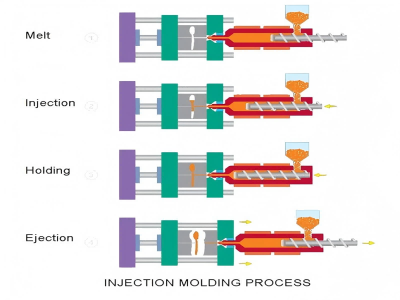
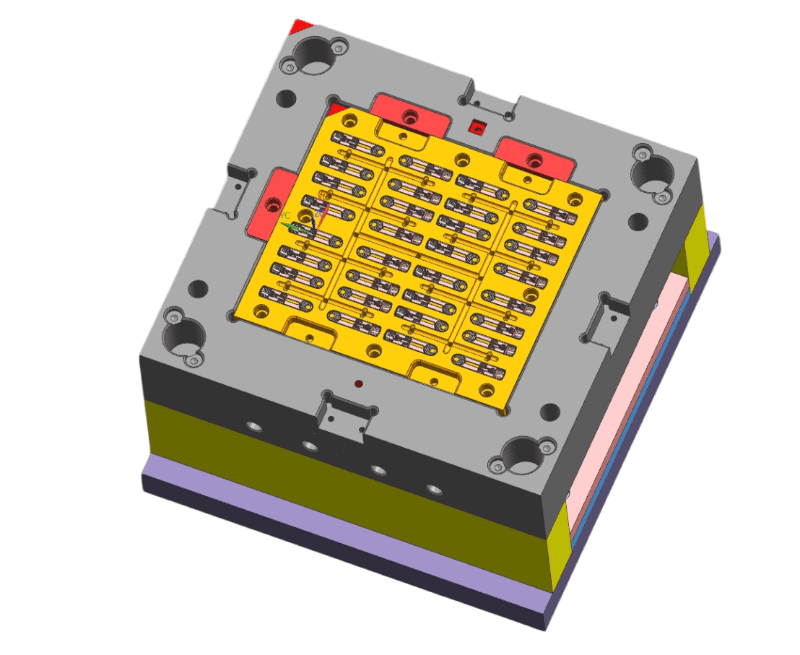
These are just a few of the common types of heaters used in injection moulding.
Each with their own unique application scenarios and advantages.
Choosing the right type of heater is critical to optimising the injection moulding process and improving product quality and productivity.
What is the maximum temperature for a band heater?
The maximum temperature of a band heater can reach different values, depending on the application and material.
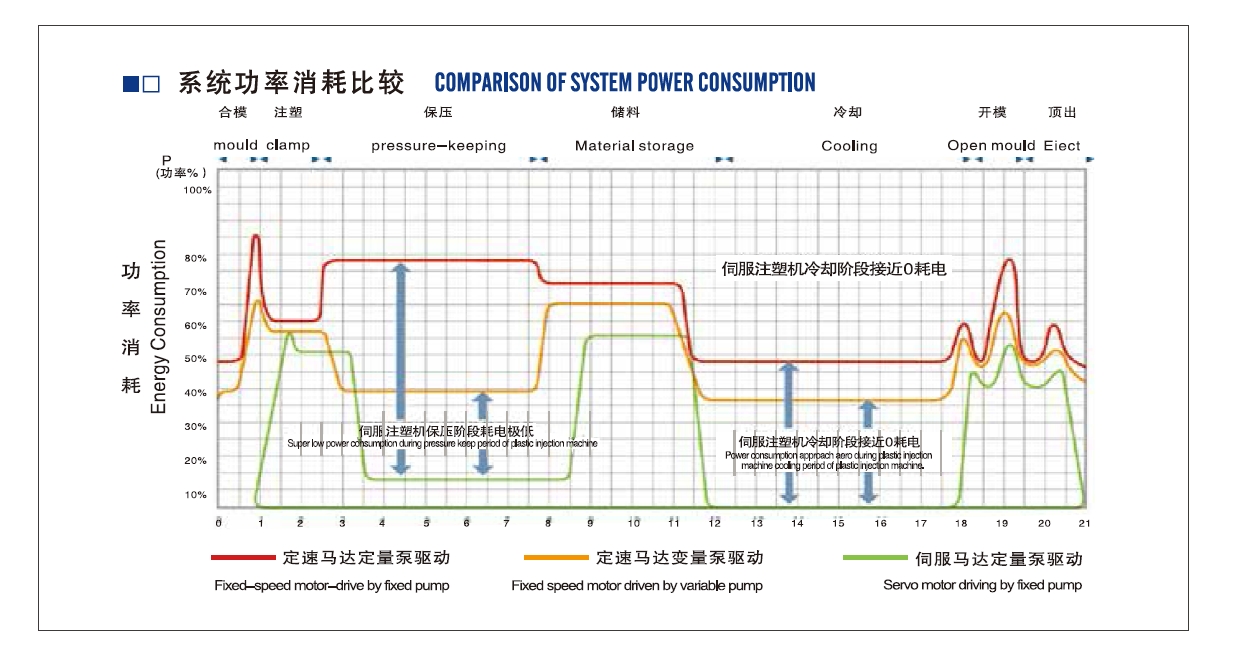
In some high-temperature experiments.
Band heaters have been used to control the temperature inside high-pressure vessels without specifying their maximum temperature.
In the injection moulding industry production bell band heaters heat moulds or carry out heat treatment。
Usually in the temperature range between 200°C and 600°C.
For other applications, such as in certain high-temperature test equipment, band heaters can reach temperatures of 850°C or even more.

Therefore, the maximum temperature of a band heater may vary depending on the specific application and design.
Typically, however, in industrial applications, maximum temperatures of between 600°C and 850°C can be achieved.
Haichen high quality injection molding heaters
Haichen, a reputable manufacturer and exporter of plastic injection molding machines, also provides high-quality injection molding heaters designed to enhance the performance and efficiency of their machines. Below is a detailed overview of their heater offerings:
1. Types of Heaters
Haichen offers a range of heaters tailored for injection molding applications, including:
- Barrel Heaters: Wrap around the barrel to melt plastic granules uniformly.
- Nozzle Heaters: Ensure precise temperature control at the injection point.
- Mold Heaters: Maintain consistent mold temperatures for optimal part quality.
2. Key Features
Haichen’s heaters are engineered for durability, precision, and energy efficiency:
- High Thermal Efficiency: Minimizes heat loss, reducing energy consumption.
- Uniform Heating: Ensures consistent material flow and prevents cold spots.
- Robust Construction: Made from high-grade materials (e.g., stainless steel, ceramic) for long service life.
- Temperature Control: Integrated with PLC systems for precise regulation (±1°C accuracy).
3. Applications
Haichen heaters are used in various industries, including:
- Plastic Injection Molding: For melting and maintaining material viscosity.
- Die Casting: Preheating molds and maintaining optimal temperatures.
- Extrusion: Heating barrels and nozzles in plastic extrusion processes.
4. Certifications and Quality Assurance
- ISO 9001: Ensures adherence to strict quality management standards.
- CE Marking: Complies with European safety and environmental regulations.
5. Global Availability and Support
- Distribution: Available through platforms like Alibaba and Made-in-China.com.
- After-Sales Services: Includes technical support, spare parts supply, and warranty coverage.
For detailed product specifications or to request a quote, visit Haichen’s profiles Made-in-China.com. These platforms provide direct access to supplier communication and product listings.
Note: Verify model-specific details directly with the supplier to ensure compatibility with your injection molding setup.