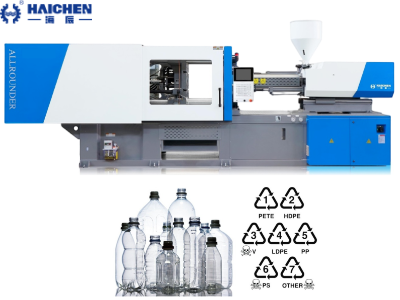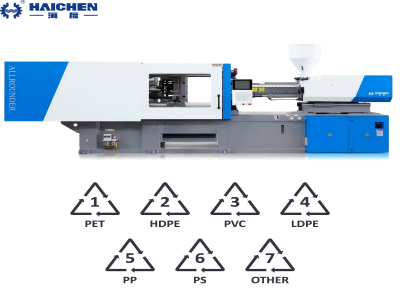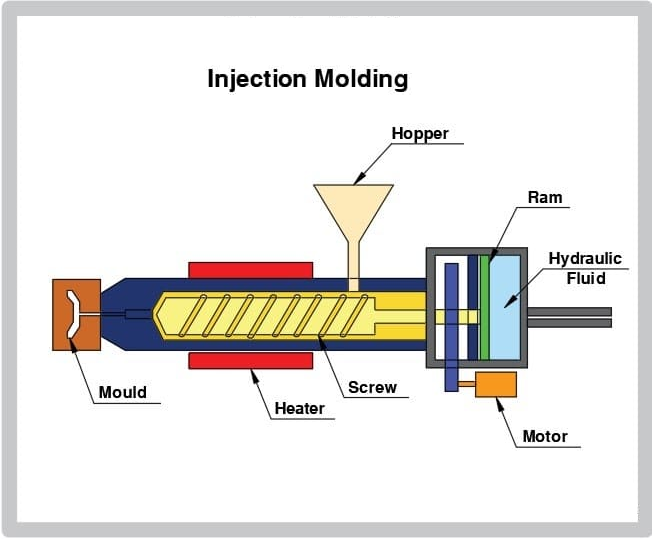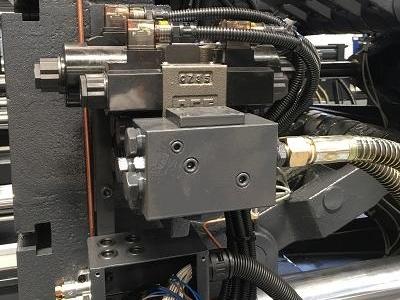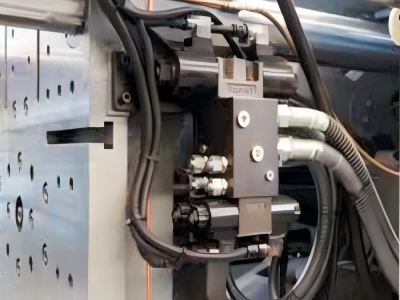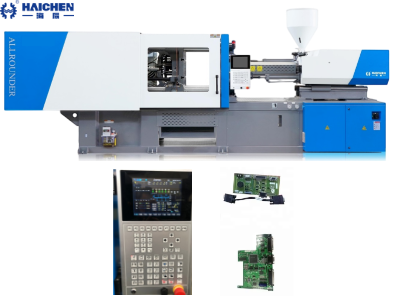
The Injection molding machine platen function mainly includes fix the moulds and support clamping force etc.
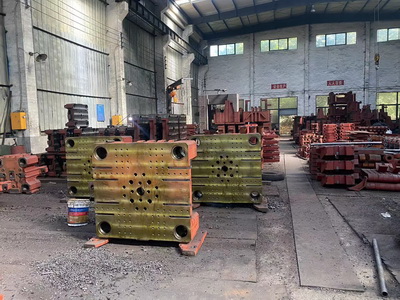
The platen of the injection molding machine plays a vital role in the injection molding process. The platen is the part of the mold mounted on the injection molding machine. And it usually divides into two types of platen: fixed platen and moving platen. These two platens provide stable support and closing force in the injection molding machine. It ensures the efficiency of the injection molding process and the stability of product quality by evenly distributing pressure, supporting the cooling system and facilitating mold replacement.
The core functions of the pressure plate are to physically support the mold, apply clamping force, assist in temperature control, improve operating efficiency and ensure production safety. Different models (such as two-pressure plate or three-pressure plate design) have slightly different functional emphases, but all revolve around the above core functions. When using, maintenance specifications (such as cleaning, lubrication, calibration) must strictly follow to maintain injection molding quality and equipment life.
Through optimized design (such as T-slots and center clamping), deformation is reduced and molding accuracy and efficiency are improved. Secondary functions include integrated cooling/ejection systems and support for advanced processes such as rapid mold change. Its structural strength and fatigue life directly affect the reliability of the entire machine.
Injection molding platen
Injection molding platen is a component used to fix the mold in the injection molding machine. And it usually divides into a stationary platen and a moving platen. The stationary platen is usually connected to the body of the injection molding machine. While the moving platen is moved by a hydraulic cylinder or mechanical device. And it cooperates with the other half of the mold to complete the mold closing operation.
The injection molding machine platen plays a vital role in the injection molding process. It is an important part of the clamping system of the injection molding machine. The function include below 5 points:
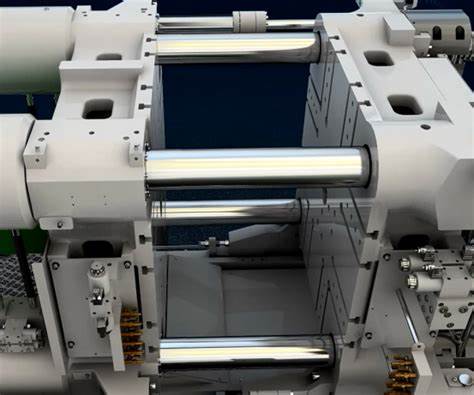
Mould fixing and support of Injection molding machine platen function
The main function of the injection molding machine platen is to fix and support the mold, which is the key link to ensure the smooth progress of the injection molding process.
The platen uses to fix and support the mould. It’s function is to ensure the moulds remains stable during the injection process.
The stationary platen usually installs on the base of the injection molding machine. While the movable platen moves relative to the stationary platen through the connecting rod to achieve the opening and closing of the mold.
Mold fixing function
The platen ensures the mold is closed during the injection molding process by providing a stable support surface. The fixed platen is usually installed on the base of the injection molding machine, while the movable platen is moved by a hydraulic cylinder or mechanical device to open and close the mold. This design allows the mold to remain closed under high pressure, ensuring that the molten plastic can evenly fill the mold cavity and form a high-quality product after cooling.
Support function
The pressure plate is not only used to fix the mold, but also bears the weight of the mold and the pressure generated during the injection molding process. The fixed pressure plate and the movable pressure plate are usually connected by tie bars to provide additional stability and alignment. This structural design can prevent the mold from deformation or displacement during the injection molding process, thereby ensuring the dimensional accuracy and surface quality of the product.
Temperature Control and Cooling
During the injection molding process, the platen also takes on the task of controlling the mold temperature. By setting heating elements or water channels on the platen, the mold can be heated or cooled to ensure that the mold maintains a suitable temperature during the injection molding process. This helps to improve the fluidity and filling efficiency of the molten plastic, while reducing defects caused by uneven temperature.
Guiding and positioning
The pressure plate also has guiding and positioning functions. Through structures such as guide pins and guide sleeves, it can ensure that the mold maintains precise alignment during the opening and closing process, avoiding mold wear or product defects caused by improper alignment
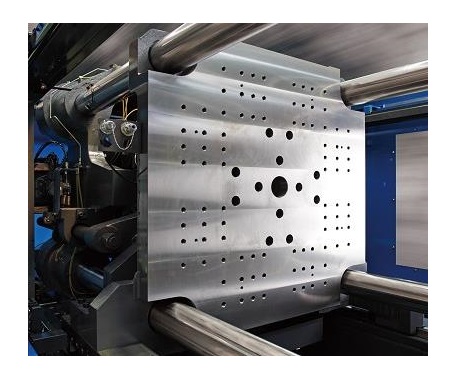
Transferring pressure of injection molding machine platen function
When the mould is closed, the platen bears the pressure from the injection system. And it transmits this pressure to the mould. The function is to ensure that the mould remains tightly closed during the injection process. This pressure transmission is essential to prevent plastic leakage during the molding process.
core component of pressure transmission
In the injection molding machine, the pressure plate applies pressure through the hydraulic system to fix the mold and maintain the closed state.
For example, the hydraulic pressure is transmitted to the pressure plate through the cylinder of the auxiliary punch to push the mold closed, and the movement of the pressure plate is directly related to the transmission of injection pressure. It further points out that the pressure plate is responsible for applying clamping force. Thus to ensure that the mold remains closed during the injection process. Futher,to prevent defects caused by pressure fluctuations (such as flash and shrinkage).
The fixed pressure plate and the movable pressure plate work together through the clamping unit to close the mold and maintain stable pressure.
Hydraulic drive and pressure transmission mechanism
The movement of the platen depends on the hydraulic system, and its pressure transmission process is controlled by the hydraulic cylinder. The movement speed of the platen is achieved by adjusting the fluid input/output rate of the hydraulic cylinder, and the hydraulic system itself is the key to pressure transmission. The hydraulic cylinder of the platen drives the platen to close the mold, and the clamping force needs to be adjusted according to the mold size and material properties.
Stability and process requirements of pressure transmission
The pressure plate must ensure uniformity and consistency when transmitting pressure. The pressure plate avoids mold dislocation or product defects caused by insufficient local pressure by stabilizing the base and distributing pressure evenly. The center clamping design minimizes plate deformation, thereby suppressing flash and shrinkage during injection.The T-slot and bolt hole layout of the pressure plate enhances overall rigidity and ensures the stability of pressure transmission.
Dynamic adjustment and quality control of pressure transmission
In actual production, the pressure transmission of the pressure plate needs to be dynamically adjusted according to process requirements.
It is mentioned that the feedback system of injection pressure allows the operator to adjust parameters in real time to optimize product molding.
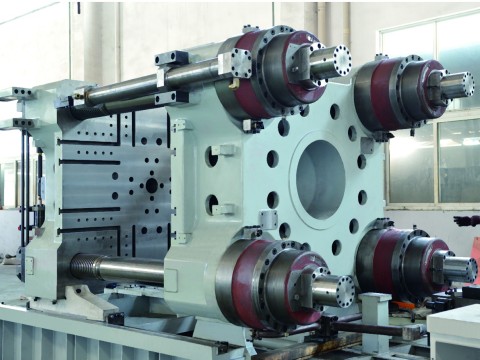
Mold adjustment and modular technology of injection molding machine platen function
The platen also supports the adjustment mechanism of the mold. Such as adjusting the mold thickness through threaded shafts and nuts. Thus to adapt to the needs of molds of different thicknesses. In addition, modular technology inserts can be installed on the template to enable multi-component injection or other complex processes.
Fixing and adjusting the pressing plate and the mold
The pressing plate is the basic component for mold installation, fixing half of the mold (usually side A), while the other half (side B) is moved by hydraulic or mechanical devices. The pressing plate achieves precise matching of mold thickness through adjustment mechanisms (such as adjustment bolts).
For example, the mold adjustment mechanism installed on the pressing plate is coaxial with the tie rod to ensure accurate positioning of the mold in the opening and closing direction; further explained, the mold space adjustment unit achieves space optimization by adjusting the distance between the main body and the pressing plate, while
It is clearly stated that the adjustment bolt is used to match the thickness of the mold clamping plate to avoid mold slippage during production.
Mold alignment and stability
The pressure plate must ensure the tight closure of the mold halves to prevent defects caused by pressure separation.
It is emphasized that the mold needs to be aligned with the pressure plate through the guide system to achieve high precision. In addition, the pressure plate provides uniform pressure distribution, reduces mold deformation, and improves product consistency. In addition, it is mentioned that the rigidity of the pressure plate can be optimized by adding a rigid adjustment plate (such as a gasket) to further enhance the stability of the mold.
Cooling system integration
In some advanced injection molding machines, the platen may be integrated with cooling channels to regulate the temperature of the mold surface. Thereby affecting the cooling rate of the plastic and the quality of the final product.
Mold closure and temperature control
The press plate ensures that the mold remains closed during the injection molding process by applying a clamping force, while maintaining the mold temperature through built-in heating elements or cooling channels (such as water channels) during the heating and cooling stages. For example, the press plate helps control the mold temperature through a cooling system (such as a water channel) during the cooling stage to ensure that the plastic melt is evenly cooled and solidified.
Cooling channel design
The cooling system is usually implemented through cooling channels on the press plate, which are distributed on the mold surface and use cooling media (such as water or oil) to quickly remove heat. The design of the cooling channel needs to ensure uniform cooling to reduce cycle time and prevent defects (such as warping or sinking). The layout of the cooling channel needs to be optimized to avoid residual thermal stress and deformation caused by uneven cooling.
Impact of cooling system on production efficiency
- Shorten cooling time: Cooling time usually accounts for 2/3 of the entire injection molding cycle, and the cooling system significantly shortens this time through efficient heat dissipation. Integrated cooling control system can reduce installation space and reduce costs, while improving data accuracy, thereby optimizing production efficiency.
- Quality control: The cooling system directly affects the quality of the final product. It is mentioned that insufficient cooling can lead to defects such as shrinkage and warping, while uniform cooling can ensure product dimensional stability and surface quality.
Therefore, injection molding machine platen function is mainly supports and fixed the injection molding machine moulds. And it also improves the reliability and production efficiency through optimized design. Through injection molding machine platen reasonable design and material selection, the injection molding machine service life and performance can be significantly improved. Platen in injection molding is a key component to ensure product quality and production efficiency.