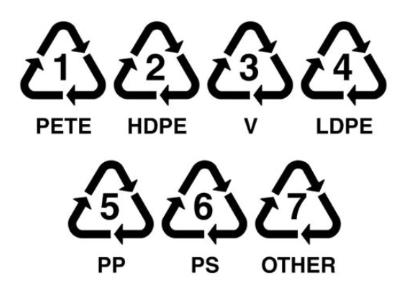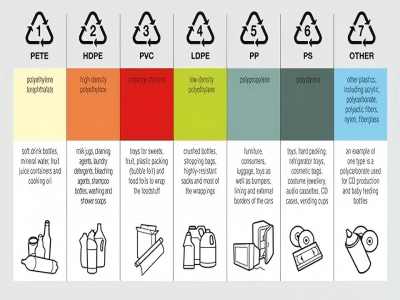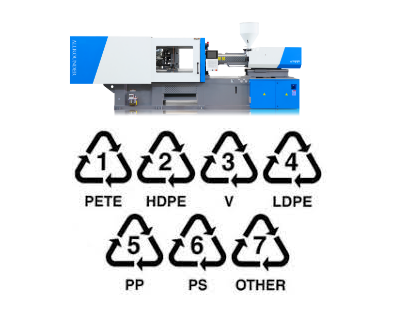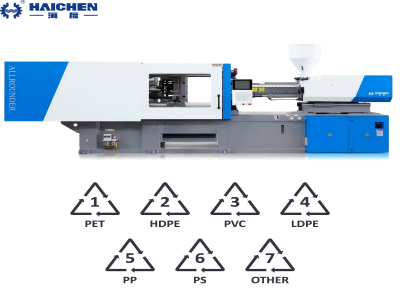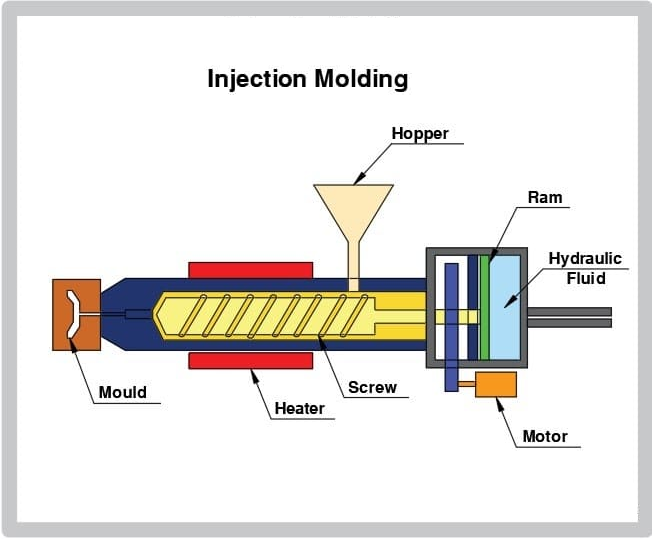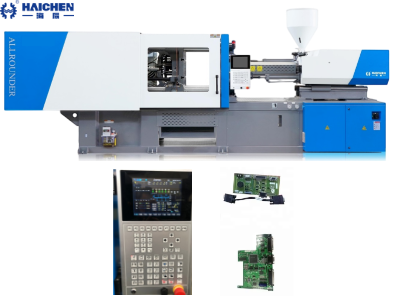
Plastic chairs making material is Polypropylene-PP, Polycarbonate-PC, Polyethylene-PE, Polyethylene Terephthalate(PET) and so on.

Plastic chairs are made of a variety of materials.Most common plastic injection moulding raw material list as following:
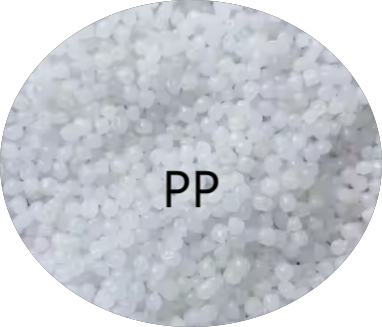
Plastic chairs making material: Polypropylene (PP)
This is a lightweight, durable and affordable material commonly used to make single-piece plastic chairs, such as the Monobloc chair. It has good heat and chemical resistance and is suitable for outdoor use.
Physical properties
- PP is a semi crystalline thermoplastic that is colorless, odorless, non-toxic, and appears as a semi transparent waxy solid.
- Lightweight and High Strength: PP is one of the lightest plastics on the market, with high tensile strength and fatigue resistance. For example, a typical PP chair weighs only 1.6kg, much lighter than a cast iron chair (8.5kg).
- Chemical resistance: Highly stable to diluted acids, alkalis, cleaning agents, and other chemicals, suitable for making containers or outdoor furniture that come into contact with chemicals.
function characteristics.
Functional characteristics
- Wear resistant and deformation resistant: Its high wear resistance allows it to withstand repeated bending and twisting, and even make “living hinges” (such as flip caps).
- Electrical insulation: High resistance characteristics are suitable for electrical components.
- Low friction coefficient: Smooth surface, suitable for high friction scenarios (such as gears).
- Moisture and weather resistance: resistant to moisture penetration, but requires the addition of UV stabilizers to resist photo aging.
Economic and environmental advantages
- Low cost: Low raw material prices, suitable for large-scale production of economical seats.
- Sustainability: Low production energy consumption, with the lowest hidden energy per unit volume among thermoplastic plastics, and can be recycled multiple times.

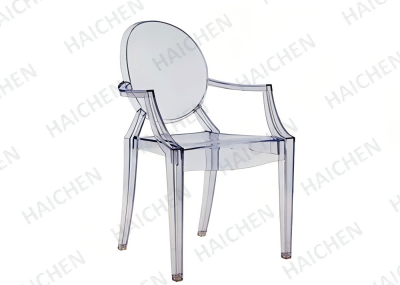
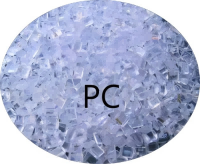
Plastic chairs making material:Polycarbonate (PC)
This material has high strength and good transparency, and is suitable for plastic chairs that require transparency or high strength, such as transparent chairs or chairs that require additional support.
Material characteristics
High transparency and optical performance: PC is an amorphous thermoplastic with glass like transparency, which can achieve various transparent or opaque tones by adding colorants. Its optical transparency makes it suitable for furniture with strong design sense.
Excellent mechanical performance
- Impact resistance: PC is one of the most impact resistant materials in engineering plastics, suitable for manufacturing chairs that need to withstand drops.
It is mentioned that it can withstand significant plastic deformation without breaking. - Strength and toughness: It combines high strength and toughness, and is stronger and more durable than PP (polypropylene).
- Heat resistance: The glass transition temperature is about 147 ° C, and the softening point is higher than 155 ° C. Flame retardants can be added to enhance fire resistance.
- Weather resistance and chemical stability: Good UV resistance, weather resistance, and resistance to various chemicals, but poor scratch resistance.
- Lightweight and processability: Low density, can be processed through injection molding, extrusion, thermoforming and other processes can be bent using sheet metal technology at room temperature
Suitable for complex styling design.
manufacturing process
- Main process: PC chairs are mostly injection molded by injecting molten PC into the mold. The extrusion process can also be used to produce sheets or profiles.
- Mold requirements: Customized molds are required, as material fluidity affects design details such as wall thickness uniformity.
Application advantages
- High intensity scenarios: Especially suitable for chairs in public places such as airports and restaurants, due to their strong impact resistance and high load-bearing capacity.
- Design flexibility: Transparent features support modern style design, and recyclability conforms to environmental trends.
- Safety: High temperature resistance and flame retardant properties reduce the risk of fire, but attention should be paid to surface anti slip treatment.
Plastic chairs making material: Polyethylene (PE)
PE material has good corrosion resistance and wear resistance. And it often uses in plastic chairs in laboratories or special environments.
Material properties
Weather resistance and corrosion resistance: PE (especially high-density polyethylene HDPE) has excellent corrosion resistance, weather resistance and UV resistance, and can withstand extreme outdoor temperatures and humid environments. This makes PE chairs particularly suitable for long-term outdoor use (such as gardens and public places).
Mechanical properties
PE has high rigidity and strength, extremely low water absorption (almost no water absorption), but poor low-temperature impact toughness and easy aging. Its lightweight characteristics (low density) make it easy to move.
Processing advantages
PE’s good plasticity and toughness make it easy to form through injection molding, blow molding and other processes. For example, the blow molding process can manufacture waterproof folding chairs with hollow structures.
Application scenarios
- Outdoor furniture: HDPE is widely used in products such as garden chairs and public seats that need to be exposed to the outdoors all year round because of its weather resistance to wind, rain and UV rays.
- Economical and public seats: PE’s low cost and high production volume make it the preferred material for mass-produced public plastic chairs (such as schools and event venues).
- Environmental innovation: Some companies use renewable PE (such as Brazil’s Braskem’s sugarcane-based “green polyethylene”) to manufacture environmentally friendly chairs, taking into account sustainability and performance.
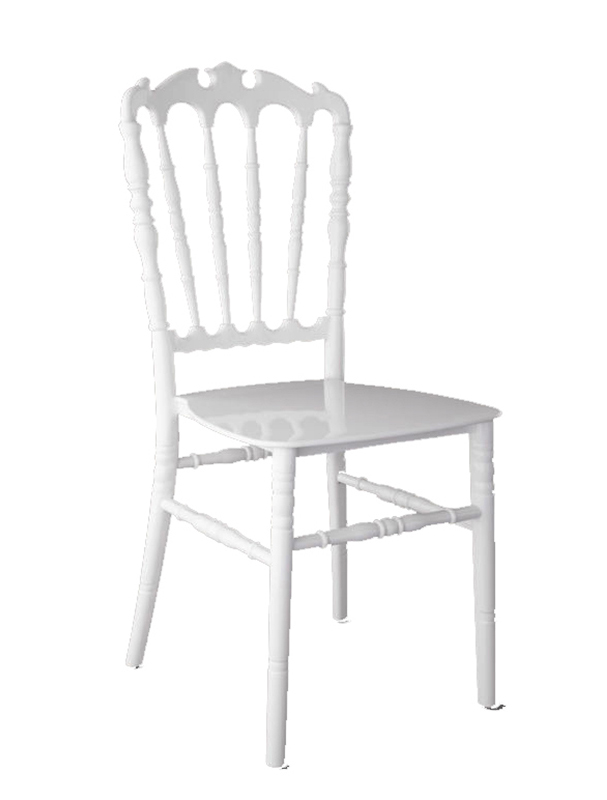
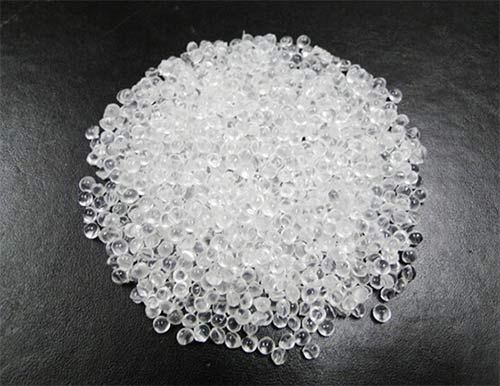
Fiberglass Reinforced Plastic (FRP)This material combines glass fibers and plastic to provide high strength and durability. And this often uses in chairs that require additional support.
Lightweight and high strength
FRP has a better strength-to-weight ratio than traditional materials (such as steel and wood), making it easy to transport and install while maintaining structural stability.
Weather resistance and durability
- UV inhibitors can be added to resist sunlight aging and extend the outdoor service life (such as garden chairs).
- Resistant to chemical corrosion and humid environments, suitable for bathrooms, outdoor scenes, etc.
Design flexibility
Through processes such as hand lay-up, complex curved shapes (such as the hollow slat design of the Nardi Doga Relax chair) can be manufactured, and the mold cost is low.
Additional functions
The surface can be treated with a matte effect, and non-slip foot pads and non-slip textures can be added. Some products use recyclable materials, which is in line with environmental protection trends
Recycled plastics
Many modern plastic chairs are made from recycled materials, such as recycled polypropylene, PET, etc. This is not only environmentally friendly but also reduces production costs.
Plastic chairs are made of a variety of materials and processes, and the choice depends on specific needs and application scenarios. Common materials include polypropylene, polycarbonate, polyurethane, etc., and the manufacturing process is mainly injection molding.
Why is polypropylene good for chairs?
Polypropylene (PP for short) is a very suitable material for making chairs. Its advantages are mainly reflected in the following aspects:
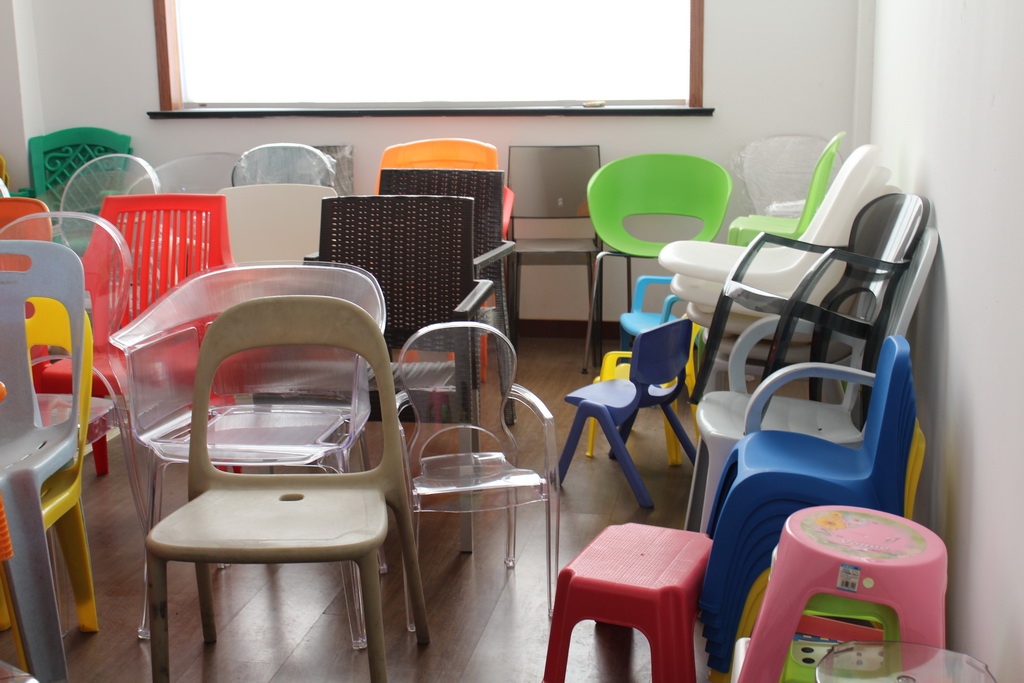
Lightness and durability
Polypropylene is lightweight, which makes the chairs easy to carry and stack, while providing sufficient strength and durability. For example, polypropylene chairs can usually withstand large forces without bending, breaking or deforming.
In addition, the lightness of polypropylene chairs also makes them widely used in public places (such as schools, restaurants, hospitals, etc.)
Chemical and physical resistance
Polypropylene has excellent chemical and physical resistance and can resist corrosion from most chemicals, UV rays, impact and extreme weather conditions. This property allows polypropylene chairs to maintain good performance even when used outdoors and is not prone to aging or damage.
Hygiene and easy cleaning
Polypropylene chairs have a smooth surface and are not easy to absorb dust and bacteria, so they are easy to clean and disinfect
This is especially important in public places that require frequent cleaning, such as schools, hospitals and restaurants.
Cost-effectiveness
Polypropylene chairs are less expensive to produce and have a long lifespan due to their durability and ease of maintenance, thus reducing maintenance costs in the long term.
Versatility
Polypropylene chairs are not only suitable for indoor environments, but are also perfect for outdoor use, such as gardens, terraces, etc. In addition, they can be customized as needed, such as adding armrests or adjusting the height.
Polypropylene is an ideal material for chairs because of its advantages such as lightness, durability, easy cleaning, environmental protection and cost-effectiveness. These characteristics make polypropylene chairs widely used in homes, offices, schools and public places, and with the advancement of technology, their design and function are constantly being optimized.
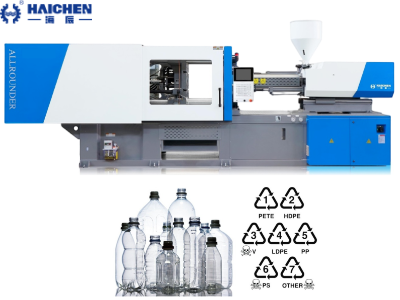
Haichen plastic chair making machine
Haichen is one Chinese injection molding machine manufacturer. Our servo energy saving injection molding machines quality under CE safety standards certificated.
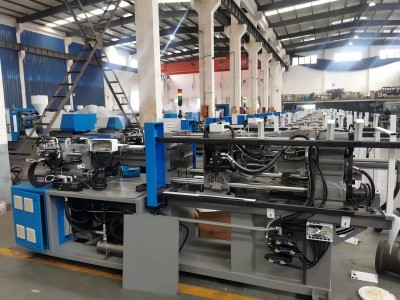
Haichen have rich experience of producing plastic chair making machines. We can supply plastic chair production line as per customer’s specific production demand.
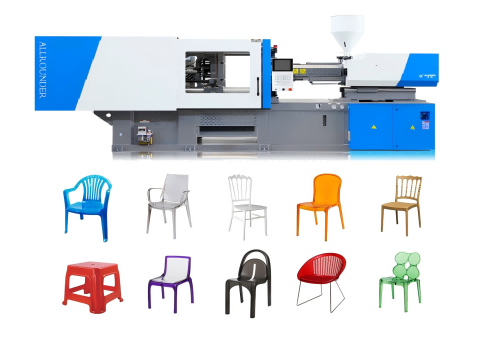
Consider the above, we can help choose a suitable plastic chair injection molding machine to ensure product quality and production efficiency.