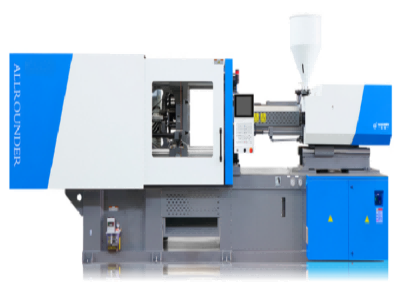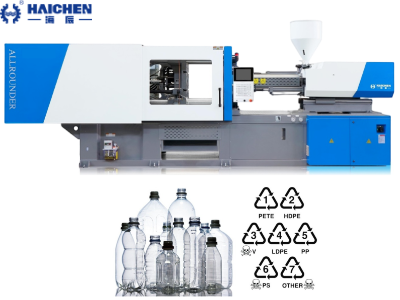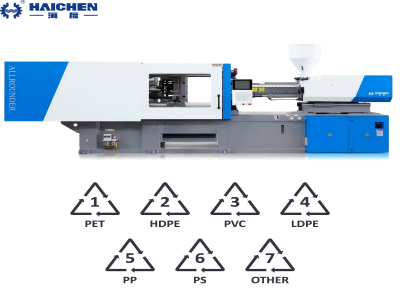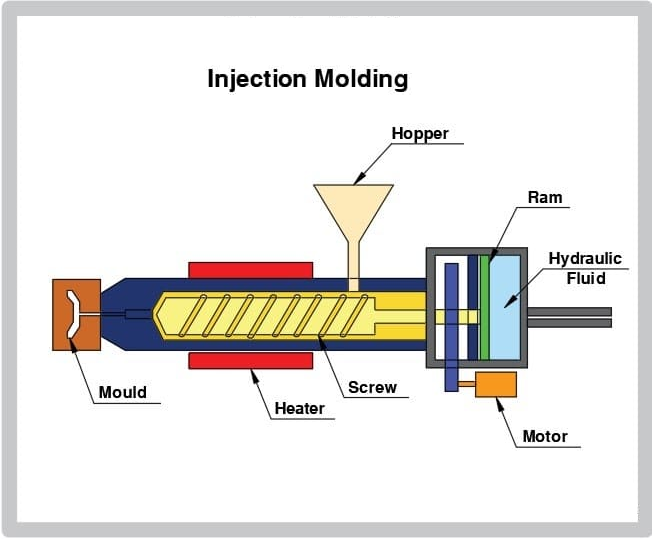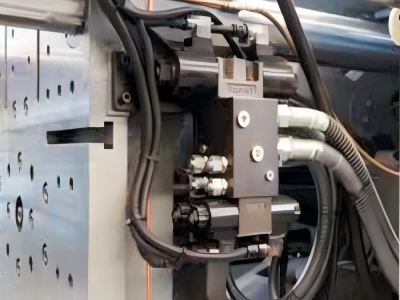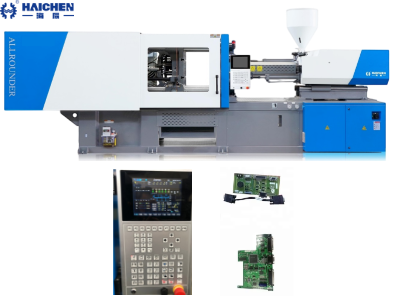
Injection molding machine tonnage refers to the clamping force applied by the machine during the molding process.
In the field of injection molding, tonnage (i.e. clamping force) is the core indicator for measuring the performance of injection molding machines. Choosing the right tonnage is crucial because it is directly related to whether qualified products can be produced, production efficiency can be improved, and costs can be effectively controlled.
Tonnage represents the maximum clamping force that an injection molding machine can provide. Its core function is to ensure that the mold is tightly closed during the process of plastic melt being injected into the mold cavity and cooling and solidifying, to prevent mold expansion or defects such as flash and dimensional deviation caused by excessive internal pressure.
As a manufacturer of HAICHEN injection molding machines, we will explain the core meaning of tonnage in detail for you from four dimensions: scientific principles, calculation methods, selection strategies, and industry applications.
Through this discussion, we will explain how tonnage fundamentally determines the performance and operating efficiency of injection molding machines.
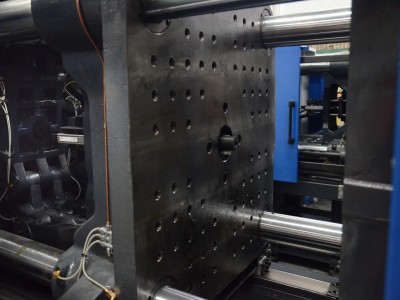
Learn about injection molding machine tonnage
The word tonnage can easily be misunderstood as the weight of the machine, but it is actually the industry’s abbreviation for the maximum clamping force, expressed in tons (T). Specifically: When molten plastic is injected into the mold cavity under high pressure, it will generate an outward expansion force. Tonnage refers to the maximum clamping force that the injection molding machine’s clamping mechanism can provide. This force can ensure that the mold remains tightly closed during the plastic filling process.
Key features
- Core function:
- Prevent the mold from opening under high-pressure injection, avoiding defects such as flash and dimensional deviation;
- Ensure the molding accuracy and surface quality of the product, especially for precision parts (such as electronic connectors).
- Difference from shot size:
- Tonnage (T) = clamping force (mechanical parameter);
- Gram weight (g) = maximum shot size (volume parameter) based on polyethylene (PE).
- Example: A 120T injection molding machine has a clamping force of 120 tons and a shot weight of about 150g (PE material).
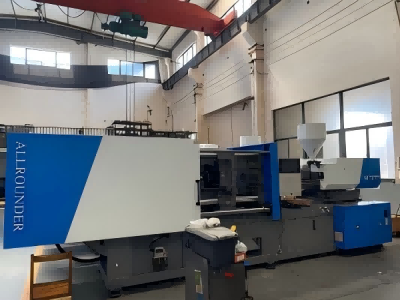
The importance of machine tonnage
Machine tonnage is key because it helps decide what size and kind of plastic parts an injection molding machine can make. Higher tonnage machines handle more force, so they produce bigger and more complex parts. These parts often have thicker walls and tighter tolerances.
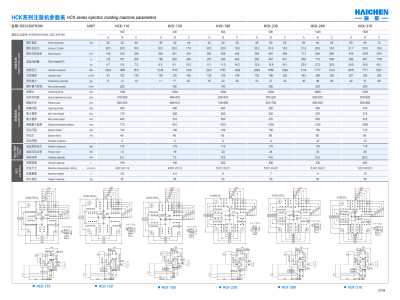
Factors affecting tonnage
Product size and weight
- Size influence: The larger the projected area of the product, the higher the required tonnage. For example, a car bumper usually requires a clamping force of ≥1000 tons for stable molding.
- Weight matching: The weight of a single injection molding material is recommended to be controlled between 60%-80% of the maximum injection volume of the machine to avoid glue shortage or shrinkage problems due to insufficient material.
Material properties
- High viscosity materials (such as glass fiber reinforced nylon): an additional 20%-30% clamping force is required to overcome flow resistance.
- High flow materials (such as LDPE): the tonnage requirements can be appropriately reduced because they are easier to fill the mold cavity.
Mold complexity
- Structural influence: Molds with multiple slides or inclined top structures will increase the expansion force and require higher tonnage to maintain mold stability.
- Weight matching: The mold weight needs to be adapted to the injection molding machine template bearing capacity to prevent the equipment from overloading.
Production scale and economy
- Mass production: Select equipment with a tonnage margin of 10%-15% to improve long-term operation stability.
- Small batches of multiple varieties: 80-200 tons of small and medium-sized equipment is preferred to flexibly adapt to the needs of rapid mold change.
Balance between energy consumption and cost
- Too large tonnage: Energy consumption increases by more than 30%, accelerating mold wear.
- Too small tonnage: Frequent mold maintenance reduces the yield rate.
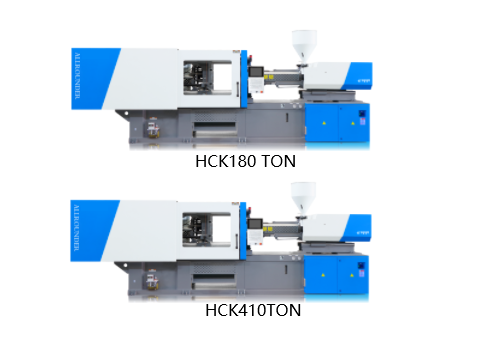
Choosing the right tonnage
Choosing the right tonnage of the injection molding machine is directly related to whether the production can proceed smoothly.
Large-tonnage machines can indeed handle more complex products and have stronger clamping force, but this comes with higher equipment investment and electricity costs.
On the other hand, if the tonnage is too small, the mold may be damaged due to the inability to withstand the pressure, and the parts produced are also prone to dimensional deviation or surface defects.
Panoramic view of tonnage classification and application scenarios
| Tonnage | level Range (T) | Typical application areas | Representative products |
| Micro | <50T | Medical/electronic precision parts | Catheter connectors, sensor housings |
| Small | 50–200T | Daily necessities/3C accessories | Bottle caps, mobile phone cases, toy parts |
| Medium | 200–500T | Home appliances/tool housings | Vacuum cleaner housings, tool boxes |
| Large | 500–1000T | Automotive/industrial parts | Bumpers, dashboards, logistics pallets |
| Ultra-large | >1000T | Building materials/large equipment housings | Trash cans, container parts |
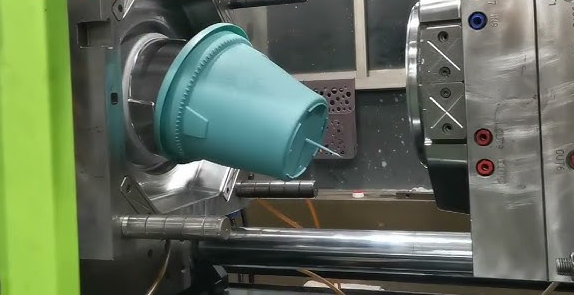
Optimizing Performance with injection molding tonnage
In the injection molding production process, an accurate understanding of the technical meaning of equipment tonnage is crucial to optimizing the process.
Tonnage is essentially a quantitative indicator of clamping force, which ensures that the mold remains fully closed when molten plastic is injected at high pressure.
If the tonnage is set insufficiently, the mold may move slightly due to internal pressure, causing material to seep out from the parting line to form flash (burrs); conversely, excessive tonnage will accelerate equipment wear and increase energy costs.
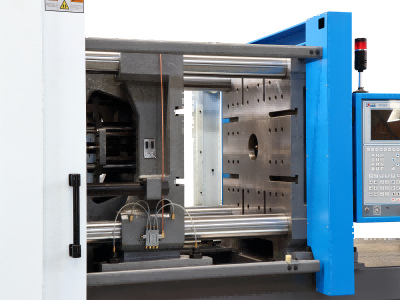
Haichen Machinery
In the field of injection molding machines, tonnage (clamping force) directly determines the size and molding quality of the products that the machine can handle. We recommend that users select the machine scientifically through three steps:
- Accurate calculation: calculate the required tonnage based on the product projection area and material pressure coefficient (formula reference: clamping force = projection area × material coefficient × safety factor);
- Dynamic adjustment: optimize equipment configuration based on mold complexity (such as the number of sliders) and production requirements (such as daily production capacity);
- System coordination: optimize tonnage, injection volume, and energy consumption indicators. For example, an energy efficiency management system that complies with ISO 50001 standards can reduce energy consumption by 15%-30%.
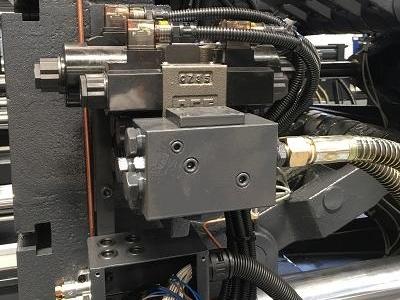
At Haichen Machinery, our injection molding machines (clamping force covers 50T-3000T) use a five-hinge clamping structure and imported hydraulic system. Which can stably produce products of different sizes from precision electronic parts to car bumpers.
For example:
- For small parts (≤500g), 120T model is recommended, and the barrel capacity is matched with ±1% accuracy
- For large parts (such as furniture shells), 800T or above models are required, with nitrided screws to prevent overflow
We understand that the right tonnage selection can not only avoid dimensional deviation (when the tonnage is insufficient) or energy waste (when the tonnage is too large), but also is the key to improving the production efficiency of the entire plant. If you need specific calculation support, our engineering team can provide free selection analysis.