What is the melting point of plastics?
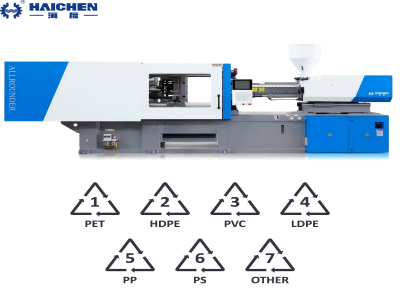
The melting point of a plastic is often described as a temperature range rather than a single fixed value. This is because plastics are often composed of multiple polymers and additives that have different melting point ranges. For example, the melting point of ABS plastic ranges from 200°C to 250°C (392°F to 482°F), while the melting point of polyethylene (PE) ranges from 105°C to 135°C (221°F to 275°F).
Harder material have higher melting point because stronger intermolecular attractions, higher atomic or ionic charge density and so on.
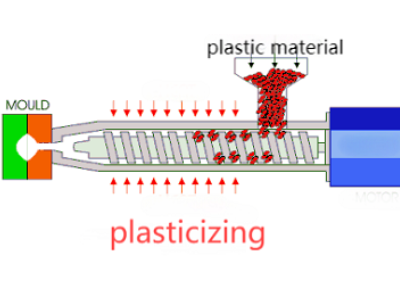
What is harder plastic material?
Hard plastics are plastic materials that are difficult to deform or bend, and usually have high hardness and mechanical strength. These materials are widely used in many industrial and construction applications because they can withstand large pressures and impacts while maintaining structural integrity and durability.
The melting point of a plastic is the temperature at which it changes from a solid to a liquid. This property is critical to the processing, performance, and application of plastics. However, the melting point of a plastic is not a fixed value, but varies depending on its chemical composition and structure.
Harder materials generally have higher melting points for several reasons:
1. Harder material have higher melting point: Stronger intermolecular attractions
- Relationship between intermolecular attraction and melting point
Several lines of evidence suggest that the strength of intermolecular attraction directly affects the melting point of a material. For example,
points out that when polymer chains are arranged in a regular manner and form crystalline regions, the pressure between molecules increases significantly, resulting in higher melting points and hardness. In addition,
also mentions that high melting point materials generally have deeper and more symmetrical energy wells, which are associated with higher intermolecular attraction. - Influence of high molecular weight and crystallinity
It mentions that homopolymers (such as high molecular weight polyoxymethylene) are generally harder and have higher melting points than copolymers, probably because of their higher molecular weight and crystallinity.Further supporting this, it is noted that HDPE exhibits higher hardness and melting point due to its higher density and carbon chain length. - Specific manifestations of intermolecular attraction
It is noted that PAN (polyacrylonitrile) has a higher crystalline melting point (317°C) due to its intermolecular electrostatic attraction. This intermolecular force restricts the rotation of the chain and makes the chain more rigid. Similarly,mentioned that intermolecular hydrogen bonds or dipole forces can be enhanced in the crystalline region, thus affecting the melting point of the material. - Other related factors
The melting point of thermoplastics usually increases with the increase of molecular weight, because higher molecular weight means stronger intermolecular attraction. In addition,
pointed out that in materials with strong intermolecular attraction, the strength is higher, but the fracture toughness and deformation volume are lower, which also indirectly reflects the influence of intermolecular attraction on material properties.
2. Harder material have higher melting point: Higher atomic or ionic charge density
Harder materials usually have higher melting points, which is related to the strong forces between atoms or ions.
High atomic or ionic charge density may be one of the important factors leading to high melting points, because high charge density means stronger attractive or repulsive forces, which requires higher energy to overcome these forces.
However, the melting point of a specific material is also affected by other factors, such as molecular structure, crystal arrangement and coordination geometry.
Therefore, harder plastic materials tend to have higher melting points, and this phenomenon can be explained by high atomic or ionic charge density
3. Harder material have higher melting point: More complex crystal structure
- Relationship between hardness and melting point
- According to homopolymers, they are usually harder and have higher melting points than copolymers. This indicates that there is a certain positive correlation between hardness and melting point. In addition,points out that the mechanical strength of thermoplastics usually increases with the increase of molecular weight, and this enhanced mechanical strength also leads to an increase in melting point. Therefore, from these perspectives, plastic materials with higher hardness tend to have higher melting points.
- Relationship between crystal structure and melting point
- Multiple evidences show that the complexity and crystallinity of crystal structure have a significant effect on melting point. For example,mentioned that HDPE exhibits a higher melting point and hardness due to its highly crystalline structure.Further pointed out that polymers with higher crystallinity (such as FEP and PTFE) generally have higher melting points and hardness. In addition, the importance of crystalline melting point is also emphasized, pointing out that higher crystallinity leads to higher crystalline melting point.
- The influence of complex crystal structure
- It is mentioned that the complexity of crystal structure (such as the arrangement and folding of molecular chains) affects the melting point of the material. For example, some plastics (such as ultra-long branched polyethylene) can form a stable crystal form due to their complex crystal structure, thereby increasing the melting point. In addition,
points out that the high or low melting point of a crystal is related to the enthalpy change and entropy change during the melting process, and a more complex crystal structure is usually accompanied by a higher enthalpy change and entropy change.
4. Larger atomic mass
Larger atomic mass generally results in a higher melting point. This is because heavier atoms vibrate slower at the same temperature, giving them more time to interact with other atoms, which further increases the stability of the material.
The melting point of a polymer is affected by its chemical and structural properties. For example, less flexible molecules, more spherical molecular shapes, and higher model cohesive energy all lead to higher melting points.
5. Effects of impurities or doping
Harder materials may contain impurities or dopants that increase the melting point of the material. For example, some metal alloys have their melting point and hardness increased by introducing specific impurities.
In recycled plastics, added impurities such as PET coating or aluminum coating can significantly increase the processing temperature and affect the material’s flowability and mechanical properties.
High-density polyethylene (HDPE) generally has a higher melting point due to its higher carbon chain length and density
6. Thermodynamic stability
Materials with higher hardness generally have higher thermodynamic stability. For example, some compounds exhibit higher melting points during phase transitions due to their high entropy values.
Thermodynamic stability is usually evaluated by melting point, thermal decomposition temperature, and mass loss at high temperature.points out that polymers with higher thermal stability usually have higher melting points and lower thermal decomposition temperatures.
Further explains the thermodynamic equation of melting point, where polymers with high melting points usually have larger entropy changes indicating that their intermolecular forces are stronger.
Haichen injection molding machine
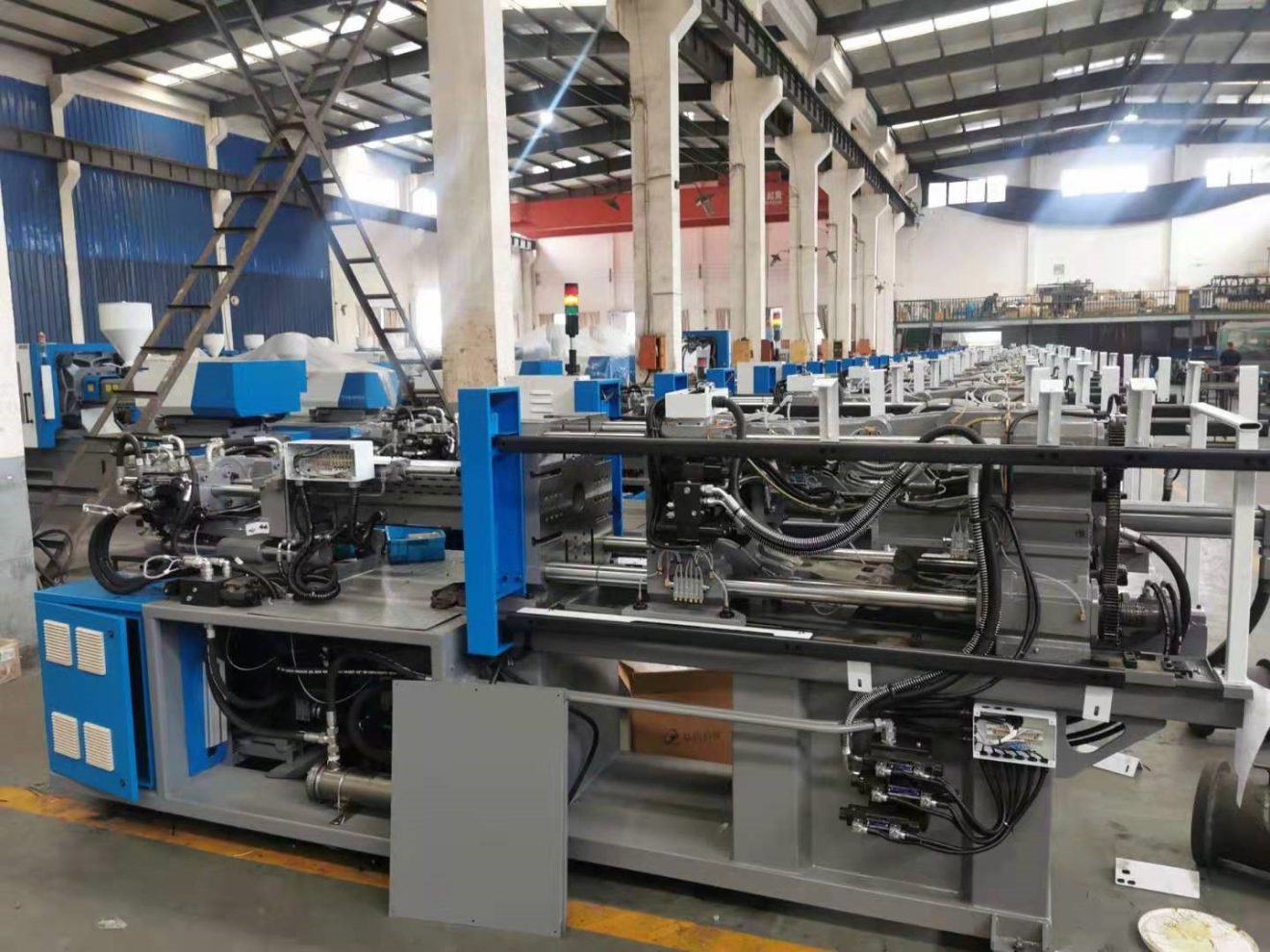
Haichen is one Chinese injection molding machine manufacturer. Our servo energy saving injection molding machines quality under CE safety standards certificated.
Haichen have rich experience of producing plastic products, with successfully cases for your reference. We can supply complete plastic production line as per customer’s specific demand.
Consider the above you can choose a suitable plastic injection molding machine and mold to ensure product’s quality and production efficiency.

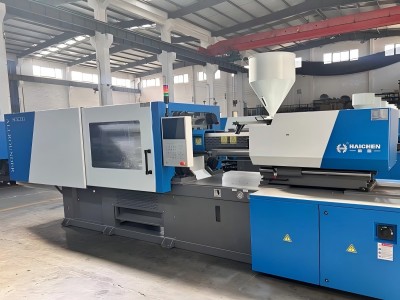
With more than 10years professional production experience, we supply stable hydraulic clamping cylinder structure and hydraulic clamping system.Thus it can ensuare production effeciency and product quality.
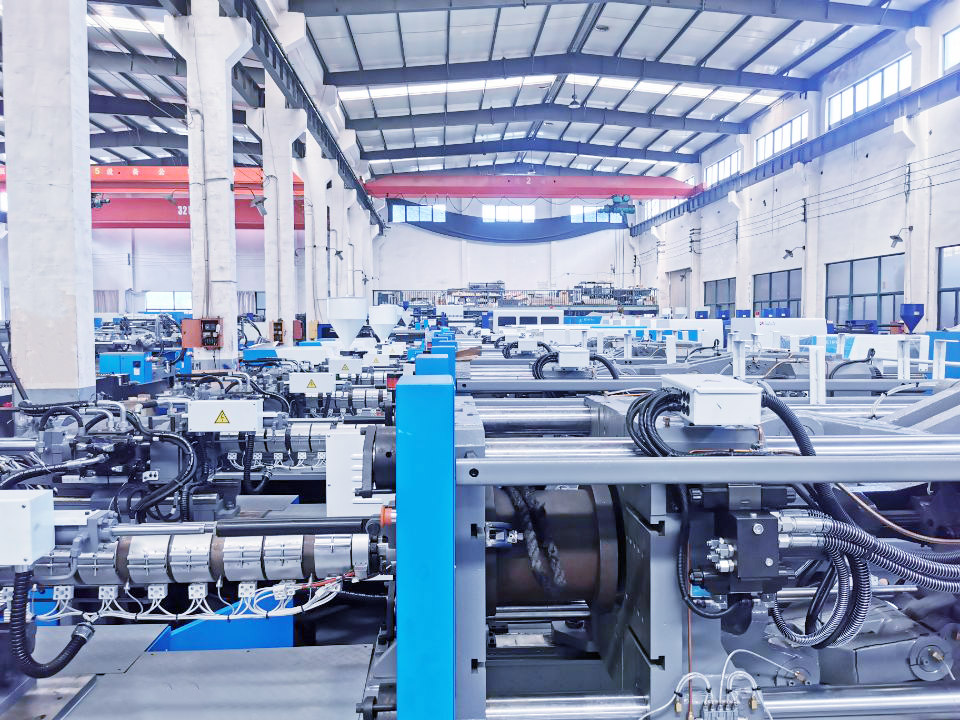
Haichen have rich experience of producing plastic products, with successfully cases for your reference. We can supply complete production line as per customer’s specific demand.
Consider the above. You can choose a suitable plastic injection molding machine and mold to ensure product’s quality and production efficiency.
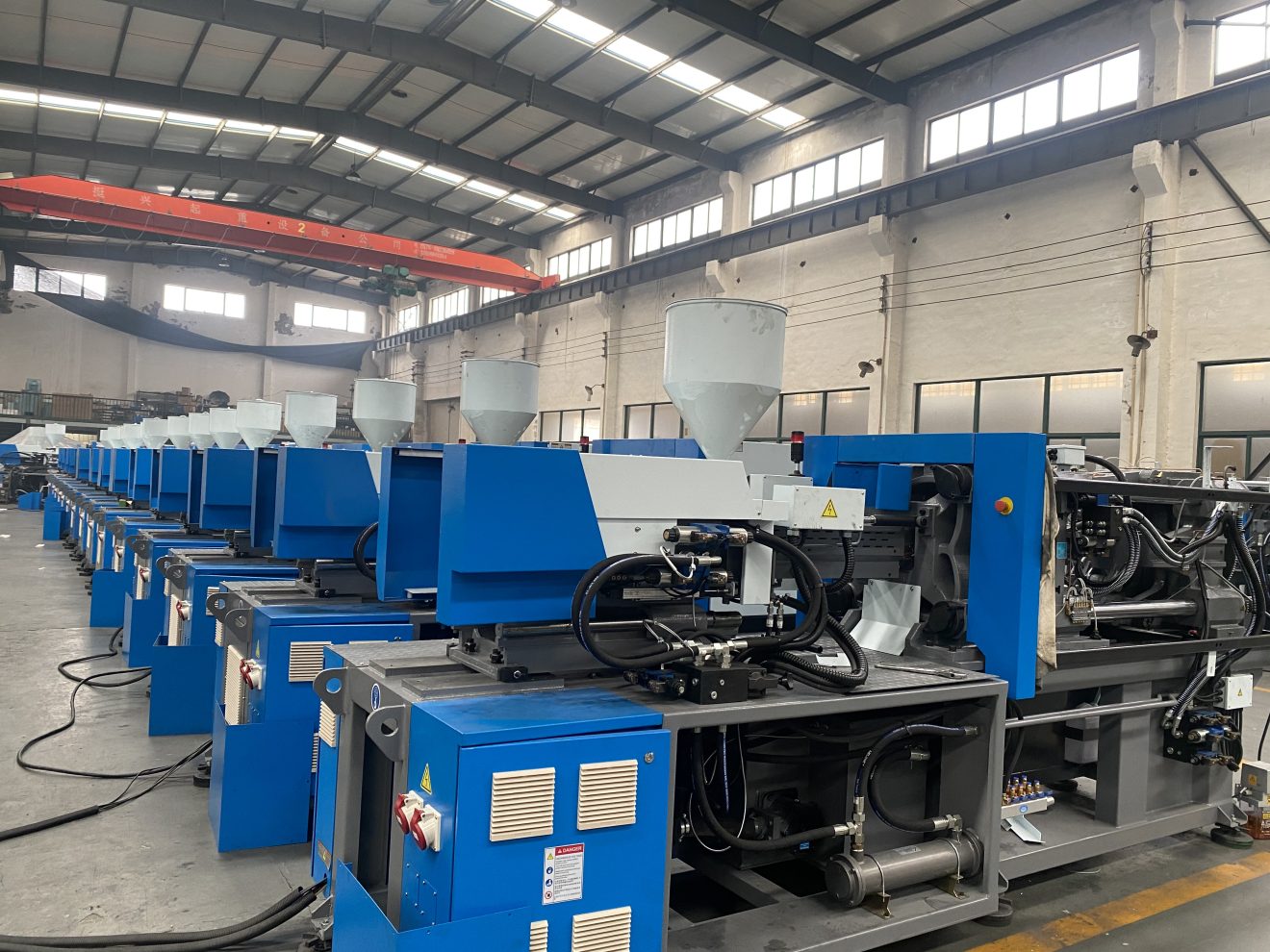
Haichen will try our best to help our customers to develop a reasonable and efficient control of the cycle time of the injection moulding process according to the specific situation of each customer’s plastic products, including plastic raw materials, mould structure design, and other factors.
Welcome contact us!