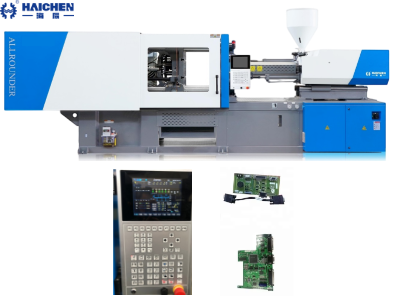
A tie bar is a structural piece that connects a fixed plate and a movable platen to provide mechanical stability of the mold and ensure that the mold maintains the correct position and shape during the injection process.

0ptimization Techniques of tie bar injection molding

Tie bar injection molding is a critical process in manufacturing high-quality plastic products. Optimizing this process can significantly enhance product quality, reduce production costs, and improve overall efficiency. Here are some key optimization techniques:
Real-Time Monitoring and Control
Using Sensors for Real-Time Monitoring:
Installing strain sensors on the tie bars allows for the simultaneous measurement of clamping force and cavity pressure.
This method is online, non-destructive, and cost-effective, making it suitable for large-scale applications. By monitoring these parameters in real-time, manufacturers can gain insights into the internal pressure of the mold cavity and the dynamic operating conditions of the injection molding machine.
Implementing Adaptive Process Control:
Adaptive process control systems based on viscosity index or other real-time data can help stabilize product quality. For example, using a single sensor on the nozzle of the injection molding machine can reduce system costs while minimizing product weight variation.
Process Parameter Optimization
Optimizing Clamping Force: The clamping force is a crucial parameter that affects product quality and mold life. By analyzing the relationship between tie bar elongation and clamping force, engineers can adjust the clamping force to achieve optimal results.
For instance, a study using the NSGA-III algorithm identified optimal process parameters that reduced residual stress and clamping force significantly.
Adjusting Injection Parameters:
Key injection parameters such as melt temperature, holding pressure, and holding time should be optimized to minimize residual stress and improve product quality. For example, a study found that setting the melt temperature to 34.92°C, holding pressure to 33.97 MPa, and holding time to 9.96 s resulted in a 12.98% reduction in clamping force and a 47.14% reduction in residual stress.
Practical Applications and Benefits
Reducing Residual Stress:
By optimizing the injection molding process using tie bar elongation data and advanced algorithms, manufacturers can significantly reduce residual stress in the final product.
This reduction in residual stress not only improves product quality but also enhances the optical properties of products like lenses.
Improving Productivity:
Optimizing process parameters and using real-time monitoring can lead to more efficient production processes. This results in reduced production costs and higher productivity.
Enhancing Quality Control:
Real-time monitoring and adaptive control systems enable manufacturers to detect and correct issues during the production process. This proactive approach to quality control helps in maintaining consistent product quality and reducing waste.
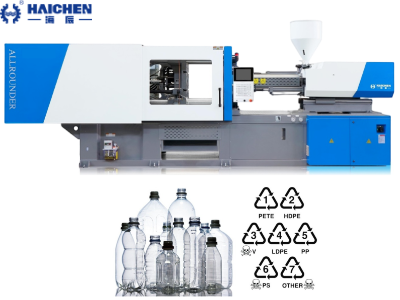
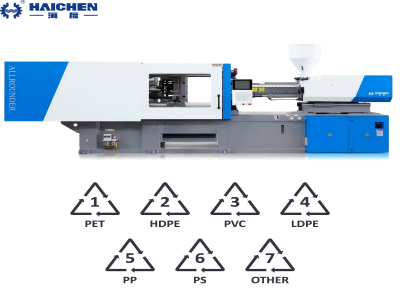
Injection molding machine supplier: Haichen Machinery
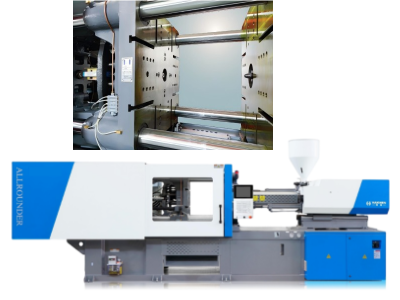
Haichen Machinery is a well-known Chinese manufacturer of injection molding machines, specializing in plastic injection molding equipment for various industries.
The tie bar is typically made from high-strength alloy steel (e.g., 42CrMo or similar) for durability. And the tie-bar stretching adjustment can be needed for older machines to maintain precision.
Optimizing tie bar injection molding involves a combination of adaptive control systems, real-time monitoring, advanced mathematical modeling, and precise parameter adjustment. By implementing these techniques, manufacturers can achieve higher product quality, reduced defects, and improved production efficiency.