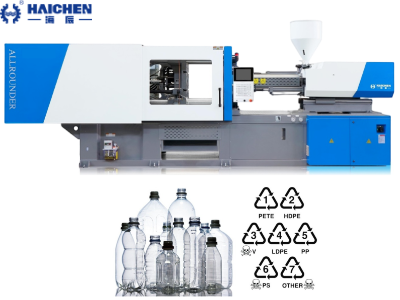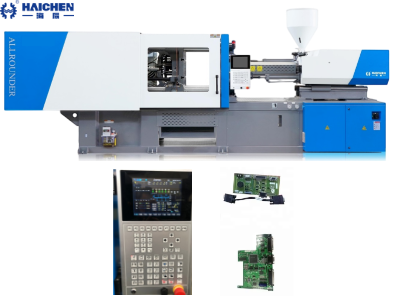
An aluminium road stud production line mainly includes die casting machine, die casting mould and auxiliary machines.
An aluminium road-stud production line basically consists of a die-casting machine, its matching mould, and a few handy auxiliary tools. The studs themselves are small metal road markers made from strong aluminium alloy, so they resist crushing and rust. Because of that toughness, they show up on highways, heavy-haul routes and even in tunnels, helping drivers see lanes in bad light. Beyond the main roads, you can spot them inside malls to guide traffic, link stalls in parking lots, and slow cars when needed.
We will introduce aluminium road stud productin line from these products different type, application and advantages. And then we analyse the production process and discuss alumnium road stud die casting machine, mould, auxiliary machine details.
- Types and specifications
- Application of Aluminum Road stud
- The advantages of aluminum road studs
- Production line: die casting process
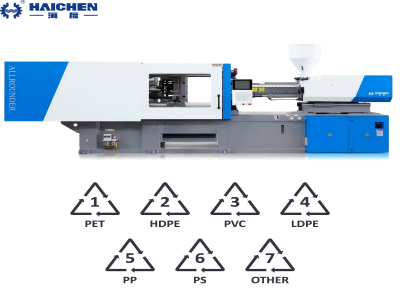
- Aluminium road stud die casting machine
- Aluminium road stud die casting mould
- Auxiliary equipment
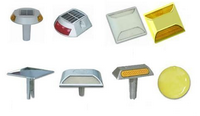
Types and specifications of aluminum road stud
There are various types of aluminum road studs, including
- Double sided reflective type: used to improve visibility on both sides of the road.
- Single sided reflective type: suitable for specific traffic environments.
- Aluminum road studs with glass beads: have high reflectivity and are suitable for use on highways.
- Solar road studs with LED: powered by solar energy, featuring environmental protection and energy efficiency.
- Aluminum road studs with nails or bolts: suitable for different installation needs
What is the road stud material?
Aluminum alloy is an element that appears in many aspects of our lives. Aluminum has become the preferred choice for products due to its durability. Therefore, the road stud also uses aluminum alloy raw materials.
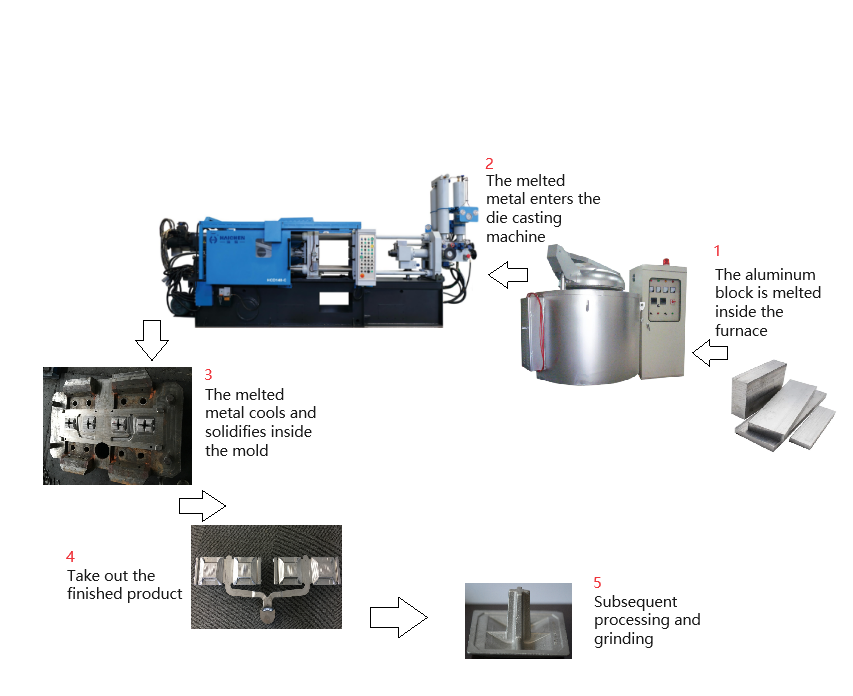
Production line: die casting process
Pressure die casting is a metal casting process that involves injecting molten metal under high pressure into a reusable mold cavity, known as a die. The die is usually made of two parts, the fixed half (also called the cover or cope) and the moving half (also called the ejector or drag). The molten metal is forced into the die cavity through a runner system and solidifies rapidly to take the shape of the mold. Once the metal has cooled and solidified, the two halves of the die are opened, and the casting is ejected, leaving the die ready for the next cycle.
Mold preparation
The mold consists of two half molds, which need to be cleaned and coated with lubricant before use to control temperature and facilitate subsequent demolding.
Closed mold
The mold is tightly closed under high pressure to prepare for subsequent metal injection.
Metal injection
Molten metal is injected into the mold cavity under high pressure. The injection method and pressure range of metal vary depending on the process type (cold chamber or hot chamber die casting).
Cooling and solidification
The metal cools and solidifies in the mold to form the final shape.
Demolding and removal
After the mold is opened, use a ejector device to remove the molded parts from the mold.
Aluminium road stud die casting machine
Aluminum road stud cold chamber die-casting machine is a high-precision die-casting equipment used for producing aluminum road signs. Its core is to inject molten aluminum into the mold through the cold chamber to achieve high-precision and high surface quality castings. The following is a detailed analysis of the aluminum road stud marking machine:
Basic principle of cold chamber die-casting machine
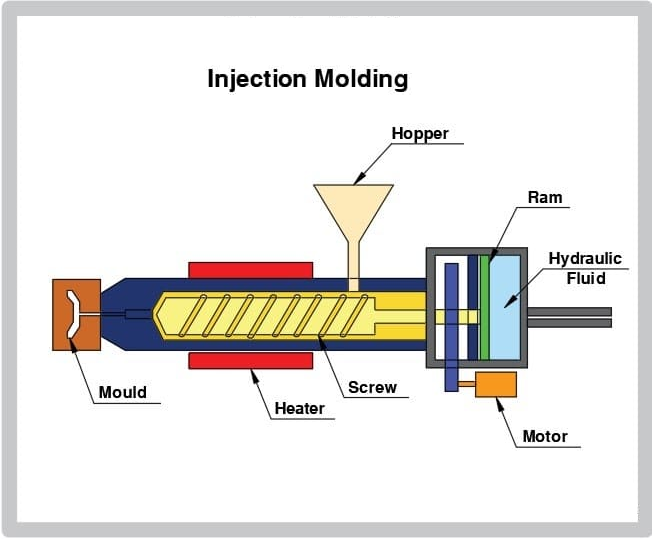
The working principle of a cold chamber die casting machine is to inject molten metal from an external melting furnace into the cold chamber through a pouring system, and then inject the metal into the mold through a hydraulic driven injection device. This method avoids direct contact between the molten metal and the injection system, thereby preventing corrosion and damage of the metal to the injection system, ensuring the quality and production efficiency of the castings.
Characteristics of aluminum road marking cold chamber die-casting machine
- Applicability of high melting point materials: Aluminum has a high melting point, so it requires a cold chamber die casting machine for processing. The cold chamber die casting machine can withstand the injection of high-temperature molten aluminum while maintaining the stability of the injection system.
- High precision and surface quality: Cold chamber die casting machines can achieve high-precision castings, suitable for aluminum road signs with complex shapes and thin-walled structures. The surface quality of castings is good and usually does not require excessive subsequent processing.
- High production efficiency: Cold chamber die casting machines are usually equipped with automated control systems, which can achieve high-speed and continuous production, suitable for large-scale production needs.
- Long mold life: Due to the mold design and material selection of the cold chamber die-casting machine, its mold life is relatively long and can withstand multiple die-casting operations.
Cold chamber die casting is ideal for metals such as aluminum which have a high melting point. During this process, metal will liquefy in a furnace at extremely high temperatures and then ladled into a cold chamber to be injected into the die.
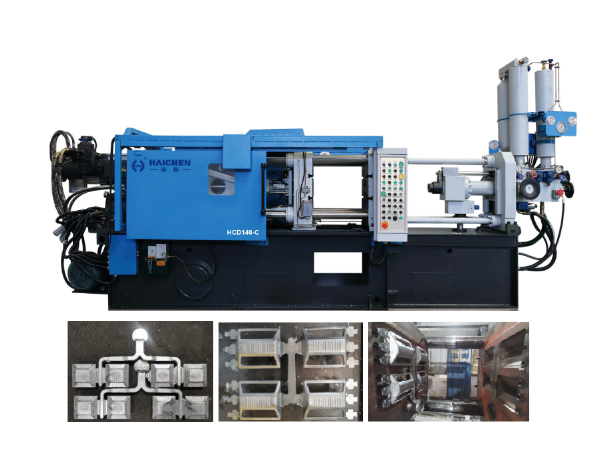
Aluminium road stud die casting mould
The basic principle of die-casting molds
It is to rapidly inject molten metal into the mold cavity under high pressure, allowing it to quickly cool and solidify, thereby forming the desired casting. This process is usually carried out on a die-casting machine, and the mold consists of two parts: a fixed mold and a movable mold. The fixed mold is connected to the injection system of the die-casting machine, while the movable mold moves with the middle plate of the die-casting machine. The structural design and manufacturing of molds are crucial for ensuring the quality and production efficiency of castings.
Structural characteristics
The structural characteristics of aluminum road marking nails have a significant impact on their mold design. Firstly, aluminum road marking studs are typically made of special materials with high reflectivity and durability to ensure their visibility in harsh weather conditions. This material property requires the mold to accurately control the metal flow during the manufacturing process to ensure that the shape and size of the nail body meet the design requirements. For example, key structures such as diversion bridges, diversion holes, mold cores, welding zones, and working belts in aluminum extrusion molds directly affect the uniformity of metal flow and the quality of the final product.
In addition, the structural design of aluminum road marking nails also needs to consider their installation and fixing methods, such as fixing them with self tapping screws or rivets, to ensure their stability and long-term performance on the road surface.
Therefore, mold design should not only meet the requirements of structural strength and dimensional accuracy, but also take into account installation convenience and material adaptability.
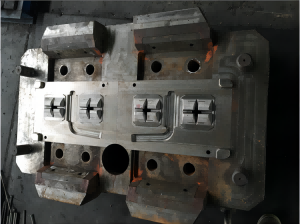
We will design Aluminium road stud die casting mould as per the client’s requirements. Normally, we suggest two or four cavities mould for normal production.
Auxiliary equipment
The complete aluminium road stud production line includes die casting machine+ melting furnace+road stud die casting mould+auxiliary equipments. Generally, it includes like auto ladle, auto sprayer, auto extractor and so on. These can help improve the aluminium road stud production line running efficiency and product quality. 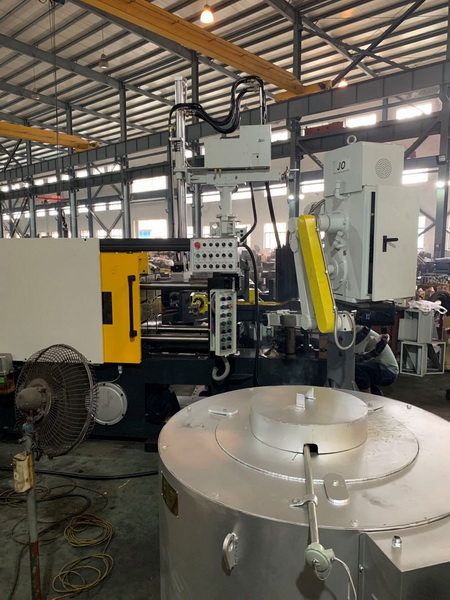
Application of Aluminum Road stud
Aluminum road studs are widely used in the following scenarios:
- Highways: used to mark the centerline and edge lines of roads, improving visibility for drivers.
- Tunnel: Due to its high load-bearing capacity and compressive strength, it is suitable for use in tunnels.
- Urban roads: Traffic signs used for urban roads to enhance visibility at night or in adverse weather conditions.
- Parking Lot: Traffic signs used for parking lots to ensure the safety of vehicles and pedestrians
The advantages of aluminum road studs
- High strength and compressive strength: The compressive strength of aluminum road studs can reach over 30 tons, making them suitable for environments where heavy-duty vehicles pass through.
- Corrosion resistance and UV resistance: Aluminum road studs have good corrosion resistance and UV resistance, with a long service life.
- Environmental protection and energy conservation: Aluminum road studs powered by solar energy have the characteristics of environmental protection and energy conservation, which are in line with the trend of modern transportation development.
- High visibility: Aluminum road studs have excellent reflective performance, ensuring driver safety even in harsh weather conditions.